Nana Muazin
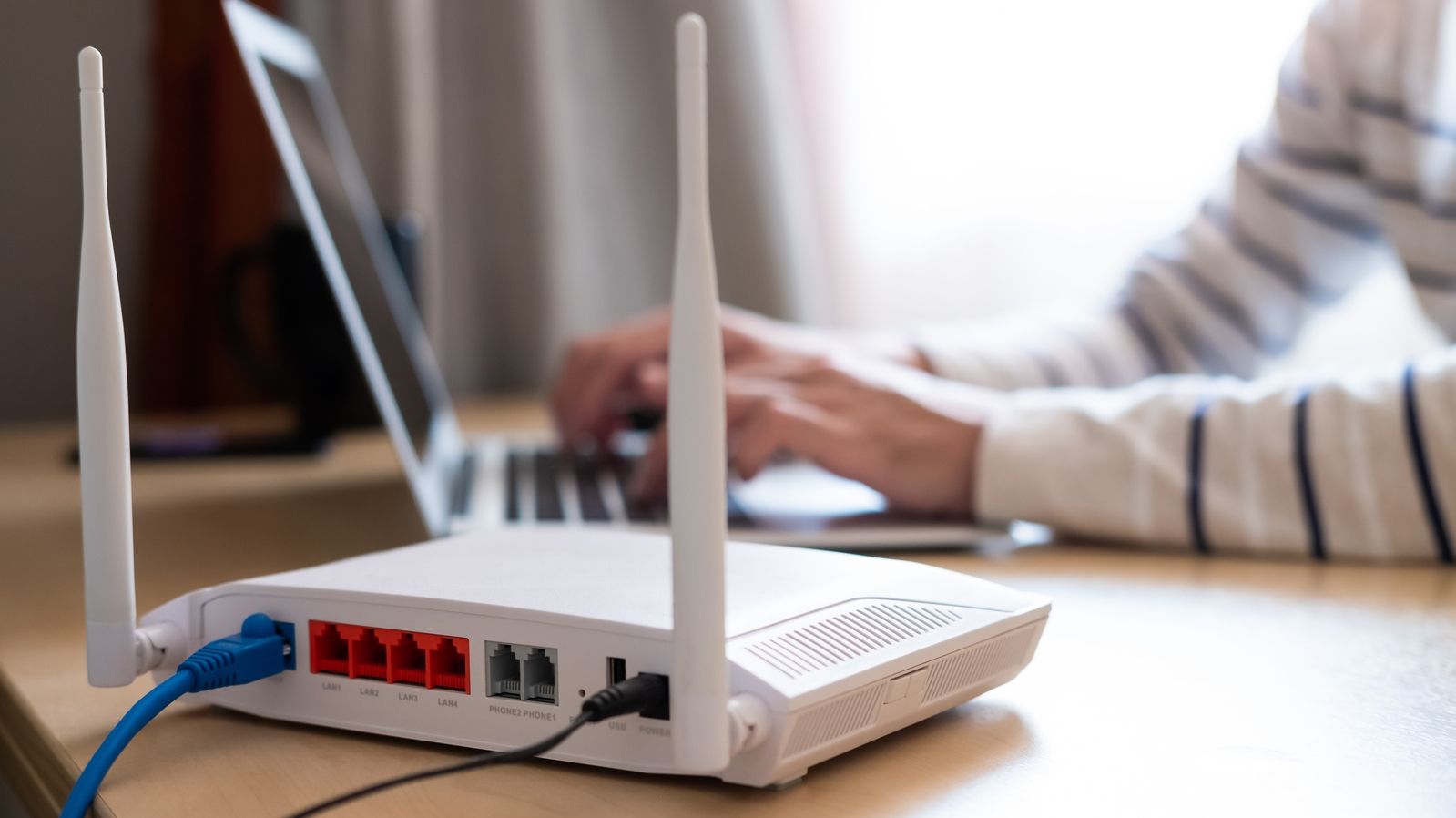
In a move that offers a temporary reprieve to both enterprise users and hobbyists, the Federal Communications Commission (FCC) announced on Friday, May 8, that it is extending critical waivers for certain foreign-produced drones, drone components, and consumer routers. These devices, which had previously been caught in the crosshairs of tightening national security regulations, are now permitted to continue receiving essential software and firmware updates for an extended period.
The decision, handed down by the FCC’s Office of Engineering and Technology (OET), addresses a growing anxiety within the technology sector regarding the lifecycle of hardware that has been deemed a potential security risk to the United States. While the agency remains firm on its long-term objective of mitigating threats posed by "covered" foreign equipment, this extension acknowledges the practical reality that forcing an immediate cessation of support would create unintended consequences for network security and critical infrastructure.
The Core Policy Shift: The "Covered List" Explained
To understand the weight of this announcement, one must look at the FCC’s evolving regulatory framework. Over the past several years, the FCC has significantly expanded its “Covered List”—a blacklist of communications equipment and services deemed to pose an “unacceptable risk” to U.S. national security.
When the FCC added specific categories of drones and consumer-grade routers to this list in late 2025 and early 2026, it effectively crippled the ability of manufacturers to push software and firmware updates to these devices. Under the FCC’s equipment authorization rules, any "permissive change" to a device requires re-authorization. By designating these products as security threats, the FCC essentially blocked that authorization pathway, leaving owners with "frozen" hardware that could no longer receive patches for newly discovered vulnerabilities.
The policy was rooted in the Secure Equipment Act of 2021, which mandated that the FCC no longer review or approve any application for equipment authorization for gear that is on the Covered List. This created a paradoxical situation: security-conscious users wanted the updates to patch holes, but the act of updating the software was legally complicated by the very regulations intended to protect the network.
Chronology of the Regulatory Tightening
The path to the current waiver extension has been marked by a series of aggressive regulatory milestones:
- 2021: The Secure Equipment Act is signed into law, granting the FCC broad powers to deny authorization for equipment from companies deemed to pose national security risks, primarily focusing on entities with ties to the Chinese government.
- Late 2025 – Early 2026: The FCC significantly expands the Covered List. This phase saw a wide net cast over various drone manufacturers—most notably DJI—and several prominent router brands. The inclusion effectively banned the import of new units and restricted the maintenance of existing ones.
- Early 2026: Recognizing that "bricking" millions of devices overnight would cause massive, chaotic, and potentially dangerous disruptions, the FCC issues the initial waivers. These were designed as a bridge to allow critical security and functionality updates to continue.
- May 8, 2027 (Current Announcement): The OET confirms the extension of these waivers. Drones and drone components are now granted support through January 1, 2027, while consumer routers are covered through March 1, 2027.
Supporting Data: Why Updates Matter
The FCC’s pivot is largely driven by the Cybersecurity and Infrastructure Security Agency (CISA) and other national security stakeholders who have argued that "unpatchable" hardware is, in fact, a greater security risk than patched hardware.
The Vulnerability Gap
A router or drone that cannot receive firmware updates is a "sitting duck." As hackers discover zero-day exploits, these devices remain vulnerable indefinitely. If an entire fleet of enterprise drones or a massive segment of consumer routers cannot be updated, they become prime targets for botnets or state-sponsored espionage.
Market Impact
The drone industry, in particular, has been hit hard. Pilots—ranging from commercial surveyors and agricultural specialists to emergency responders—have expressed profound concern over the lack of viable domestic alternatives. The cost of replacing an entire fleet of drones is astronomical, and in many sectors, the "Made in the USA" supply chain is not yet mature enough to meet the demand. By extending the waiver, the FCC is effectively buying time for the domestic manufacturing base to scale up.
Official Responses and Industry Sentiment
The FCC has maintained a balancing act. On one hand, the agency is under intense political pressure to eliminate reliance on foreign technology that could be compromised. On the other, it faces a technical reality where the sudden removal of millions of active devices would cause systemic failure in industries that rely on them.
The FCC’s Stance
In its memorandum, the OET emphasized that these waivers are "strictly limited to security and functionality updates." The agency was careful to clarify that this is not a stay of execution for the devices themselves, but rather a "risk management strategy." By allowing these patches, the FCC is ensuring that the devices currently in the field are at least as secure as they can possibly be while they are phased out.
The Industry Perspective
Manufacturers have generally been quiet, though industry trade groups have cautiously welcomed the news. For users, the sentiment is a mix of relief and frustration. "It’s a stay of execution," says one drone operator based in California. "It gives us time to plan for a transition, but we are still effectively being forced to discard equipment that works perfectly fine today. The question remains: what happens when the clock runs out in 2027?"
Implications: The Long-Term Landscape
The extension of these waivers is a clear indicator that the U.S. government’s "decoupling" from foreign technology providers is a long-term, multi-year process that cannot be rushed without significant economic collateral damage.
1. The Rise of Domestic Alternatives
The next 18 to 24 months will be crucial for U.S.-based drone and hardware manufacturers. The FCC’s policy has created a protected market space. Investors are pouring capital into domestic drone firms, betting that the regulatory environment will continue to favor hardware that is produced entirely within the U.S. or allied nations.
2. Supply Chain Sovereignty
This situation has highlighted the fragility of the globalized electronics supply chain. Many consumer routers—even those marketed under American brands—rely on components or software stacks that are subject to these bans. Companies are now being forced to re-engineer their entire supply chains to ensure that every chip and line of code can be audited and verified as "safe."
3. The Future of Consumer Electronics
For the average consumer, this means that the era of cheap, globally sourced hardware may be coming to an end. The cost of compliance, auditability, and the requirement for "secure-by-design" architectures will likely lead to higher price tags for home networking gear.
Conclusion: The Clock is Still Ticking
While the May 8 announcement provides a necessary safety net for current users, it is not a reversal of policy. The FCC remains committed to the principle that foreign-produced equipment in critical infrastructure—and even in the home—must meet stringent security standards that many of these devices currently fail to satisfy.
The extension until 2027 serves as a "soft landing." It provides manufacturers a window to pivot their business models and allows users to budget for equipment replacements without the fear of immediate service outages. However, the message from Washington remains clear: the days of unrestricted access to foreign-made, "black box" communications hardware are coming to a close. The coming years will be defined by a massive migration toward hardware that can be fully vetted, secured, and supported by a domestic or allied supply chain. For those who rely on drones or foreign-made routers, the period between now and 2027 should be viewed as a mandatory transition phase—not a return to the status quo.



 Pevita Pearce