

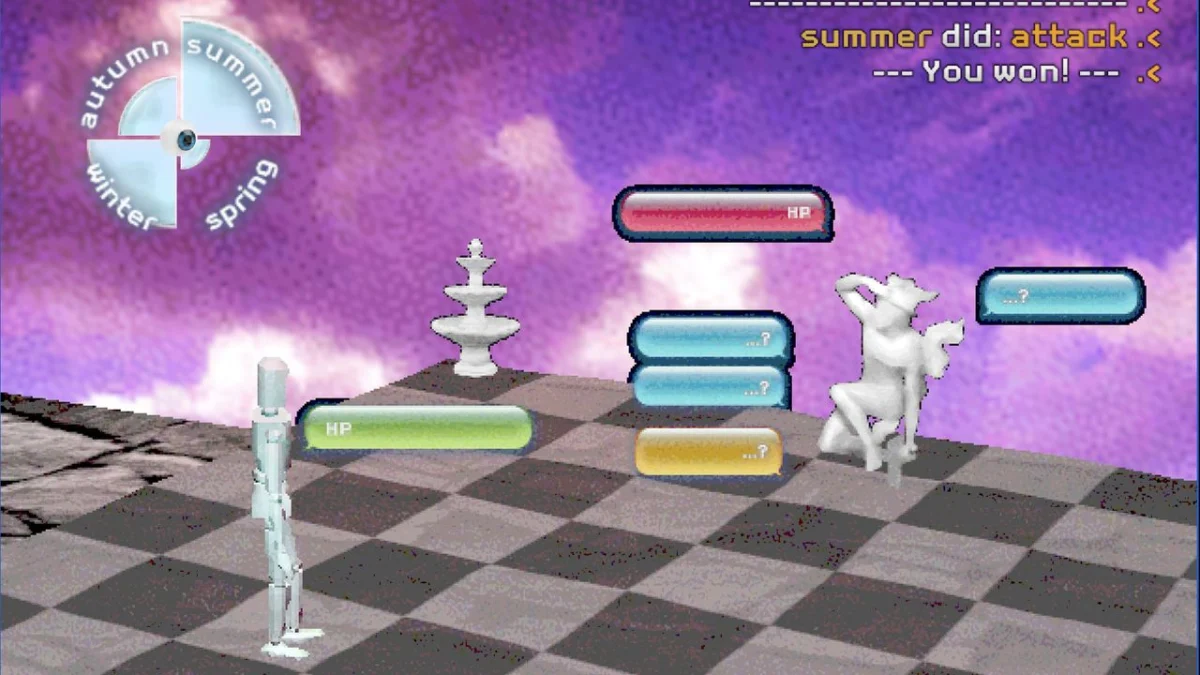
In the pantheon of RPG mechanics, few features are as polarizing, bizarre, and inexplicably beloved as the persuasion minigame from 2006’s The Elder Scrolls IV: Oblivion. It was a system that forced players to manipulate a circular interface—a pie chart of social engineering—to coax NPCs into liking them, often with results that felt less like genuine conversation and more like a fever dream of psychological warfare.
Nearly two decades later, this clunky, "jelly-clockwork" relic has transcended its origins. It has become a focal point of irony-laden affection, culminating in the unlikely return of "Wheeljam," a dedicated game jam where developers compete to reinvent, subvert, or pay homage to the most infamous circle in gaming history.
The Origins: A Social Simulation Gone Wrong
To understand the fervor surrounding the current Wheeljam, one must first look back at the original Oblivion experience. When Bethesda released the game in 2006, the industry was obsessed with pushing "emergent" gameplay. The persuasion wheel was intended to be a sophisticated simulation of human interaction. It presented the player with four actions: "Boast," "Joke," "Admire," and "Coerce."
The goal was to click on the segments of the wheel while the NPC’s mood shifted, attempting to land the most "valuable" social action on the largest slice of the pie. It was, objectively, a disaster of design. It was counter-intuitive, aesthetically jarring, and functionally detached from the actual dialogue taking place. If you accidentally clicked "Coerce" while the NPC was in a bad mood, they would recoil in horror, effectively ending the chance of a productive conversation.
Yet, for a generation of players who came of age during the mid-2000s, this system became a foundational memory. It was the moment they realized that even the most "serious" immersive RPGs could be held together by digital duct tape and strange, circular logic.
Chronology of a Cult Phenomenon
The trajectory from a hated mechanic to a celebrated design challenge was not linear.
- 2006: The Elder Scrolls IV: Oblivion launches. The persuasion wheel is immediately criticized for its absurdity, yet players spend hours mastering its quirks.
- 2011–2015: As Skyrim rises to prominence, the "Oblivion experience" becomes a shorthand for a specific type of janky, high-ambition RPG design. Memes about the wheel begin to proliferate on early internet forums and Reddit.
- 2023: Following the buzz surrounding the "Oblivion Remastered" projects and ongoing nostalgia for the era of Bethesda’s peak experimentation, the first "Wheeljam" is organized by a collective of developers.
- 2024: The second iteration of Wheeljam concludes, featuring 27 unique submissions that attempt to strip the "wheel" concept of its original context and transplant it into entirely new genres, from vaporwave art simulators to tactical shooters.
Supporting Data: Why the Wheel Persists
What is it about the wheel that keeps it in the cultural consciousness? Game design theory suggests that "friction"—the resistance a player feels when interacting with a game—can sometimes create a stronger emotional bond than seamless, intuitive design.
According to anecdotal data from itch.io community feedback, players are drawn to the wheel because it represents a "perfectly imperfect" design choice. It is a mechanic that forces the player to engage with the game’s internal logic rather than the game world’s internal narrative.
The submissions for this year’s Wheeljam demonstrate this variety:
- A Contrario: A standout entry that replaces the standard persuasion metrics with seasons, effectively turning a social mechanic into a surreal, vaporwave-inspired combat system.
- Wheelfox 64: A retro-styled exploration of how the "circular interaction" paradigm can be applied to 3D movement and navigation.
- The Wolf of Wheel Street: A satirical take on the wheel, applying it to high-stakes finance rather than NPC rapport, highlighting the absurdity of turning complex human interactions into a numerical minigame.
These entries prove that the "wheel" is no longer just a Bethesda-specific tool; it has become a legitimate design trope, a shorthand for "randomized interaction" that developers can now subvert for comedic or artistic effect.

Official Stances: The "Love of the Wheel"
The organizers of Wheeljam have maintained a consistent, tongue-in-cheek stance: there is no prize, no financial incentive, and no prestige to be gained. The invitation to developers is simple: "DO IT FOR THE LOVE OF THE WHEEL."
This lack of stakes is, ironically, why the jam has been so successful. By removing the pressure of commercial viability, participants are free to lean into the most inscrutable, bizarre aspects of the mechanic. As one developer noted on the jam’s forums, "The wheel isn’t about winning; it’s about acknowledging that sometimes, the most memorable parts of a game are the parts that don’t quite work."
This sentiment is echoed by the community, which has spent the last week actively voting on the 27 entries. The discourse surrounding the submissions is remarkably analytical, with players debating the "tactile feel" of the rotation and the "statistical probability" of success, treating these small, browser-based experiments with the same rigor one might apply to a AAA release.
Implications for Future Game Design
What does the enduring legacy of the Oblivion wheel mean for the future of RPGs?
First, it highlights a shifting perspective on "jank." Modern audiences are increasingly appreciative of games that possess a distinct personality, even if that personality is built on top of mechanical failures. The success of Wheeljam suggests that developers should not be afraid to implement "weird" systems, as these are often the very features that define a game’s cult following.
Second, it points to the viability of "mechanic-centric" game jams. By focusing on a single, specific design element—in this case, the circular interaction menu—jams can produce more cohesive and experimental results than those with broader, theme-based constraints.
Finally, the phenomenon serves as a bridge between generations. While the "Skyrim kids" might not have the same nostalgic connection to the 2006 iteration of the wheel, the influx of modern, experimental takes on the concept allows them to experience the "jelly-clockwork" madness of the past in a way that feels fresh and relevant.
Conclusion: The Cycle Continues
As the voting period for Wheeljam 2 draws to a close, the focus shifts to the future. While the organizers have playfully teased a "Wheeljam 3: Gettin’ The Grease," the reality of the game development community suggests that as long as there is an appetite for the absurd, the wheel will keep turning.
For now, the submissions remain live, inviting anyone with a web browser to step into the world of the wheel. Whether you are a veteran of the Imperial City or a newcomer to the chaos, these games offer a unique opportunity to engage with one of gaming’s most fascinating failures, and perhaps, to find a little bit of beauty in the spin.












No comments yet. Be the first to join the conversation!