

In the hyper-kinetic world of big-budget franchise filmmaking, few moments are as jarring as the total erasure of a protagonist. In Mortal Kombat II, the 2026 sequel to the 2021 reboot, audiences witnessed the definitive end of Cole Young. Played by Lewis Tan, the character who was once envisioned as the anchor of a new cinematic universe was unceremoniously dispatched in the opening act. His death was not merely a plot point; it was a visceral, bone-crushing spectacle that functioned as a meta-commentary on the current state of audience-driven storytelling.
The Chronology of a Character’s Demise
The narrative arc of Cole Young was intended to be the audience’s entry point into the Mortal Kombat universe. As a descendant of Scorpion, his "arcana" and personal stake—a wife and daughter waiting for him off-screen—were the pillars of the 2021 film. However, the sequel wastes no time in signaling a pivot.
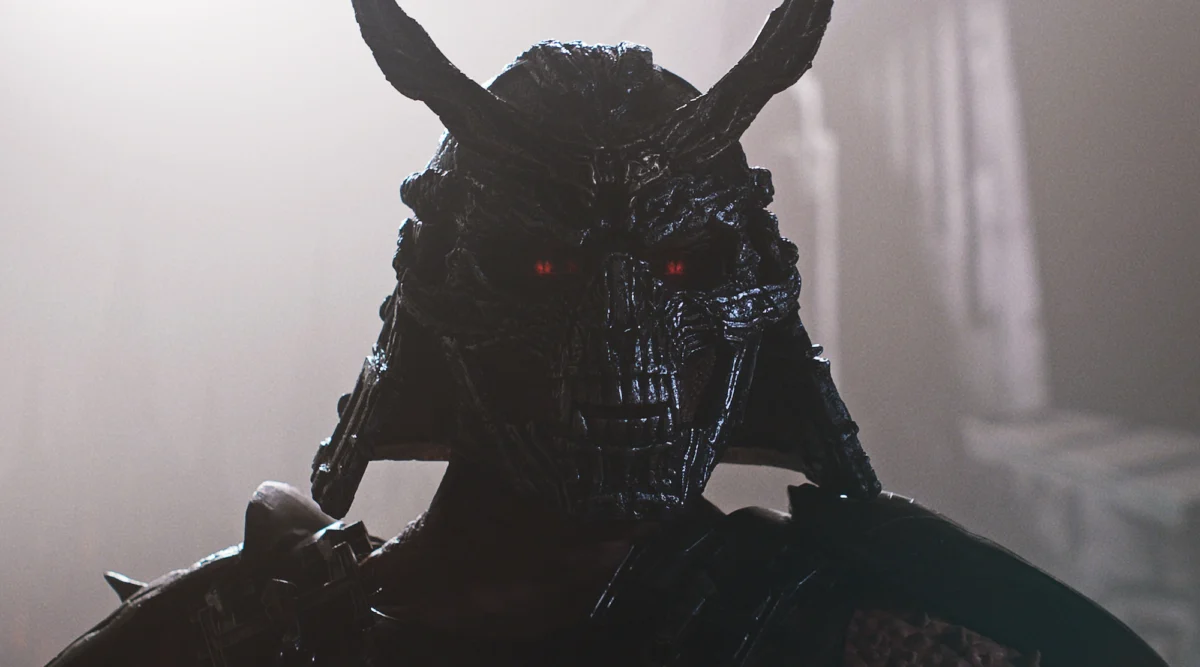
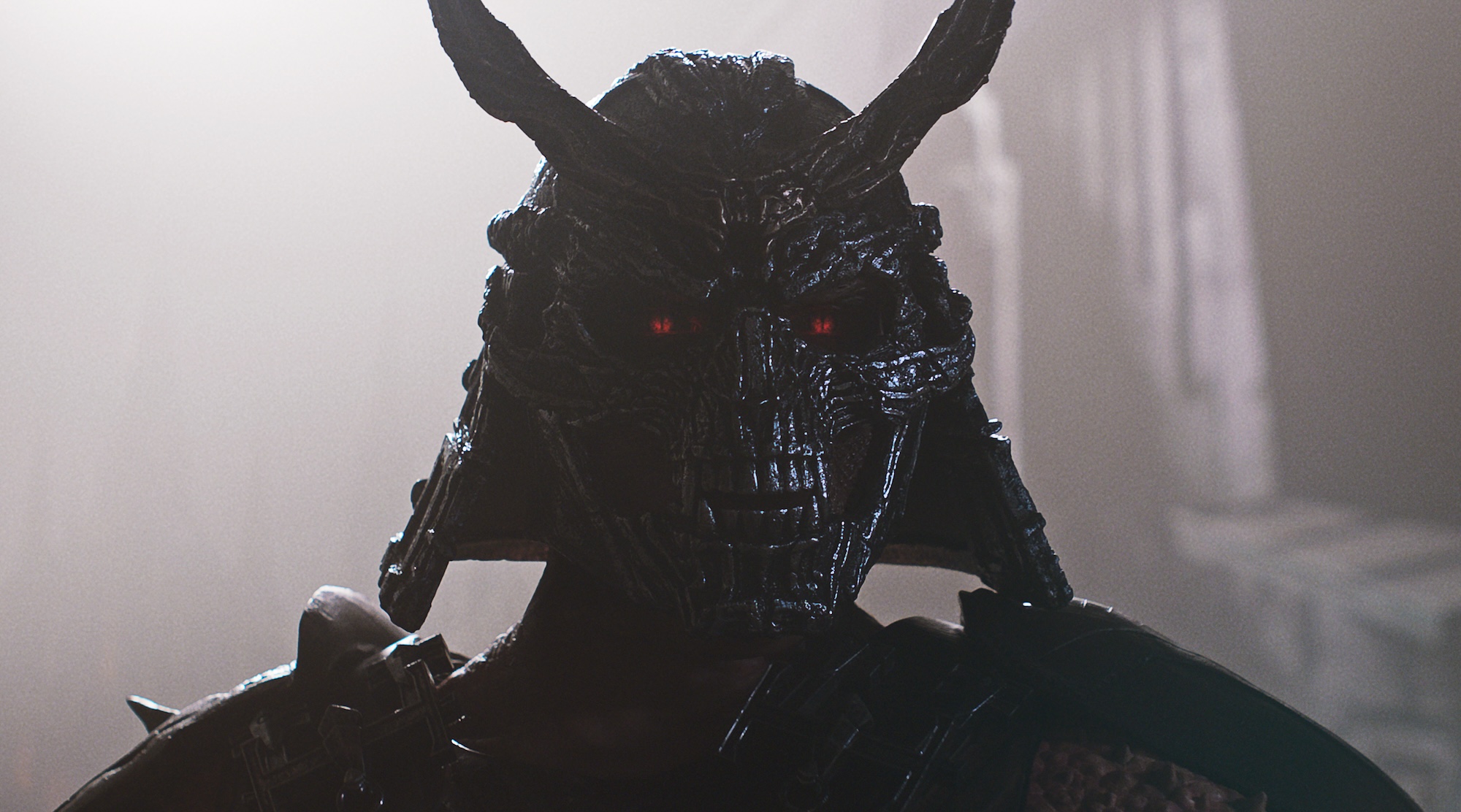
The sequence begins with an exposition-heavy reintroduction, pairing Tan’s Young with the newly arrived Johnny Cage, played by Karl Urban. The film immediately sidelines Young’s personal history, isolating him from the emotional stakes established in the first installment. He is swiftly ushered into the tournament, where he faces the towering Emperor of Outworld, Shao Kahn (Martyn Ford).
The fight itself is a masterclass in false hope. Young manages to land a devastating strike, slicing the throat of the inter-dimensional despot. For a heartbeat, the audience is led to believe the protagonist might actually secure a victory. But in the world of Mortal Kombat, the rules of engagement are fluid. Shao Kahn, empowered by stolen magic, recovers instantly. He flips the script, incapacitating Young before delivering a fatal blow with his signature Wrath Hammer. The sequence concludes with Young’s body being tossed into the iconic Dead Pool, the acid-filled arena from the source material, ensuring there would be no miraculous resurrections.
Supporting Data: The Fandom Factor
The decision to kill off a lead character so abruptly suggests a response to years of online discourse. Since the release of the 2021 film, Cole Young has been a lightning rod for criticism. A cursory search through platforms like X (formerly Twitter) and Reddit reveals a consistent, often aggressive sentiment. Fans of the long-standing video game franchise frequently cited Young as an unnecessary addition—a "boring" surrogate shoved into a lore-rich world to satisfy studio requirements for a "grounded" lead.
The friction between the studio’s vision and the fanbase’s expectations is palpable. While the 2021 film earned decent box office numbers, the "Cole Young factor" became a point of contention. Data-driven marketing has increasingly allowed studios to monitor these sentiments, and Mortal Kombat II appears to be a direct result of "course correction." By replacing the original protagonist with established fan favorites like Johnny Cage and giving more agency to characters like Kitana (Adeline Rudolph), the filmmakers have effectively traded narrative continuity for fan appeasement.
Official Responses and Creative Intent
While Warner Bros. and director Simon McQuoid have remained tight-lipped regarding the specific creative mandate to remove Young, comments from the franchise’s co-creator, Ed Boon, offer a glimpse into the production’s mindset. Boon, who has been deeply involved in the development of the cinematic universe, previously hinted at a reactionary approach to the script, noting that he often felt a protective instinct toward the characters—but perhaps not for the original ones.
The move to kill Young is framed as "fan-service" at its most extreme. It is a tacit admission that the original character was a failed experiment. By having Shao Kahn, the ultimate villain, be the one to physically and symbolically destroy the "new" protagonist, the film creates a sense of catharsis for those who felt Young never belonged in the tournament to begin with. It is a bold, albeit ruthless, piece of storytelling that prioritizes the "purity" of the source material over the structural integrity of the film series.
Implications for Modern Blockbuster Cinema
The death of Cole Young is more than a scene in a movie; it is a symptom of a growing trend where franchises are managed like living brands rather than static stories. We are entering an era where the "audience-as-collaborator" model is being taken to its logical, and sometimes destructive, extreme.
1. The Death of the Original Protagonist
In decades past, sequels were expected to build upon the foundation of their predecessors. Today, if a character fails to "stick" with the core demographic, they are often discarded or rebooted. This creates a volatile environment for writers and actors, who may find their work discarded based on the loudest voices in the digital sphere.
2. The Power of "Brand Management"
The decision to pivot to Johnny Cage and Kitana indicates that studios are increasingly wary of "original" characters in established IPs. Fans often view original characters as "intruders." When a studio responds to this by violently removing the character, they validate a sense of ownership that the fandom feels over the intellectual property.
3. The Ethical Dilemma of Fan Service
There is a fine line between listening to feedback and bowing to toxicity. The situation draws uncomfortable parallels to the treatment of actors in other major franchises, where online vitriol has led to the effective sidelining of certain performers. When a character’s death is used as a "humorous" punchline—as it is with Young’s acid-vat finale—it risks normalizing a level of aggression in fandom that is rarely healthy for the long-term sustainability of a creative project.
A New Direction for Mortal Kombat?
Despite the controversy surrounding the handling of Young, it is undeniable that Mortal Kombat II succeeds in areas where its predecessor struggled. The introduction of Johnny Cage brings a levity and charisma that the first film lacked, while the focus on Kitana provides a much-needed depth to the tournament’s political machinations.
The film is faster, more violent, and more attuned to the aesthetic of the 1990s arcade games that birthed the series. It has "leveled up" by shedding the baggage of its own invention. Yet, one must wonder if the cost of this improvement was the integrity of the storytelling process itself.
By treating Cole Young’s departure as a spectacle—a "human sacrifice" to the gods of internet commentary—the film manages to be both a crowd-pleaser and a cautionary tale. It proves that a franchise can successfully pivot and win back its skeptical audience, but it also highlights the precarious nature of character arcs in an age where the audience is always watching, always judging, and always ready to demand a change in the script.
Ultimately, Mortal Kombat II will be remembered for its brutal efficiency. It is a film that knows exactly what its audience wants, and it isn’t afraid to bathe that audience in the acid of its own expectations. Whether or not this sets a dangerous precedent for future blockbusters remains to be seen, but for now, the tournament continues—and the fans, for better or worse, have gotten exactly what they asked for.









No comments yet. Be the first to join the conversation!