

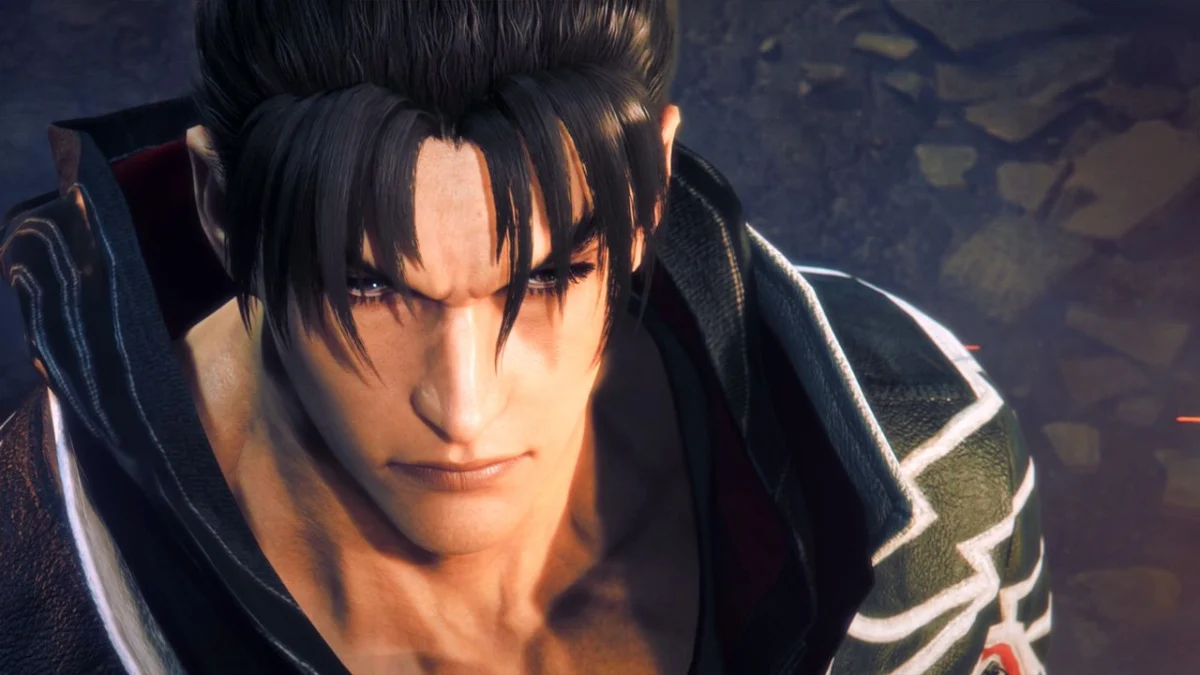
If you squint at the current landscape of pop culture, it’s easy to feel as though we have been transported back to the mid-1990s. The aesthetic of neon-soaked urban brawls, the resurgence of high-octane tournament narratives, and the dominance of iconic fighting game franchises have returned with a vengeance. Street Fighter, Mortal Kombat, and Tekken are once again the titans of the industry, each having successfully reinvented themselves for a modern, tech-savvy generation.
However, while these legends of the arcade era continue to dominate the gaming charts, their transition to the silver screen remains a tale of feast and famine. As Mortal Kombat 2 lands in cinemas and Street Fighter prepares its own cinematic resurgence, a new, light-hearted "beef" has emerged between the casts of these competing franchises. It is a battle for box-office supremacy, characterized by playful jabs and competitive bravado. Yet, amidst this cinematic skirmish, one heavyweight contender remains suspiciously absent from the marquee: the Mishima Zaibatsu. Despite a legacy spanning over three decades and a narrative complexity that dwarfs most of its competitors, Tekken is being left in the cold—a missed opportunity for a franchise tailor-made for the blockbuster era.
A Legacy Written in Blood: The Mishima Chronology
To understand why Tekken belongs on the big screen, one must first look at the sheer, unadulterated scale of its storytelling. While many fighting games rely on thin, tournament-centric premises, Tekken evolved into a multi-generational soap opera of Shakespearean proportions.
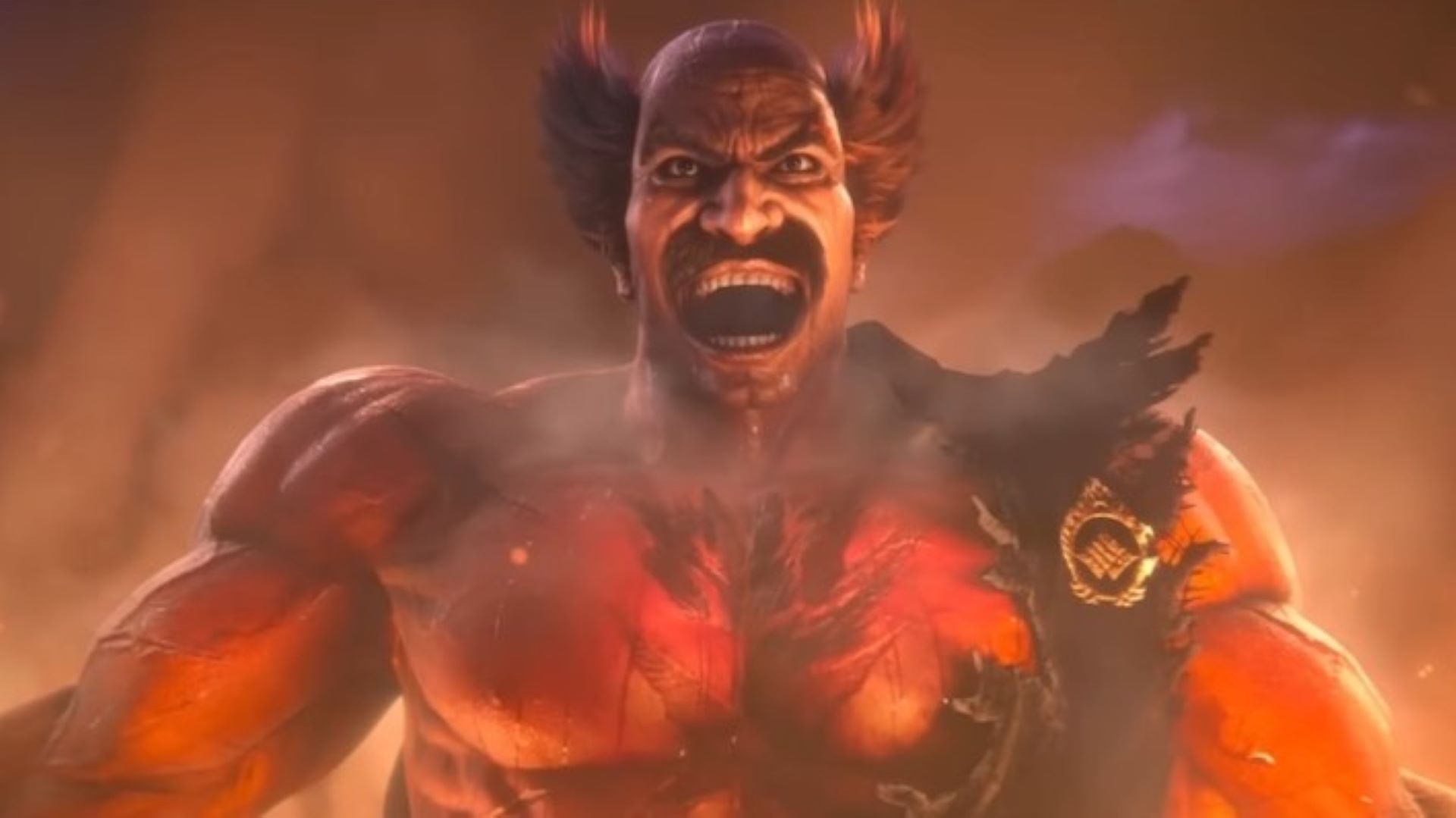
The core of the franchise is the Mishima bloodline—a saga of patricide, demonic possession, and corporate warfare that makes the domestic struggles seen in modern superhero epics seem positively quaint. The chronology is a labyrinthine map of betrayal:
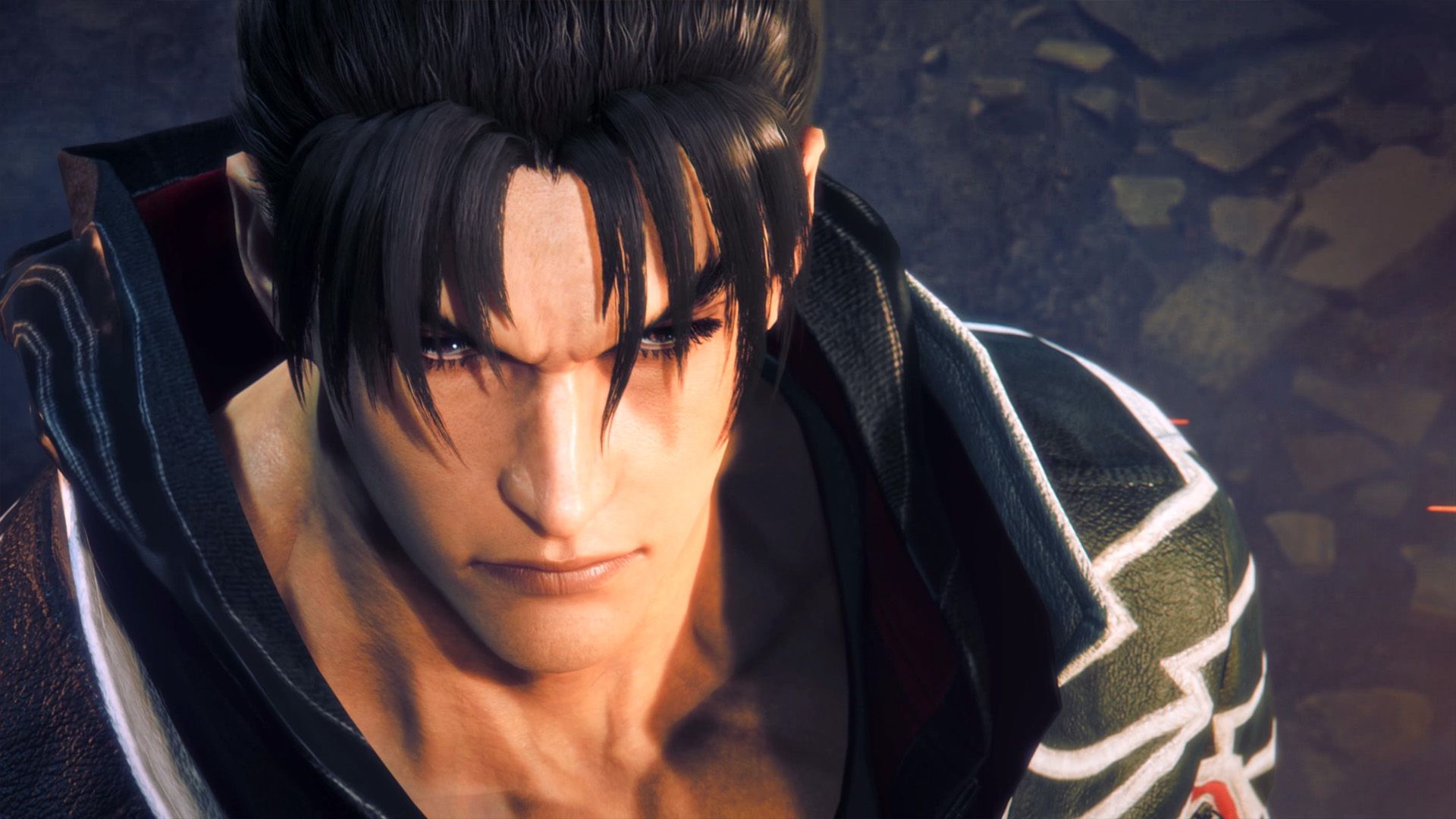
- The Early Years: The original Tekken introduced the world to the cycle of violence between Heihachi Mishima and his son, Kazuya. It established the King of Iron Fist Tournament, a stage for personal vendettas masquerading as global martial arts showcases.
- The Escalation: With Tekken 2 and 3, the narrative scope ballooned. We saw the introduction of the Devil Gene, the mysterious disappearance of Jun Kazama, and the emergence of Jin Kazama, the reluctant protagonist trapped between his dual heritages.
- The Modern Era: By the time Tekken 7 arrived, the story had transcended simple fisticuffs. It utilized a documentary-style framing device—a reporter investigating the Mishima conspiracy—which served as a perfect entry point for newcomers. The inclusion of Street Fighter’s Akuma into the canonical plot was not just a fan-service crossover; it was a narrative masterstroke that signaled the franchise’s willingness to embrace its own insanity.
Beyond the Tournament: A Roster of Infinite Potential
One of the primary reasons Tekken feels primed for a high-budget film adaptation is its absurdly deep, wildly varied character roster. While Street Fighter relies on a core group of recognizable archetypes and Mortal Kombat leans heavily into its "guts and gore" identity, Tekken offers a tapestry of global cultures and surrealist concepts that would thrive in a big-budget environment.
Consider the narrative versatility of the cast:
- The Archetypes: You have the stoic, world-weary assassin in Nina Williams; the pro-wrestling heart of the series, King; and the "Bruce Lee-inspired" underdog, Marshall Law.
- The Surrealist Elements: A film franchise that can balance the gritty, corporate drama of the Mishima Zaibatsu with the absurdity of a boxing kangaroo (Roger), a breakdancing street fighter (Eddy Gordo), or a sentient wooden training dummy (Mokujin) is a franchise that refuses to be boring.
- The Technological Edge: With the presence of advanced androids like JACK, the Tekken universe bridges the gap between traditional martial arts cinema and high-concept science fiction.
These characters aren’t just skins for players to select; they are established figures with deep lore, personal stakes, and distinct visual languages that would translate seamlessly to the screen.
The Case for a Cinematic Triple Threat
As the "video game movie gold rush" continues to yield successes like The Super Mario Bros. Movie and the Sonic the Hedgehog franchise, the industry’s hesitance to revisit Tekken is increasingly difficult to justify. The data supports the demand: with over 60 million units sold across the series, Tekken boasts a built-in, global fanbase that has grown up alongside the Mishima drama.
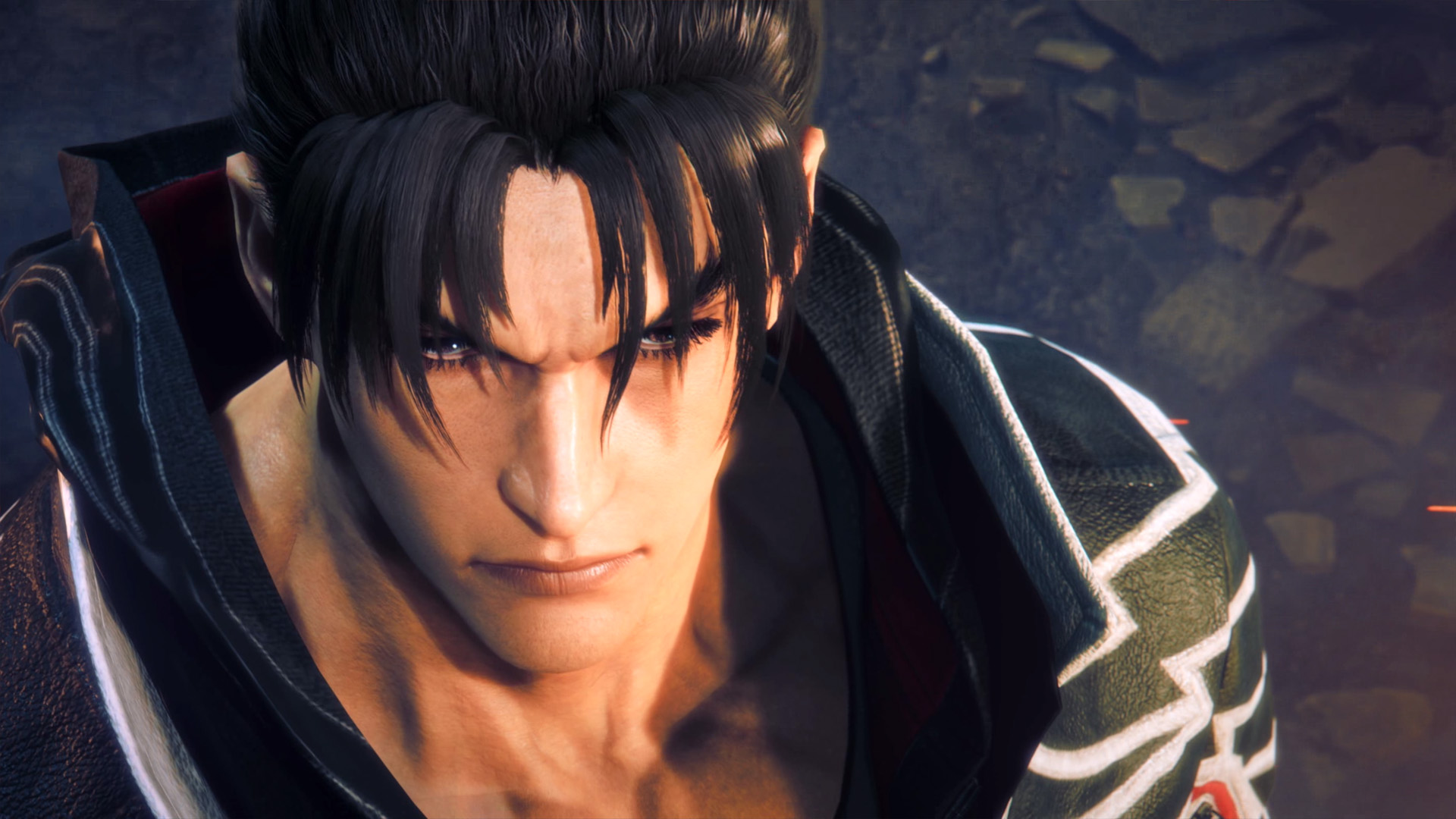
The current tension between the Mortal Kombat and Street Fighter actors—often manifesting in social media banter—highlights the passion inherent in these fanbases. Why not turn this into a "triple threat" match at the box office? A Tekken film would not need to replicate the gore of Mortal Kombat or the stylistic flair of Street Fighter. Instead, it could offer a hybrid experience: the melodrama of a prestige drama combined with the world-razing, city-leveling action sequences typically reserved for the Avengers or Godzilla films.
Furthermore, there is the tantalizing, realistic prospect of a Tekken vs. Street Fighter film. Given that the two franchises have already successfully crossed over in console gaming, a cinematic adaptation could provide the ultimate "event" movie for the fighting game genre. It would be a monumental clash of philosophies, aesthetics, and playstyles.
Implications: Why Now?
The film industry is currently undergoing a paradigm shift regarding video game adaptations. Directors and producers have finally learned that the key to success lies in respecting the source material rather than trying to "fix" it. Tekken doesn’t need fixing; it needs a budget, a visionary director, and a studio that understands that its "utterly insane" story is its greatest strength, not its weakness.
If a production house were to take the Tekken 7 approach—grounding the supernatural elements in the perspective of an outsider—it could effectively introduce a new generation to the madness of the Mishimas. The potential for a long-running, multi-film franchise is there, provided the studio leans into the melodrama.
Conclusion: The Final Round
As Mortal Kombat 2 makes its way into theaters and the hype for upcoming Street Fighter projects builds, the silence from the Tekken camp is deafening. The series has the longevity, the characters, and the narrative complexity to compete with any major cinematic franchise.
Whether it is through an adaptation of the original Mishima conflict or a high-octane, modern retelling of the Tekken 7 timeline, the "Iron Fist" deserves to be felt by a wider audience. To the producers looking for the next big thing in the gaming-to-film pipeline: the fighters are ready, the story is written, and the fans are waiting. With apologies to the cast of Mortal Kombat, that is the real fight we want to see. The King of Iron Fist Tournament is overdue for a cinematic promotion.










No comments yet. Be the first to join the conversation!