

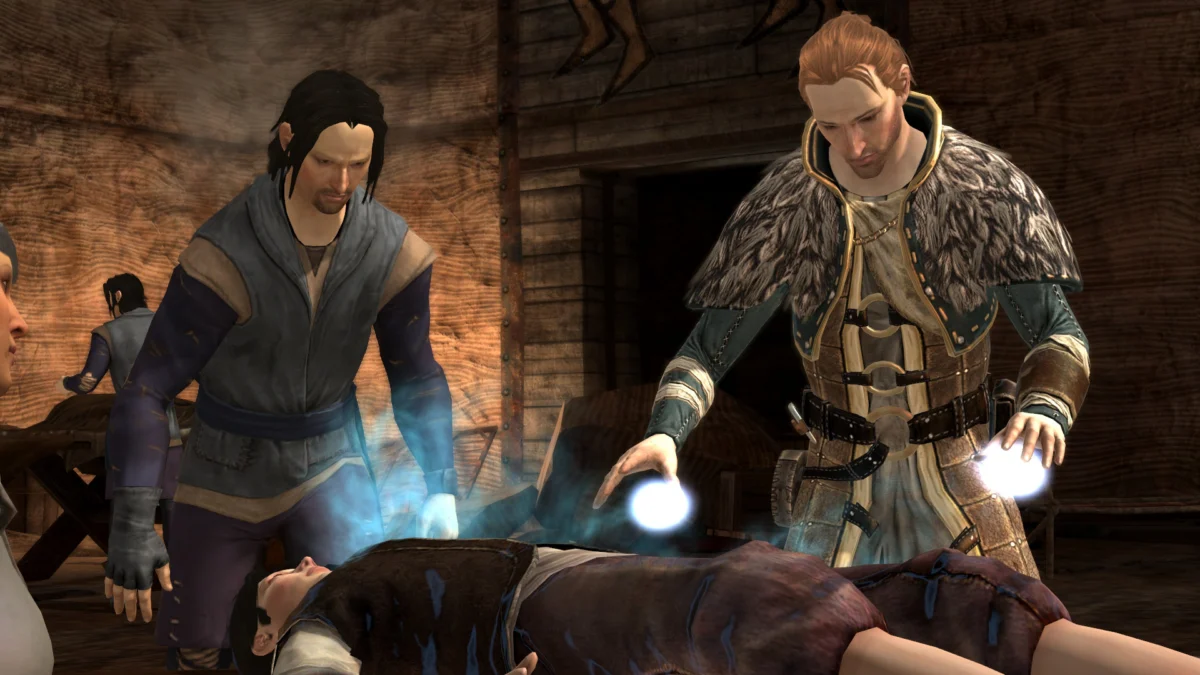
In the pantheon of BioWare’s storied history, Dragon Age II occupies a singular, enigmatic space. It is neither a masterclass of refined RPG mechanics like its predecessor, Dragon Age: Origins, nor is it a cautionary tale of misguided ambition like Anthem. Instead, it stands as a fascinating, jagged, and profoundly human artifact of a development cycle defined by impossible constraints.
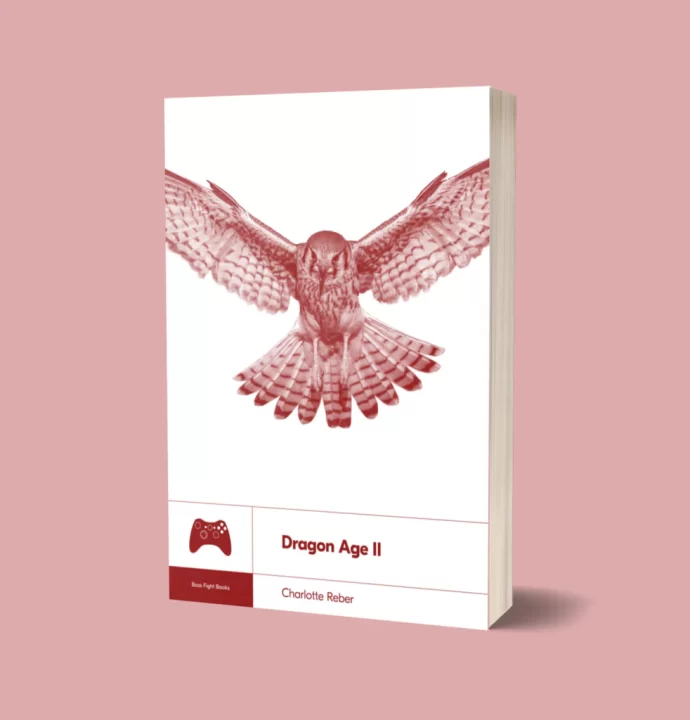
A new, essential monograph from Boss Fight Books—written by Charlotte Reber—seeks to deconstruct this "oddity." Through a blend of industry analysis, personal reflection, and deep-dive journalism, Reber explores how a game built under the crushing weight of a one-year deadline became, against all odds, a cult classic that continues to challenge our understanding of what a AAA sequel should be.
The Foundation of a "Favorite, Not Best"
The genesis of Dragon Age II was governed by three pillars: a strict deadline, a specific narrative mode, and a confined setting. As Reber expertly illustrates, these were not merely creative choices; they were survival mechanisms. Tasked with producing a sequel to one of the most respected titles in the genre in just over a year, the BioWare team had to abandon the sprawling, world-saving scope of Origins in favor of something more intimate, contained, and—consequently—more experimental.
The resulting game is a paradox. Players often find themselves oscillating between moments of brilliant, razor-sharp dialogue that rivals any in the AAA space, and repetitive, uninspired combat encounters set in reused, generic environments. Reber argues that this tension is precisely why the game remains so compelling. It is a work of high art trapped within the rigid, often suffocating, walls of corporate fiscal demands.
Chronology of a Creative Binge: Inside the "Writers’ Pit"
To understand the game’s unique soul, one must look at the "Writers’ Pit"—a secluded, high-energy environment where the narrative team, led by David Gaider and supported by Sheryl Chee, Jennifer Hepler, Mary Kirby, and Lukas Kristjanson, operated.

The Estrogen Brigade
Remarkably, this core group of BioWare veterans—often affectionately dubbed the "Estrogen Brigade"—was granted a rare privilege in the AAA industry: the ability to "get cooking" before other departments. Because the narrative had to be finalized early to accommodate the rapid development schedule, the writers became the architects of the experience rather than merely filling in the gaps of a pre-built world.
The Mechanics of Storytelling
Reber delves into the technical minutiae that defined this era. The team utilized massive, sprawling "talk tables"—spreadsheets containing tens of thousands of rows of dialogue, each tied to intricate triggering criteria. This was not just writing; it was database management on a massive scale. The constraints were physical as well as digital: word budgets, the necessity of cinematic integration, and the decision to limit the player-character, Hawke, to a human race, were all direct results of the time-crunched production pipeline.
Supporting Data: The Cost of Compromise
In the world of game development, writing is often viewed as the least expensive asset. However, as Reber notes, when an RPG’s core appeal is its narrative, the "expense" of writing becomes a bottleneck for other departments.
The book highlights the painful reality of the "cutting room floor." Lead designer Mike Laidlaw and his team were forced to pivot away from a more complex, branching finale, opting instead for a more streamlined, "big bad" climax to appease the gameplay and technical teams. This anecdote is emblematic of the friction between creative vision and the logistical realities of a studio under pressure from an entity like EA. Reber navigates these compromises with a balanced hand, acknowledging the harsh influence of corporate fiscal demands without letting them excuse the resulting technical flaws of the game.
Official Responses and the Public Reckoning
The reception to Dragon Age II was, at the time, volatile. The final chapters of Reber’s book take a sobering look at the release and the subsequent toxicity that flooded online spaces. The game became a lightning rod for an early, virulent form of "culture war" rhetoric, with developers—particularly Jennifer Hepler—becoming the targets of illogical and hateful harassment.
The Litany of Criticism
The criticism was a complex, often contradictory mix:
- Mechanical Dumbing-Down: Hardcore CRPG fans lamented the shift away from the tactical depth of Origins.
- Romantic Representation: The inclusion of bisexual romance options drew the ire of both homophobic detractors and queer players, who were polarized by the game’s handling of representation.
- Personalized Harassment: The vitriol directed at writers was, in many cases, entirely divorced from the game’s quality, reflecting an ugly trend of scapegoating individuals for systemic industry issues.
Reber does not shy away from these dark chapters. By contextualizing the online vitriol within the broader, pre-GamerGate landscape, she provides a necessary historical record of how fan communities can turn toxic when their expectations of a "sequel" are subverted by creative evolution.
Implications: The Legacy of a Cult Classic
So, why do we return to Dragon Age II? As Reber posits, it is because the game possesses an "undeniably big heart." It is a title that refused to play it safe, even when the environment demanded nothing but caution.
The Evolution of the Fanbase
Time has been kind to the title. It has shifted from a misunderstood failure to "The Cool One to Like." Reber’s analysis suggests that this shift is not accidental. The game’s focus on the protagonist’s family, the political evolution of the city of Kirkwall, and the deeply personal nature of its companion arcs established a template for character-driven RPGs that many subsequent titles have sought to emulate.
The Future of BioWare
The book concludes on a note that is both melancholy and hopeful. It touches upon the mass exodus of the veteran talent that defined the studio’s golden age, noting the transition as Dragon Age: The Veilguard nears release. Yet, the message remains clear: the legacy of these worlds is not solely tied to the studio’s corporate identity, but to the passion of the fans who have kept the discussion, the criticism, and the appreciation alive for over a decade.
Conclusion: A Blueprint for Preservation
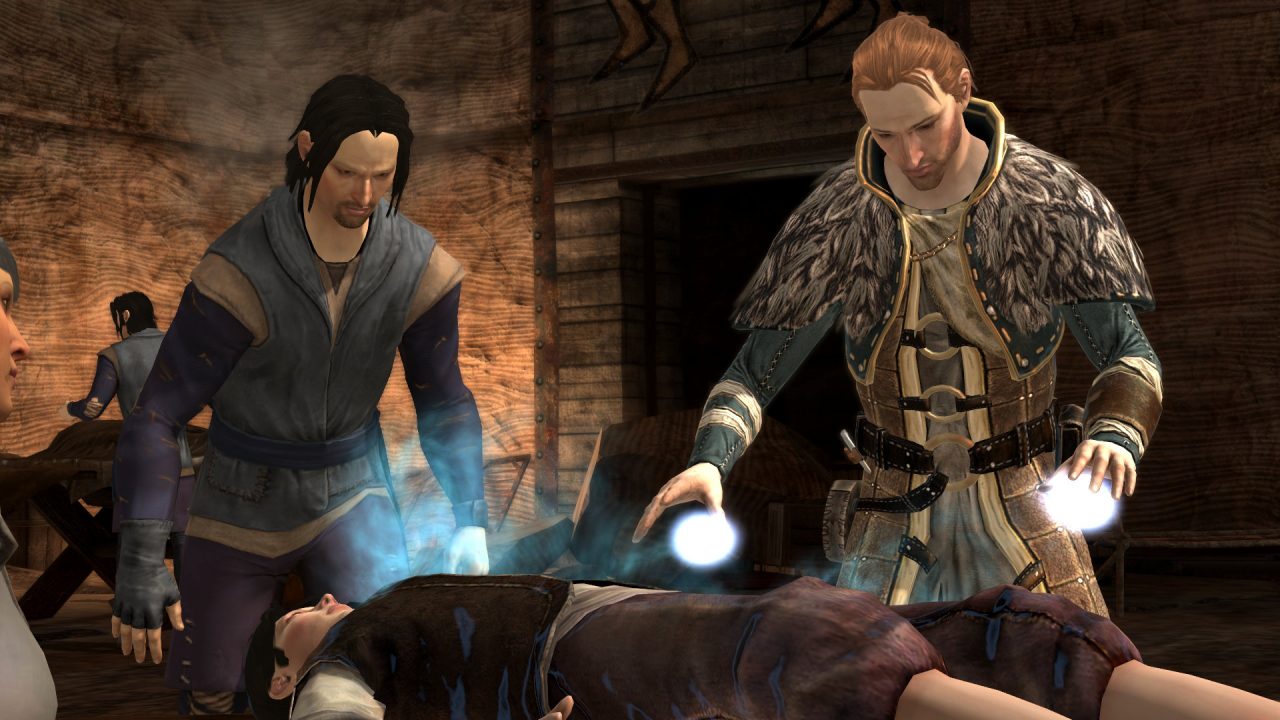
Charlotte Reber’s Dragon Age II is more than just a retrospective; it is a masterclass in game criticism. It functions as a blueprint for how we should preserve the histories of interactive media. By intertwining the "why" of the creative process with the "how" of development and the "what" of public reception, Reber provides a comprehensive look at one of the industry’s most polarizing products.
Whether you are a longtime devotee of the franchise or a newcomer curious about the intersection of corporate pressure and artistic expression, this book is essential reading. It captures the frantic, manic, and ultimately brilliant energy of a group of writers who, with their backs against the wall, managed to create something that would outlast the very studio pressures that threatened to bury it.
Dragon Age II (the book) is currently available through Boss Fight Books.
Disclaimer: This article is based on a complimentary copy of the book provided to the publication by the publisher. This relationship did not influence the editorial perspective, and no compensation was provided for this coverage. For more information, please consult our official ethics and policies documentation.











No comments yet. Be the first to join the conversation!