Lina Hope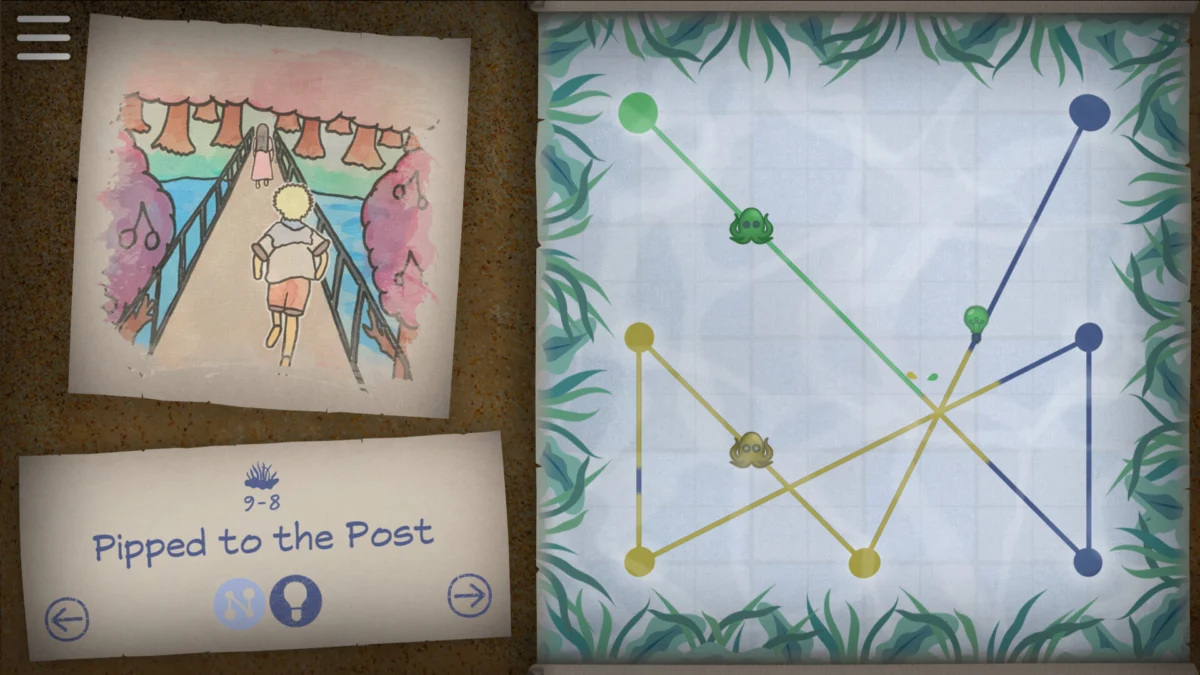
The landscape of modern puzzle gaming is often divided between high-octane, reflex-heavy titles and minimalist, meditative experiences. Rarely does a game manage to bridge the gap between "cozy" relaxation and mechanical depth. However, Ink Strings, an upcoming title currently in development, appears poised to disrupt this dichotomy. By evolving the classic "connect-the-dots" format into a multifaceted logic challenge, Ink Strings offers an experience that is as intellectually stimulating as it is aesthetically soothing.
The Evolution of a Classic: Main Facts
At its core, Ink Strings is a puzzle game built upon the fundamental premise of connecting points within a grid. On the surface, the gameplay loop appears deceptively simple: players draw lines to link dots, aiming to clear the board. Yet, this simplicity is merely a veneer.
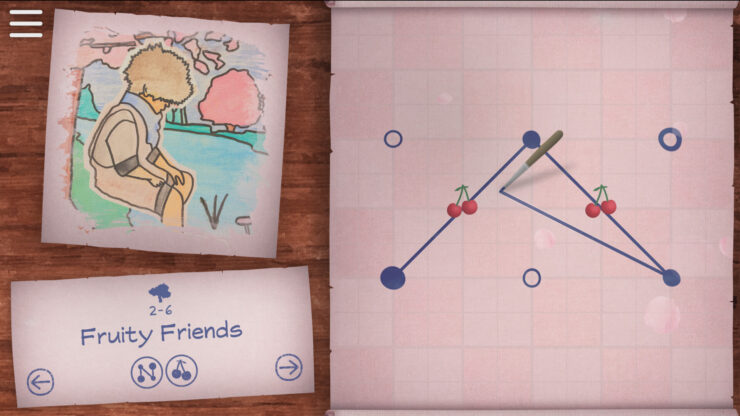
The game’s depth emerges through the introduction of complex environmental modifiers that transform a straightforward task into a rigorous exercise in spatial reasoning. For example, players encounter cherries attached to stems, requiring precise line-crossings that correspond to the number of fruits present. Furthermore, the game introduces physical interactions, such as guiding pencils off of established lines to reach designated sharpeners. These mechanics elevate the game from a rote pattern-matching exercise to a nuanced logic puzzle where every stroke carries consequences.
The visual design complements this mechanical complexity. The game utilizes a subtle grid-based background that serves as both a structural anchor and a navigational aid. This design choice provides players with intuitive visual cues, predicting the trajectory of potential lines and adding a layer of polish that makes the player’s progression feel deliberate and intentional.
A Journey Through the Ink: Chronology of Development
The trajectory of Ink Strings has been marked by a focus on iterative design and player feedback. While the game is currently in its development phase, the team has been proactive in engaging with the community to refine the mechanics.
The recent presentation of Ink Strings at DreamHack served as a critical milestone. During the event, attendees were given the opportunity to experience the game’s various chapters, allowing developers to observe how players engaged with different difficulty curves. Unlike many demos that offer a linear path, the DreamHack build allowed for a non-linear exploration of puzzles, highlighting the game’s versatility.
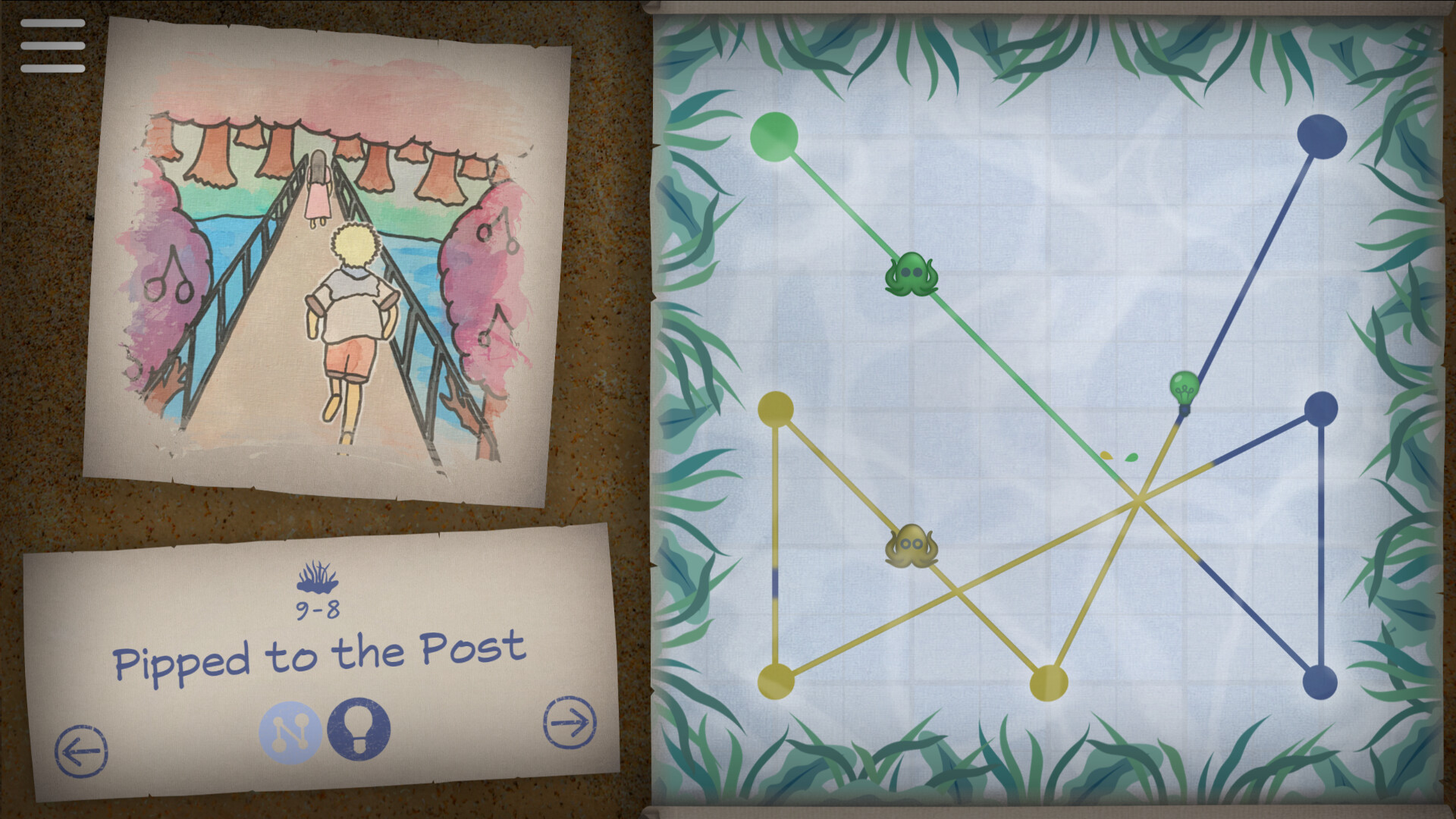
Observations from the event confirmed that the game’s difficulty scales organically. While early levels focus on basic connectivity, later stages introduce chromatic mechanics—where lines change properties based on the color blobs they traverse—ensuring that the challenge remains consistent even as the player masters the foundational systems. This progression suggests a carefully considered roadmap, moving from introductory tutorials to complex, multi-layered puzzles that demand foresight.
Beneath the Surface: Supporting Data and Mechanics
The brilliance of Ink Strings lies in its "cozy-yet-challenging" philosophy. Many puzzle games struggle to maintain tension without resorting to time limits or high-pressure environments. Ink Strings achieves this through a synthesis of hand-painted artistry and mechanical variety.
Artistic Integration
The game is punctuated by a series of hand-painted illustrations that weave a subtle narrative through the experience. These aren’t merely decorative; they serve to contextualize the puzzles, grounding the abstract act of drawing lines in a more cohesive, story-driven world. Between chapters, players are presented with a mysterious hand-painted map—a feature that not only provides a sense of scale but also bolsters the game’s atmospheric quality.
Mechanical Variety
The variety in the game’s mechanics is perhaps its most compelling feature. The shift from static dot-connecting to dynamic interactions—such as the pencil-sharpening mechanic—demonstrates the developer’s intent to keep the gameplay fresh. The color-blob system, introduced in later stages, adds a layer of depth that forces players to rethink their approach to established strategies. This ensures that the game does not fall into the trap of repetitive "busy work," instead demanding that the player remains mentally agile throughout the entire experience.
The Developer’s Vision: Official Perspectives
While the game remains in the alpha phase, the response from early testers and those who experienced it at DreamHack has been overwhelmingly positive. The developers have emphasized that Ink Strings is designed to be a "slow" experience—a game that prioritizes the player’s mental state as much as their success in solving a level.
By focusing on the "cozy" aesthetic—a movement that has gained significant traction in the indie scene over the past several years—the creators are positioning Ink Strings as a title that provides a respite from the intensity of the current market. The inclusion of an original, atmospheric soundtrack and a consistent, warm color palette further underscores this intent. The game is not designed to frustrate; it is designed to engage, reward, and provide a sense of satisfaction that is rarely found in traditional, high-stakes puzzle titles.
Implications for the Puzzle Genre
The success of Ink Strings—or at least its positive reception during its development cycle—signals a broader trend in the indie gaming market. There is a clear, sustained demand for games that prioritize accessibility and charm without sacrificing mechanical complexity.
The implications for the industry are twofold:
- The Resurgence of the "Cozy Puzzler": Ink Strings demonstrates that "cozy" does not have to mean "easy." By blending logic-based challenges with a relaxing atmosphere, the game proves that developers can appeal to both casual players looking for a quiet moment and hardcore puzzle enthusiasts seeking a genuine brain-teaser.
- The Importance of Intuitive UI/UX: The decision to integrate the grid-like background as both a gameplay mechanic and a visual hint is a masterclass in UI/UX design. It reduces the "friction" often associated with puzzle games, where players might feel overwhelmed by a lack of direction. By subtly guiding the player, Ink Strings maintains its challenge while preventing the common pitfall of player abandonment.
Conclusion: Looking Ahead
As Ink Strings moves toward its final release, the anticipation within the indie community is palpable. Its ability to balance complex, multi-step puzzles with a serene, hand-painted aesthetic sets it apart in a crowded market. Whether it is the satisfying click of a pencil hitting a sharpener or the visual progression of a completed, intricate web of lines, the game offers a tactile, rewarding experience that feels both fresh and timeless.
For those interested in following the game’s development or securing their copy, the developers have encouraged players to add the title to their Steam Wishlist. As it stands, Ink Strings is not just a game about connecting dots; it is a game about connecting mechanics, art, and emotion—a combination that makes it one of the most promising upcoming projects in the indie puzzle space.
About the Author
This article was prepared by Jupiter Hadley, a veteran indie game journalist and advocate for the independent development scene. With a career spanning contributions to Metro UK, Big Boss Battle, and AlphaBetaGamer, Hadley has dedicated her career to highlighting the creativity of small-team developers. As the curator of indiegamejams.com and a frequent judge at industry events, she remains at the forefront of the trends defining the future of independent gaming.


 Ammar Sabilarrohman
 Siti Muinah