In an alarming development for global network security, researchers at the cybersecurity firm VulnCheck have uncovered a sophisticated, multi-layered series of backdoors embedded directly into the firmware of routers manufactured by Shenzhen Zhibotong Electronics, widely known as ZBT. These findings represent a significant departure from standard security vulnerabilities; rather than simple coding errors, these are intentional implants designed to provide persistent, unauthorized remote access to networking hardware used by consumers and businesses worldwide.
The discovery has sent shockwaves through the cybersecurity community, not only due to the technical severity of the backdoors—which have been assigned a critical CVSS score of 9.3—but because of the sheer ubiquity of the hardware involved. ZBT is a massive Original Design Manufacturer (ODM) that produces white-labeled hardware for a vast ecosystem of brands. Consequently, thousands of users may be operating compromised hardware without ever having heard the name "ZBT."
The Anatomy of the Implants: ENDLESSDOORS, DARKLANTERN, and SPEAKINGSTONE
VulnCheck’s investigation initially centered on the Zbtlink AX3000, where they identified a particularly intrusive implant dubbed ENDLESSDOORS. This mechanism functions as an embedded remote-control system that initiates automatically at boot. To evade detection by casual administrators, it disguises itself as a legitimate Linux kernel process named kworker.
The implant operates by periodically "phoning home" to a hard-coded command-and-control (C2) server. Critically, the system lacks any form of meaningful authentication or encryption. Once connected, the router accepts arbitrary commands from the server, executing them with root-level privileges. An attacker capable of intercepting this connection—or impersonating the C2 server—effectively gains total dominion over the device.
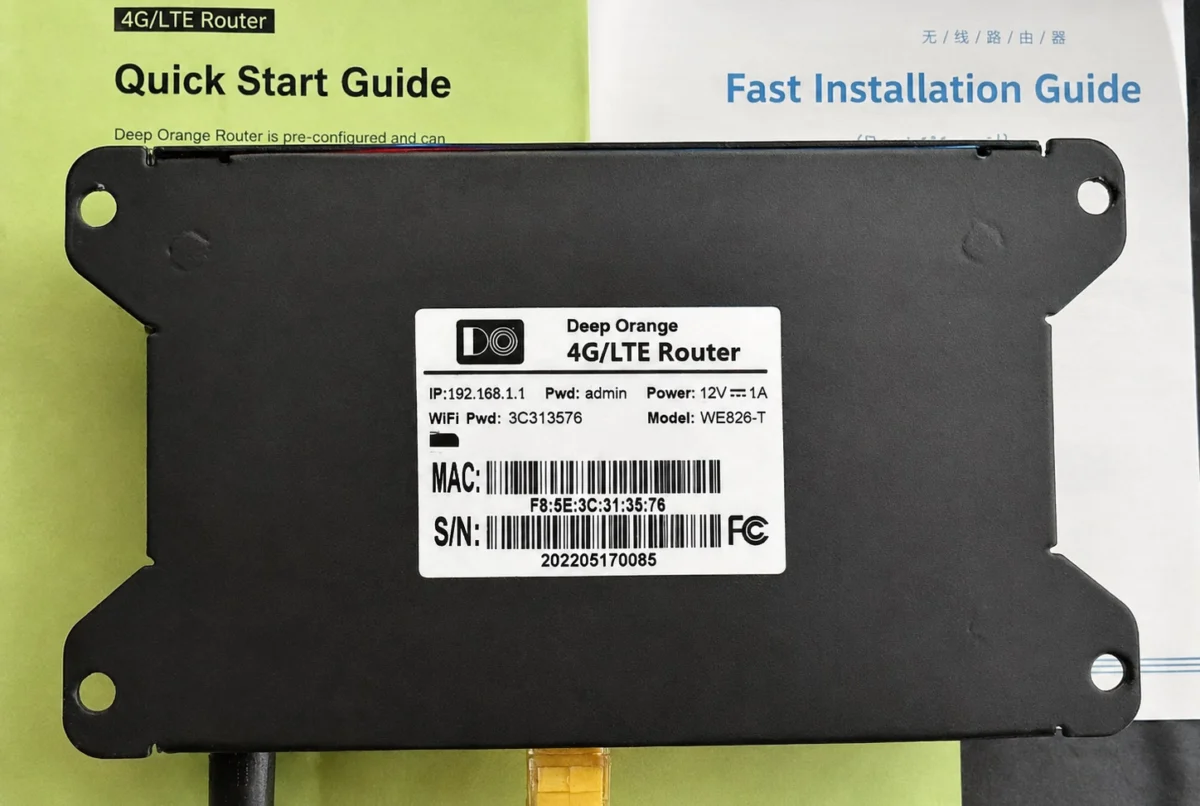
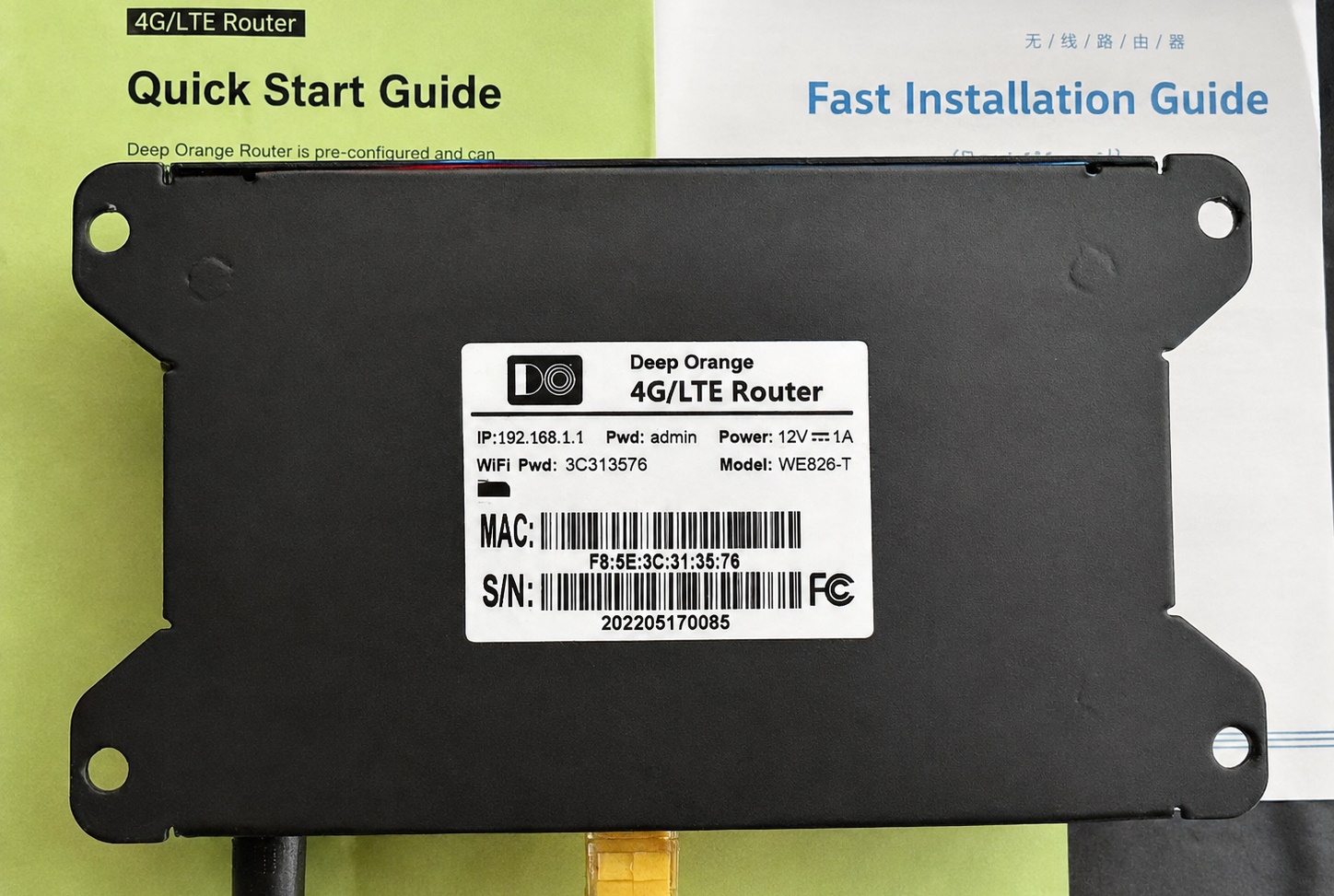
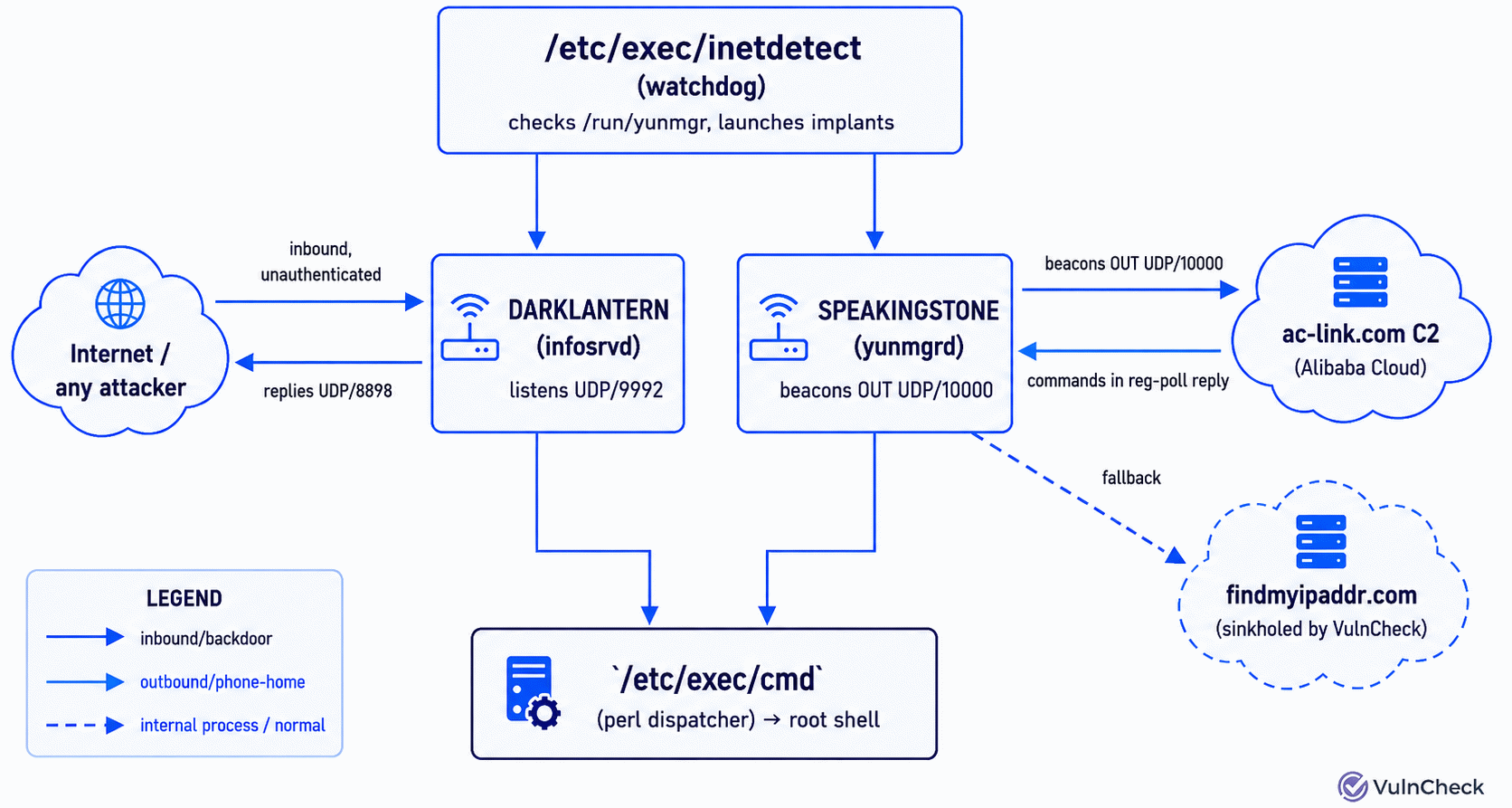
Beyond the AX3000, further investigation into an $88 "Deep Orange" cellular router purchased from a U.S. Amazon storefront revealed two additional, equally dangerous implants: DARKLANTERN and SPEAKINGSTONE.
- DARKLANTERN operates via the
infosrvdservice. It opens a UDP listener on the WAN port and accepts commands without requiring authentication. It relies on a laughably weak security layer—a hardcoded checksum salt ("mqonu.com")—that can be bypassed instantly. By sending a simple 19-byte packet, an attacker can extract sensitive device metadata or, by exploiting the lack of MAC address filtering, execute root-level commands. - SPEAKINGSTONE represents the most advanced threat of the trio. Running as the
yunmgrdservice, it utilizes a custom protocol to push comprehensive device fingerprints to ZBT infrastructure. Because it beacons outbound, it can bypass firewalls and NAT, making it a persistent surveillance tool. It allows operators to steal PPPoE credentials, perform DNS hijacking, and establish reverse SSH tunnels.
Chronology of the Discovery
The discovery process began with a deep-dive analysis into the Zbtlink AX3000 firmware, where the first signs of the ENDLESSDOORS implant were detected. By June 2024, the VulnCheck team had verified that this wasn’t an isolated anomaly but a systemic feature across approximately 20 ZBT models, including the Z8102AX, WG3526, and WE826-T3-DSIM.
Following the initial identification, the research team expanded its scope to analyze the broader ZBT supply chain. In August 2024, they purchased a generic cellular router from Amazon. Despite the device bearing the branding of a secondary company, the underlying firmware was clearly a ZBT derivative. By mid-August, the researchers had isolated the DARKLANTERN and SPEAKINGSTONE implants.
The investigation reached a critical juncture on August 21, 2024, when researchers registered an unregistered backup domain used by the SPEAKINGSTONE malware. By setting up a sinkhole to mimic the C2 infrastructure, they observed nearly 400 unique devices attempting to "phone home." The geographic concentration of these devices—primarily within China and largely tied to the China Mobile network—provided strong evidence that this hardware is being leveraged as a state-adjacent surveillance tool.
Supporting Data and Technical Implications
The scale of the exposure is staggering. VulnCheck’s global scans identified over 200 instances of DARKLANTERN-infected devices across 22 countries. While the primary concentration of infected hardware appears to be in China, the presence of these routers in Western markets through Amazon and various OEM channels suggests a global reach.
The "White Label" Problem
The most difficult hurdle for consumers is identifying whether their hardware is affected. Because ZBT acts as an ODM, they manufacture hardware that is rebranded by companies such as:
- Lippert Components
- Wave WiFi
- MoFI Network
- Digineo
- OneX
- KuWFi (and many others)
For a user who purchased a router from a reputable-looking brand in the US or Europe, the prospect that the device contains a "factory-installed" backdoor is a nightmare scenario. The research highlights that these are not bugs; they are features. While the manufacturer has historically dismissed these tools as "after-sales technical support mechanisms," the lack of security, authentication, or user consent renders that defense moot.
Official Responses and Manufacturer Stance
To date, ZBT has remained largely silent regarding the specific security flaws identified by VulnCheck. However, in past communications regarding these mechanisms, the company has framed them as diagnostic tools intended to help remote support teams troubleshoot connectivity issues for end-users.
Security experts argue that this justification is fundamentally flawed. In the world of information security, a tool that provides root access without authentication is, by definition, a vulnerability—not a feature. By failing to implement basic security standards like encrypted communication or robust authentication, ZBT has effectively provided a roadmap for malicious actors to compromise their user base.
The Broader Implications for Network Security
The ZBT incident highlights a growing, systemic crisis in the Internet of Things (IoT) and networking hardware industries. As consumers increasingly prioritize low-cost connectivity for travel routers, RV setups, and cellular backup, they often inadvertently opt for hardware built on "black box" firmware.
1. The Death of Trust in Supply Chains
When hardware manufacturers embed undocumented remote-access protocols, the entire concept of the "Trusted Platform" evaporates. Users are no longer the owners of their networks; they are merely tenants of a system that can be accessed by the manufacturer or anyone who manages to hijack the manufacturer’s infrastructure.
2. The Persistence of Firmware Malware
Unlike software-based malware, which can be removed with a clean operating system install, firmware-based implants live at the lowest level of the hardware. For most users, these routers are effectively "bricked" from a security perspective. There is no patch, no configuration change, and no firewall rule that can reliably sanitize a device where the manufacturer has explicitly coded a backdoor into the BIOS/firmware layer.
3. Regulatory and Geopolitical Concerns
The discovery that a vast majority of the "beaconing" devices were on Chinese networks suggests that these routers are being used as part of a domestic surveillance apparatus. This raises significant concerns regarding the export of such technology to the rest of the world. As governments begin to take a harder line on "untrusted" hardware, the ZBT case provides a compelling argument for increased scrutiny of ODM/OEM supply chains in the telecommunications sector.
Recommendations for Users
For owners of ZBT hardware, or devices manufactured by the obscure OEMs mentioned, the advice from the security community is stark: replace the hardware immediately.
- Do not rely on factory resets: Because the backdoor is embedded in the firmware image itself, a factory reset will simply restore the malicious code.
- Check your hardware: If you are using a generic, budget-friendly cellular or travel router, look for clues about the device’s true manufacturer. If the web interface looks identical to a ZBT-style interface, or if your device appears on the lists published by VulnCheck, assume it is compromised.
- Segment your network: If you absolutely must continue using suspected hardware, isolate it on a separate VLAN, ensuring it has no access to your primary home or office machines. However, understand that this is a temporary mitigation, not a solution.
- Prioritize known manufacturers: Move toward hardware that supports open-source firmware like OpenWrt or pfSense, where the code is transparent and the community can audit it for malicious implants.
The ZBT backdoor scandal serves as a grim reminder that in the modern digital age, the most dangerous vulnerability may not be the one you accidentally introduce, but the one that came in the box. As the industry moves forward, transparency in firmware development and supply chain accountability will be the only way to restore the broken trust between manufacturers and the global user base.