Nana
Nana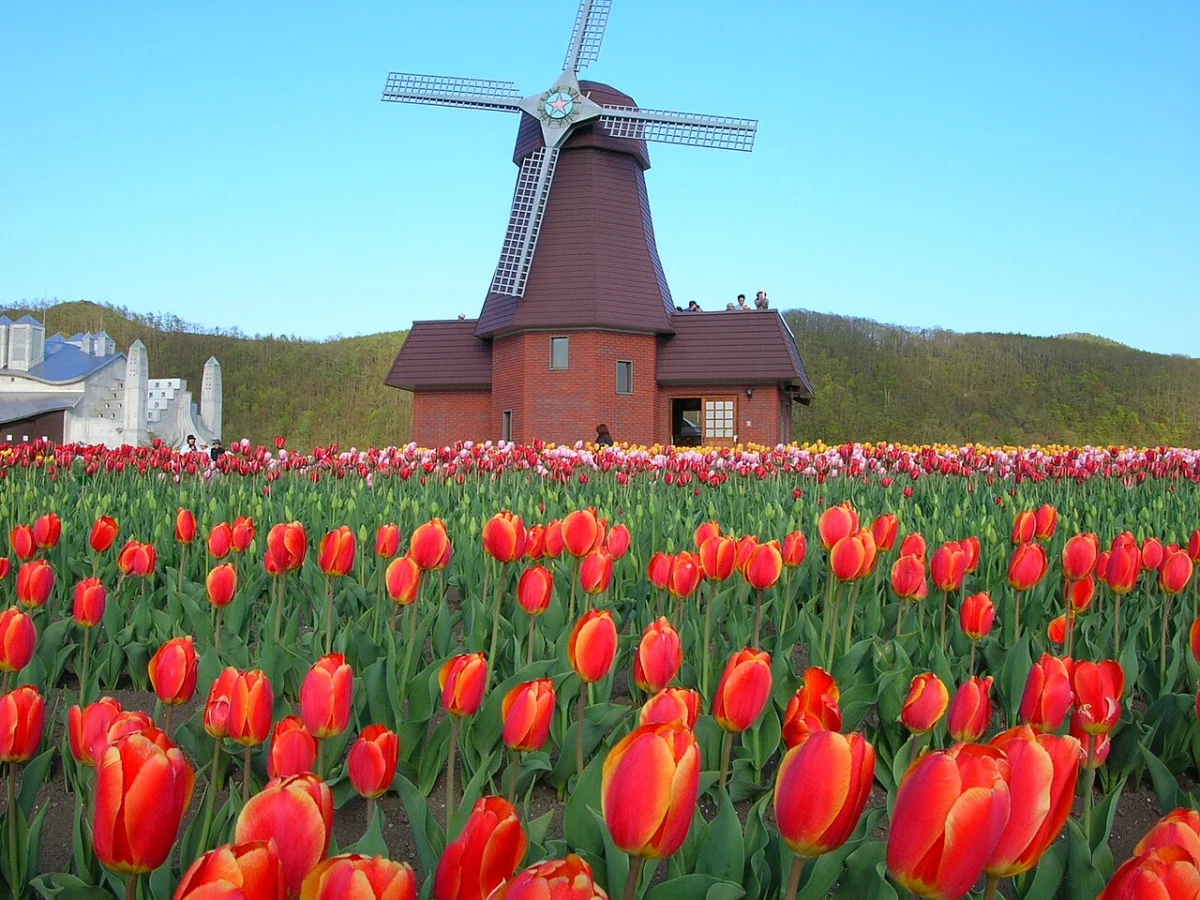
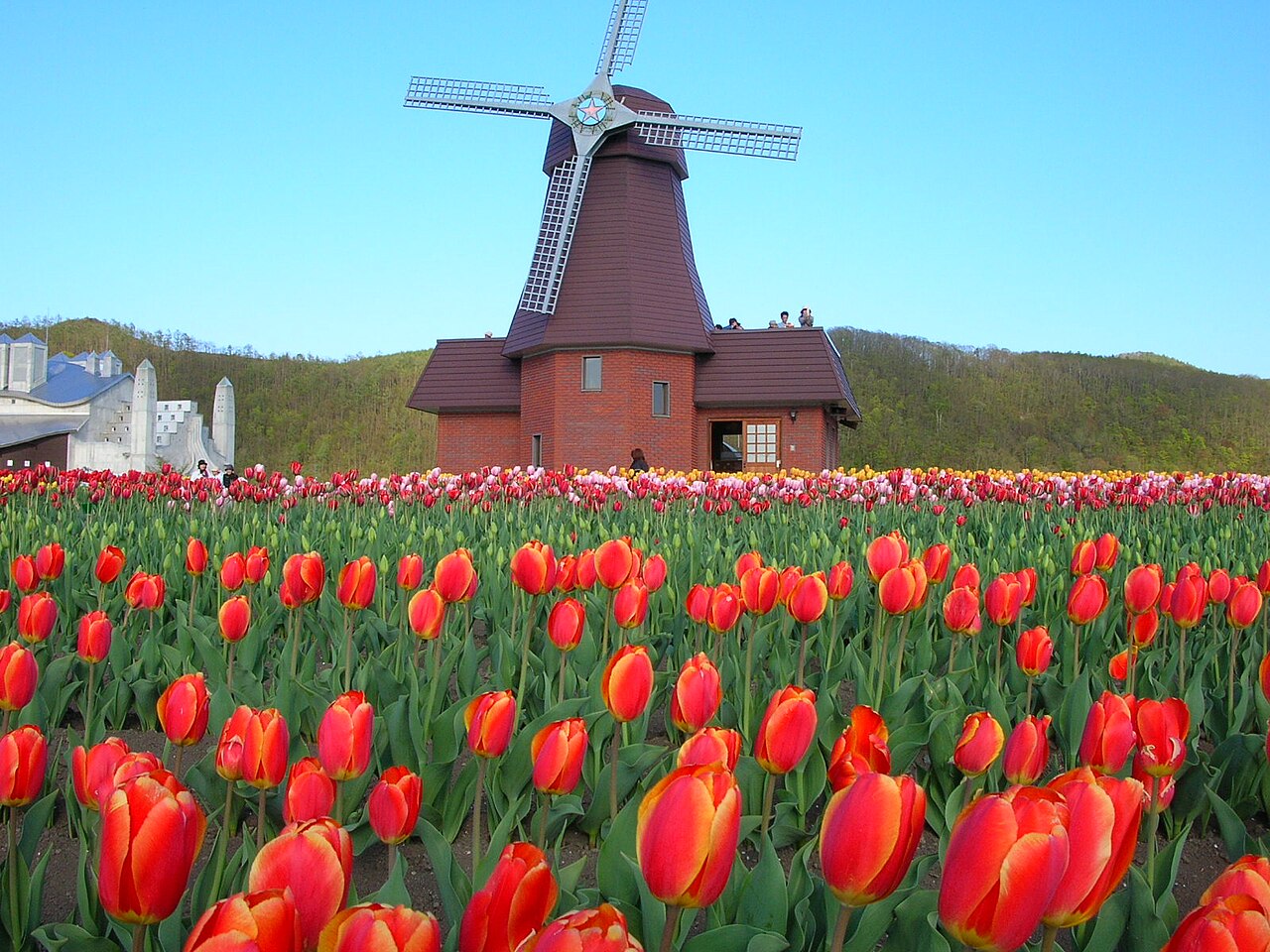
In the serene, agricultural heartland of north-central Hokkaido, a transformation occurs every spring that feels less like a seasonal shift and more like an Impressionist painting brought to life. The Kamiyubetsu Tulip Park, spanning 12.5 hectares on the outskirts of Yubetsu, stands as one of Japan’s most significant horticultural displays. With 700,000 individual tulip plants—comprising over 200 distinct varieties—it serves as a vibrant, living monument to post-war recovery, agricultural innovation, and the enduring connection between the Okhotsk region and the Netherlands.
Main Facts: The Scale of the Display
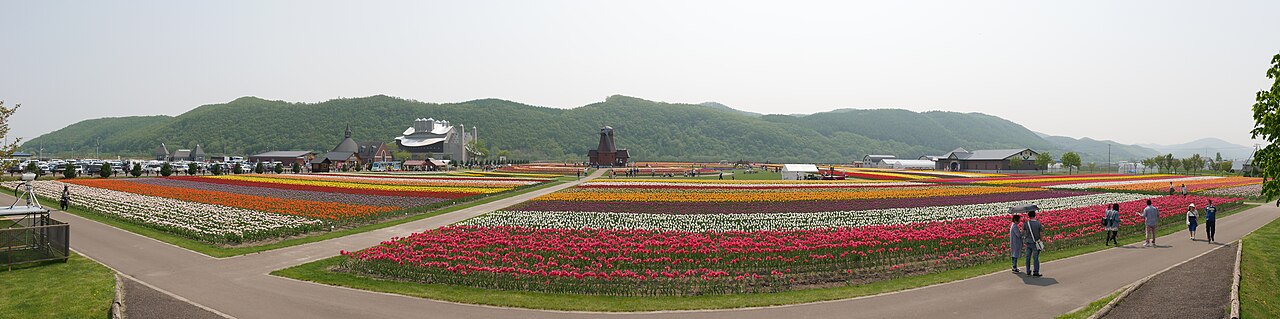
The Kamiyubetsu Tulip Park is more than just a garden; it is a meticulously engineered landscape. Seven hectares are dedicated entirely to cultivated flower beds, laid out in vibrant, geometric ribbons that traverse a gentle, east-facing slope.
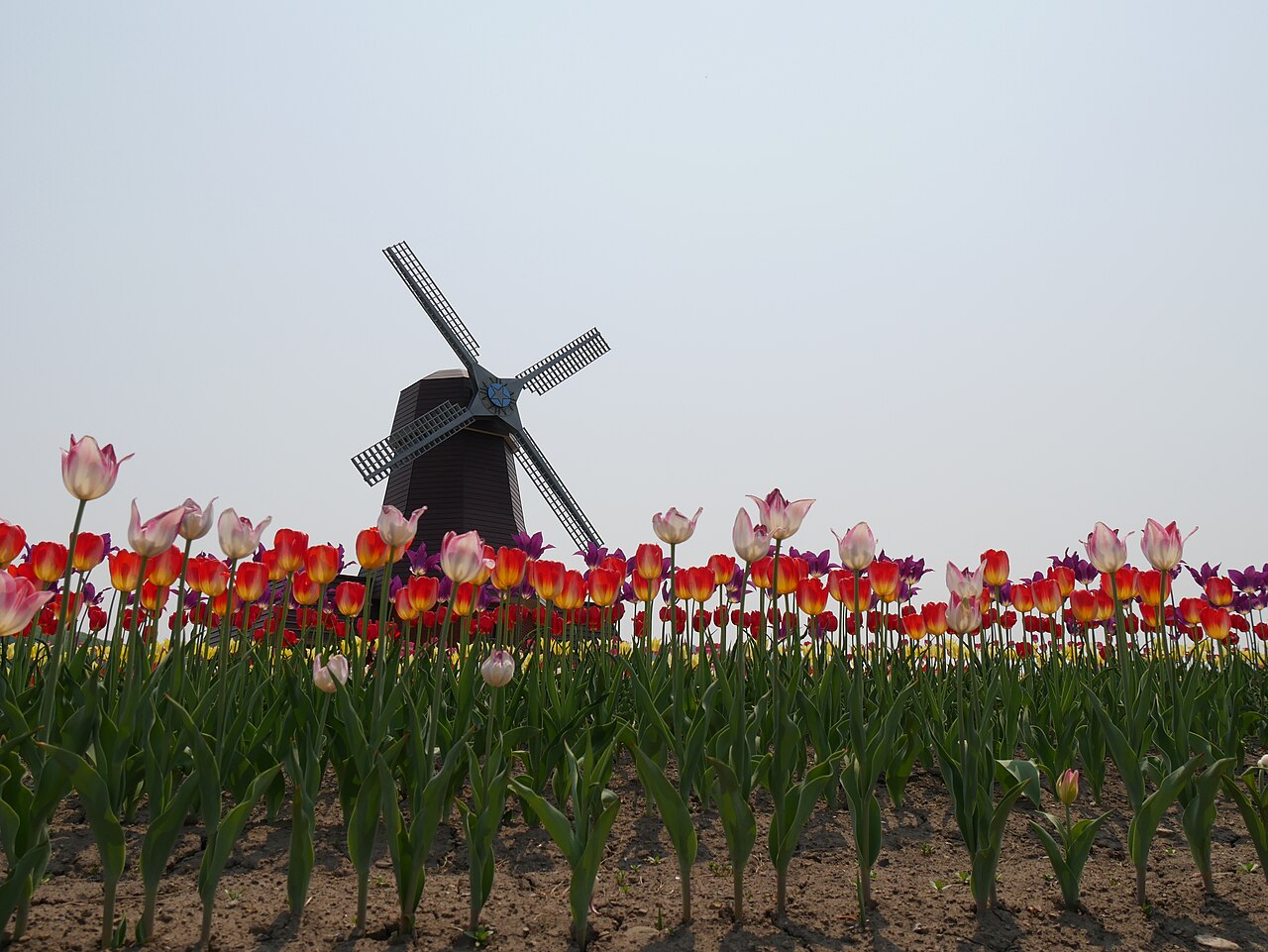
The park is defined by its scale and its commitment to botanical diversity. Unlike standard public gardens that rely on mass-produced bulbs, Kamiyubetsu features rare Dutch cultivars imported specifically for the site. The color palette of the park is refreshed annually by a head gardener, following a three-year rotational design cycle that ensures a unique visual experience for returning visitors. For those seeking the perfect perspective, the park’s five-storey windmill observation deck provides an elevated vantage point, allowing the geometric precision of the color bands to resolve into a singular, cohesive masterpiece.
Chronology: From Post-War Recovery to Tourism Icon
The history of the park is inextricably linked to the economic pivot of rural Hokkaido in the 1950s. Following the hardships of the Second World War, the local JA (Japan Agricultural) cooperative sought to diversify the region’s economy, which was then almost exclusively dependent on potato and sugar-beet cultivation.
- 1950s: The experimental importation of Dutch tulip bulbs began. Farmers were trained in the delicate art of bulb cultivation as a supplementary income source.
- 1957: The town held its inaugural public tulip festival, marking the first time the local community showcased their agricultural transition to the public.
- 1989: Recognizing the tourism potential of the floral display, the town of Yubetsu established the current dedicated park site, elevating it from a local farming initiative to a full-fledged tourism asset.
- Modern Era: The park is now managed by the Yubetsu municipal tourism board, consistently attracting approximately 100,000 visitors during the month-long May festival.
Supporting Data: Botanical and Operational Logistics
The brilliance of the Kamiyubetsu display lies in the staggered blooming schedule, which is managed with scientific precision. By coordinating planting depths and variety selection, the park’s curators ensure that the "bloom wave" moves across the field throughout the month of May.
The Five Groups of Cultivars
The park classifies its 200 varieties into five primary groups, each serving a specific visual role:
- Early Bloomers: Simple, goblet-shaped tulips that provide the initial saturated reds and yellows.
- Triumph Group: A sturdy, versatile group that fills the mid-season gap.
- Darwin Hybrids: Known for their sheer size and vibrant color intensity.
- Parrot Tulips: Highly prized for their fringed, exotic petals and complex textures.
- Lily-Flowered Varieties: These late-blooming flowers bring an elegant, tapered silhouette to the upper terraces of the park.
For visitors interested in the "Dig-Your-Own" experience—usually scheduled for the final week of the festival—the park offers a rare opportunity to purchase live, flowering Dutch cultivars. This initiative is particularly popular among garden enthusiasts who wish to transport a piece of the Hokkaido landscape back to their own gardens, provided they adhere to local phytosanitary regulations.
Official Responses and Strategic Management
The Yubetsu municipal government views the park as a crucial anchor for regional tourism. As the town is located in a relatively remote area of Hokkaido, the park functions as a catalyst for local economic activity.
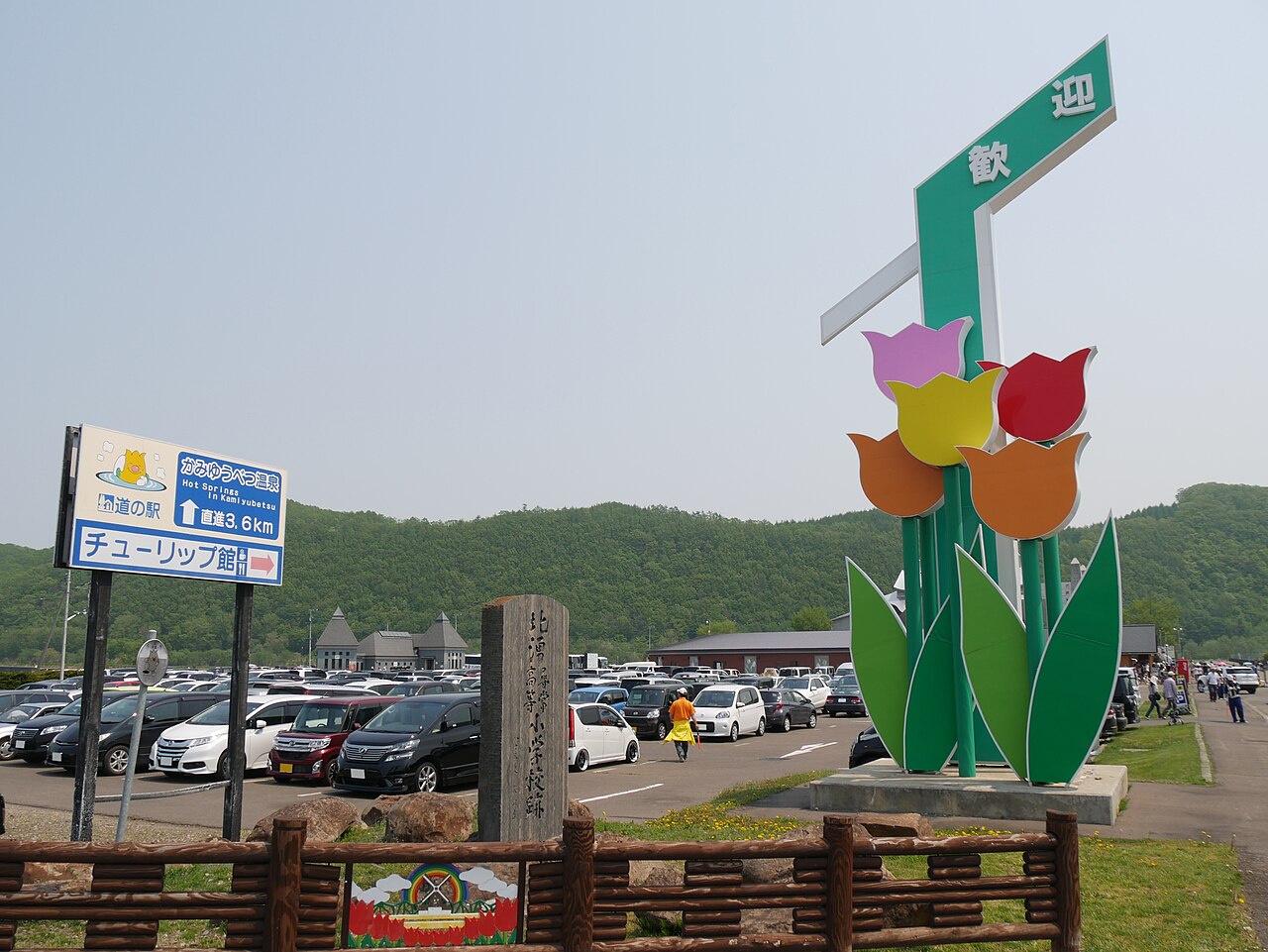
"The park is not merely a seasonal attraction; it is a manifestation of our town’s heritage," says a spokesperson from the Yubetsu Tourism Board. "The investment in the Tulip no Yu onsen—a combined roadside station, market, and hot-spring facility—is a strategic move to ensure that visitors have a comprehensive experience, regardless of whether they are flower enthusiasts or simply travelers seeking a rest stop."
The synergy between the park and the Tulip no Yu facility is intentional. By creating a hub that offers hot springs, local cuisine (such as fresh Okhotsk-sourced seafood and regional farm produce), and retail opportunities, the town encourages longer stays, effectively mitigating the challenges of its remote geography.
Implications for the Eastern Hokkaido Circuit
For the discerning traveler, Kamiyubetsu is a key node in the Eastern Hokkaido "Spring Flower Circuit." It pairs exceptionally well with the Takinoue Shibazakura Park, located just 30 minutes away. While Kamiyubetsu offers the structured, vibrant rows of tulips, Takinoue provides a rolling, carpet-like display of pink moss phlox. The coordination of these two festivals allows visitors to witness two of Japan’s most spectacular spring phenomena in a single weekend.
Logistical Considerations
Despite its beauty, the park’s location demands careful planning:
- Accessibility: The park is a 4–5 hour drive from Sapporo or a 30-minute drive from the Okhotsk-Monbetsu Airport.
- Seasonality: The park exists exclusively during the May festival. For the remaining 11 months of the year, the bulbs remain dormant and the grounds are closed.
- The "Non-Flower" Traveler: The park recognizes that not all visitors are horticulturalists. By integrating family-friendly amenities—such as the "Flower Car" electric tram, pony rides, and a children’s stamp rally—the park ensures it remains a viable destination for families, not just botanical photographers.
Evaluating the "Pilgrimage" Status
Is the park worth the trip? For the general tourist, the answer depends on their commitment to the "Eastern Hokkaido Loop." If a traveler is already planning to explore the drift-ice museums of Abashiri, the oyster farms of Lake Saroma, and the rugged beauty of the Okhotsk coast, then Kamiyubetsu is a must-visit, high-value stop.
However, for the specialist—the photographer, the master gardener, or the bulb collector—the park is a genuine pilgrimage. The ability to observe rare Dutch cultivars in a climate that mirrors the European spring, combined with the lack of crowds on weekday mornings, makes it an unmatched destination.
As Japan continues to promote regional tourism, the Kamiyubetsu Tulip Park stands as a prime example of how a local agricultural community can leverage its historical identity to create a world-class tourism product. It is a place where the precision of Dutch breeding meets the wild, expansive beauty of the Hokkaido plains, creating a fleeting but unforgettable spectacle that defines the very essence of the Japanese spring.
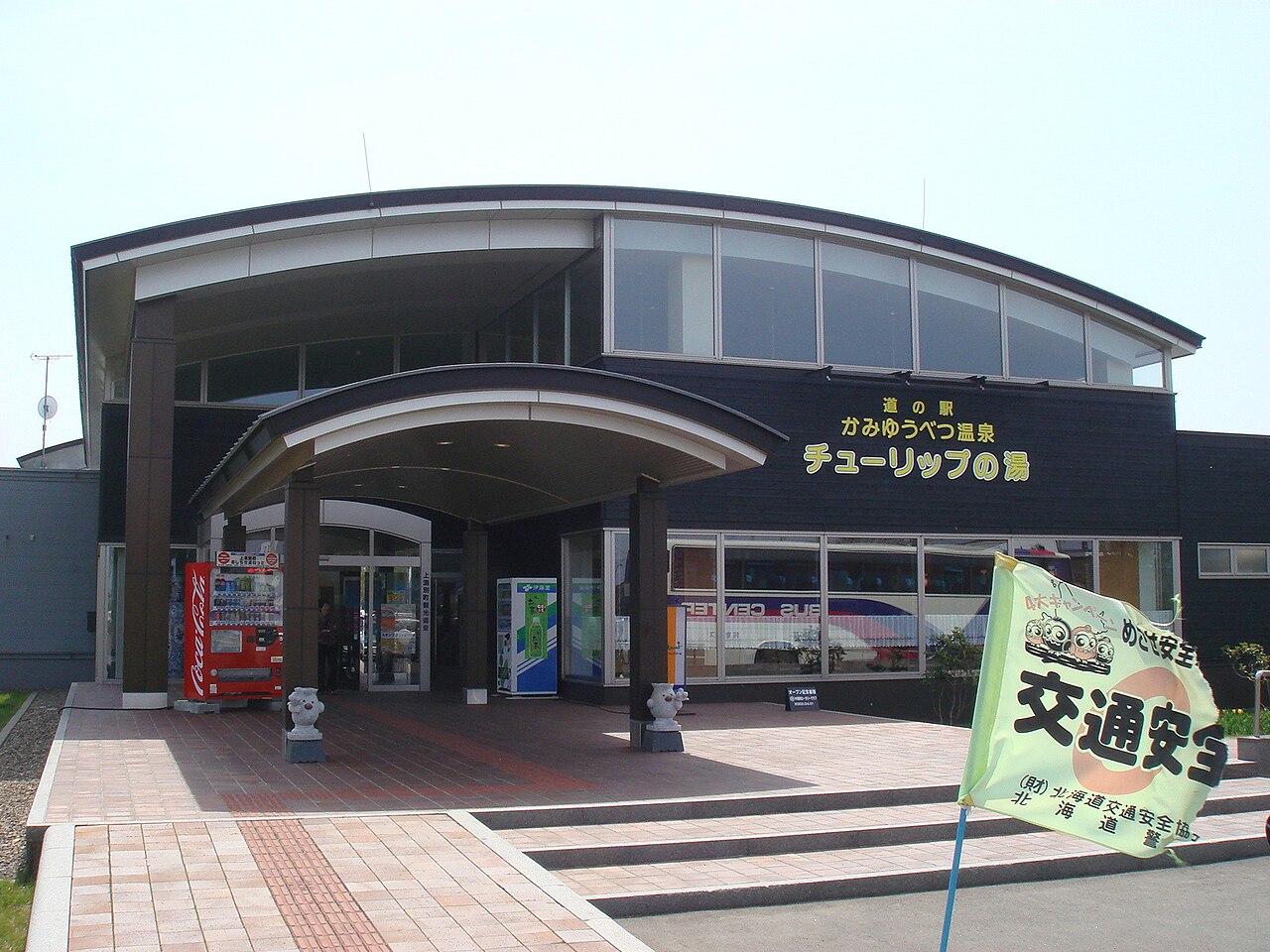
Whether you are there to study the fringed petals of a Parrot tulip or to soak in the alkaline waters of the Tulip no Yu onsen after a long day of travel, the park offers a profound reminder of the beauty that can be cultivated when local industry and natural wonder are allowed to bloom in harmony.


 Neng Nana
 Asro
Asro