Neng Nana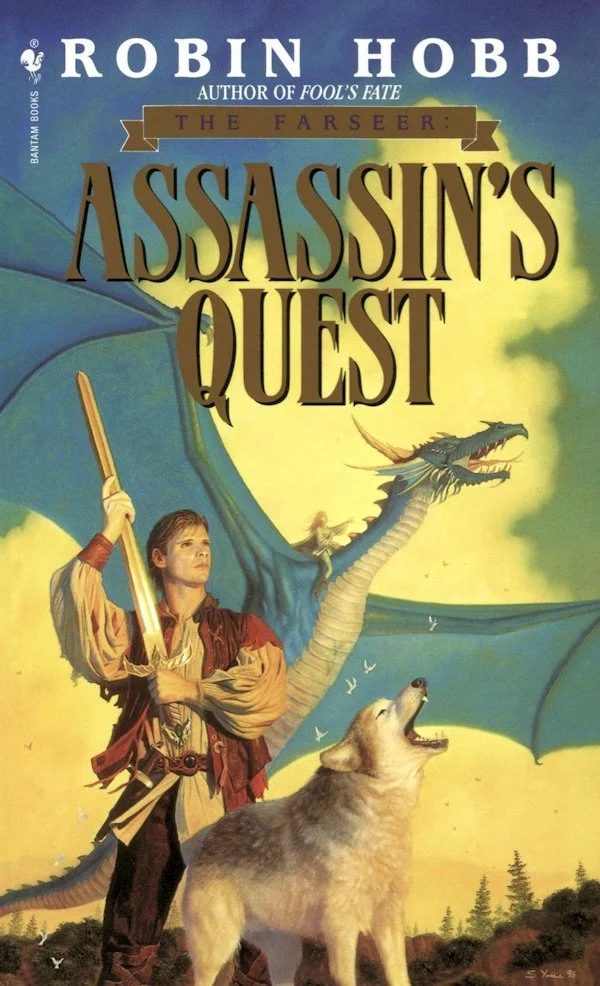
At first glance, the sprawling, melancholic landscapes of Robin Hobb’s The Farseer Trilogy—comprised of Assassin’s Apprentice (1995), Royal Assassin (1996), and Assassin’s Quest (1997)—seem worlds apart from the neon-lit, trope-heavy bookshelves of contemporary "romantasy." Where modern hits like Rebecca Yarros’s The Empyrean or Sarah J. Maas’s A Court of Thorns and Roses lean heavily into high-octane romantic tension and the kinetic energy of physical passion, Hobb’s work is a slow-burn study of trauma, duty, and the crushing weight of isolation.
Yet, to categorize Hobb merely as a traditional epic fantasy author is to overlook the foundational DNA she embedded in the genre. Beneath the surface of political intrigue and the defense of the Six Duchies lies a masterclass in emotional stakes—the very engine that drives the modern romantasy boom. By examining the structural parallels between FitzChivalry Farseer’s journey and the conventions of modern romantic fantasy, we uncover why Hobb’s work remains the gold standard for character-driven storytelling.
The Evolution of the Reluctant Hero
In the modern romantasy canon, the "saving the world" plot is often secondary to the "saving the self" arc. The protagonist’s internal state acts as the lens through which the epic conflict is filtered. Hobb pioneered this dynamic long before it became a bestseller requirement.
FitzChivalry Farseer is perhaps the ultimate "reluctant hero." His actions are rarely driven by a grand, selfless desire to protect the realm from the horrific Red Ship Raiders. Instead, his choices are localized and profoundly human: a desire for belonging, the ache of unrequited love for Molly, and a desperate need to survive the machinations of the court. When Fitz chooses personal vendetta over his sworn duty to his King, he is not acting as a "Chosen One" archetype; he is acting as a damaged individual.
This pivot from the external epic to the internal struggle is the cornerstone of modern romantasy. Readers of the genre demand to know not just how the kingdom is saved, but how the protagonist feels while they are doing it. Hobb’s success proved that when the character is sufficiently deep, the reader will forgive them for abandoning the "greater good" in favor of the "personal good."
First-Person Narrative: The Engine of Intimacy
The prevalence of the first-person perspective in romantasy is not an accident; it is a tactical choice designed to manufacture extreme emotional proximity. Hobb utilizes this to devastating effect in the Farseer books. By trapping the reader inside Fitz’s head, Hobb ensures that his biases, his errors in judgment, and his heartbreaks become the reader’s own.
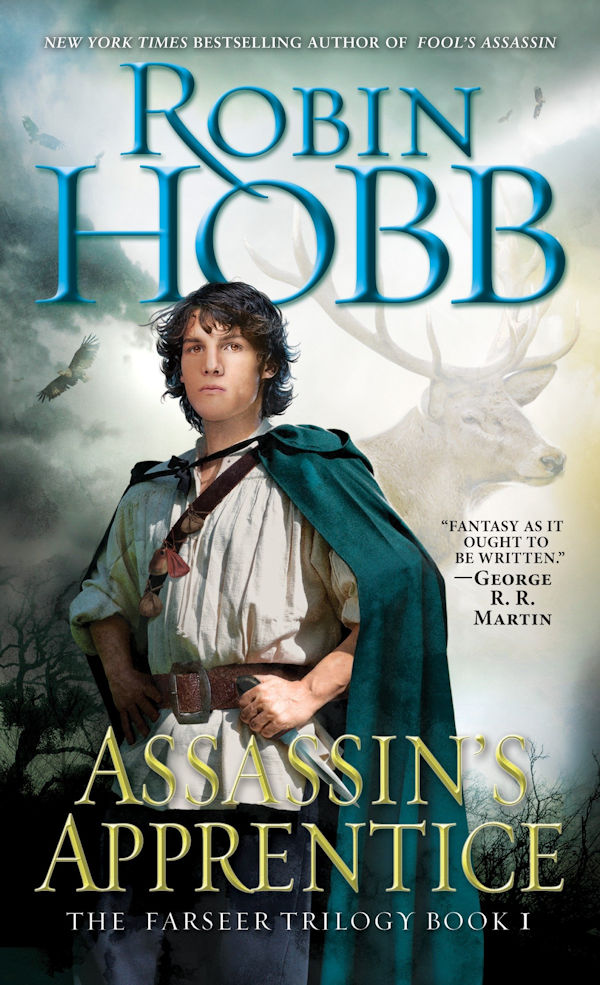
In a traditional third-person epic, a protagonist making a poor, emotionally fueled decision might alienate the audience. In a first-person narrative, however, that same decision becomes a moment of profound vulnerability. We understand why Fitz makes his mistakes because we have been privy to his loneliness. We see the world through his limited, bruised eyes, which makes his eventual triumphs feel earned and his failures feel like personal losses. This level of psychological transparency is exactly what contemporary romantasy readers seek when they follow a protagonist through a series of increasingly dangerous romantic and political entanglements.
The Fool: A Study in "Forced Proximity" and "Forbidden Love"
If one were to analyze the relationship between Fitz and the Fool through a modern literary lens, one would find the blueprint for the most popular tropes in the industry. While the physical nature of the relationship remains enigmatic and complex, the emotional architecture is undeniable.
The bond between them is a slow-burn masterclass. It features the "Forced Proximity" of court life, the "Forbidden Love" inherent in their social strata, and the "Intervention of Fate" that defines their intertwined destinies. The Fool’s care for Fitz is frequently masked by biting sarcasm, emotional distance, and riddles—a classic dynamic that echoes the banter-heavy, tension-filled dynamics of contemporary romantasy couples.
When the Fool mocks Fitz, it is not merely cruelty; it is an intimacy that only they share. As Fitz notes in Assassin’s Apprentice, "He mocks me, but from him, it seems a kindness. He makes me feel, well, important." This recognition—that someone sees you clearly, even when they are being impossible—is the quintessential hook of the romantasy genre.
The Alchemy of Magic: A Metaphor for Desire
In many modern series, magic systems are often tied to the physical state or emotional capacity of the user. Hobb’s Farseer trilogy presents two forms of magic—the Wit and the Skill—that function as the ultimate metaphor for the internal tug-of-war that defines the genre’s best relationships.
The Wit, a forbidden, animalistic connection to the living world, is treated as a social taboo, a "dark path" that threatens to consume the user. The Skill, while more socially acceptable, is a source of intense, addictive pleasure and danger. Fitz’s struggle to reconcile these two forces is essentially a struggle for identity. He is constantly being pulled between the raw, base connection of the Wit and the refined, isolating duty of the Skill.
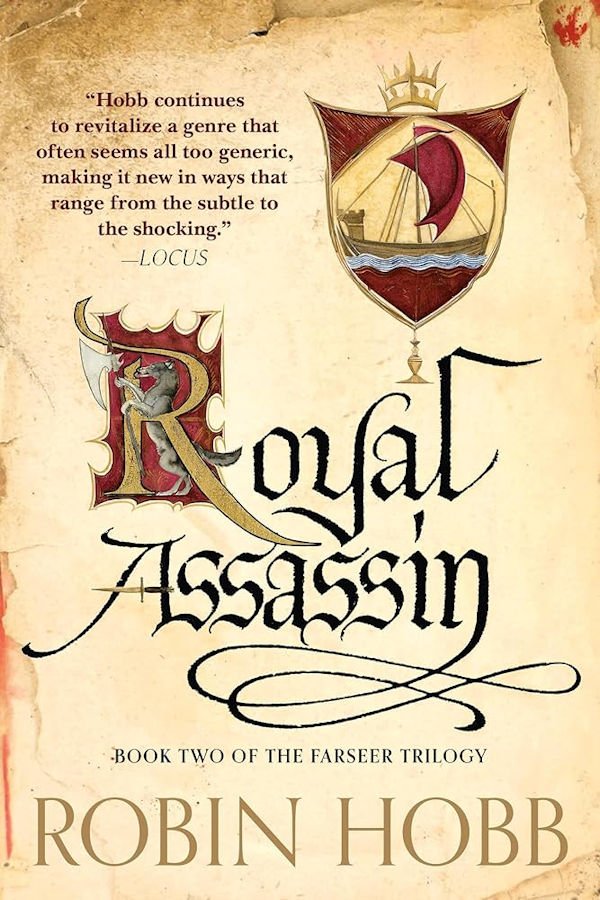
This duality mirrors the struggle of many romantasy leads who must balance their burgeoning powers with their burgeoning desires. Hobb’s depiction of the "high" of using the Skill—the "keenness of life"—is a potent, almost visceral description of the loss of self that comes with extreme emotion or power. It is a hauntingly accurate portrayal of addiction, and one that modern authors continue to emulate.
Implications for the Future of Fantasy
The enduring popularity of the Farseer trilogy in an era dominated by high-gloss, high-romance fantasy confirms that Hobb’s creative choices were not just "of her time," but timeless. The industry has seen a massive shift toward "character-first" storytelling, where the emotional reality of the protagonist dictates the pace of the plot.
While it is unlikely that today’s authors are consciously modeling their work on Hobb’s, the industry has collectively recognized that the "Hobb Method"—deep internal monologue, long-form character development, and the intertwining of personal relationships with high-stakes political conflict—is the most effective way to build a loyal, long-term readership.
Hobb taught us that a hero doesn’t have to be a savior; they just have to be real. By grounding her epic in the quiet, often painful beats of human connection, she elevated the genre. As we look toward the future of fantasy, the lessons of the Six Duchies remain relevant: the most important battles are not fought on fields of war, but in the quiet, desperate moments of the human heart.
A Legacy of Wisdom
Ultimately, the Farseer trilogy remains a touchstone because it never loses sight of the philosophical weight of existence. Hobb reminds her readers, through the voice of the Fool, that "no one has time not to think of such things." Whether it is the cautionary advice to "not do what you can’t undo" or the stark reminder that "wolves have no kings," Hobb’s work is layered with a profound respect for the gravity of the human experience.
For the millions of readers who have walked the halls of Buckkeep with Fitz, the trilogy is not just a series of books; it is a formative experience. It is a testament to the idea that fantasy, at its core, is a mirror for our own lives—our regrets, our loves, and our relentless, sometimes foolhardy, desire to matter in the face of a world that often demands we be something other than ourselves. As the genre continues to evolve, Robin Hobb’s influence will undoubtedly continue to shimmer, an invisible thread connecting the classics to the next generation of masterpieces.


 Pevita Pearce
 Laily UPN