Nila Kartika Wati
The PlayStation 1 era is widely regarded as the "Golden Age" of the Japanese Role-Playing Game (JRPG). It was a transformative period where technical leaps in pre-rendered backgrounds and FMV (Full Motion Video) allowed developers to craft narratives of unprecedented scale. While players often identify with the silent protagonists or the plucky bands of heroes, the true soul of many of these classics often resided in the opposition.
The PS1 era was characterized by a shift toward moral ambiguity. Villains were no longer just obstacles to overcome; they were complex, terrifying, and at times, more compelling than the protagonists tasked with stopping them. They operated with a sense of "less-is-more" mystery, casting long shadows over the player’s journey. Here, we explore eight PS1-era antagonists who stole the spotlight from the heroes.
1. Sephiroth – Final Fantasy VII
Final Fantasy VII is not just a game; it is a cultural cornerstone of the JRPG genre. While Cloud Strife’s internal struggle is central to the plot, the narrative gravitational pull of Sephiroth is undeniable.
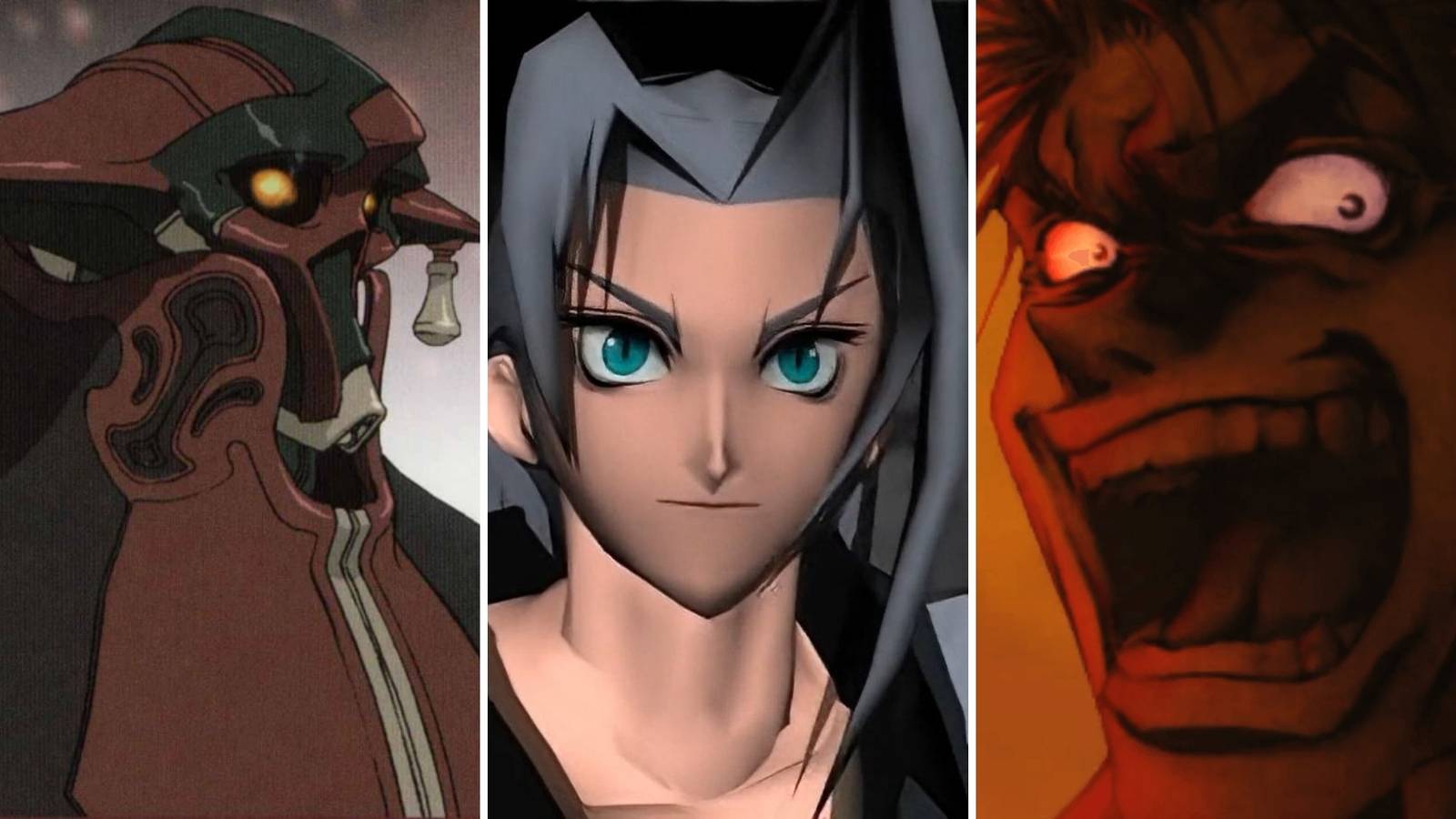
Main Facts: Sephiroth is a former SOLDIER First Class, a war hero turned rogue after discovering the horrific truth of his origin. His goal—to reunite with the planet’s Lifestream and become a god—serves as the primary catalyst for the game’s events.
Implications: Square Enix famously approached the character design with the philosophy of treating him like the shark in Jaws. He is a constant, looming threat who rarely appears, yet his presence is felt in every city and forest. The burning of Nibelheim and the tragic death of Aerith remain two of the most indelible moments in gaming history. Sephiroth redefined the "tragic villain" archetype, setting a blueprint that countless developers have attempted to replicate for three decades.
2. Fou Lu – Breath of Fire IV
Breath of Fire IV is distinct for its dual-narrative structure, forcing players to toggle between the protagonist, Ryu, and his ancient counterpart, the Emperor Fou Lu.

Chronology: As players progress, they experience Fou Lu’s awakening and his mission to reclaim his empire. Unlike typical villains, the player spends significant time controlling him. By the final act, the game forces the player to question their loyalties.
Supporting Data: Fou Lu is not a "crazed" villain; he is a cold, calculated force of nature who views the evolution of the human race as a betrayal of his legacy. Because the game allows players to walk in his shoes, he achieves a level of depth that makes him feel less like a boss and more like a tragic figure caught in a cycle of history that the player is ultimately forced to end.
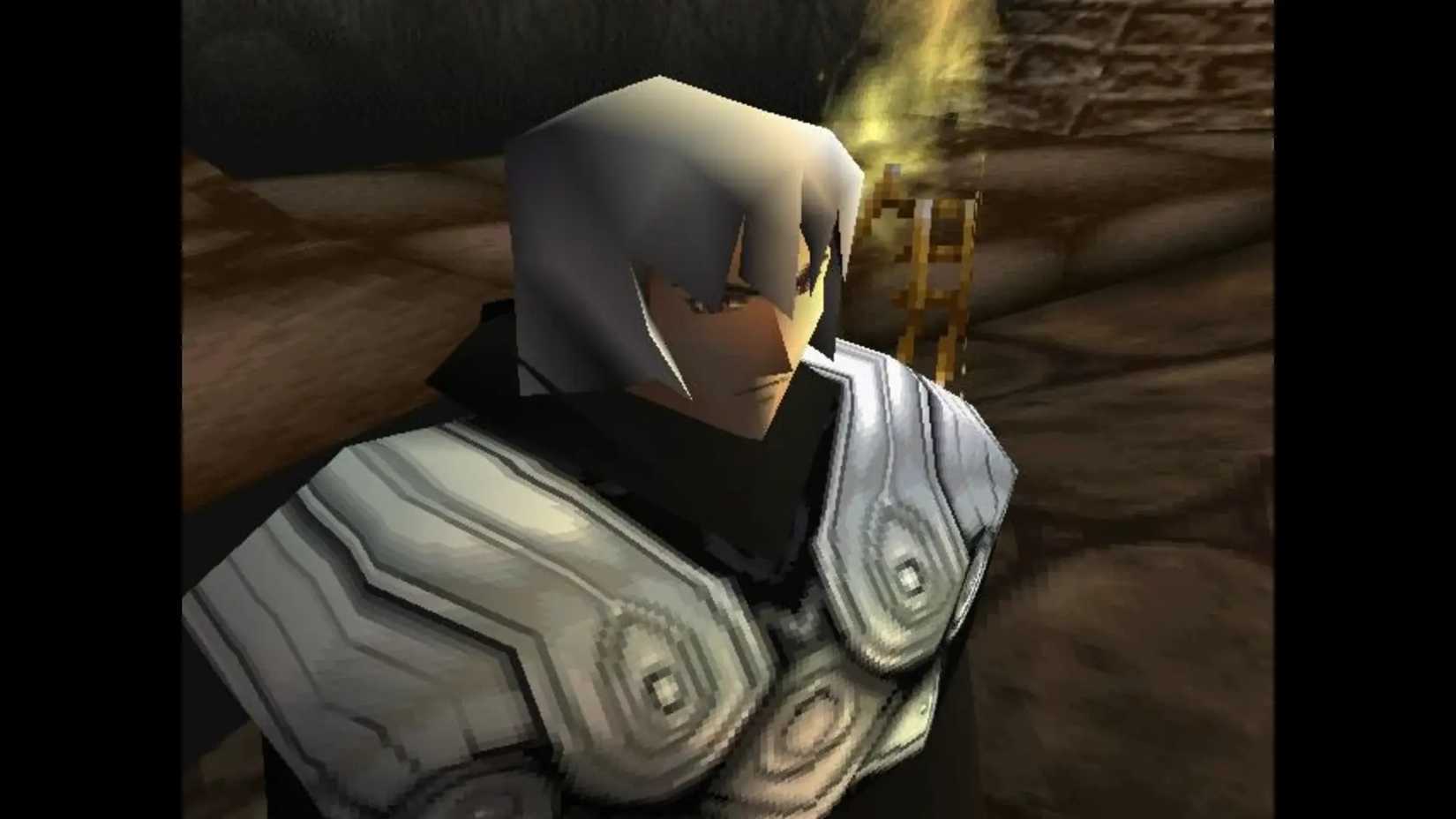
3. Sydney Losstarot – Vagrant Story
Vagrant Story stands out as a masterpiece of atmosphere and mechanical complexity, featuring an antagonist whose goals are as cryptic as the city of Lea Monde itself.
Official Perspective: Sydney is not seeking world domination in the traditional sense. His actions—kidnapping, manipulation, and violence—are all part of a "proving ground" for the protagonist, Ashley Riot. He is a man facing his own mortality, desperate to find a worthy vessel to inherit the dark powers of the Blood-sin.
Implications: Sydney forces the player to consider the "lesser of two evils" dilemma. His grand speeches and philosophical underpinnings elevate the conflict from a standard "hero vs. monster" trope to a nuanced examination of destiny and power, making him one of the most intellectually stimulating villains of the late 90s.
4. Lynx – Chrono Cross
Chrono Cross is an ambitious, sprawling narrative, and at its center is the enigmatic Lynx.
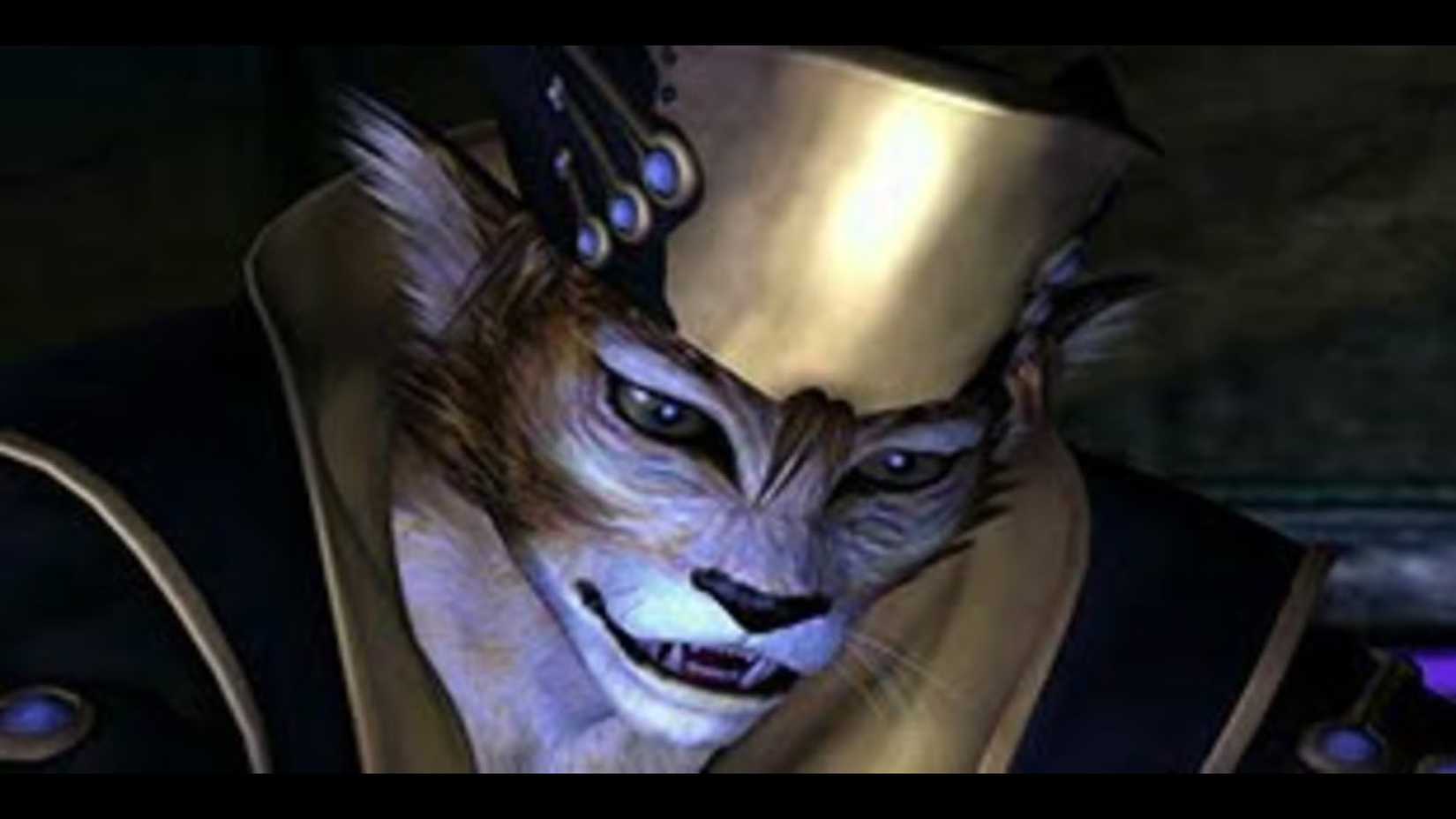
Chronology: The game’s turning point occurs at Fort Dragonia, where the unthinkable happens: the protagonist, Serge, swaps bodies with Lynx. For a large portion of the mid-game, the player is forced to inhabit the villain’s form.
Supporting Data: This narrative device provides a masterclass in perspective. By playing as the "villain," the player learns of the prejudice he faces and the logic behind his actions regarding the supercomputer FATE and Chronopolis. It transforms him from a standard antagonist into a tragic, misunderstood character, proving that sometimes, the only difference between a hero and a villain is the side of the story you are told.
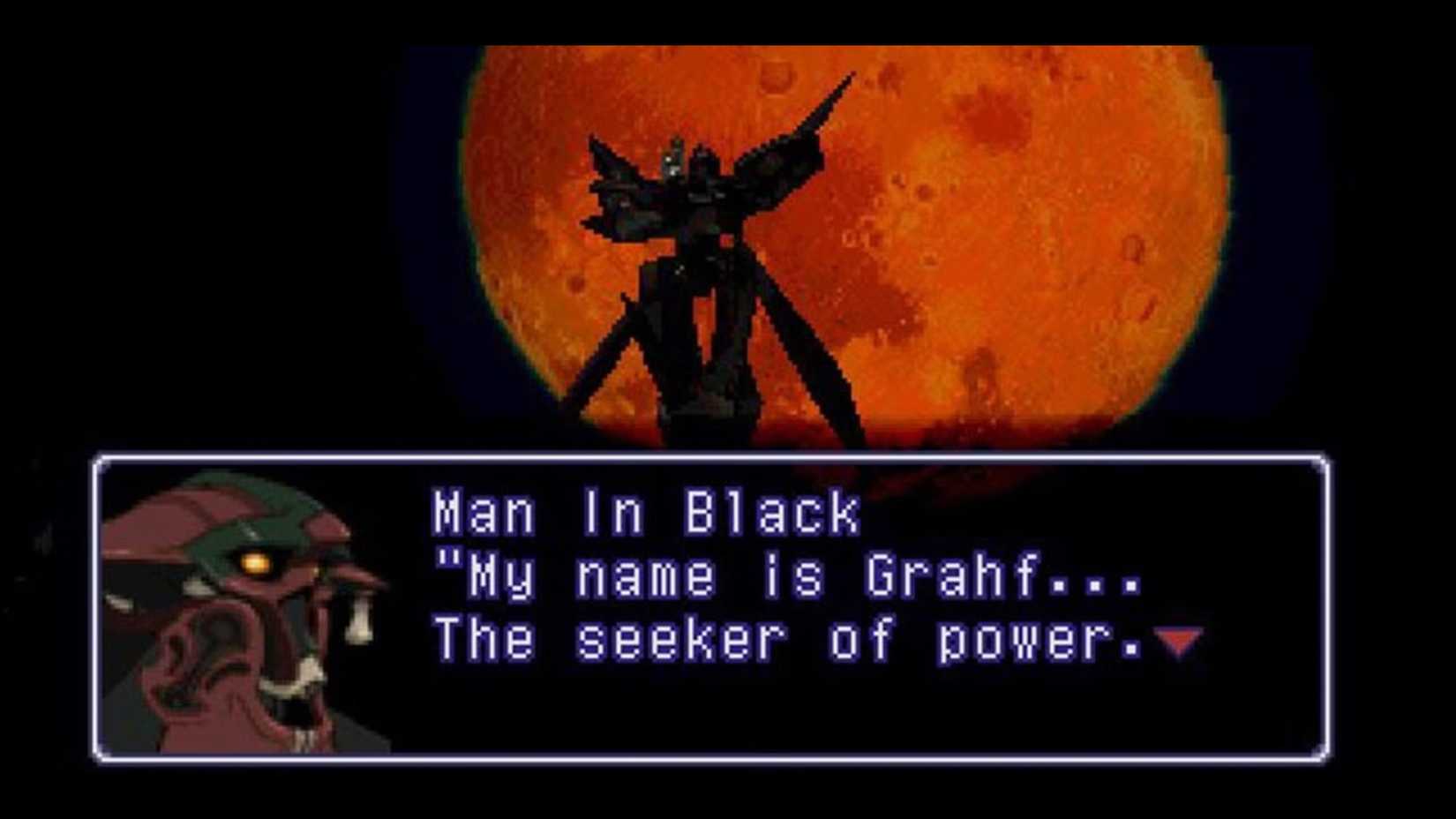
5. Grahf – Xenogears
Xenogears is arguably the most ambitious sci-fi epic on the PS1, and Grahf is the embodiment of its complex, Nietzschean narrative.
Main Facts: Grahf is an omnipresent, terrifying force that appears from the very beginning of the game. He speaks in riddles and grand proclamations, often acting as a "test" for the party through brutal boss battles.
Implications: Grahf represents the struggle against one’s own fate. He is not merely trying to kill the protagonist, Fei, but rather seeking to unlock the "greatest power" within him. He lacks voice acting, yet the iconic musical theme that accompanies his appearances makes him feel like an apocalyptic omen. He is a villain who operates on a cosmic scale, making the party’s struggle feel deeply personal and insignificant simultaneously.
6. Lloyd – The Legend of Dragoon
While The Legend of Dragoon is often compared to the titans of the era, its villain, Lloyd, provides a grounded, human contrast to the game’s high-fantasy stakes.
Chronology: Lloyd enters the game as an antagonist who decisively defeats the hero, Dart. His presence shifts the narrative from a simple quest to a complex struggle for survival.
Supporting Data: Lloyd’s "evil" is purely utilitarian. He is not motivated by madness but by a desperate desire to save his people. The death of the party member Lavitz at his hands is a defining moment of heartbreak that hits harder for many players than the more famous deaths of the era. His evolution from an antagonist into a complex, tragic figure makes him a standout in a game that is otherwise standard fantasy fare.
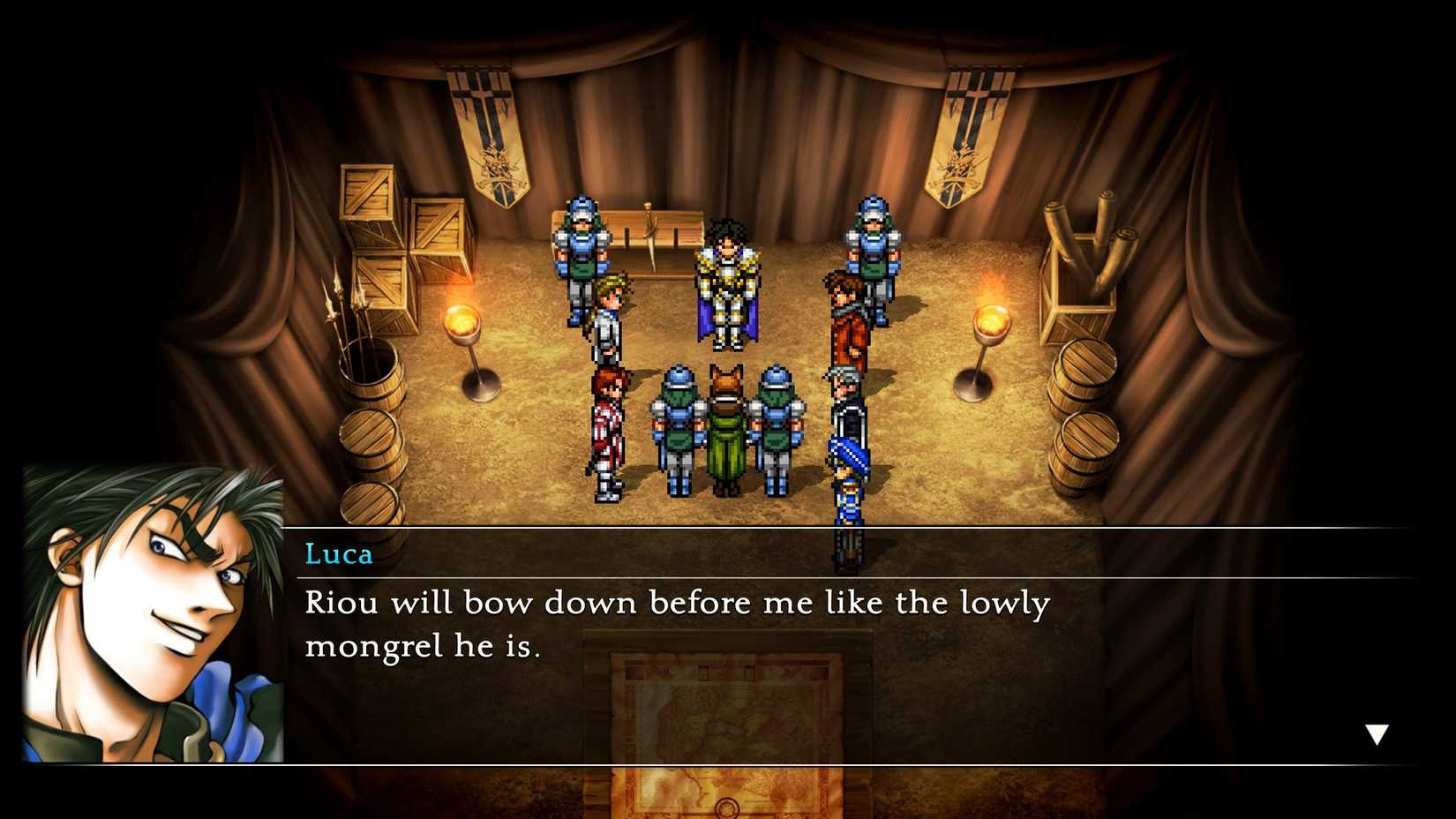
7. Luca Blight – Suikoden II
If other villains on this list are defined by their complexity, Luca Blight is defined by the sheer, unadulterated purity of his malice.
Main Facts: Suikoden II is a war story, and Luca Blight is the monster who fuels the fire. He is the prince of the Highland Kingdom and arguably the most "evil" character in the history of the franchise.
Official Responses/Reception: Fans and critics consistently rank Luca Blight among the greatest villains because he doesn’t have a sob story. He isn’t possessed by a god or acting out of a twisted sense of justice. He is a sadist who takes joy in the suffering of others. In an era where villains were becoming increasingly sympathetic, Luca Blight’s return to "mustache-twirling" insanity was refreshing, terrifying, and profoundly memorable.
8. Lezard Valeth – Valkyrie Profile
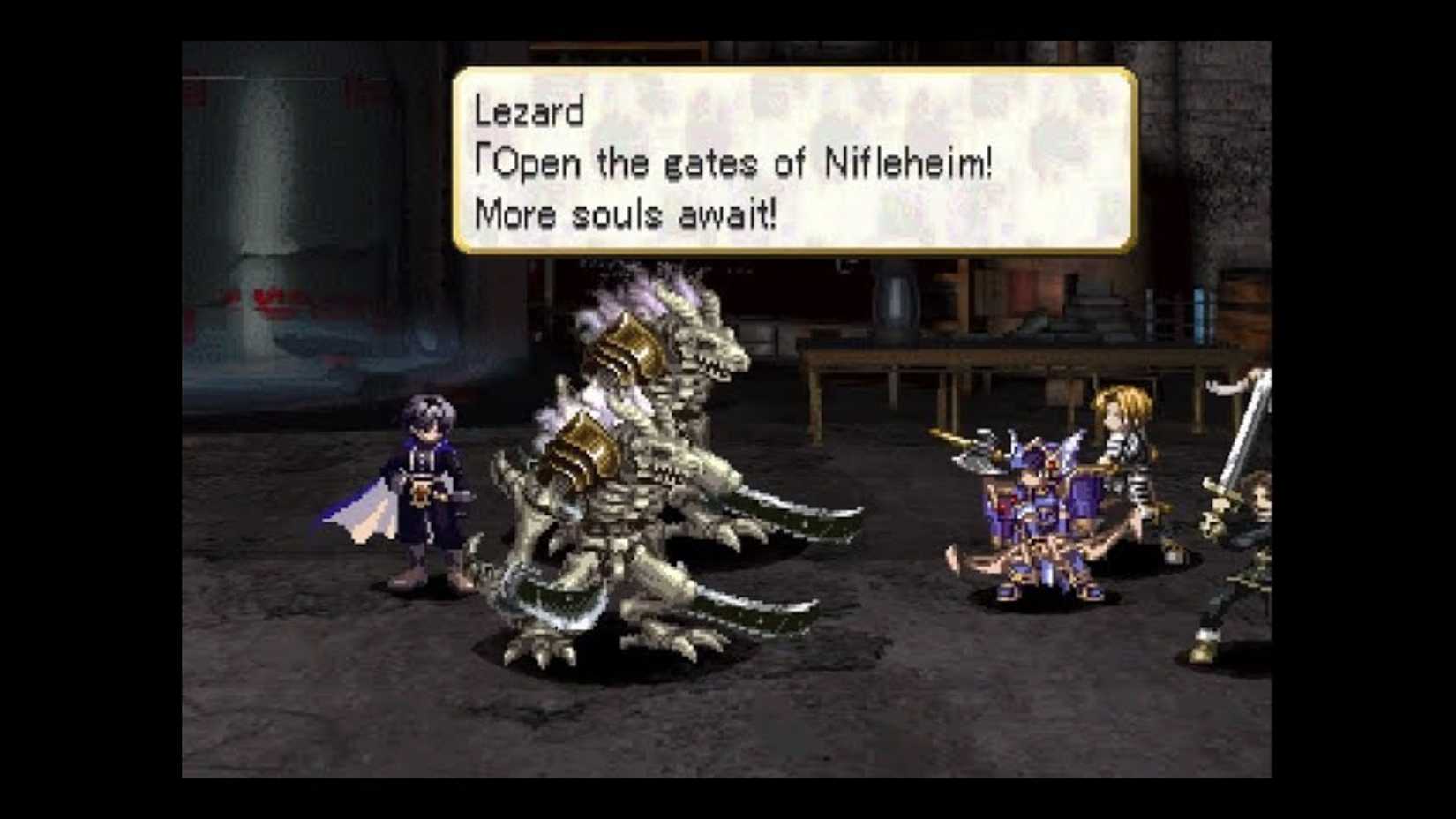
Valkyrie Profile is a dark, somber journey through Norse mythology, and Lezard Valeth serves as its most unsettling antagonist.
Main Facts: Lezard is a necromancer whose obsession with the main character, Lenneth, transcends the boundaries of sanity. He doesn’t want to conquer the world; he wants to possess the protagonist to force her into his own warped vision of paradise.
Implications: Lezard is a character who highlights the "delusion of grandeur." He is a scientist who treats the world as his laboratory and the gods as his test subjects. His presence serves as a grim reminder that in a world of deities and eternal war, the most dangerous entity is often a mortal man with nothing to lose and a god-complex to fulfill.
Conclusion: The Legacy of the PS1 Antagonist
The villains of the PlayStation 1 era were more than just bosses at the end of a dungeon; they were reflections of the stories’ core themes—whether it was the nihilism of Sephiroth, the political brutality of Luca Blight, or the tragic necessity of Lloyd. By providing these characters with motivations that rivaled, and often surpassed, the heroes, developers ensured that the PS1 era would remain the gold standard for JRPG storytelling. These characters remind us that a hero is only as great as the villain they are forced to confront, and in the case of these eight games, the villains left an impression that simply never fades.


 Basiran
 Ali Ikhwan