Asro
Asro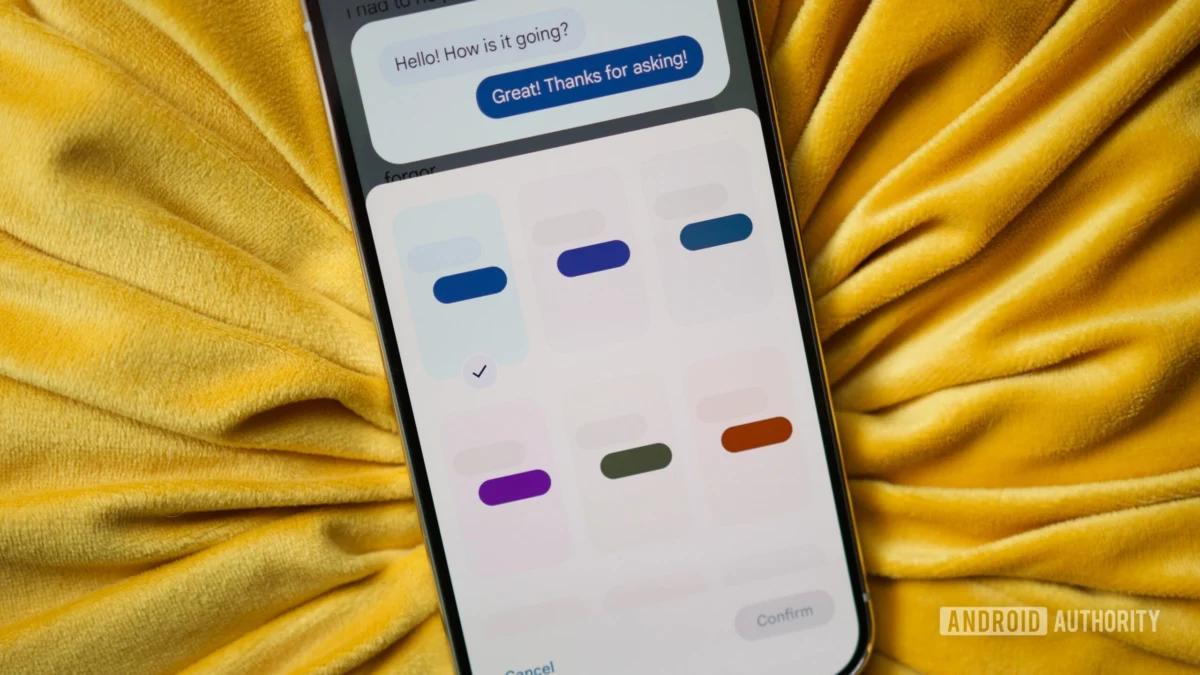
The landscape of Android communication is undergoing a seismic shift. In a move that has sparked widespread debate across tech forums and community hubs, Samsung has confirmed that its proprietary "Samsung Messages" application will officially reach its end-of-service in July 2026. For millions of Galaxy users, this isn’t just a routine app update or a rebranding exercise; it marks the forced transition from a highly customizable, feature-rich interface to Google Messages, the search giant’s increasingly standardized RCS-focused platform.
While Google has been aggressive in iterating on its messaging client—introducing quality-of-life improvements like a dedicated trash folder and real-time location sharing—the transition has left a vocal contingent of power users feeling sidelined. As we count down the weeks until the final sunset of Samsung Messages, it is clear that for many, this change represents a loss of granular control that has defined the Samsung experience for over a decade.
The Chronology of a Sunset
The decline of Samsung Messages did not happen overnight. It was a calculated, multi-year strategic pivot that began in earnest when Samsung opted to embrace Google’s RCS (Rich Communication Services) infrastructure as the standard for Android.
- Early 2025: Rumors began to circulate that Samsung was prioritizing Google Messages as the default client on newer flagship devices, including the Galaxy S25 series.
- Late 2025: Samsung began phasing out its proprietary RCS backend, effectively making it impossible for Samsung Messages to compete with the cross-platform integration offered by Google’s Jibe-powered network.
- April 2026: The official announcement was made: Samsung would cease support for its messaging app, encouraging all users to migrate to Google Messages to ensure continued access to modern messaging features.
- July 2026 (Upcoming): The official end-of-service date. Post-July, users will find the app non-functional, with forced migrations to Google’s ecosystem becoming the standard for all Galaxy smartphones.
The Feature Gap: What Users Are Losing
The primary grievance voiced by the Android Authority community is not necessarily that Google Messages is a "bad" app, but rather that it lacks the deep, system-level customization that defined Samsung’s One UI design philosophy.
1. Granular Chat Customization
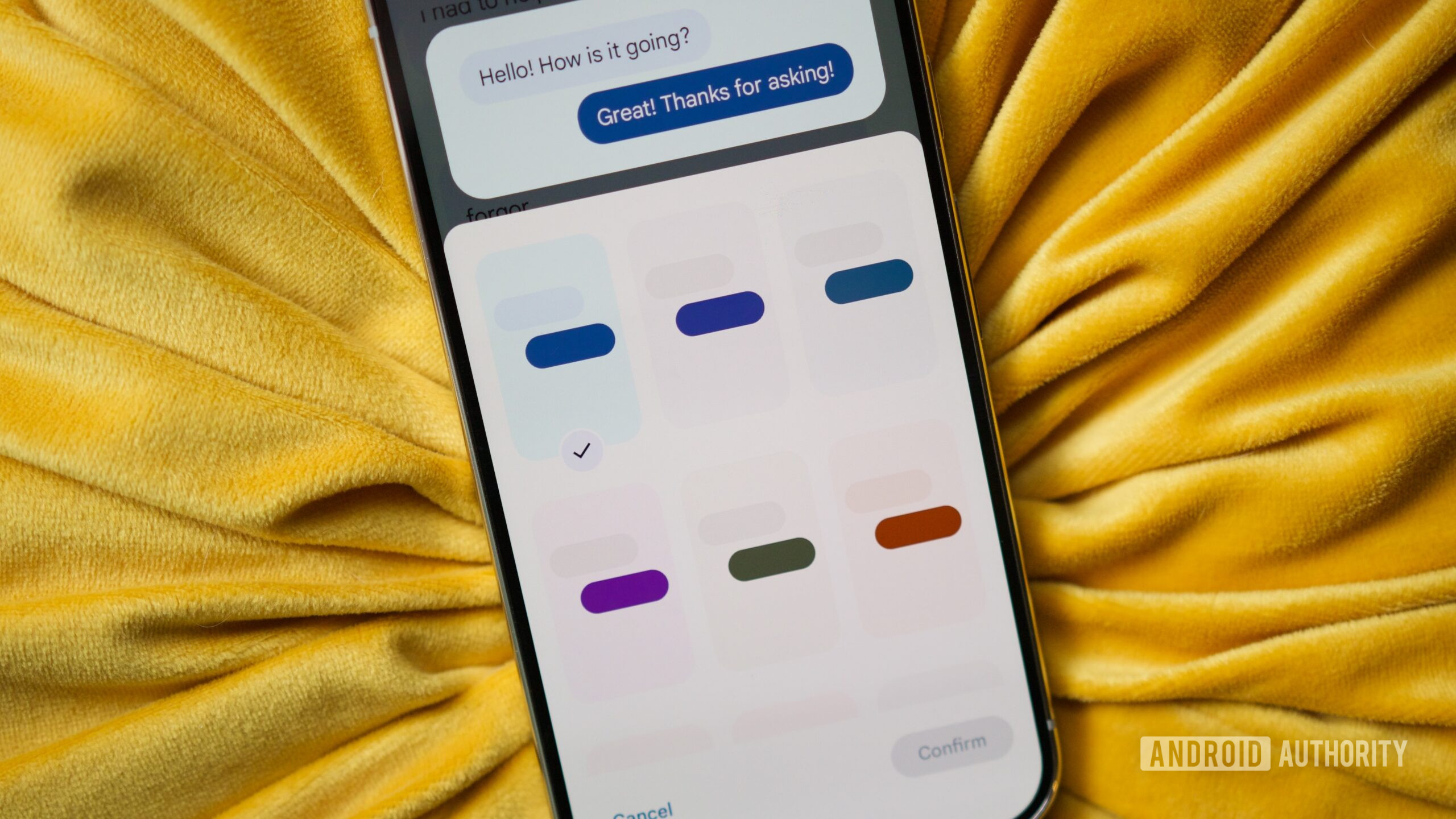
Samsung Messages was long praised for its aesthetic flexibility. Users could manually assign distinct chat colors for different contacts and even set unique, high-resolution images as individual chat backgrounds. For many, this was a vital accessibility and organizational tool. While Google Messages has recently experimented with basic color-theming, it lacks the depth of the Samsung implementation. While code-diving in recent beta builds suggests that custom theme backgrounds are on the horizon for Google, it remains a "wait and see" situation, leaving users frustrated by the lack of feature parity during the transition.
2. The Organizational Power of Folders
Perhaps the most missed feature will be the ability to create custom folders to categorize conversations. In Samsung Messages, users could compartmentalize their digital life—separating work threads from family chats and hobby groups—with a single tap. Google Messages, despite its recent updates, remains a linear, chronological list of conversations. Aside from rudimentary spam filtering, it offers no native way to sort or categorize threads. As one user noted in our comments, "Google should stop focusing on ways we can change how our messages look and focus on ways we can organize our messages."
3. The "Pick-Up" Alert
A subtle but beloved feature in the One UI ecosystem was the "Alert when phone picked up" setting. When enabled, the phone would provide a gentle haptic vibration if the user picked up their device while having unread notifications in Samsung Messages. Because this feature was tied to the native app’s integration with the OS, it does not function with Google Messages. The silence of the phone when picking it up, despite having a waiting text, has been a major point of friction for users who rely on haptic feedback to stay connected.
4. Automatic Cleanup
Digital hoarding is a genuine concern for many, and Samsung’s "Delete old messages" toggle was a simple, elegant solution. By setting a cap—such as 1,000 messages per conversation—the app would automatically purge the oldest data, keeping the device snappy and the interface clean. Google Messages currently offers no such automation, requiring users to either let their storage bloat indefinitely or perform the tedious task of manual deletion.
Official Responses and Industry Context
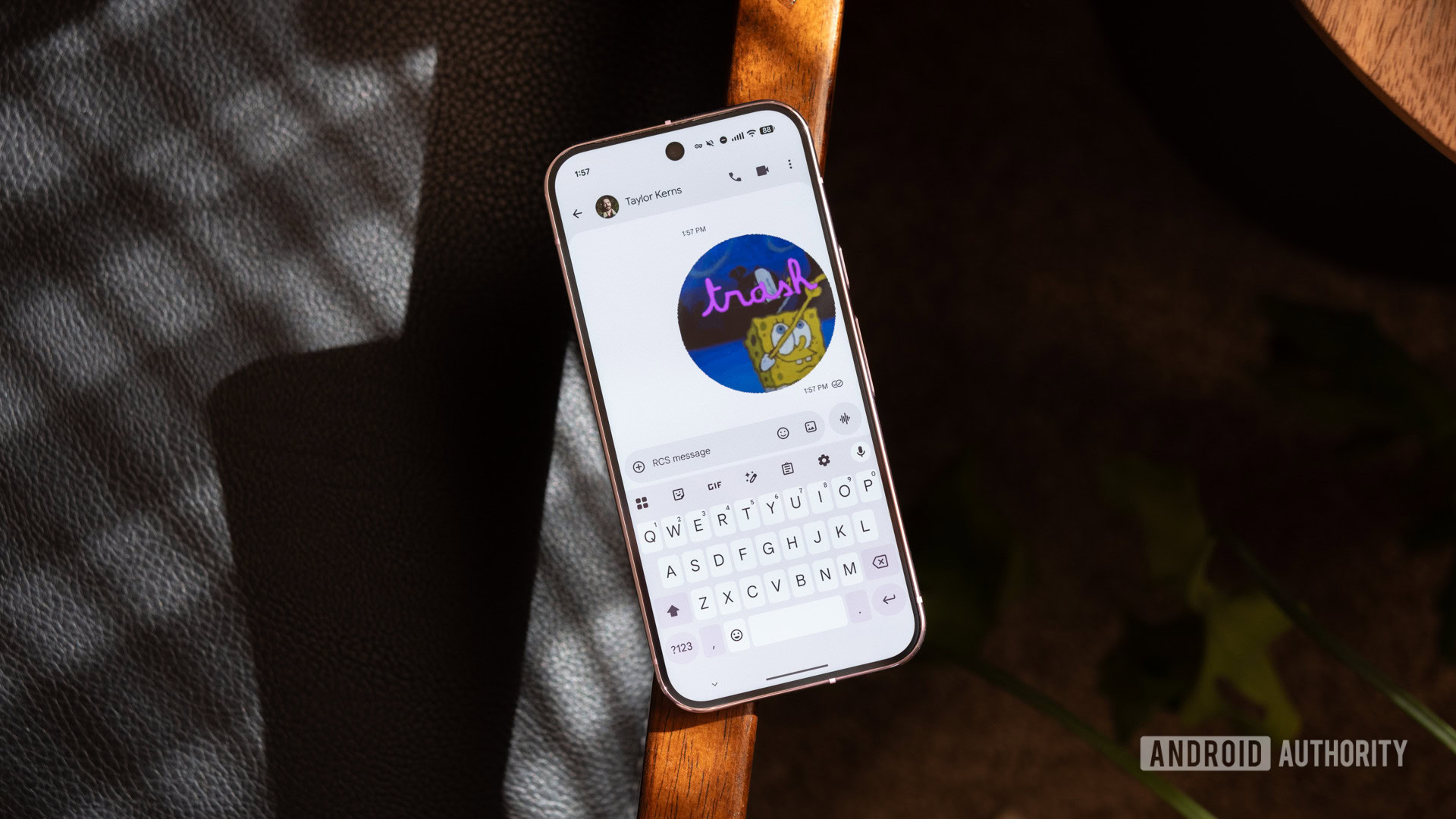
Samsung’s official stance on the transition has been brief and utilitarian: the move is framed as a benefit for the end-user, aimed at providing a "unified messaging experience" that works seamlessly across the global Android ecosystem. By aligning with Google, Samsung ensures that all Galaxy users have the most up-to-date encryption, reaction support, and cross-platform compatibility that the industry-standard RCS provides.
However, industry analysts view this as a strategic concession. By bowing out of the messaging space, Samsung reduces the overhead of maintaining a complex, proprietary messaging infrastructure. It allows Samsung to focus its software development efforts on its core strength: the One UI skin, AI integration via Galaxy AI, and its ecosystem of wearables and tablets, rather than the technical maintenance of a messaging protocol.
The Broader Implications: A Monoculture?
The most significant long-term implication of this shutdown is the loss of competition. Samsung Messages was one of the few remaining major alternatives to Google’s dominance in the messaging space. With its removal, Google effectively controls the primary communication gate on the vast majority of Android devices globally.
While third-party alternatives like Textra or Fossify exist, they are increasingly hampered by the "walled garden" nature of modern RCS. Because Google owns the primary RCS implementation (Jibe), third-party apps often struggle to provide the same level of reliability, end-to-end encryption, and feature support as the official Google client.
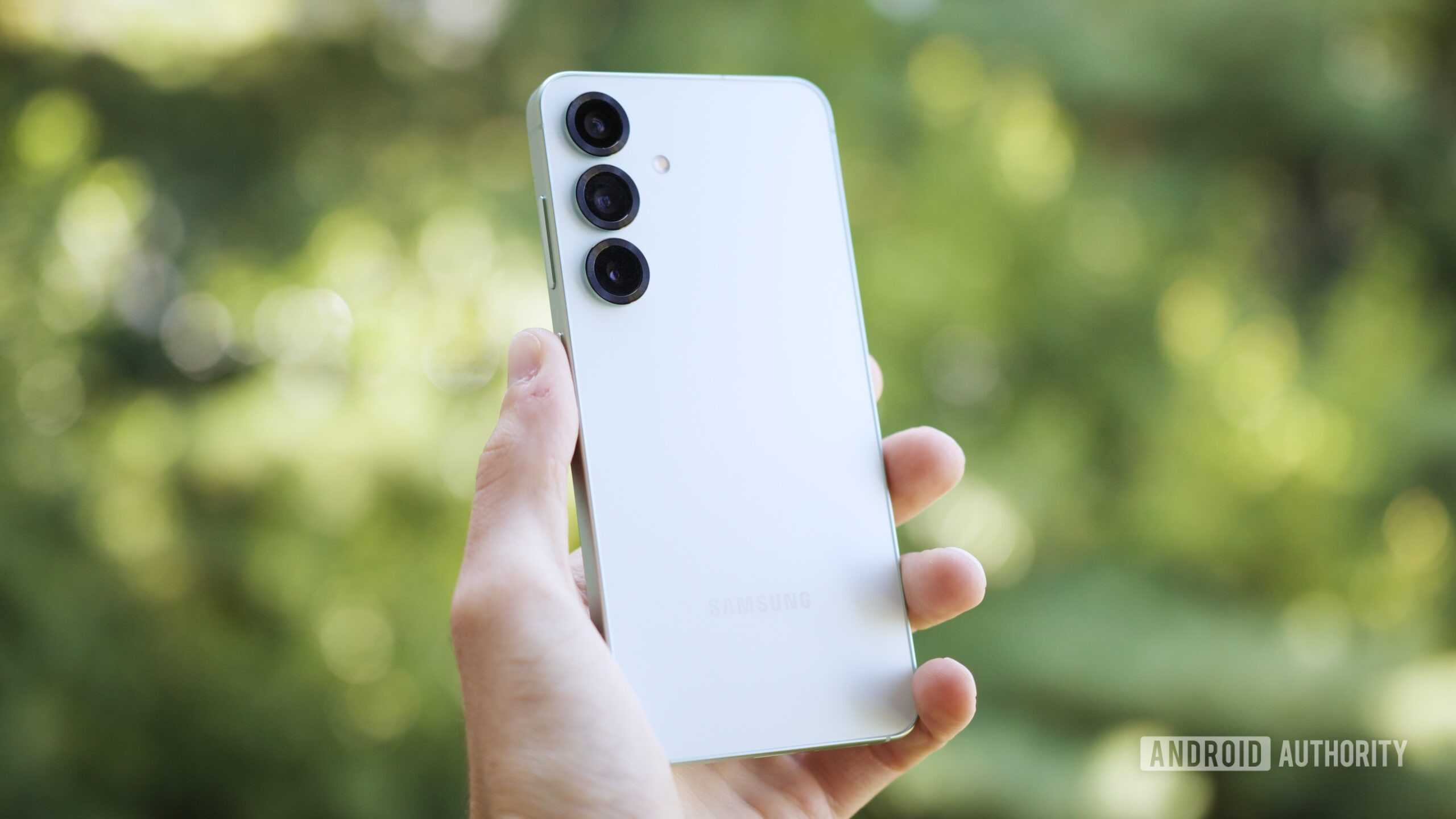
This creates a "take it or leave it" scenario. Users who want the security and modern features of RCS are effectively forced into the Google ecosystem. For the average consumer, this is a minor inconvenience that leads to a more consistent experience. For the power user—the person who bought a Samsung device specifically for the granular control it offered—it is a clear signal that the era of deep, system-level customization on Android is slowly receding in favor of a more standardized, centralized user experience.
Conclusion: Adapting to the New Reality
As we approach the July deadline, the sentiment among the community is one of begrudging acceptance. The features lost—custom backgrounds, organizational folders, and intelligent haptic alerts—are being mourned, but the utility of RCS in a global market is a tide that cannot be turned back.
Whether Google will eventually bridge the feature gap remains to be seen. Given the massive scale of the migration, it is highly probable that Google will continue to incorporate more of these user-requested features into the Messages app over the coming years. Until then, users are left to grapple with a transition that underscores a fundamental tension in modern tech: the trade-off between the power of choice and the convenience of a unified standard. For now, the "Samsung Message" era is coming to a close, and a new, more centralized chapter of Android communication is beginning.

 Pevita Pearce
 Lina Hope