
 Ali Ikhwan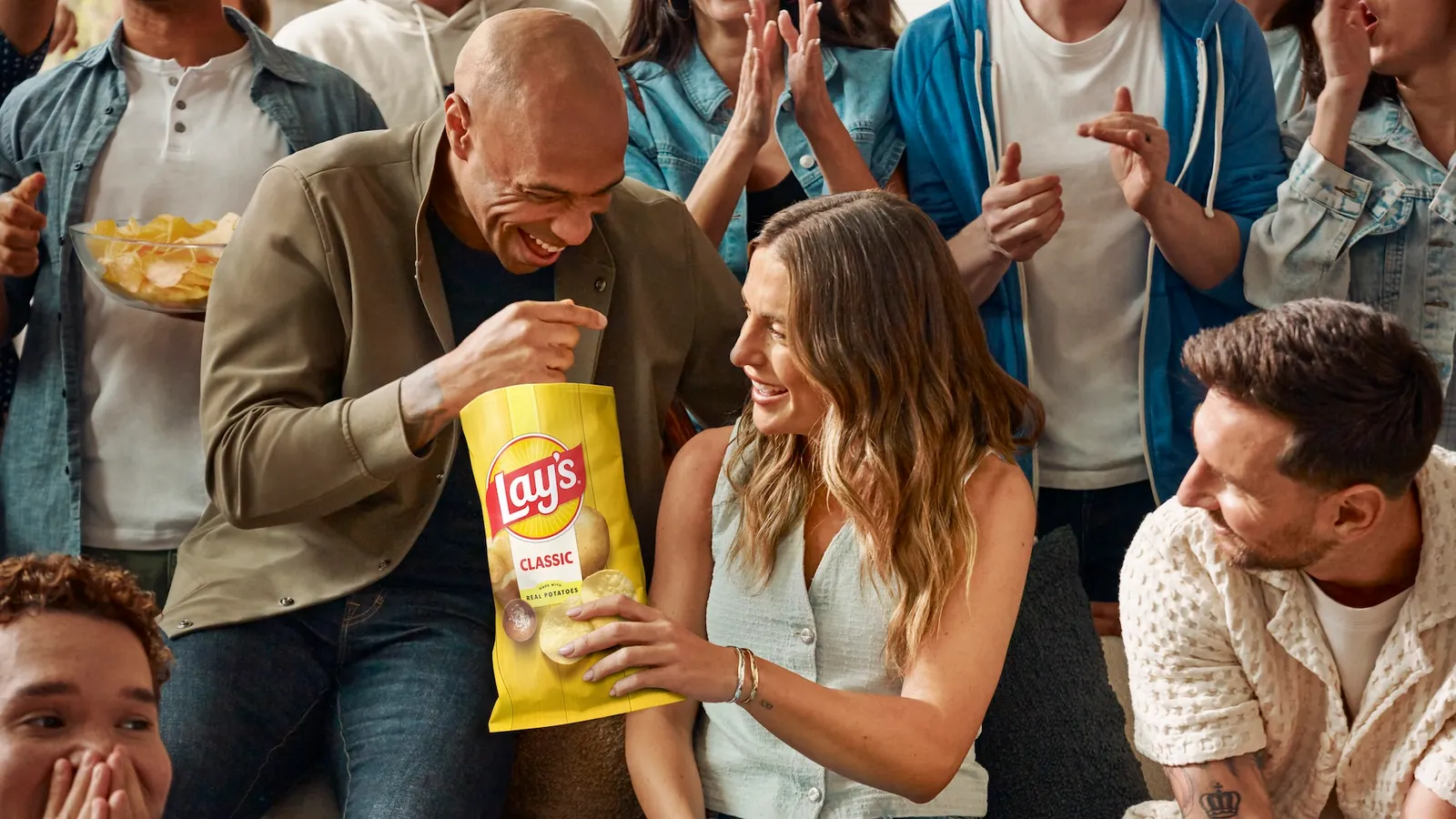
As the global countdown to the 2026 FIFA World Cup intensifies, the intersection of sports culture and consumer lifestyle is undergoing a significant transformation. While millions of fans are currently navigating the complex logistics of international travel and the soaring costs associated with attending matches in person, snack giant Lay’s is pivoting toward a different strategy: bringing the stadium experience into the living room.
In a bold move that marks its inaugural year as a global sponsor of the FIFA World Cup, the PepsiCo-owned brand has unveiled an ambitious evolution of its "No Lay’s, No Game" platform. The campaign, which launched this Tuesday, seeks to bridge the gap between die-hard soccer aficionados and casual fans who prioritize the social atmosphere of a watch party over the technicalities of the sport.
Main Facts: The "No Lay’s, No Game" Strategy
The centerpiece of Lay’s latest marketing blitz is a star-studded creative campaign that relies on high-wattage celebrity power to drive brand loyalty. The campaign features a roster of global icons, including David Beckham, Thierry Henry, Lionel Messi, and Alexia Putellas, but it adds a surprising twist with the inclusion of actor Steve Carell.
The primary objective is to solidify Lay’s position as an essential component of the "match-day" ritual. By leveraging the star power of these celebrities, the brand is positioning itself not just as a sponsor, but as the gatekeeper to the ultimate viewing experience. The campaign’s narrative—that one cannot host a proper game-day gathering without the iconic snack—is being pushed across 90 global markets, utilizing a comprehensive mix of digital, social, and broadcast channels.
Chronology of a Global Activation
The road to the 2026 World Cup has been a meticulous, multi-year process for the brand.
- March 2024: Lay’s launched its experimental WhatsApp channel, a bold move into private, community-based social media. This platform quickly gained momentum, amassing over 4 million followers by mid-year.
- Late 2024 (Production Phase): The brand filmed a series of commercials in southern Florida, centering on an authentic, "guerrilla-style" interaction with real consumers.
- Tuesday (Campaign Reveal): The official global rollout of the star-studded creative, featuring the "supermarket stunt" where celebrities surprised unsuspecting shoppers.
- The Lead-up to 2026: Throughout the next two years, the brand plans to implement a series of in-stadium activations, localized pop-up events, and the introduction of limited-edition, World Cup-inspired flavors designed to tap into the regional palates of host nations.
Supporting Data: The Power of "Scaled Intimacy"
The scale of this operation is unprecedented for the snack manufacturer. By utilizing agencies such as Slap Global, Hungry Man, Washington Square Films, Omnicom Public Relations, and We Are Social, Lay’s has ensured a cohesive message that resonates across diverse cultural landscapes.
The success of the WhatsApp integration provides a window into modern consumer behavior. By securing over 4 million followers in a direct-messaging environment, Lay’s has moved away from the traditional, passive "top-down" advertising model. Instead, it has embraced what marketing executives call "scaled intimacy."
This strategy is backed by internal data suggesting that fans are increasingly exhausted by traditional social media algorithms. By creating a gated, interactive experience within WhatsApp, Lay’s is generating first-party data that allows for more granular insights. This data—spanning preferences for game-day recipes, engagement with specific celebrities, and regional reactions to content—is expected to inform the brand’s broader corporate strategy beyond the conclusion of the World Cup.
Official Responses and Strategic Vision
Alexis Porter, vice president of marketing for international foods at Lay’s, emphasizes that the brand’s involvement in the World Cup is far from a superficial sponsorship. "We’ve taken it to another level," Porter noted during the press announcement. "It’s a cultural moment, and so we want to make sure we’re not a brand that’s just going to put our logo on it."
The decision to recruit Steve Carell was deliberate, aimed at neutralizing the intimidation factor often associated with elite-level sports marketing. "It’s for everyone," Porter explained. "We wanted to make sure that we weren’t just using footballers, that we were including somebody that represents every fan—somebody who’s there for the snacks and the good time."
Regarding the safety and management of the WhatsApp group chat, the brand has had to walk a fine line. While fans can react to content, they do not have open posting privileges, which keeps the discourse focused and prevents the dilution of the brand’s narrative. "It’s about giving the fans a front-row seat to a conversation among friends," Porter added. "We’re going to see where we get the interaction and where we build and grow from it. This will inform other things we do, not just related to football."
Implications for Future Marketing
The Lay’s campaign signals a fundamental shift in how global brands will handle the 2026 World Cup, particularly in the United States. While the U.S. has seen an explosion in soccer fandom over the past decade, the sport still faces stiff competition for the average viewer’s attention compared to the NFL or NBA. By framing the World Cup as a communal, snack-centric social event, Lay’s is attempting to lower the barrier to entry for casual U.S. fans.
Furthermore, the reliance on messaging apps like WhatsApp as a marketing tool sets a new precedent. As consumers migrate away from public social media feeds toward "dark social"—private messaging apps, encrypted groups, and closed communities—brands are finding it increasingly difficult to reach their audience. Lay’s investment in a custom-built WhatsApp interface suggests that the future of brand engagement lies in providing value-add, interactive experiences within the apps consumers already use daily.
The Human Element in Digital Strategy
One of the most critical aspects of the campaign is the insistence on authenticity. Porter explicitly addressed concerns regarding the use of AI in the celebrity chat, confirming that the interactions are authentic, human-led, and curated by the team managing the campaign. In an era where AI-generated content is becoming ubiquitous, the brand’s commitment to "human-first" messaging acts as a trust-building mechanism.
Looking Ahead
As the brand continues to deploy its strategy across 90 markets, the "No Lay’s, No Game" platform will likely expand into even more immersive, hyper-local territories. The goal is clear: to be the ubiquitous presence at every kitchen table, coffee table, and watch party when the whistle blows in 2026.
By prioritizing the "fan experience" over the "brand presence," Lay’s is betting that the most successful marketing of the future will be the kind that feels less like a corporate campaign and more like an invitation to a party. If the initial engagement numbers from their WhatsApp activation are any indication, the world is ready to RSVP.

 Azzam Bilal Chamdy
 Sagoh
Sagoh





