

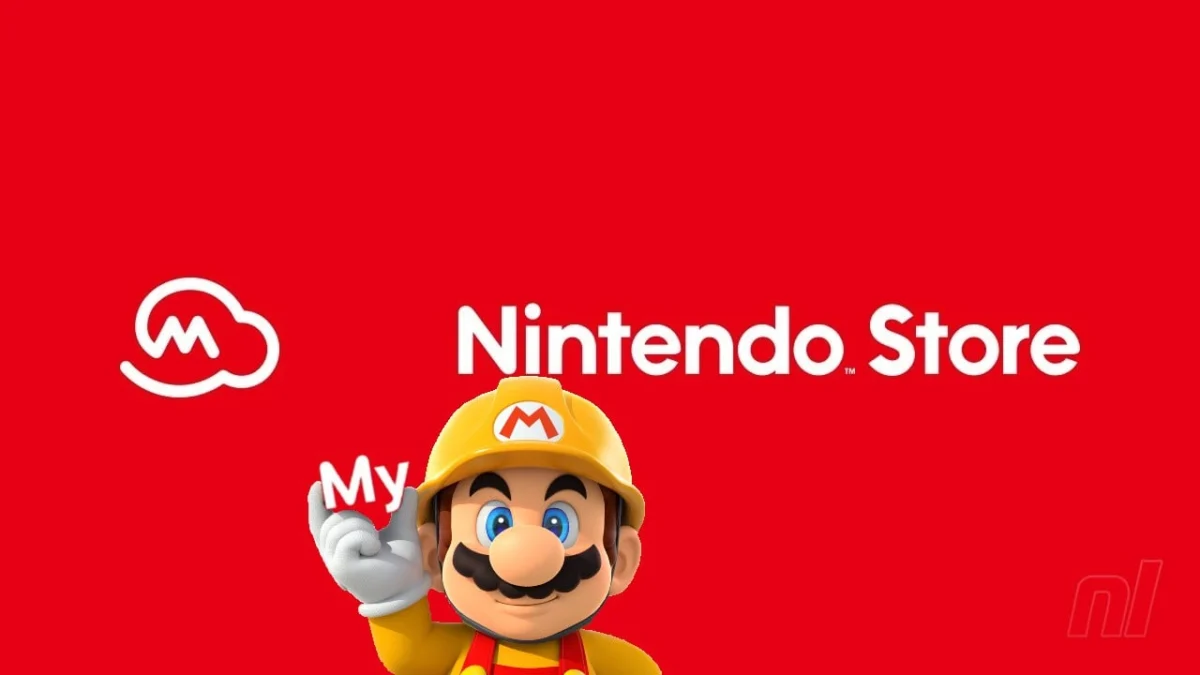
A subtle yet significant rebranding initiative is set to take place across various international markets on May 27th, as Nintendo officially transitions its online retail platform from "My Nintendo Store" to the more concise "Nintendo Store." This change, while primarily cosmetic, aims to streamline brand identity and align with existing digital offerings.
Main Facts
The announcement, disseminated through official Nintendo Store social media accounts across multiple regions, confirms that the familiar "My Nintendo Store" moniker will be retired. This renaming affects a substantial number of territories, including the United Kingdom, Germany, Australia, Japan, Spain, and South Korea. Crucially, Nintendo has emphasized that this alteration is purely a nomenclature shift. Customers can expect no disruption to the service, the available product catalog, or the overall shopping experience. The core functionality and the array of merchandise offered will remain unchanged.
Chronology of the Rebranding
The move to a unified "Nintendo Store" branding represents a gradual evolution in Nintendo’s digital retail strategy. While the official date for the name change is set for May 27th, 2024, the underlying efforts to consolidate branding have been underway. The decision to remove the possessive "My" from the store’s name appears to be a strategic move to present a more universal and less personalized, yet still clearly branded, online destination for consumers.
This rebranding effort also serves to synchronize the online store with the existing "Nintendo Store" mobile application. This application, which launched previously, already operates under the simplified naming convention. By aligning the web-based store with its mobile counterpart, Nintendo is creating a more cohesive and consistent brand presence across its digital platforms. This harmonization can lead to improved brand recognition and a less confusing user journey for customers interacting with Nintendo’s online retail ecosystem.
The specific timing of the announcement, disseminated through social media channels, suggests a deliberate and coordinated rollout. The use of regional X (formerly Twitter) accounts indicates that Nintendo is tailoring its communication to each specific market, ensuring that consumers in each territory are aware of the upcoming change. This localized approach to communication is a common and effective strategy for global corporations to manage brand perception and customer expectations.
While the initial announcements have confirmed the name change for several key regions, the North American market’s specific plans remain somewhat ambiguous at the time of reporting. Nintendo has not yet officially confirmed whether the "My Nintendo Store" in North America will also adopt the "Nintendo Store" designation. This leaves a degree of uncertainty for a significant portion of Nintendo’s global customer base. However, given the trend towards unified branding, it is highly probable that North America will eventually follow suit. Nintendo’s ongoing communication and potential future announcements will likely clarify this aspect of the rebranding.
Supporting Data and Context
The "My Nintendo Store" has served as Nintendo’s primary online retail channel, offering a direct-to-consumer avenue for purchasing hardware, games, accessories, and exclusive merchandise. The inclusion of "My" in the name was likely intended to foster a sense of personal connection and ownership for customers, suggesting a dedicated space tailored to their Nintendo interests. However, in the broader context of digital retail and brand simplification, the "My" prefix can sometimes add unnecessary length and a less authoritative tone.
The move to "Nintendo Store" is a common practice among major retailers and technology companies seeking to streamline their brand identity. It emphasizes the brand itself rather than the individual user’s interaction with it, creating a more robust and universally recognized entity. This can be particularly beneficial in a global market where brand consistency is paramount.

The existence of a pre-existing "Nintendo Store" mobile application further strengthens the rationale behind this rebranding. Launching a separate mobile app under a similar but distinct name could have led to consumer confusion. By aligning the web store with the app’s branding, Nintendo is effectively consolidating its online retail presence under a single, recognizable banner. This simplifies marketing efforts and provides a clearer entry point for consumers looking to access Nintendo’s official merchandise and products.
The "My Nintendo" ecosystem itself, which includes loyalty programs and account services, may continue to exist under its current name. The rebranding specifically targets the store component, suggesting a distinction between the user account and loyalty services and the direct purchasing platform. This targeted approach indicates a focused effort on optimizing the retail experience rather than a complete overhaul of the entire "My Nintendo" umbrella.
Official Responses and Statements
Nintendo’s official communication regarding the name change has been consistent across the affected regions. The core message emphasizes that the transition is a branding update and reassures customers of no impact on services or product availability. For instance, a representative statement from one of the regional Nintendo Store X accounts might read: "Exciting news! From May 27th, our store will be known as Nintendo Store. This change is purely a name update – your favorite games, consoles, and exclusive merchandise are all still here, and the shopping experience remains the same. We look forward to serving you at the new Nintendo Store!"
The deliberate use of social media platforms for this announcement highlights Nintendo’s engagement with its online community. These platforms allow for direct interaction and the dissemination of information in a timely and accessible manner. By directly addressing their followers, Nintendo aims to preemptively answer questions and alleviate any potential concerns about the rebranding.
While specific quotes from high-level executives are not yet widely available, the consistent messaging across multiple regional accounts strongly suggests a top-down strategic decision. The emphasis on "no change to the service or products" is a key takeaway from these official communications, aiming to foster confidence and prevent any negative customer reactions based on misinterpretations of the rebranding.
The lack of a definitive statement regarding North America’s participation in this rebranding is noteworthy. This could indicate a phased rollout, a separate strategic decision for that market, or simply that the confirmation for North America is pending. Regardless, the trend towards brand simplification is a global one, making it likely that North America will eventually align with the new branding.
Implications of the Rebranding
The transition from "My Nintendo Store" to "Nintendo Store" carries several potential implications for the company and its consumers:
-
Brand Cohesion and Recognition: The primary implication is enhanced brand cohesion. A single, unified "Nintendo Store" name across all digital retail platforms – web and mobile – strengthens brand recognition and reduces potential confusion for consumers navigating Nintendo’s online presence. This can lead to a more streamlined and memorable shopping experience.

-
Global Market Alignment: By adopting a consistent name globally, Nintendo can present a more unified and professional image in the international market. This can simplify marketing campaigns, reduce localization costs for branding materials, and foster a stronger sense of global identity for its retail operations.
-
Focus on the Brand: The removal of "My" shifts the focus from the individual user to the overarching Nintendo brand. This can project an image of a more established, authoritative, and globally recognized retail destination. It positions the store as an official gateway to Nintendo’s products and experiences, rather than solely a personalized shopping portal.
-
Operational Efficiency: While the immediate impact on operations is minimal, a consistent brand name can simplify back-end processes, including marketing, inventory management, and customer support documentation. This can lead to long-term efficiencies for the company.
-
Consumer Perception: For some consumers, the "My" prefix might have conveyed a sense of personalization and exclusivity. Its removal could be perceived by some as a less personal approach. However, for the majority, the simplicity and clarity of "Nintendo Store" are likely to be welcomed. The continued emphasis on the breadth of products and services available should mitigate any perceived loss of personalization.
-
Future Digital Strategy: This rebranding is likely a step towards a more integrated and streamlined digital strategy for Nintendo. As the company continues to evolve its online services, a consistent and recognizable brand for its retail arm is a foundational element for future growth and expansion in the digital space.
In conclusion, the upcoming rebranding of "My Nintendo Store" to "Nintendo Store" is a subtle yet strategic move by Nintendo to simplify its brand identity and create a more cohesive online retail presence. While the change is primarily cosmetic, its implications for brand recognition, global market alignment, and operational efficiency are significant. As the digital landscape continues to evolve, such branding adjustments are crucial for maintaining a strong and recognizable presence in the competitive retail market. Consumers can look forward to the familiar offerings under a new, streamlined name, with the assurance that their shopping experience remains unaltered.












No comments yet. Be the first to join the conversation!