Pevita Pearce
It is a cornerstone of modern cinema: James Cameron’s 1986 masterpiece, Aliens. A high-octane, adrenaline-fueled evolution from the claustrophobic, existential dread of Ridley Scott’s 1979 original, Aliens transformed Ellen Ripley from a traumatized survivor into an iconic, gun-toting warrior. Yet, history tells us that this cinematic milestone was nearly derailed before a single frame was shot. In a high-stakes game of professional brinkmanship, James Cameron—then a young director with everything to lose—was forced to bluff his way through a corporate minefield to secure the one element he deemed non-negotiable: Sigourney Weaver.
The Context: A Career-Defining Risk
By the mid-1980s, James Cameron was navigating the perilous waters of early Hollywood success. Having just delivered the sleeper hit The Terminator (1984), he found himself at a crossroads. Taking on a sequel to someone else’s intellectual property—especially a film as reverent as Alien—was widely considered a professional death trap by his peers.
The industry consensus was cynical: if the film succeeded, the credit would be given to the established brand and the popularity of the Ripley character; if it failed, the blame would fall squarely on the shoulders of the director. As Cameron later reflected in a 2022 GQ interview, he was fully aware of the optics. "You’re probably right," he admitted to those who warned him against it, "and that’s very logical, but I just dig it and I want to do it."
His vision for the sequel was radical. He sought to pivot the franchise from a singular horror-slasher dynamic to a sprawling, militaristic action epic. To achieve this, however, he needed the anchor of the franchise: Sigourney Weaver’s Ellen Ripley.
Chronology of a Corporate Deception
The conflict began with a fundamental miscommunication—or, more accurately, a calculated deception—by 20th Century Fox.
The Setup
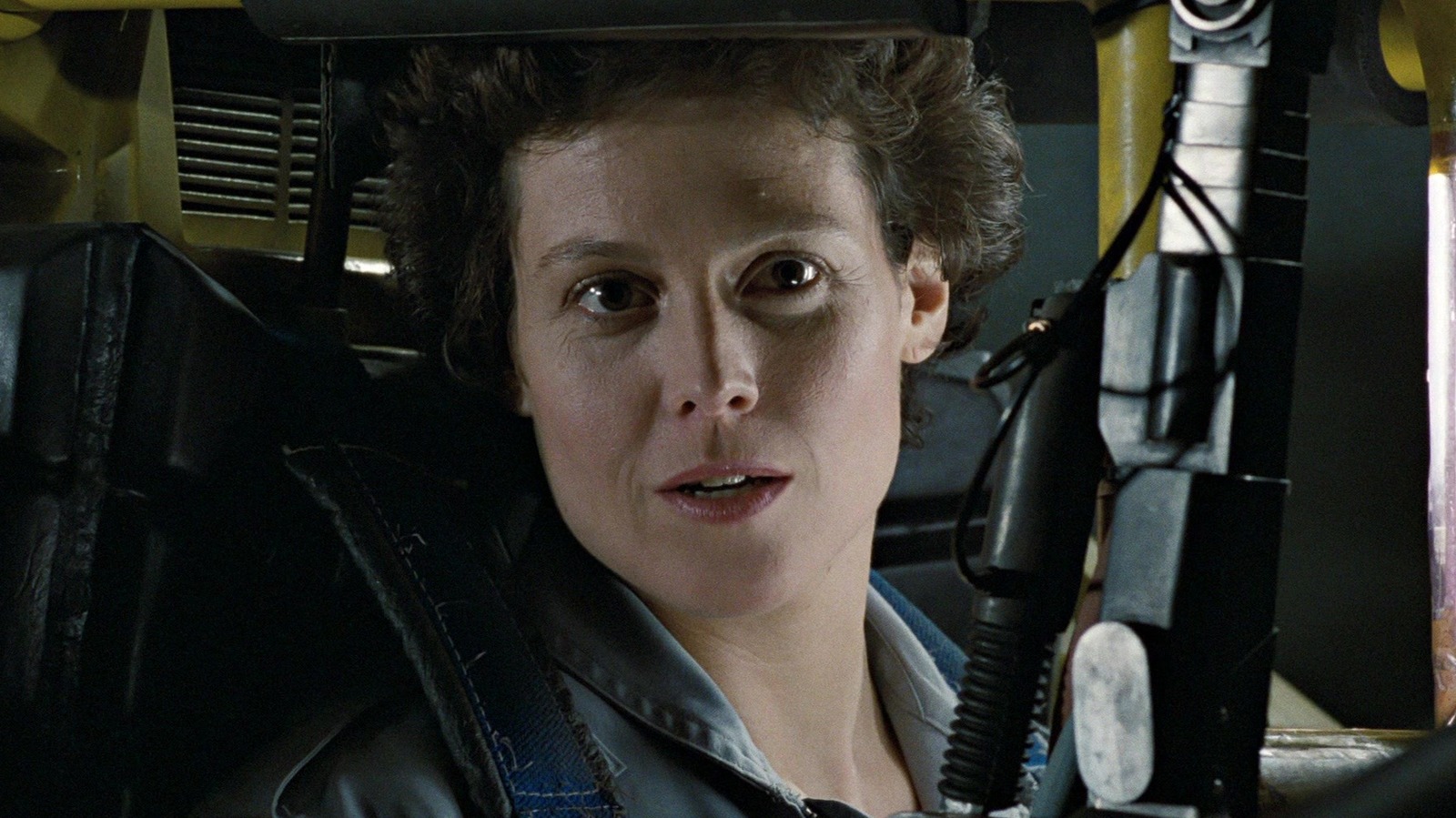
During the initial development phase, studio executives assured Cameron that Weaver was under contract for a sequel. Relying on this assurance, Cameron poured his creative energy into a script that centered entirely on Ripley’s psychological and physical evolution. He envisioned her not just as a victim, but as a mother figure and a soldier.
The Realization
Upon returning to the negotiating table after completing the draft, the truth surfaced: there was no option. Fox had not even approached Weaver. They had lured a hot young director into crafting a vision for a project without securing the key asset required to realize it.
The Confrontation
Realizing he had been played, Cameron faced a choice: either move forward with a rewritten script devoid of the character he had written into the DNA of the film, or force the studio’s hand. He chose the latter, but he did so from a position of profound weakness. He had never met Weaver, and he had no leverage other than his own willingness to walk away.
The Masterful Bluff
When Weaver’s agents eventually presented her demands, they were substantial—understandably so, given the stature she had gained since the original film. Fox, predictably, balked. The negotiations hit a wall. It was at this juncture that Cameron and his producing partner (and then-wife) Gale Anne Hurd executed a psychological operation worthy of a military thriller.
Walking Away
Cameron and Hurd announced they were stepping away from the project. "Okay, f*** all y’all," Cameron recalled of the moment. "We’re going to get married in Hawai’i, and it’s all off." It was a moment of pure, unadulterated risk. They effectively quit, forcing the studio to confront the reality of losing their director and his script entirely.
The Information Leak
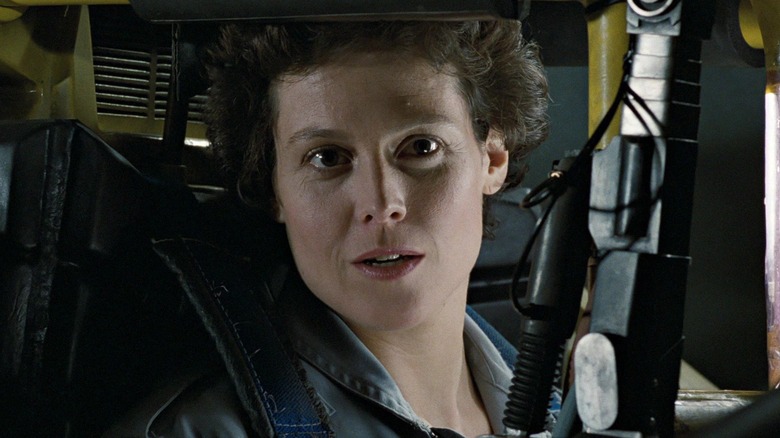
Knowing that a simple resignation might not be enough, Cameron decided to weaponize the "Hollywood grapevine." He placed a call to Lou Pitt, an agent at the same firm that represented Weaver. During the conversation, Cameron spoke with supreme confidence about his excitement for the "Aliens" script and, crucially, noted that he was perfectly prepared to rewrite the entire film without the character of Ripley.
He knew exactly what he was doing: he was planting the seed. He knew that word would travel across the hallway to Weaver’s representation. The message was clear: The director is moving on, and the script is being gutted of your client’s role.
The Result
The tactic worked with surgical precision. Panicked by the prospect of their client being written out of a major franchise vehicle, Weaver’s representatives returned to the table. Within 12 hours, the deal was finalized. Sigourney Weaver secured her million-dollar payday, and James Cameron secured his lead.
Supporting Data: The Cost of Brilliance
The financial stakes of the period were significant. Aliens was produced on a budget of $18.5 million—a modest sum by today’s standards, but a substantial investment for a sequel in 1986. The film eventually grossed over $183 million globally, proving that the gamble paid off in dividends.
However, the "cost" was not merely monetary. The production of Aliens is legendary for being one of the most grueling in film history. The friction between Cameron and the British crew, who were fiercely loyal to the methods of the original Alien production, created a high-pressure environment. Weaver herself has spoken about the difficulty of the shoot, which involved intense physical stunts, working with complex practical effects, and the psychological weight of carrying an action-heavy narrative.
Official Responses and Industry Implications
Looking back, the incident serves as a primary example of "auteur theory" in action. By threatening to quit, Cameron proved that he valued the integrity of his vision over the security of the job. In modern Hollywood, such a move is rare, as the machinery of franchise management usually strips directors of this kind of creative agency.
When asked about the incident, Cameron’s tone remains one of pragmatism. He acknowledges that while his threat was a bluff, it was a necessary one. "This is just movies," he noted in his retrospective. "How movies happen and don’t happen."
Implications for the Franchise
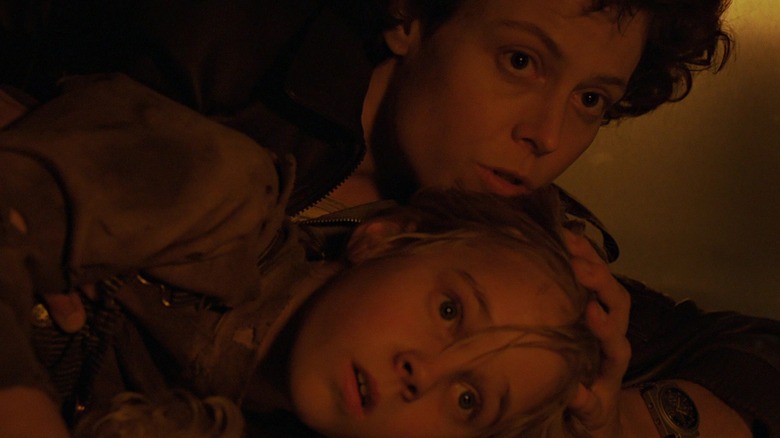
The implications of this standoff ripple through the entire Alien legacy. Had Cameron failed, the film likely would have been a generic space-marine movie, missing the emotional heart that Ripley provided. Weaver’s performance, which earned her an Academy Award nomination for Best Actress—a rarity for a science-fiction action role—defined the character for decades to come.
Furthermore, the "power loader" sequence, which sees Ripley face off against the Queen, became the visual shorthand for the entire franchise. Without the specific narrative arc Cameron fought to protect, the "Aliens" we know today simply would not exist.
The standoff between James Cameron and 20th Century Fox serves as a reminder that the greatest stories in cinema are often forged in the fires of behind-the-scenes conflict. Cameron’s willingness to walk away from his big break proves that, in the world of high-stakes filmmaking, the most powerful tool a director has isn’t a camera—it’s the conviction to hold the line.


 Nila Kartika Wati
 Nana Wu