

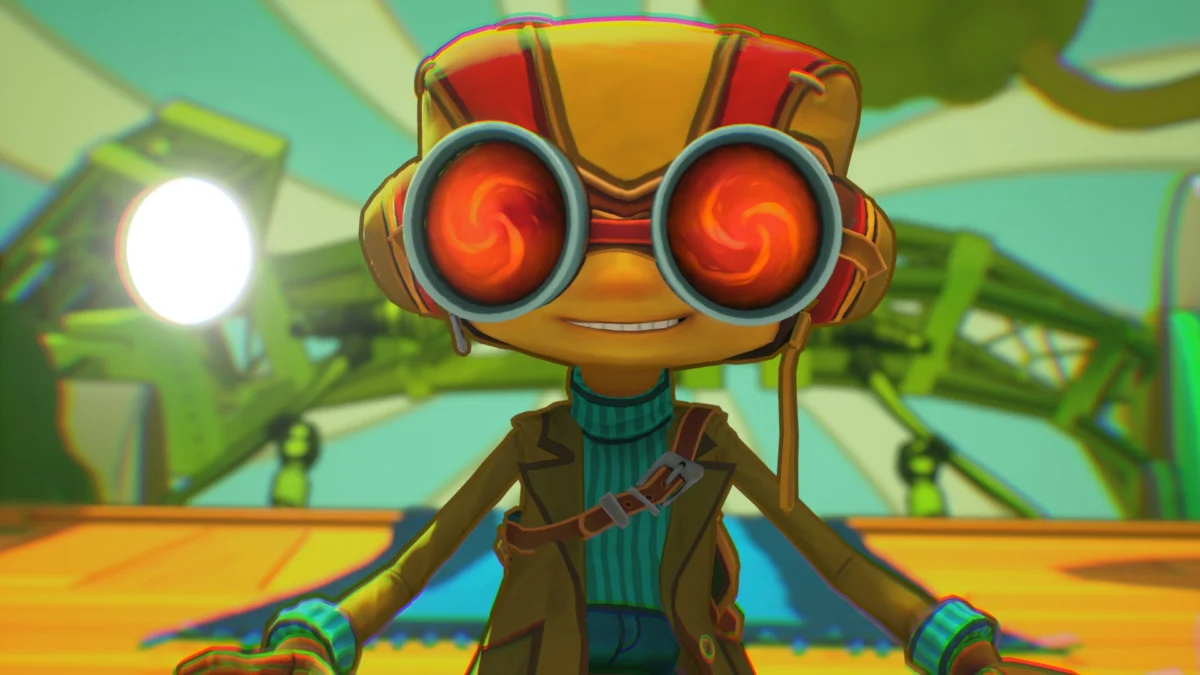
In a landmark development for the gaming industry, Double Fine Productions—the celebrated studio behind cult classics like Psychonauts, Brütal Legend, and Broken Age—has officially initiated the process to form a labor union. This move marks another significant milestone in a rapidly shifting landscape where video game developers are increasingly turning to collective bargaining to secure their futures.
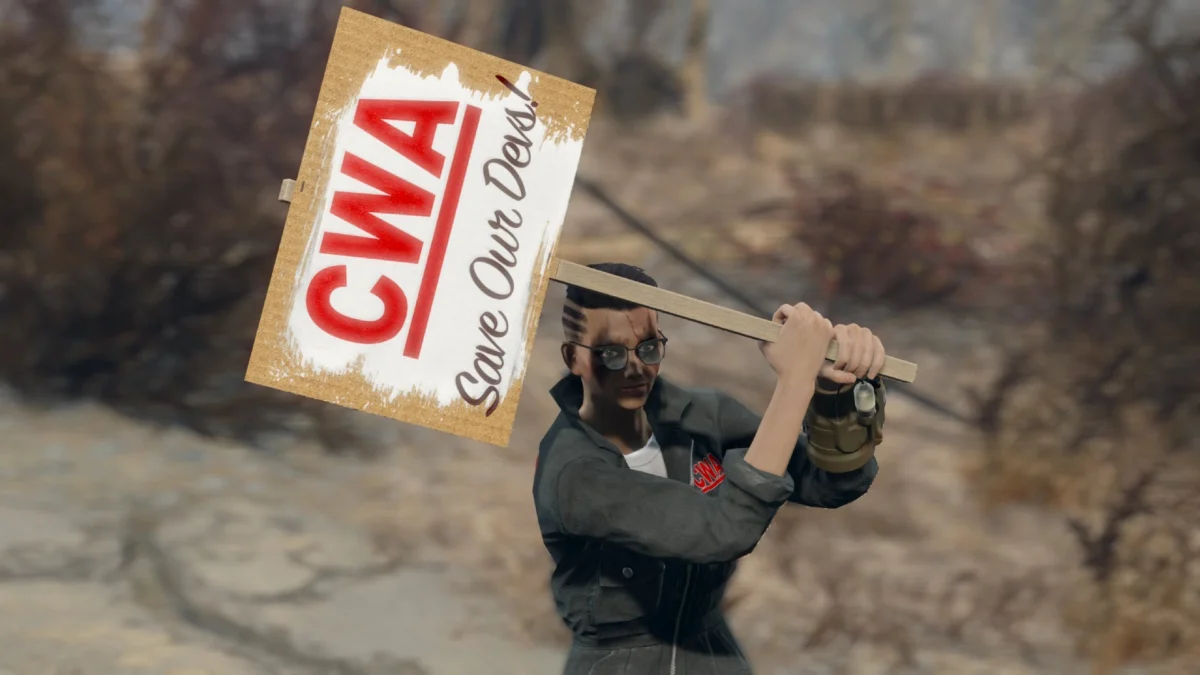
By filing a petition with the National Labor Relations Board (NLRB) on May 7, the staff at the Microsoft-owned studio are seeking to formalize their representation under the Communications Workers of America (CWA). This decision, which encompasses 42 regular part-time and full-time employees, signals a unified push to safeguard the studio’s unique culture while insulating the workforce against the volatility that has defined the broader tech and gaming sectors in recent years.
The Core Facts: A Studio Seeking Stability
The push at Double Fine is not an isolated event but rather a continuation of a "wall-to-wall" unionization trend sweeping through Microsoft’s massive gaming division. The petition, filed with the NLRB, requests formal recognition to represent the interests of 42 employees.
The union’s stated mission is to "preserve and extend the studio’s commitments to creative excellence, diversity and inclusion, and worker quality of life." By aligning with the CWA, Double Fine staff are positioning themselves to negotiate directly with management on matters of compensation, job security, and the preservation of the studio’s idiosyncratic creative spirit—a hallmark of founder Tim Schafer’s legacy.
A Chronology of the Microsoft Union Wave
To understand the significance of the Double Fine move, one must view it within the context of the recent history of labor relations at Microsoft. Since the tech giant’s acquisition of Activision Blizzard and its consolidation of various studios, a domino effect of unionization has taken place:
- Early 2023: As Microsoft initiated sweeping layoffs across the industry, workers began to recognize the necessity of collective bargaining. ZeniMax Quality Assurance workers formed what was then the largest union in the video game industry.
- Mid-2023: Following the ZeniMax precedent, QA staff at various Call of Duty studios began organizing, aiming to shift the narrative that entry-level testing staff were expendable "cannon fodder."
- Early 2024: The momentum accelerated with massive wins at Blizzard. Over 500 World of Warcraft developers voted to form a "wall-to-wall" union, quickly followed by 400 Blizzard platform technology staff.
- March 2024: The trend reached the legendary Doom studio, id Software, where 165 workers voted to unionize.
- May 7, 2024: Double Fine Productions filed their petition, marking the latest chapter in this ongoing effort to bring structural accountability to one of the world’s largest gaming conglomerates.
Supporting Data: The Climate of Uncertainty
The urgency behind these organizing efforts is rooted in a sobering set of industry statistics. Since 2023, the gaming industry has been rocked by "The Great Layoff," a period of aggressive workforce reduction. Microsoft itself has been at the center of this, having cut thousands of jobs across its gaming divisions.
These layoffs have impacted some of the most prestigious franchises in history, including Starfield, Halo Infinite, and Gears of War. For the average developer, the message has been clear: even the most critically acclaimed and commercially successful studios are not immune to the cold calculations of corporate "restructuring" and the pursuit of "sustainable future growth."
The data suggests a direct correlation between the frequency of these layoffs and the acceleration of union activity. When job security becomes a question of quarterly earnings reports rather than individual performance or studio health, workers have found that the only effective response is to secure a seat at the bargaining table.
Official Responses and Corporate Neutrality
The transition at Double Fine has been notably devoid of the combative, anti-union rhetoric often seen in other sectors. In a statement provided to Aftermath, the CWA noted that workers have requested voluntary recognition from Microsoft.
Crucially, the union stated: "We appreciate that Microsoft has taken a neutral approach and agreed not to interfere in any way with workers’ rights to organize unions."
This neutrality is a key component of the Labor Peace Agreement Microsoft entered into with the CWA, which was part of the company’s efforts to assuage regulatory concerns during its acquisition of Activision Blizzard. By adhering to this agreement, Microsoft has effectively allowed a democratic process to unfold, potentially setting a gold standard for how massive corporations can interact with their organized workforce without the acrimony of traditional union-busting tactics.
The Broader Implications for the Gaming Industry
The unionization of Double Fine carries heavy implications that extend far beyond the walls of the studio.
1. The Protection of Creative Culture
Double Fine is a studio defined by its creative risks. Unionization provides a mechanism for workers to ensure that, as the studio integrates further into the Microsoft ecosystem, the creative autonomy that birthed titles like Psychonauts is protected. When workers have a voice, they can advocate for sustainable "crunch-free" development schedules, which in turn fosters the long-term creativity needed to produce high-quality, innovative games.
2. A Blueprint for Mid-Sized Studios
While large-scale unions at Blizzard or ZeniMax garner the most headlines, the unionization of a 42-person studio like Double Fine provides a blueprint for smaller, mid-sized teams. It demonstrates that you do not need to be a massive department to have a meaningful impact on corporate policy. It empowers smaller teams to assert their value within a parent organization that may prioritize the bottom line over artistic integrity.
3. The Moral and Ethical Landscape
It is impossible to ignore the complex political context in which these studios operate. As noted by industry observers and activists, these unions are forming within a company currently facing scrutiny and calls for boycotts regarding its military contracts and geopolitical ties.
The formation of these unions provides workers with a collective platform to engage with these issues. While a labor union’s primary goal is internal (wages, benefits, conditions), a collective body of employees is also a collective body of citizens. Having a unionized workforce at a company as influential as Microsoft creates a new dynamic where employees have the leverage to influence not just their working conditions, but the ethical direction of the company at large.
Conclusion: A New Chapter for Labor
The decision by the staff at Double Fine Productions to unionize is a testament to the maturation of the video game industry. Developers are no longer viewing their roles as temporary, passion-driven gigs, but as professional careers that demand stability, representation, and respect.
As more studios follow suit, the power dynamic in the gaming industry is undergoing a structural realignment. Microsoft, by maintaining its neutrality, is currently positioned as the catalyst for this change. Whether this experiment in "corporate-labor cooperation" will hold as the industry continues to face economic headwinds remains to be seen. However, one thing is certain: the era of the individual developer fighting for their rights in isolation is ending, replaced by a new, collective era where the creators of our favorite digital worlds are finally taking control of their own professional destiny.











No comments yet. Be the first to join the conversation!