

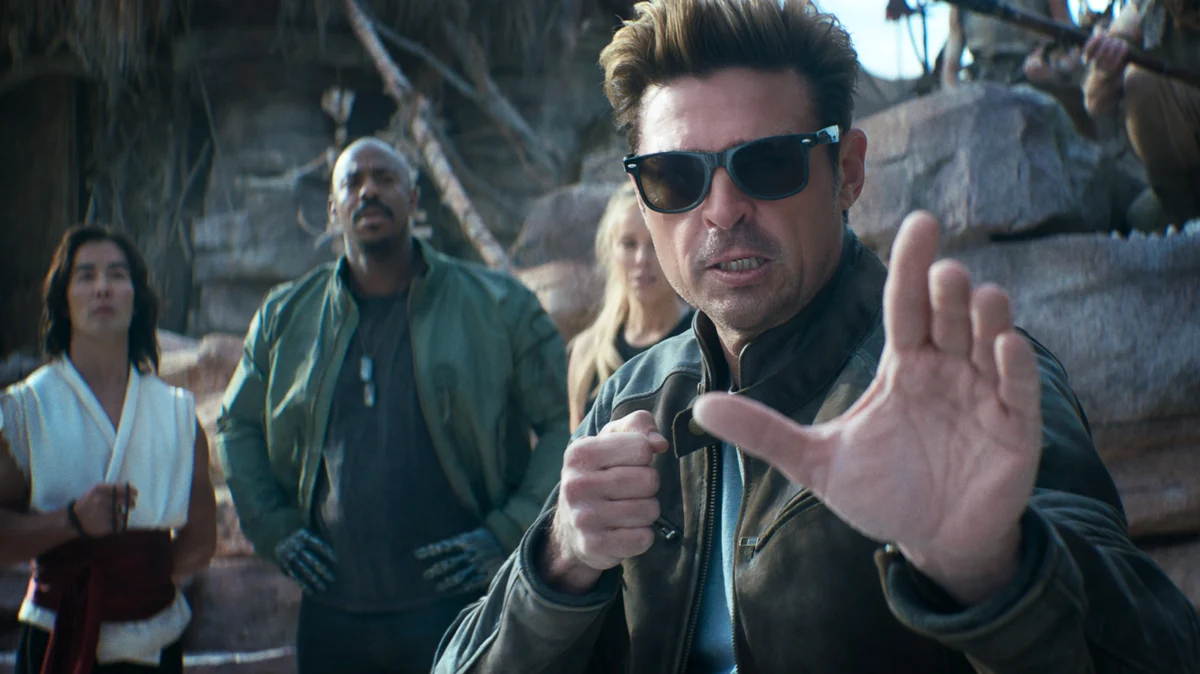
In the hyper-violent, high-stakes realm of Mortal Kombat II, where gods clash and realms teeter on the brink of annihilation, the presence of Johnny Cage—the arrogant, charismatic, and often misunderstood Hollywood action star—provides a necessary anchor of human levity. Portrayed by Karl Urban, this iteration of the iconic character has sparked significant discussion, not just for his screen presence, but for his tactical approach to combat. Specifically, a bizarre, windmill-like defensive maneuver has become the focal point of fan curiosity. In an exclusive discussion regarding the film, Urban shed light on the creative evolution of this "silly" technique, revealing how it serves as a metaphor for the character’s internal growth.
The Foundation of a Franchise Icon
To understand the significance of Johnny Cage’s antics in Mortal Kombat II, one must first acknowledge the legacy he carries. Since the inception of the video game franchise in the early 1990s, Cage has been defined by a specific set of tropes: the bravado, the iconic "It’s showtime!" catchphrase, and the infamous "Nut Cracker" (or "Ball Buster") special move.
When director Simon McQuoid and his team set out to bring this character into the modern cinematic fold, they faced a unique challenge: how to translate a character who feels like a parody of 1990s action stars into a film that requires genuine emotional stakes. As noted in early sequences of the film, Cage is introduced through the lens of his past career—specifically, a fictional 90s action flick titled Uncaged Fury. This introduction serves as a narrative device to establish the dichotomy between the "reel" fighting of Hollywood and the "real" brutality of the Mortal Kombat tournament.
Chronology of a Combat Innovation
The "windmill arm" technique, a sequence where Cage aggressively rotates his arms to deflect incoming projectiles and disorient his opponents, did not appear in the original script as a master-stroke of martial arts. Instead, its origin is rooted in the collaborative nature of the production’s stunt department.
Phase 1: The Hollywood Mythos
The move is first introduced to audiences as part of a choreographed sequence in Uncaged Fury. Within the film’s universe, this move is presented as the height of 1990s cinematic excess—a "preposterous" display of style over substance. It is a moment of pure spectacle that defines the character’s early-career arrogance: he believes that because he has played a hero on screen, he possesses the skills to survive in the real world.
Phase 2: The Reality Check
The narrative turning point occurs when Johnny Cage is thrust into a life-or-death confrontation with the lethal Tarkatan warrior, Baraka. As the fight progresses, Cage finds himself outmatched by the raw, animalistic strength of his opponent. It is here that the film masterfully utilizes the "windmill" move not as a display of vanity, but as a desperate, improvisational tactic.
Phase 3: The Payoff
As Urban explained in our exclusive interview, the move functions as a classic "set up and pay off." By utilizing the muscle memory from his years of fake film fighting, Cage manages to confuse his opponent. The surprise—and arguably the confusion—on Baraka’s face provides the opening Cage needs to survive.
Supporting Data: The Philosophy of the Stunt
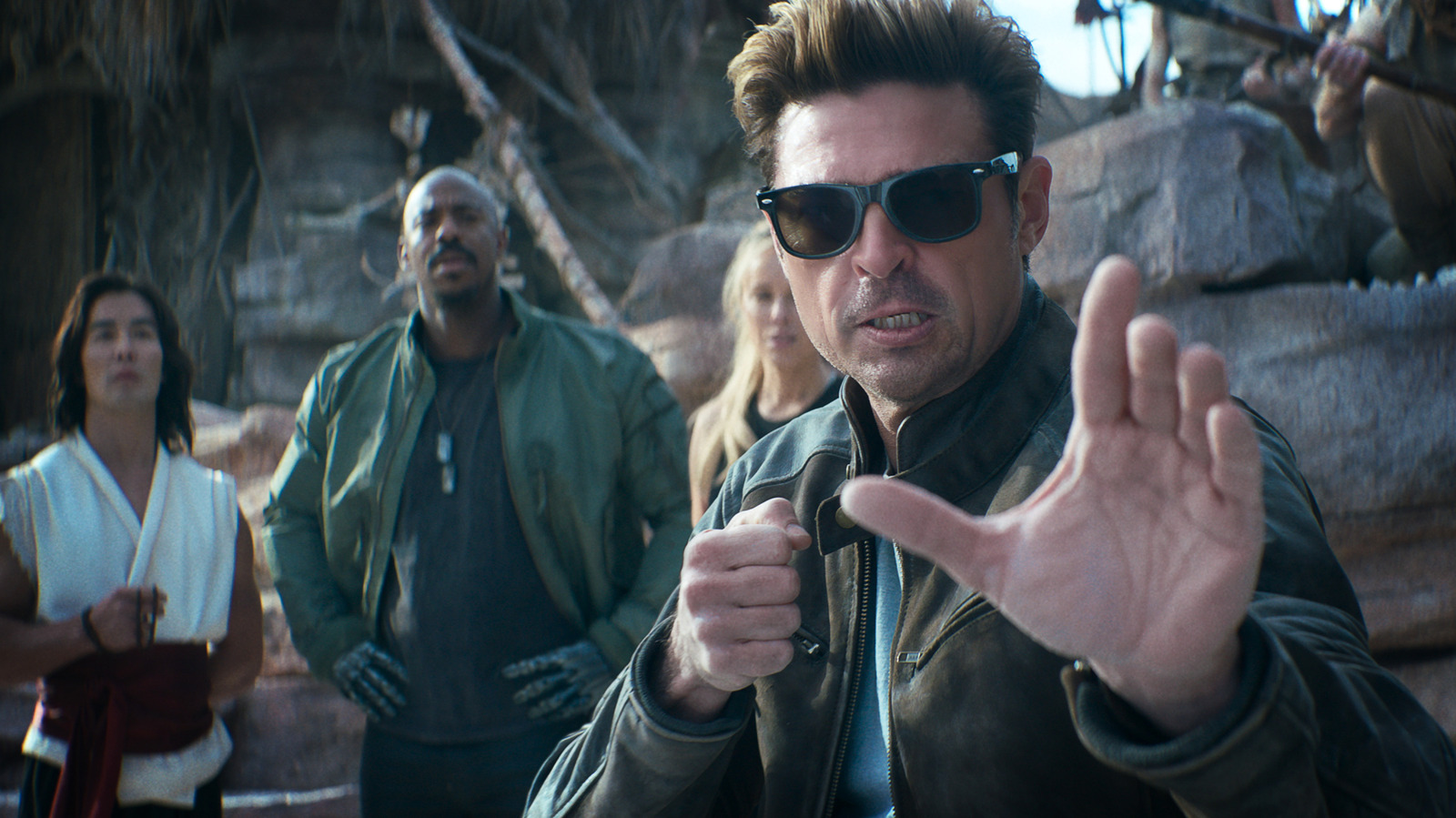
The choice to include such a seemingly ridiculous maneuver was a deliberate creative decision by Urban and the stunt team. It is a commentary on the character’s arc: Johnny Cage begins the film as an actor who does not truly believe in his own capabilities. He is a man performing a role rather than inhabiting a warrior’s spirit.
"It was my stunt guys who devised the move," Urban noted. "The whole idea behind that is that Johnny Cage is a character who doesn’t believe in himself. When he’s finally forced to step up, he falls back on this old choreography that he learned for a fight in a ’90s movie. Then it works!"
This creates an interesting dynamic where the character’s greatest strength—his Hollywood background—is initially his biggest weakness, until he learns to weaponize his own absurdity. The fact that the move is "silly" is precisely why it is effective; in a world of serious, grim-faced combatants, Cage’s unpredictability becomes his greatest asset.
Official Perspectives and Behind-the-Scenes Insights
Director Simon McQuoid has long championed the idea that the characters in Mortal Kombat II must be treated with genuine affection for them to resonate with audiences. Urban’s performance is a testament to this philosophy. By leaning into the silliness of the windmill move, the production team elevated Cage from a generic action hero to a character with depth, humor, and vulnerability.
Urban recalled the filming process with enthusiasm, emphasizing the comedic chemistry between himself and the performer behind Baraka, CJ Bloomfield. "We had so much fun shooting that. It was so preposterous, but then it was almost like the amazement on Baraka’s face… those crazy moves enabled Johnny to get the opening to do what he does."
This dynamic highlights a central pillar of the Mortal Kombat film series: the ability to balance the inherent absurdity of the source material with the demands of cinematic storytelling. The film does not ask the audience to take Cage’s fighting style seriously in a literal sense; rather, it asks us to appreciate the ingenuity of a man who uses the only tools he has to survive in a world that is far more dangerous than any soundstage.
Implications for the Mortal Kombat Universe
The reception of Johnny Cage’s characterization in this installment has significant implications for the future of the franchise. By framing his combat style through the lens of his acting career, the creative team has opened a door to explore the "meta" elements of the video games.
Character Development
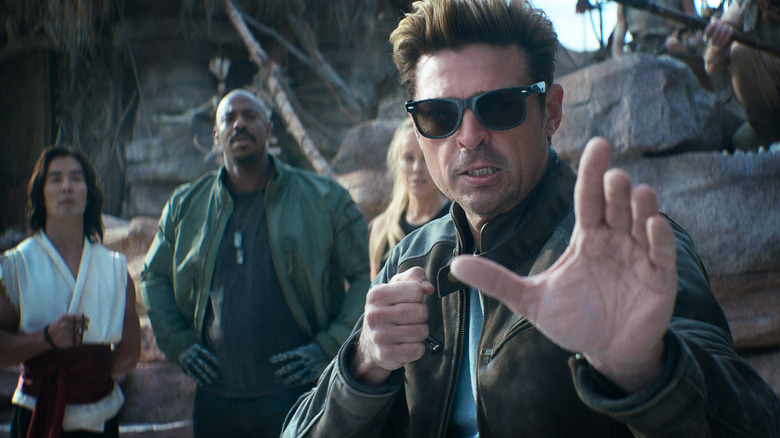
Johnny Cage is no longer just the "comic relief." He is a man undergoing a transformation from a cynical, washed-up actor to a legitimate protector of Earthrealm. His reliance on "movie moves" shows a character who is slowly realizing that his life has become the very thing he once acted out on screen.
The Evolution of Fight Choreography
The success of the Baraka fight sequence suggests that future Mortal Kombat films may continue to move away from standardized, hyper-realistic martial arts and toward more character-specific fighting styles. If every fighter in the tournament utilizes their own unique "flair"—whether it be through magic, cybernetic enhancements, or, in Cage’s case, theatrical training—the action sequences will remain distinct and memorable.
Fan Engagement
The positive reception to these "silly" moments proves that fans of the franchise appreciate when the films honor the source material’s roots. Mortal Kombat was never intended to be a solemn, grit-filled drama; it was always meant to be a high-octane, colorful, and occasionally over-the-top experience. By embracing this, Mortal Kombat II has solidified its place as a love letter to the fans who grew up with the games.
Conclusion
Karl Urban’s portrayal of Johnny Cage in Mortal Kombat II is a masterclass in balance. By infusing the character with a sense of self-aware, theatrical bravado, he has created a version of Cage that feels both nostalgic and fresh. The "windmill arms" move is a perfect microcosm of this approach—it is a moment of pure, unadulterated fun that simultaneously drives the character’s emotional journey forward.
As the film continues to find its audience in theaters worldwide, it serves as a reminder that even in a story defined by gore and ancient prophecies, there is always room for a bit of Hollywood flair. Johnny Cage may be flailing around, but he is doing so with heart, ambition, and an unwavering commitment to his own unique brand of heroism. Whether or not he survives the next tournament remains to be seen, but one thing is certain: he will do it with style.











No comments yet. Be the first to join the conversation!