

By Investigative Desk
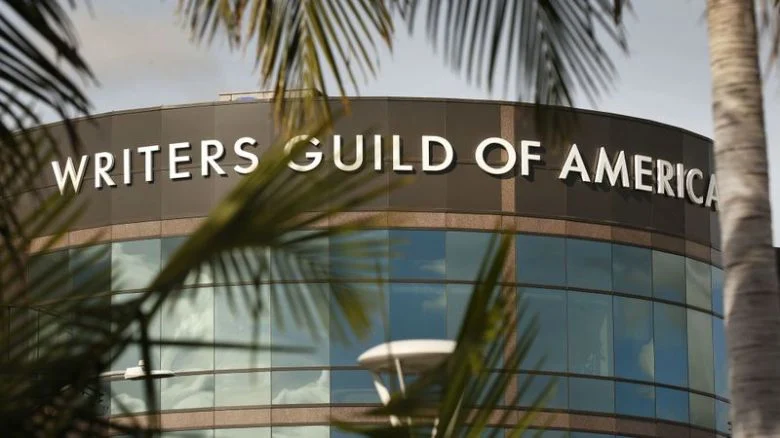
After a tumultuous three-month labor dispute that pitted the Writers Guild of America (WGA) West against its own internal workforce, a tentative agreement has been reached, signaling an end to a strike that had paralyzed operations at one of Hollywood’s most powerful labor organizations. The resolution marks a significant turning point in a conflict that highlighted the complexities of union management when the entity responsible for fighting for workers’ rights becomes the employer itself.
The Writers Guild Staff Union (WGSU), which operates under the aegis of the Pacific Northwest Staff Union, announced that it has secured a landmark contract proposal. If ratified in the coming days, the agreement will provide staff with a series of salary increases and, perhaps more crucially, established seniority provisions that address long-standing grievances regarding job security and workplace equity.
The Terms of the Agreement
The tentative contract is designed to provide immediate fiscal relief while establishing a framework for long-term stability. Key highlights of the agreement include:
- Retroactive Salary Increases: Staff members are set to receive a minimum four percent salary increase, retroactive to January 1, 2026.
- Compounded Wage Growth: Beyond the initial retroactive bump, the contract stipulates additional four percent raises scheduled for August 2026 and August 2027, ensuring that staff wages keep pace with the rising cost of living in Los Angeles.
- Seniority Provisions: The union successfully negotiated new protections for staff during layoffs, ensuring that tenure is a primary factor in organizational restructuring.
- Concerted Activity Protections: Both parties have agreed to a no-strike clause that explicitly protects the right to engage in future concerted activity, a vital win for a union that had faced internal accusations of “intimidation” during the heat of the strike.
“A ratification vote will be held in the coming days,” the WGSU Bargaining Committee stated in an official release. “The Bargaining Committee is enthusiastically recommending our members vote yes. Once ratified, the WGSU strike will end and Writers Guild staff will return to doing what we do best: defending the writers’ hard-fought gains and helping them build collective power.”
A Chronology of Conflict
The strike, which commenced in February 2026, occurred against the backdrop of the WGA’s own high-stakes negotiations with the Alliance of Motion Picture and Television Producers (AMPTP). As the WGA leadership fought to secure a new four-year deal for screenwriters—focusing on residuals, AI protections, and health fund contributions—the irony of the guild’s own staff being on the picket line was not lost on the industry.
The Escalation
By March 2026, the labor dispute had begun to disrupt the normal functions of the guild. The most visible casualty of the standoff was the cancellation of the annual in-person WGA West Awards ceremony. This event, usually a celebration of the guild’s solidarity and creative output, became a symbol of the internal friction between the guild’s board and its employees.
As the weeks dragged on, tensions flared. In April, the rhetoric between the two parties reached a boiling point. WGA West leadership issued a series of scathing internal communications, accusing members of the staff union of engaging in “violence and intimidation” during their picket line activities at the guild’s Los Angeles headquarters. The guild had, at that time, declared an offer submitted on April 8 to be its “best and final” proposal. However, continued pressure from the staff and the broader labor community forced a return to the negotiating table, eventually leading to the breakthrough announced this week.
The Paradox of the Employer-Union
The WGA staff strike presented a unique case study in labor relations. Typically, the WGA serves as the representative body for writers, negotiating on their behalf against massive studio conglomerates. When the WGA acts as an employer, it is governed by the same labor laws that it frequently cites when advocating for its membership.
Industry analysts have pointed out that this strike created a “mirror effect.” While the WGA was finalizing a historic four-year deal with studios that bolstered health and pension plans—maintaining the gains won in the 2023 strike against AI encroachment—it was simultaneously embroiled in a battle that challenged its own institutional integrity.

The "Best and Final" Stalemate
For much of April, the situation seemed irreconcilable. The WGA West leadership had taken a hardline stance, characterizing the staff’s demands as untenable. By publicly accusing the staff union of hostile tactics, the guild risked alienating its own membership base, many of whom were sympathetic to the staff’s plight. The transition from a "final" offer to a signed tentative agreement suggests that both sides realized the reputational damage of an ongoing strike outweighed the costs of the requested wage increases and seniority protections.
Supporting Data: The Broader Economic Context
The WGA’s recent negotiation with the AMPTP provides necessary context for the current climate. The 2026 agreement with the studios, which runs for four years rather than the traditional three, was a strategic move to ensure stability following the industry-wide shutdowns of 2023.
The studio deal includes:
- Increased Contributions: A significant influx of capital into the WGA’s health and pension funds.
- AI Guardrails: Maintenance of strict limitations on the use of generative artificial intelligence in screenwriting processes.
- Streaming Residuals: Continued adherence to the transparency and payment structures established in the 2023 contract.
By securing these gains for its writers, the WGA leadership had successfully navigated a treacherous landscape with the studios. However, the internal strike suggested that while the guild was focused on macro-level industry trends, it had neglected the micro-level needs of its own internal administrative and support staff.
Implications for Organized Labor
The resolution of the WGSU strike holds several implications for organized labor within the entertainment industry and beyond.
1. The Normalization of Staff Unions
The success of the WGSU—backed by the Pacific Northwest Staff Union—demonstrates a growing trend of "vertical organizing." Employees who work for unions, non-profits, and political organizations are increasingly recognizing that their proximity to labor advocacy does not exempt them from the need for collective bargaining.
2. Reputation Management in Labor Disputes
The WGA’s public accusation of "intimidation" against its own staff serves as a cautionary tale. For labor organizations, the court of public opinion is as critical as the negotiating table. When a union is seen as an "anti-labor" employer, it weakens its moral authority when it eventually faces off against corporate entities. The swift return to negotiations after the April impasse indicates that the WGA likely recognized the long-term cost of being perceived as a hostile employer.
3. The Future of WGA Internal Relations
With the ratification vote looming, the WGA faces the task of reconciliation. The staff who return to the office will be doing so after months of bitterness. Rebuilding trust between the administrative staff and the guild leadership will be essential for the guild to function effectively as it moves into the next phase of the 2026-2030 contract cycle.
Conclusion
The end of the WGSU strike is a victory for the staff members who persisted through nearly 90 days of picketing. By securing retroactive pay and tangible seniority protections, they have successfully ensured that their professional future is tied to the strength of their contract. For the WGA West, the conclusion of this strike is a necessary step toward restoring normalcy. As the guild turns its attention back to the primary mission of supporting its writers, it leaves behind a chapter that served as a stark reminder: labor rights are universal, even within the halls of those who champion them most loudly.
As the ratification vote approaches, the industry watches with interest. If passed, the agreement will not only put the staff back to work but will also close a chapter of internal strife that has, for the past few months, cast a long shadow over the WGA’s professional reputation. The union, and its staff, must now find a way to move forward in tandem, keeping their eyes on the shared goal of protecting the creative voice in an ever-changing media landscape.











No comments yet. Be the first to join the conversation!