Pevita Pearce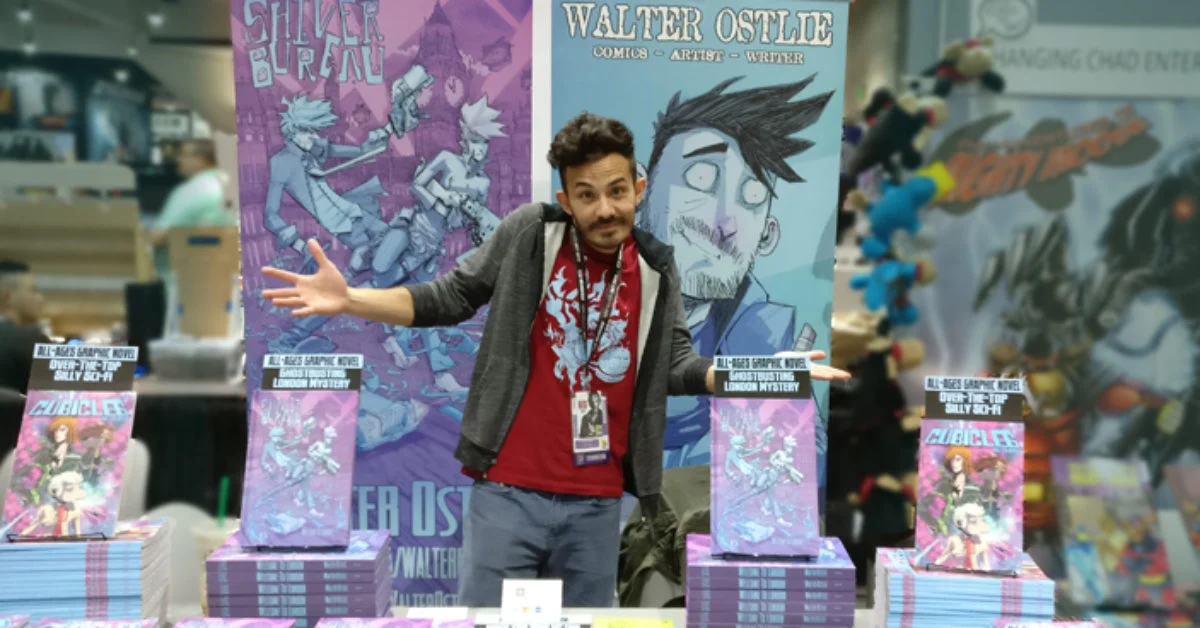
In the ever-shifting landscape of modern independent comics, few creators have managed to bridge the gap between traditional print graphic novels and the burgeoning digital frontier of webtoons as effectively as Walter Ostlie. A self-taught polymath of the medium, Ostlie’s career serves as a roadmap for the contemporary comic artist—one that demands not just artistic proficiency, but entrepreneurial agility, technical adaptability, and a relentless work ethic.
From his early days as an aspiring creator to his current status as a powerhouse in both the Kickstarter and Webtoon ecosystems, Ostlie has redefined what it means to be a "full-time" comic professional in the 21st century.
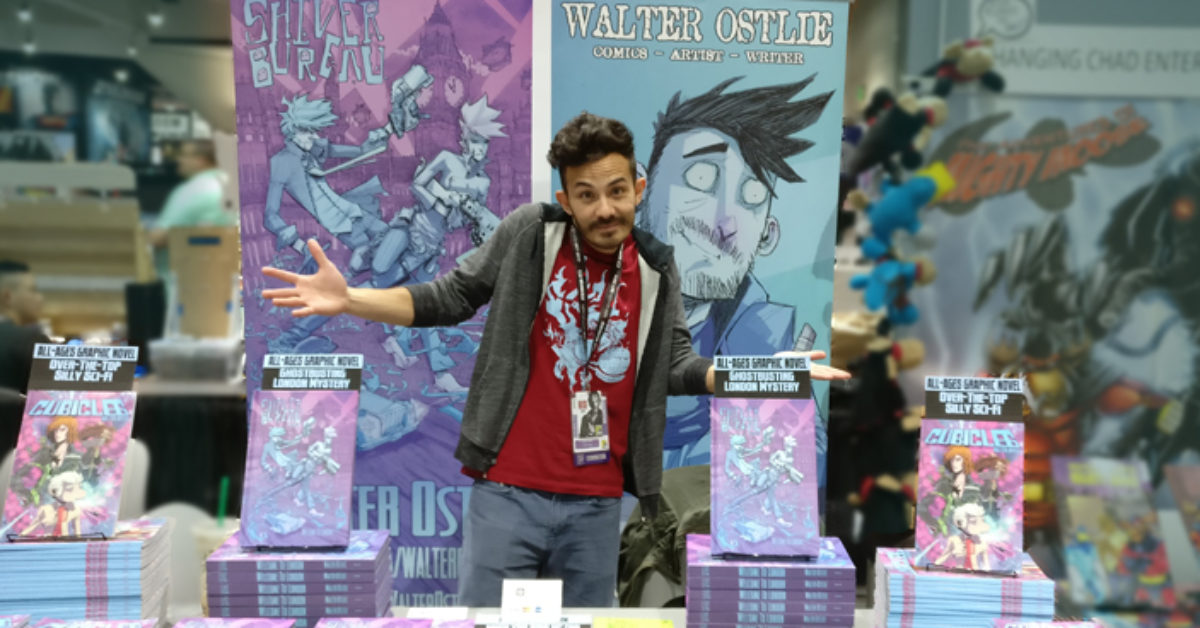
The Foundations: A Journey of Self-Teaching and Persistence
The trajectory of Walter Ostlie’s career is a testament to the power of autodidacticism. Beginning his formal journey in 2008, Ostlie didn’t follow a conventional path through art schools or corporate internships. Instead, he dove headfirst into the craft of writing and drawing, eventually culminating in his first graphic novel, Cubicles, published in 2011 by Red5 Comics.
Cubicles was more than just a debut; it was the proof of concept that launched his professional identity. It established his narrative voice—a blend of humor, relatable human struggle, and the surreal—that would later define his more ambitious projects. Following this, his sophomore effort, Shiver Bureau, served as a critical turning point. By raising over $13,000 on Kickstarter, Ostlie proved that he could cultivate a dedicated audience independent of major publishing gatekeepers. The subsequent acquisition of Shiver Bureau by Scout Comics for Diamond distribution signaled that his work had reached a level of quality that traditional industry giants could no longer ignore.
Chronology of a Career: From Print to Pixels
Ostlie’s professional timeline is marked by his ability to pivot when the industry shifts.
- 2008–2011: The formative years. Self-teaching, honing his craft, and publishing Cubicles.
- 2012–2016: The Shiver Bureau era. Expansion into crowdfunding and successful self-publishing efforts, followed by distribution deals.
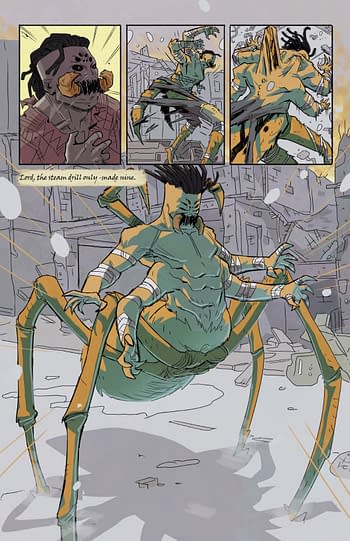
- 2016–2019: The collaborative phase. Ostlie served as a key artist on the award-winning series Is’nana: The Were-Spider, working alongside creator Greg Anderson Elysee.
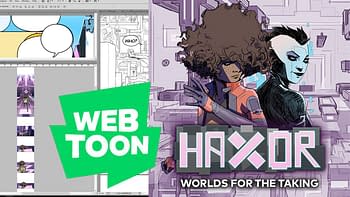
- 2019–Present: The Digital Pivot. Ostlie’s work on Haxor caught the attention of Webtoon, leading him to transition into a full-time, professional career where he creates high-frequency digital content while maintaining a presence in the print market with Metalshark Bro.
The Webtoon Revolution: A New Paradigm for Creators
One of the most significant shifts in Ostlie’s career was his move to the Webtoon platform. As he explains, Webtoon is not merely a digital repository for comics; it is a fundamental restructuring of the creator-platform relationship.
"Webtoon is webcomics, but to the power of a million," Ostlie notes. "It’s a webcomic platform, like YouTube, but for comics. Anyone can make a comic, post to Webtoon, and potentially make ad revenue. However, Webtoon is also like Netflix, in that they will fund comics. These are their ‘Originals.’ They pay the creators a publishing fee, and the creators still retain their IP."
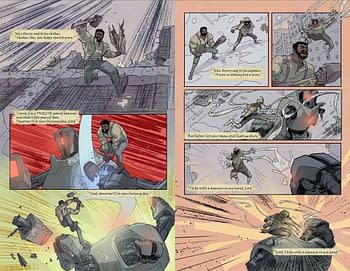
This model allowed Ostlie to make the life-changing decision to quit his 9-to-5 job and dedicate himself to comics full-time. The transition, however, required a complete overhaul of his creative process. Webtoon’s "infinite vertical scroll" format demands a different approach to storytelling compared to traditional, page-based American comics. According to Ostlie, it is an "infinite vertical scroll" that offers "a ton of room to play with," allowing him to focus on pacing and character development in ways that rigid panel counts do not allow.
The "Metalshark Bro" Phenomenon
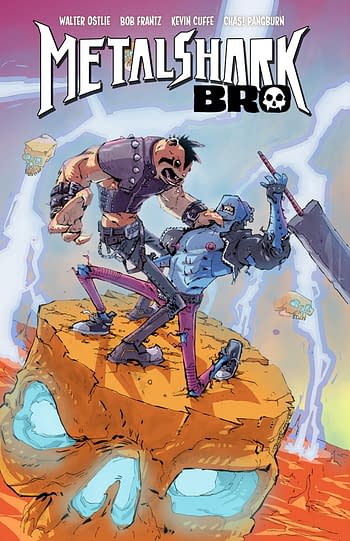
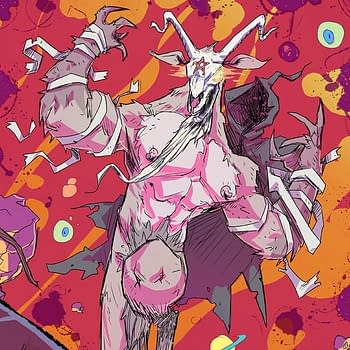
Perhaps no project better encapsulates Ostlie’s chaotic, creative energy than Metalshark Bro. Funded via a massive $50,000 Kickstarter campaign, the series is a self-described "were-shark battling demons" story that defies easy categorization.
The success of Metalshark Bro speaks to the appetite of the modern comic audience for high-concept, irreverent, and visually distinct storytelling. By partnering with writers Bob Frantz and Kevin Cuffe, Ostlie was able to lean into his strengths as a visual storyteller. The book has become a cult hit, proving that independent creators can build successful franchises through niche concepts that might otherwise be rejected by traditional publishers.
Artistic Methodology: Speed as a Catalyst
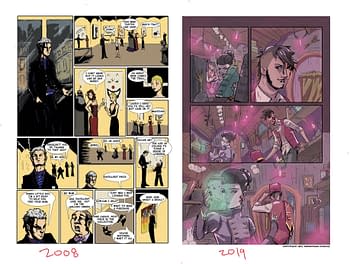
When asked about his evolving art style, Ostlie offers a refreshing take on the industry’s obsession with "perfecting" art. He views his development not as a move toward hyper-realism, but toward efficiency and clarity.
"Stuff that would have taken me a few hours to draw, I can now draw in 30 minutes," Ostlie says. "Speed may be the catalyst for my art style. I started making comics while working that 9-to-5… so I found ways to simplify my art to make the process faster."
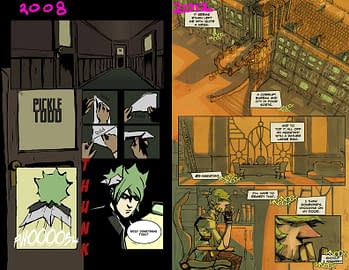
For Ostlie, the "obstacle course" of creating a comic is the greatest teacher. By drawing hundreds of hands, faces, buildings, and monsters in the service of a narrative, he has learned more than any academic exercise could provide. He cites influences like Skottie Young and Ben Templesmith—artists who prioritize style and character over traditional realism—as his primary inspirations.
The YouTube Factor: Educating the Next Generation
In addition to his creative output, Ostlie has become an unlikely mentor through his YouTube channel, which has amassed a significant following of over 4,500 subscribers. His content demystifies the "mundane" technical aspects of comic creation—lettering, formatting, and industry logistics—that are often ignored in favor of drawing tutorials.
His motivation for this is practical: "After you’ve been making comics for a while and had even a little success, people will start asking you questions… Making the videos was a way for me to say ‘go watch this video’ and get a few pennies for my trouble."
Implications for the Future of Comics
Walter Ostlie’s journey underscores several vital trends in the current comics industry:
- The Decline of the Gatekeeper: With the rise of Kickstarter and digital platforms like Webtoon, creators are no longer waiting for permission from traditional publishing houses to launch their careers.
- The Professionalization of the Creator: The modern comic creator must be a writer, artist, marketer, and project manager. Ostlie’s rigid daily schedule—7:00 AM wake-ups, disciplined 8-to-5 drawing sessions, and dedicated days for YouTube content—reflects the reality of a modern freelance professional.
- The Value of IP Ownership: By working on projects where he retains his intellectual property, Ostlie has ensured that his hard work accrues value over time, rather than feeding into a corporate machine.
Conclusion
As Ostlie looks toward his upcoming 2021 projects, he remains a figure of intense focus and ambition. Despite his success, he maintains a humble, grounded perspective, viewing his work as an essential part of his daily life—"like breathing."
Whether he is drawing shark-men battling demons or discussing the intricacies of Webtoon’s, the core of Walter Ostlie’s work remains the same: a dedication to telling stories that are both uniquely his own and accessible to a wide audience. For those looking to follow in his footsteps, the lesson is clear: create with speed, adapt to the technology, respect the audience, and above all, keep moving forward.
For fans of his work, the best is likely yet to come. As Ostlie himself puts it, he is "always looking for what’s next and what makes sense." Given his track record, whatever that "next" is, it will almost certainly be worth the wait.

 Rifan Muazin
 Ammar Sabilarrohman