

By [Your Name/Journalistic Staff]
May 10, 2026
In an era of television defined by bleak prestige dramas and hyper-serious cinematic universes, Hulu’s Rivals stands out as a neon-soaked, unapologetic anomaly. Based on the iconic Rutshire Chronicles by the late Dame Jilly Cooper, the series has returned for a second season, proving once again that television—at its most fundamental level—is supposed to be fun. As the series kicks off its sophomore run, it manages to amplify the hedonism, the power plays, and the sheer, unadulterated camp that made its debut a breakout success, solidifying its status as the most entertaining "guilty pleasure" currently streaming.
The Foundation: Setting the Stage for Excess
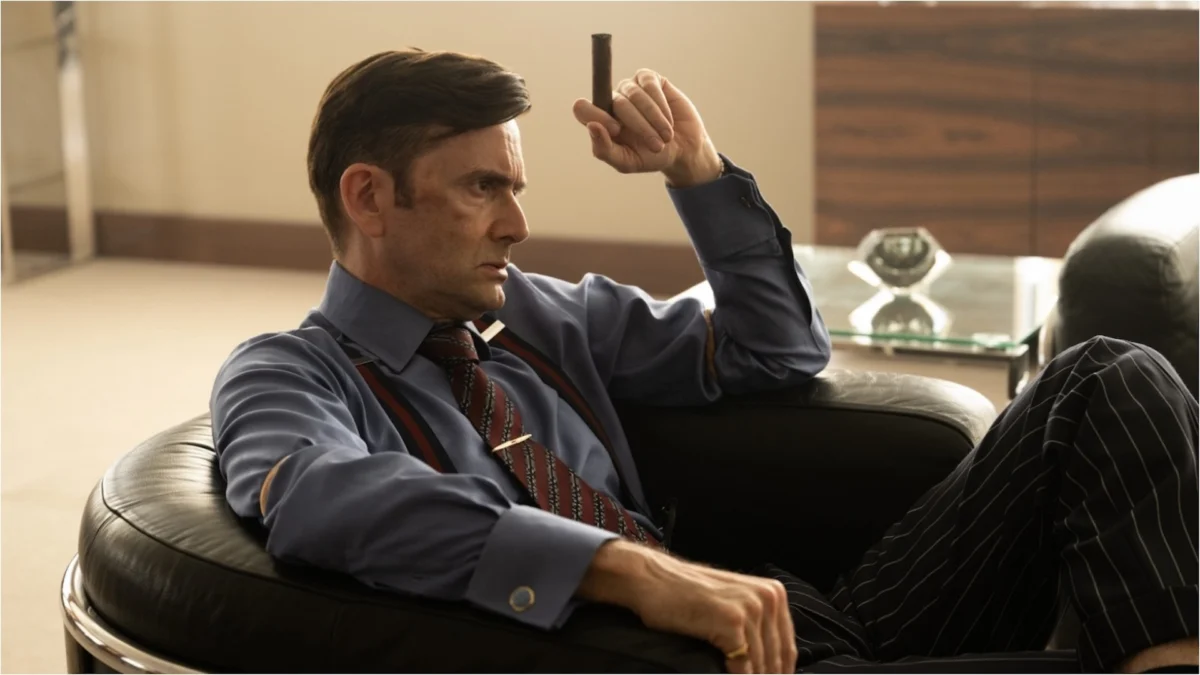
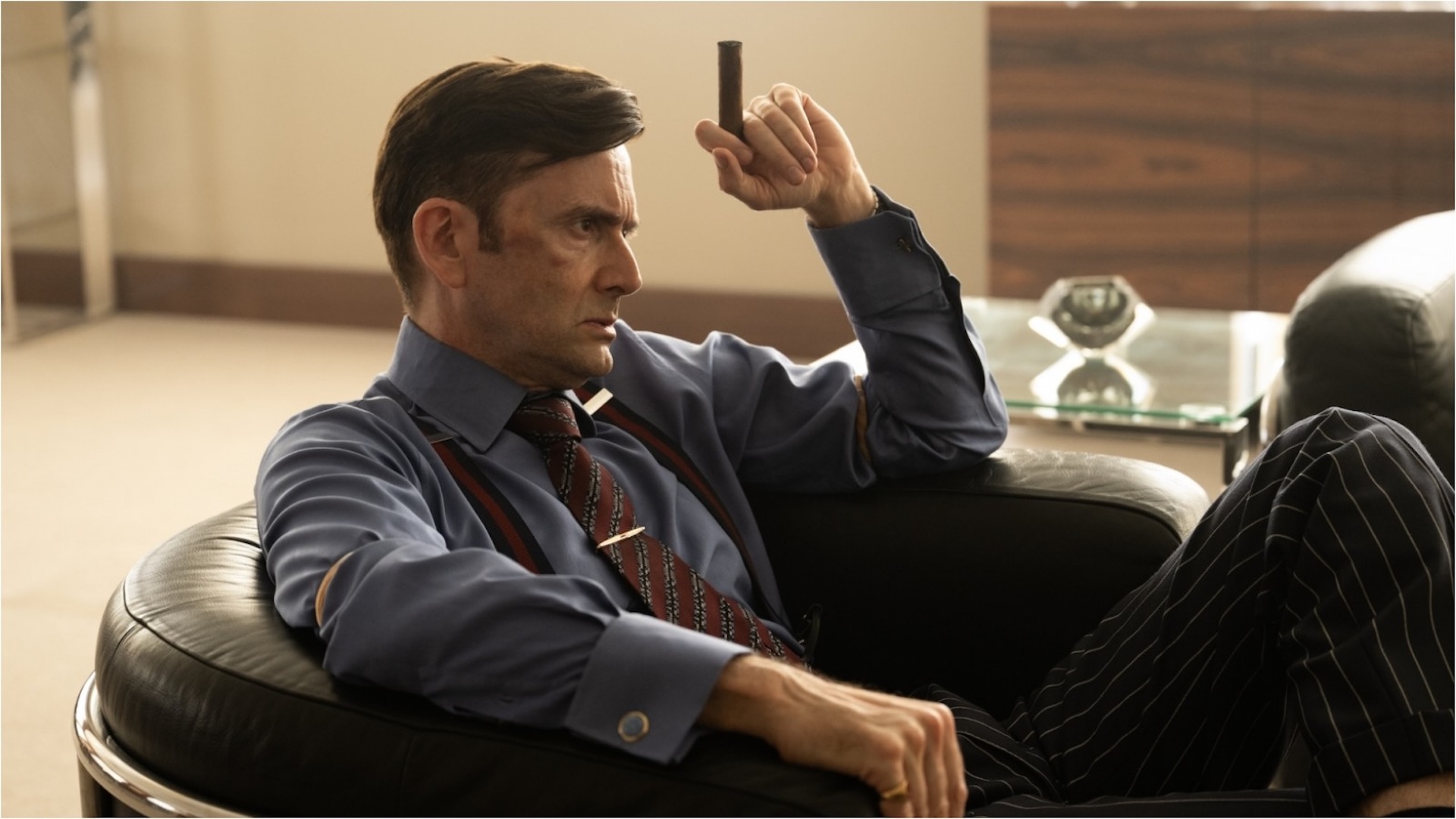
To understand the stakes of Rivals season 2, one must look back at the chaotic landscape of the first season. Set in the backdrop of the 1980s, the series chronicles the bitter, high-stakes feud between Lord Tony Baddingham (played with scenery-chewing delight by David Tennant) and the rogue-ish former Olympian-turned-politician Rupert Campbell-Black (Alex Hassell).
The narrative, which revolves around the cutthroat battle for control over the U.K. television franchise in Rutshire, acts as a microcosm for the larger class tensions and moral bankruptcy of the era. By teaming up with the cynical journalist Declan O’Hara (Aidan Turner) and the working-class tech disruptor Freddie Jones (Danny Dyer), Rupert challenged Baddingham’s iron-fisted control via the launch of their own network, "Venturer." It was a plotline as absurd as it was compelling, perfectly capturing the spirit of the 1980s: a time of big hair, bigger egos, and even bigger business gambles.
Chronology: Picking Up the Pieces of a Violent Season Finale
Season 2 wastes no time in re-establishing the stakes. The narrative picks up immediately in the wake of the first season’s explosive finale, which saw Cameron (Nafessa Williams) flee in terror after a violent confrontation with Baddingham—an altercation that ended with an award statue meeting the Lord’s skull.
While the audience was left to wonder if the titan of industry had met his end, the early episodes of season 2 confirm that Tony is not only alive but significantly more vindictive. His survival triggers a personal vendetta against the Venturer team, setting the stage for a season-long campaign of corporate sabotage. This conflict manifests across a spectrum of 1980s social venues: from high-pressure boardrooms and tense political rallies to the polo fields and exclusive dinner parties that define the Rutshire elite.
The first half of the season, consisting of six episodes provided to critics, functions as a masterclass in pacing. Rather than stagnating in the established rivalries of the past, the narrative shifts toward an expansive, multi-layered approach that broadens the scope of the Rutshire universe.
Supporting Data: An Expanded Ensemble and Shift in Focus
While the first season was arguably dominated by the "men behaving badly" trope, season 2 makes a deliberate and successful pivot. The writers have clearly recognized the depth of the female ensemble, allowing characters who were previously relegated to the periphery to take center stage.
The Women of Rutshire
Taggie O’Hara (Bella Maclean) continues to serve as the moral, albeit conflicted, compass of the show. Her internal struggle regarding her lingering romantic tension with Rupert provides a grounded emotional core to the show’s more outlandish moments. Similarly, Katherine Parkinson’s Lizzie continues to navigate the complexities of her marriage to Freddie, providing a rare perspective of someone trying to hold onto traditional values in a world spiraling toward decadence.
However, the season truly shines when it gives agency to secondary characters:
- Maud O’Hara (Victoria Smurfit): Her arc suggests a woman reclaiming her power in a patriarchal system.
- Lady Monica Baddingham (Claire Rushbrook): Her evolution remains one of the show’s most subtle triumphs.
- Sarah Stratton (Emily Atack): Perhaps the season’s biggest breakout, Sarah’s storyline—involving an unexpected pregnancy and the pressures of a political reelection campaign—is handled with a surprising amount of gravitas, making her feel indispensable to the show’s sprawling narrative.
New Additions to the Cast
The introduction of Hayley Atwell as Helen Gordon, Rupert’s ex-wife, adds a layer of psychological complexity to our leading man. Her history with Rupert, combined with the presence of her husband Malise (played by the legendary Rupert Everett), provides viewers with a clearer understanding of the trauma and ambition that forged the modern-day Rupert Campbell-Black. While critics have noted that Atwell’s American accent occasionally feels at odds with the setting, her commanding screen presence more than compensates for the linguistic dissonance.
Official Responses and Creative Direction
Production notes from Hulu indicate that the decision to split the second season into two halves of six episodes was a strategic move designed to keep the discourse around the show alive for longer. This "binge-plus" approach allows for the narrative arcs to be consumed in substantial chunks, mirroring the serialized nature of the primetime soaps that Rivals so lovingly homages.
David Tennant, in recent promotional interviews, has described his role as "the role of a lifetime," noting that the opportunity to play a character as unapologetically nefarious as Baddingham—while being allowed to lean into the campy aesthetic of the 1980s—is a rare treat for a performer. Alex Hassell’s portrayal of Rupert has also received critical praise for its maturation; he successfully strips back the playboy veneer to reveal a man grappling with the consequences of a life lived at full throttle.
Implications: The Evolution of the "Guilty Pleasure"
What does the success of Rivals mean for the current streaming landscape? It suggests that audiences are experiencing "prestige fatigue." After years of dark, brooding, and intellectually heavy content, there is a clear, palpable hunger for entertainment that is self-aware.
Rivals understands the assignment: it is a show that is deeply uninterested in moralizing or lecturing. It presents its characters’ failings—their greed, their infidelity, their obsession with social status—as a source of narrative fuel rather than a cautionary tale. By embracing the hedonism of its source material, the show taps into the joy of storytelling for its own sake.
Looking Ahead
As we wait for the final six episodes to drop later this year, the implications for the Rutshire universe are massive. The current trajectory suggests that the battle between Baddingham and Campbell-Black is heading toward a point of no return. With the introduction of complex new characters and the deepening of existing ones, the show has successfully avoided the "sophomore slump."
Rivals remains a vibrant, chaotic, and thoroughly addictive experience. It is a testament to the fact that when a show knows exactly what it is—a high-fashion, high-drama, high-stakes romp—it doesn’t need to apologize for its own existence. For those looking for an escape into a world of sharp suits, sharper tongues, and the perennial allure of the British elite, the second season of Rivals is essential viewing.
Rivals season 2 premieres Friday, May 15, on Hulu. The second half of the season is expected to debut later in 2026.











No comments yet. Be the first to join the conversation!