


The intersection of Japanese creative intent and Western localization has once again become a flashpoint for controversy. As the anime industry grapples with the rising influence of artificial intelligence and shifting cultural landscapes, a new dispute has emerged regarding the English translation of the critically acclaimed series Oshi no Ko. Sentai Filmworks, the Texas-based licensing and localization company, finds itself under scrutiny for what critics describe as the insertion of modern Western "social media buzzwords" into a narrative that originally utilized more timeless, visceral metaphors.
This latest development follows a string of similar incidents across the industry, most notably the recent "feminist vs. feminine" script rewrite in Netflix’s Blue Box. However, the changes in Oshi no Ko Season 3—which focuses on the darker undercurrents of the digital age—have sparked a deeper conversation about whether localizers are acting as bridges between cultures or as filters for their own ideological perspectives.
Main Facts: The Divergence from Source Material
At the heart of the controversy are two specific instances in the third season of the Oshi no Ko anime, produced by Doga Kobo. The series, written by Aka Akasaka and illustrated by Mengo Yokoyari, is renowned for its unflinching look at the Japanese entertainment industry, including idol culture, reality television, and the burgeoning world of V-tubers.

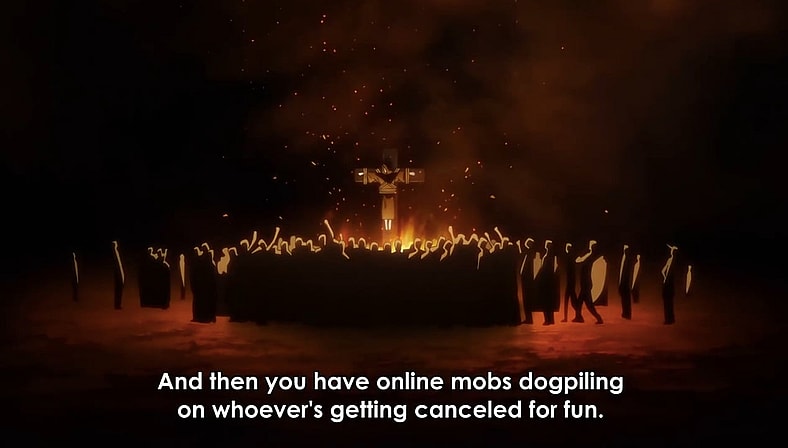
The localization in question involves the English subtitles provided by Sentai Filmworks for the HIDIVE streaming platform. In two pivotal scenes, the original Japanese text—and its subsequent official English manga translation by Shueisha—utilizes metaphors of physical violence and historical execution to describe the brutality of online mobs. The Sentai Filmworks localization, however, replaces these expressions with terms like "cancel culture," "dogpiling," and "mega-cancelled."
Critics argue that these changes do more than just update the language for a modern audience; they alter the tone of the work, stripping away the poetic weight of Akasaka’s prose in favor of transient internet slang that may not age well or accurately reflect the gravity of the characters’ experiences.
Chronology of the Localization Shift
The tension began to mount as Oshi no Ko Season 3 entered its middle arc, which explores the "Dig Deep" controversy and the personal fallout for those involved in the digital entertainment sphere.

Episode 4: "Blind" and the "Stake" Metaphor
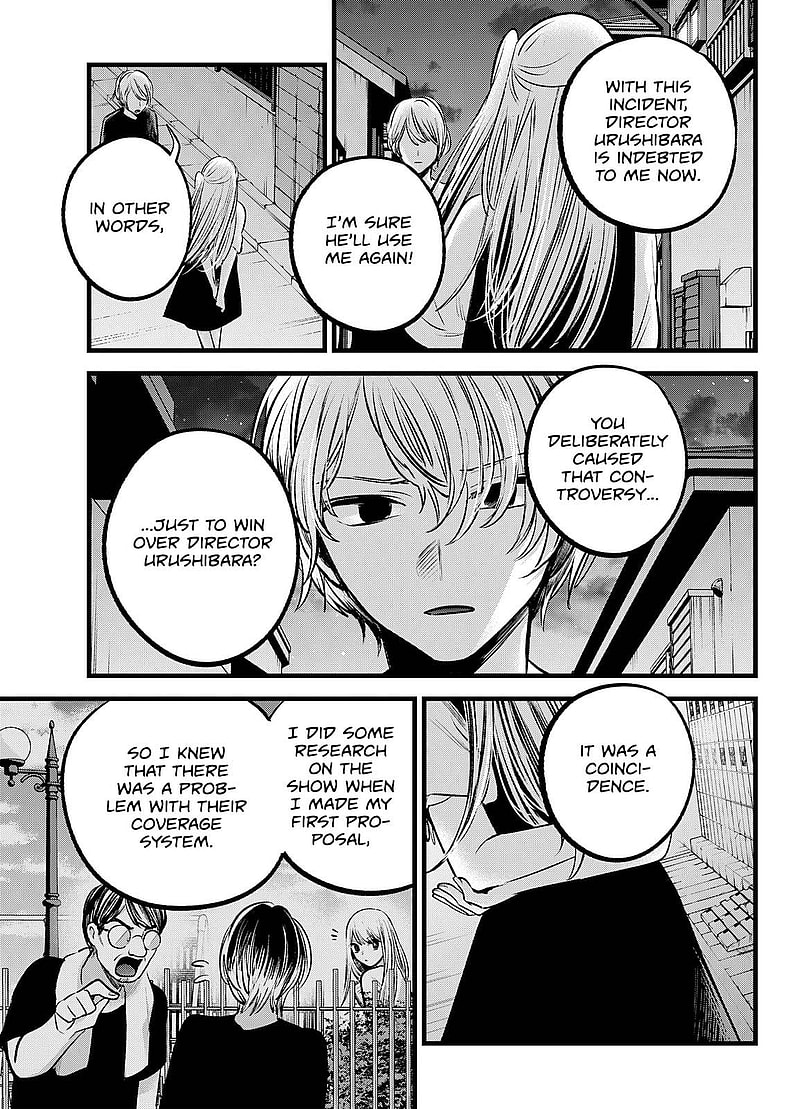
In Season 3, Episode 4, titled "Blind," the narrative focuses on the resolution of a scandal involving Director Urushibara and an online cosplayer named Meiya. It is revealed that Ruby Hoshino (voiced by Yurie Igoma) was the mastermind behind the leak that sparked the controversy, using the scandal to eliminate professional obstacles.
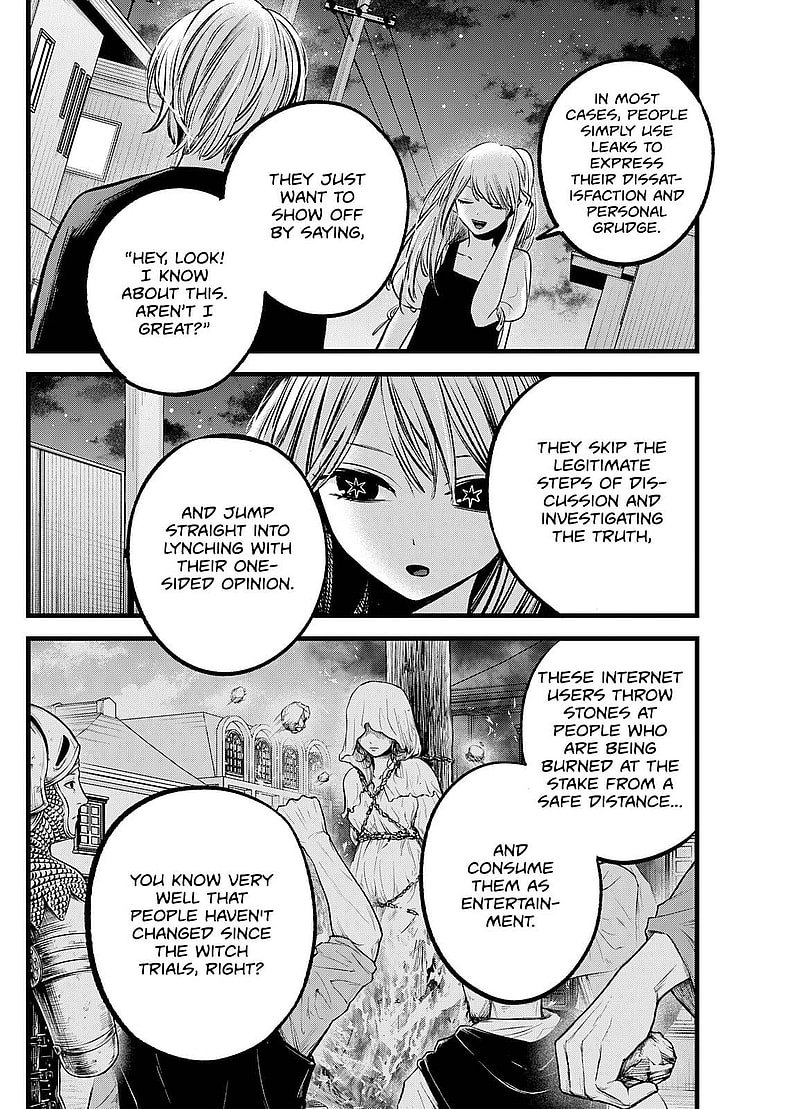
In the original manga (Chapter 93, "Leak"), Ruby describes the nature of online mobs with a haunting metaphor. She notes that internet users "throw stones at people who are being burned at the stake from a safe distance and consume them as entertainment." This imagery evokes the historical "witch hunts" and public executions of the past, suggesting a primal, bloodthirsty nature to human behavior in the digital age.
The Sentai Filmworks localization for the anime deviates significantly. The dialogue is rewritten as: "And then you have online mobs dogpiling on whoever’s getting canceled for fun." By replacing "burned at the stake" with "getting canceled," the localization shifts the context from a life-altering, quasi-religious execution to a modern social media phenomenon, which some fans feel trivializes the character’s dark realization.

Episode 5: "Casting" and the "Butchery" of V-tubers
The pattern continued in the following episode, "Casting" (alternatively titled "Marketing" in some listings). This episode introduces the plight of Mimi Yoshizumi (voiced by Sae Hiratsuka), a V-tuber whose career is derailed when an unflattering video from her past surfaces.
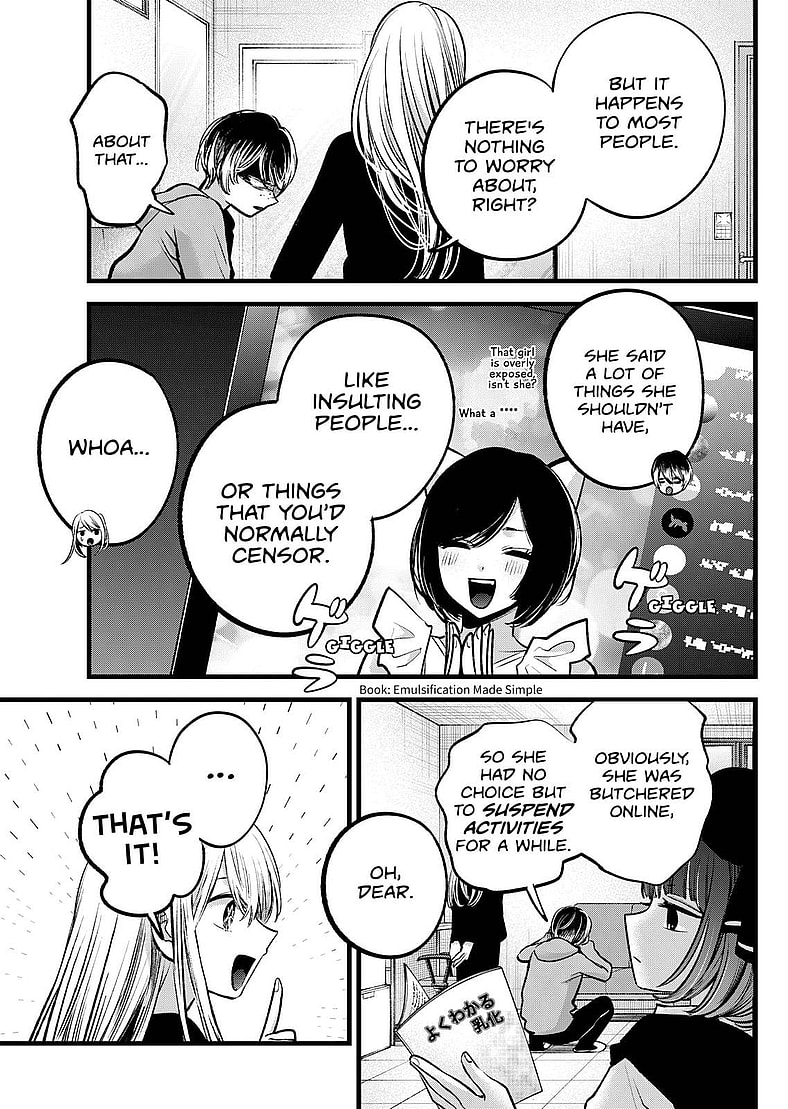
In the manga, her brother, Shun Yoshizumi, describes the online reaction with stark language: "She was obviously butchered online, so she had no choice but to suspend her activities." The word "butchered" (often a translation of the Japanese term tataku, which implies being struck or criticized harshly, or enshō, referring to a "flame-up" or social media firestorm) conveys a sense of victimization and wreckage.
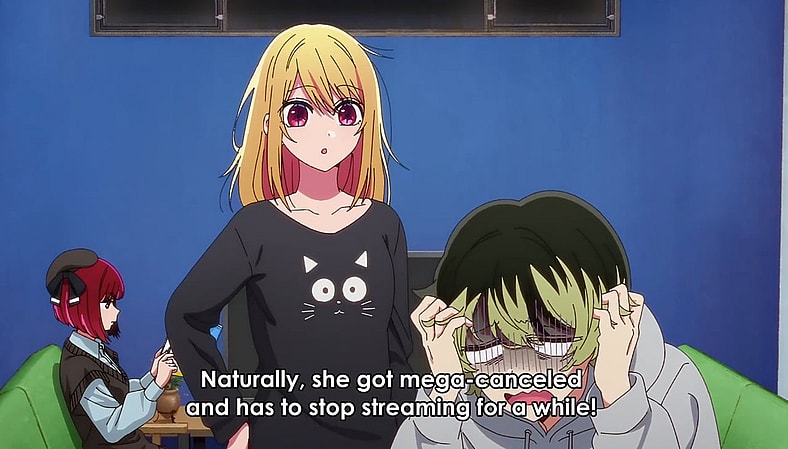
Sentai Filmworks’ version opts for a more colloquial approach: "Naturally, she got mega-cancelled and has to stop streaming for a while!" The use of "mega-cancelled" has been singled out by viewers as particularly jarring, as it leans heavily into contemporary slang that many believe feels out of place in a professional translation of a psychological drama.
Supporting Data: The Pattern of "Activist" Localization
The Oshi no Ko situation does not exist in a vacuum. It is part of a broader trend that has seen a growing divide between "purist" fans—who demand literal fidelity to the Japanese script—and localizers who believe their role is to "punch up" the dialogue for Western sensibilities.
Earlier this year, Netflix faced significant backlash for its localization of Blue Box. In that instance, a character was described as "feminist" in the English script, whereas the original Japanese text used the word "feminine." The change was viewed by many as an attempt to inject Western political discourse into a story where it did not originally exist.
Furthermore, the rise of AI localization tools has put human localizers on the defensive. Companies like Shueisha and various tech startups are exploring AI-driven translations to provide faster, more literal scripts. In response, some human localizers have doubled down on "creative" translations to prove their value, arguing that a machine cannot capture the "vibe" of a scene. However, as seen with Oshi no Ko, this "human touch" is increasingly being interpreted by the audience as unnecessary editorializing.
Official Responses and Industry Silence
As of this writing, Sentai Filmworks has not issued an official statement regarding the specific linguistic choices in Oshi no Ko Season 3. Historically, localization houses have defended such changes as "transcreation"—the process of adapting a message from one language to another while maintaining its intent, style, tone, and context.
In past interviews, various industry localizers have argued that Japanese idioms often do not translate well into English and that using terms like "cancel culture" makes the content more relatable to a Gen Z audience. However, the counter-argument remains that Oshi no Ko is a series specifically about the Japanese industry; therefore, preserving the specific Japanese cultural context and metaphors is essential to the viewer’s immersion.
The Japanese creators, Aka Akasaka and Mengo Yokoyari, have generally remained silent on Western localization issues, as is common for manga authors who often have little oversight over how their work is handled by international licensors.
Implications for the Future of Anime Translation
The controversy surrounding Oshi no Ko highlights several critical implications for the future of the medium:
1. The Loss of Thematic Universality
By tying a story to specific 2020s buzzwords like "cancel culture," localizers risk dating the material. While "burning at the stake" is a metaphor that has remained relevant for centuries, internet slang evolves rapidly. A translation that feels "current" today may feel cringeworthy or incomprehensible in a decade, potentially damaging the long-term legacy of the series.
2. The Erosion of Consumer Trust
There is a growing sentiment among anime fans that they are being "preached to" or that the original creator’s voice is being silenced by intermediaries. This erosion of trust has led to an increase in "fansubs" (fan-made subtitles) and a demand for "literal" translation tracks, where viewers are willing to sacrifice some flow for the sake of accuracy.
3. The AI Justification
Ironically, the more localizers deviate from the source material to insert their own creative or political flair, the stronger the argument becomes for AI-assisted translation. If the "human element" in localization is perceived as a source of distortion rather than enhancement, production committees in Japan may see AI as a more reliable way to ensure their creative vision reaches global audiences untouched.
4. Cultural Imperialism vs. Localization
The debate touches on the ethics of cultural exchange. Critics of the Sentai Filmworks script argue that replacing Japanese metaphors with Western social constructs is a form of "cultural imperialism," where the nuances of the original culture are flattened to fit the ideological framework of the target audience.
Conclusion: A Call for Narrative Integrity
Oshi no Ko is a series that prides itself on revealing the "lies" of the entertainment world. It is a story about the power of words and the masks people wear to survive in the public eye. When localizers alter those words to fit a specific social media lexicon, they risk becoming the very thing the series critiques: an entity that prioritizes "buzz" and "engagement" over the raw, uncomfortable truth of the creative vision.
As Season 3 continues, the eyes of the community remain on Sentai Filmworks. Whether they will adjust their approach in future episodes or continue down the path of colloquial "modernization" remains to be seen. What is clear, however, is that the demand for narrative integrity in anime has never been higher, and the tolerance for "creative" rewrites is at an all-time low. For a series as impactful as Oshi no Ko, the cost of losing the author’s original voice may be a price that fans are simply unwilling to pay.









No comments yet. Be the first to join the conversation!