

In the vast, interconnected landscape of modern speculative fiction, few sub-genres have experienced as explosive and contentious a rise as LitRPG (Literary Role-Playing Game). Characterized by the integration of explicit game mechanics—such as character stats, leveling systems, and quest logs—into a traditional prose narrative, LitRPG has evolved from a cult-favorite experiment into a multi-million-dollar industry.
While the genre has seen a meteoric rise, its history is often obscured by the very "stat-heavy" jargon that defines it. To understand where LitRPG stands today, one must examine its origins, the community-driven "Wild West" era of the 2010s, and the genre-bending evolution that currently defines its trajectory.
The Genesis: Defining the "Stuck in the Game" Trope
The roots of LitRPG predate the modern digital era. Long before the term was coined, authors were exploring the intersection of reality and gaming. For many writers of the current generation, the inspiration was not found in literature alone, but in the frustrating limitations of early game-centric anime like Sword Art Online and .Hack.
The desire to "do it better"—to create a story that captured the visceral, mechanical thrill of playing a role-playing game rather than just observing one—became the primary catalyst for the genre’s first wave of authors. Even the seminal Ready Player One by Ernest Cline, while a masterclass in 80s pop-culture nostalgia, was viewed by many in the community as a "surface-level" take on the medium. Readers were craving the "crunch"—the math, the level-ups, and the tangible progression of power—that defined the actual gaming experience.
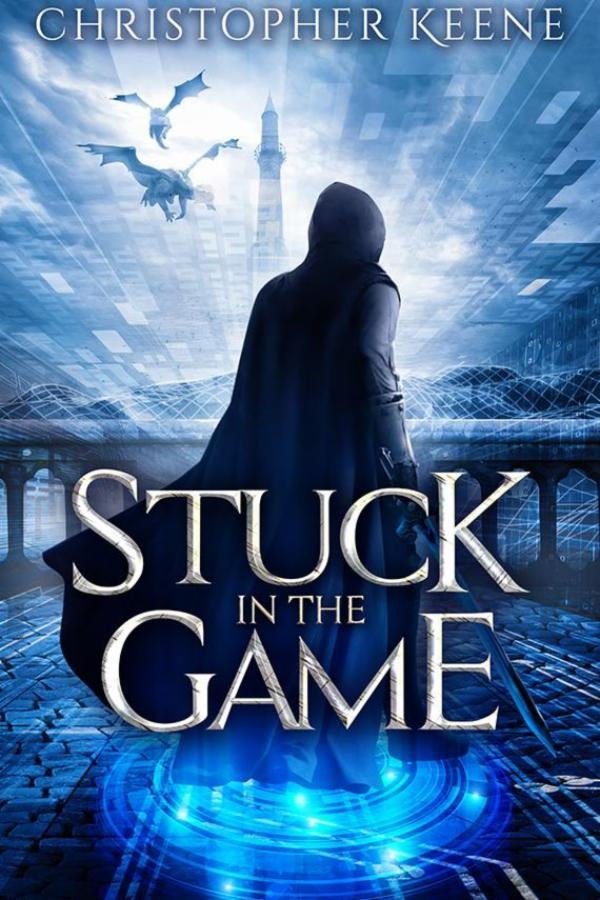
This dissatisfaction served as a crucible for new writers. As one author, Christopher Keene, recalls, a simple dare in 2014 to move past complaining about the "stuck in the game" formula led to the creation of his own novel, Stuck in the Game. It was a sentiment shared by dozens of writers globally, most notably in Russia, who were simultaneously codifying these tropes into what would eventually be known as LitRPG.
Chronology of a Genre: From Russia to Global Dominance
The Early 2010s: The Russian Foundation
The term "LitRPG" was formalized by the EKSMO Publishing House in Russia. Pioneers such as Dmitry Rus, Dem Mikhaylov, and Vasily Mahanenko began publishing works that prioritized the "system"—the internal logic of a game world—as a primary character in the narrative. These works were heavily influenced by tabletop traditions like Dungeons & Dragons, bringing a level of structural rigidity that differentiated them from standard portal fantasy.
The Mid-2010s: The Facebook Explosion
As the genre migrated to the West, it found a digital home in social media ecosystems. The creation of Facebook groups, most notably Aleron Kong’s "LitRPG Group," became the primary engine for discovery and marketing. Kong’s Chaos Seeds series is widely credited with successfully bridging the gap between niche forums and commercial success.
This period saw a proliferation of sub-specializations:
- GameLit: A broader term used to describe fiction featuring gaming elements without necessarily adhering to the rigid stat-tracking of LitRPG.
- Dungeon Core: A sub-genre where the protagonist is the dungeon itself, managing resources and defending against "heroes."
- Progression Fantasy: A broader category focusing on the systematic growth of a protagonist’s power, often overlapping with, but distinct from, LitRPG.
The 2020s: Mainstream Crossover and Subversion
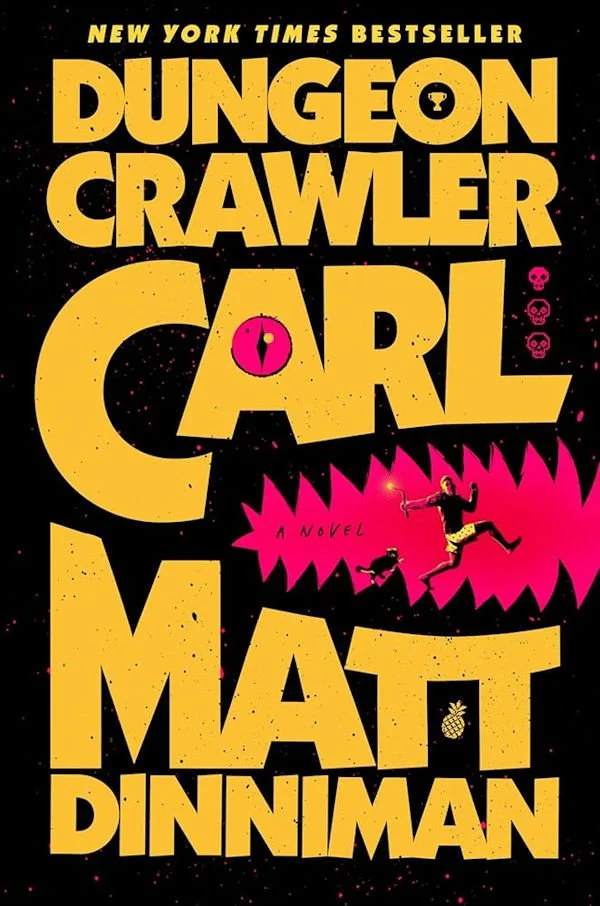
In the current era, the genre has undergone a significant transformation. Authors are no longer tethered to the "stuck in a game" trope. Modern hits like The Wandering Inn and Dungeon Crawler Carl have moved beyond the mechanics, using game elements as a lens for character study and dark satire. These books have arguably pushed the genre into the mainstream, proving that "crunchy" stats can coexist with high-quality literary prose.
Supporting Data: The Mechanics of Success
The success of LitRPG is not merely anecdotal. The genre’s growth has been fueled by the unique synergy between digital platforms and traditional publishing.
- Direct-to-Consumer Distribution: Unlike traditional fantasy, which relies heavily on gatekept editorial processes, LitRPG grew through self-publishing, Patreon-based serializations, and Audible exclusives. This allowed for a rapid feedback loop where readers directly influenced the direction of a series.
- The "Sleeper Hit" Phenomenon: Statistical analysis of book performance in the genre suggests that titles which lean into unique, genre-bending structures often outperform those that strictly adhere to traditional gaming tropes.
- Community Engagement: The genre boasts one of the most active online communities in modern fiction. Podcasts such as the LitRPG Podcast (hosted by Ramon Mejia) have played a critical role in curating the "canon" and helping new readers navigate the thousands of titles released annually.
Official Perspectives and the "Gatekeeping" Debate
With the rapid expansion of any genre, tension is inevitable. Early in the genre’s history, there were significant debates regarding what "truly" constituted LitRPG. Is a book without a visible "status screen" still LitRPG? Does a story set in a fantasy world with levels count, or must there be a technological component?
While some early proponents engaged in "No True Scotsman" arguments, the consensus has shifted toward a more inclusive approach. Most industry observers now view the genre’s "extensive bleed" of tropes as its greatest strength. By allowing the boundaries of the genre to remain porous, writers have been able to innovate rather than stagnate.
The "gatekeeping" of the early 2010s has largely given way to a culture of collaboration. Modern authors are more likely to cross-promote, share marketing strategies, and participate in anthology projects, viewing the genre as a rising tide that lifts all ships.
Implications: The Future of LitRPG
The evolution of LitRPG holds profound implications for the future of speculative fiction. As video games continue to dominate global entertainment, the narrative structures inherent to gaming—character growth, skill acquisition, and complex quest arcs—are becoming a universal language for younger readers.
1. The Death of the "Stuck" Trope
We are seeing a move away from the "trapped in a virtual reality" premise. Contemporary LitRPG is increasingly finding ways to integrate game mechanics into secondary fantasy worlds or even the real world (the "System Apocalypse" sub-genre), making the "game" a fundamental law of physics rather than a technological prison.
2. High-Literary Integration
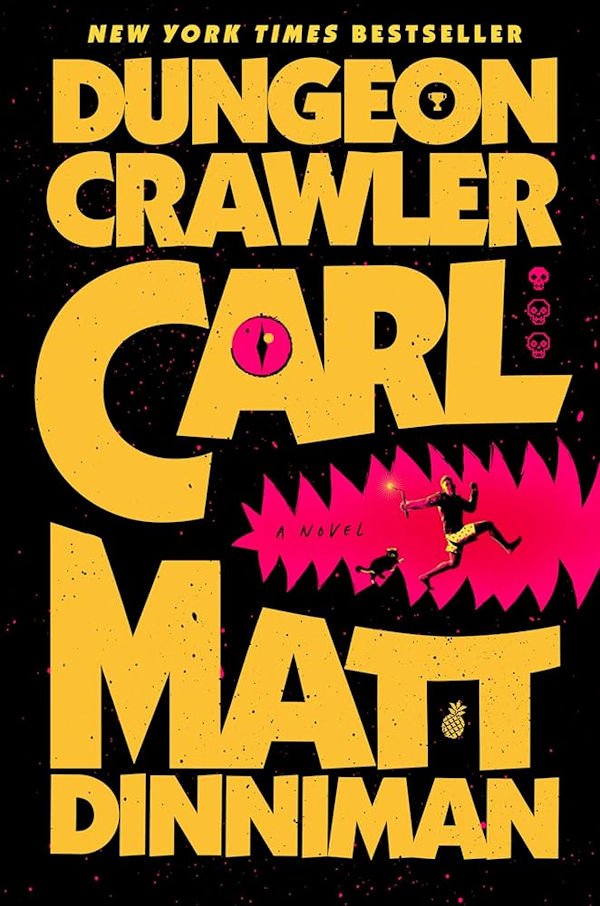
The stigma that LitRPG is "not real literature" is fading. As series like Dungeon Crawler Carl demonstrate, the presence of game mechanics does not preclude themes of trauma, societal critique, or emotional depth. In fact, these mechanics can act as a catalyst for deep existential inquiry—what does it mean to be "leveled up" in a world that is fundamentally broken?
3. A Legacy of Breaking Free
The paradox of LitRPG is that it was built on rules, yet its greatest successes have come from those who knew when to break them. Much like the concept of "The Scattering" in Frank Herbert’s Dune universe—where humanity must spread out and break free from the stagnation of the Emperor’s control—the LitRPG genre is currently experiencing a diaspora. It is shedding the rigid, restrictive definitions of its infancy to become something more fluid and ambitious.
Conclusion
From the teenage obsession with anime-inspired game worlds to the complex, multi-layered literary sagas of today, LitRPG has proven to be more than just a passing fad. It is a genre that thrives on its own community, its unique ability to adapt, and its willingness to embrace the "crunch" of life in a digital age.
While the early days were defined by the search for an identity, the future of LitRPG is defined by the freedom to innovate. Whether you are a reader looking for a power-fantasy escape or a writer looking to experiment with the structure of narrative, the genre offers a sandbox of infinite potential. The game, it seems, has only just begun.











No comments yet. Be the first to join the conversation!