

In the high-stakes world of automotive manufacturing, few vehicles occupy a space as nebulous as the second-generation Tesla Roadster. It is a car that exists in the minds of investors, the marketing copy of its CEO, and now, in the legal archives of the United States Patent and Trademark Office (USPTO). Despite being first announced in 2017 with the promise of shattering performance records, the vehicle remains an elusive "vaporware" project. However, a recent trademark filing for a bold, aggressive new logo has reignited the global conversation, turning an engineering project into a modern-day Rorschach test for design enthusiasts and Tesla skeptics alike.
A Chronology of Delays and Broken Promises
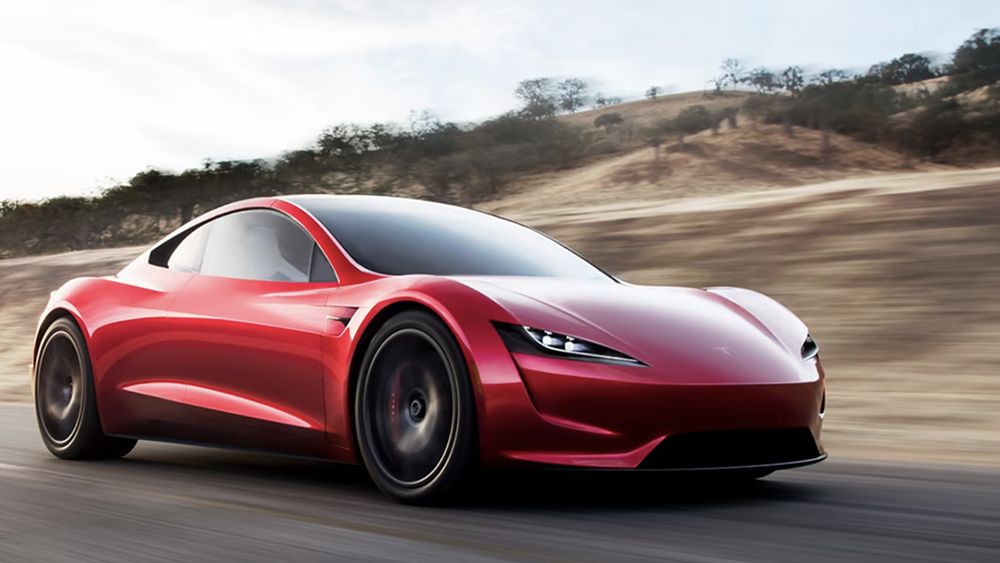
The history of the second-generation Tesla Roadster is a timeline paved with shifting deadlines. When Elon Musk unveiled the concept in November 2017, the automotive industry was stunned by the proposed specifications: a 0-to-60 mph time of 1.9 seconds, a 250-plus mph top speed, and a staggering 620-mile range. Musk’s initial promise was a commercial release by 2020.
As 2020 came and went, the goalposts shifted repeatedly. The pandemic, supply chain constraints, and the prioritization of the Model Y and the polarizing Cybertruck relegated the Roadster to the back burner. By 2023, the narrative had transitioned from "when will it launch" to "does it actually exist?" In March 2024, Musk attempted to stir the pot by announcing that the Roadster would be unveiled in late April. That deadline passed with silence, leaving the public once again waiting for a reveal that never materialized.
The latest development—the filing of a new logo design—has served as a bizarre, symbolic placeholder for the physical product. While the car remains absent from the road, the brand identity for the "Roadster" has finally arrived, suggesting that while the engineering might be stalled, the marketing machine is preparing for a future launch.
Deconstructing the Design: A New Visual Language
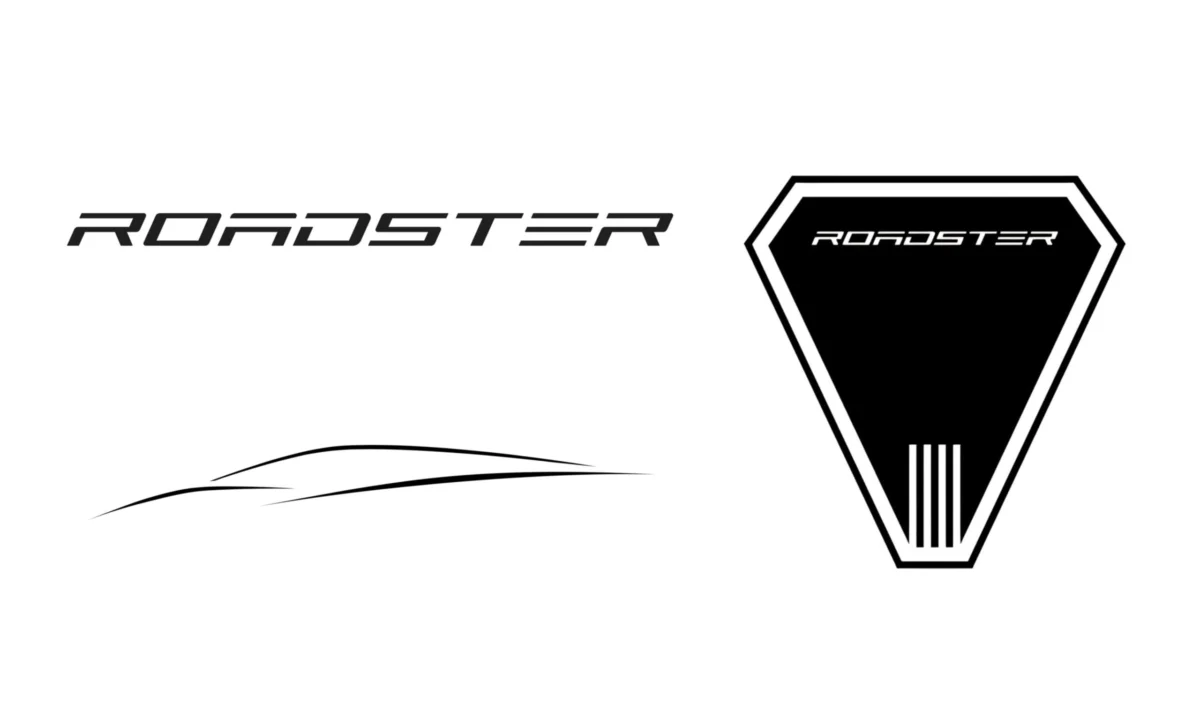
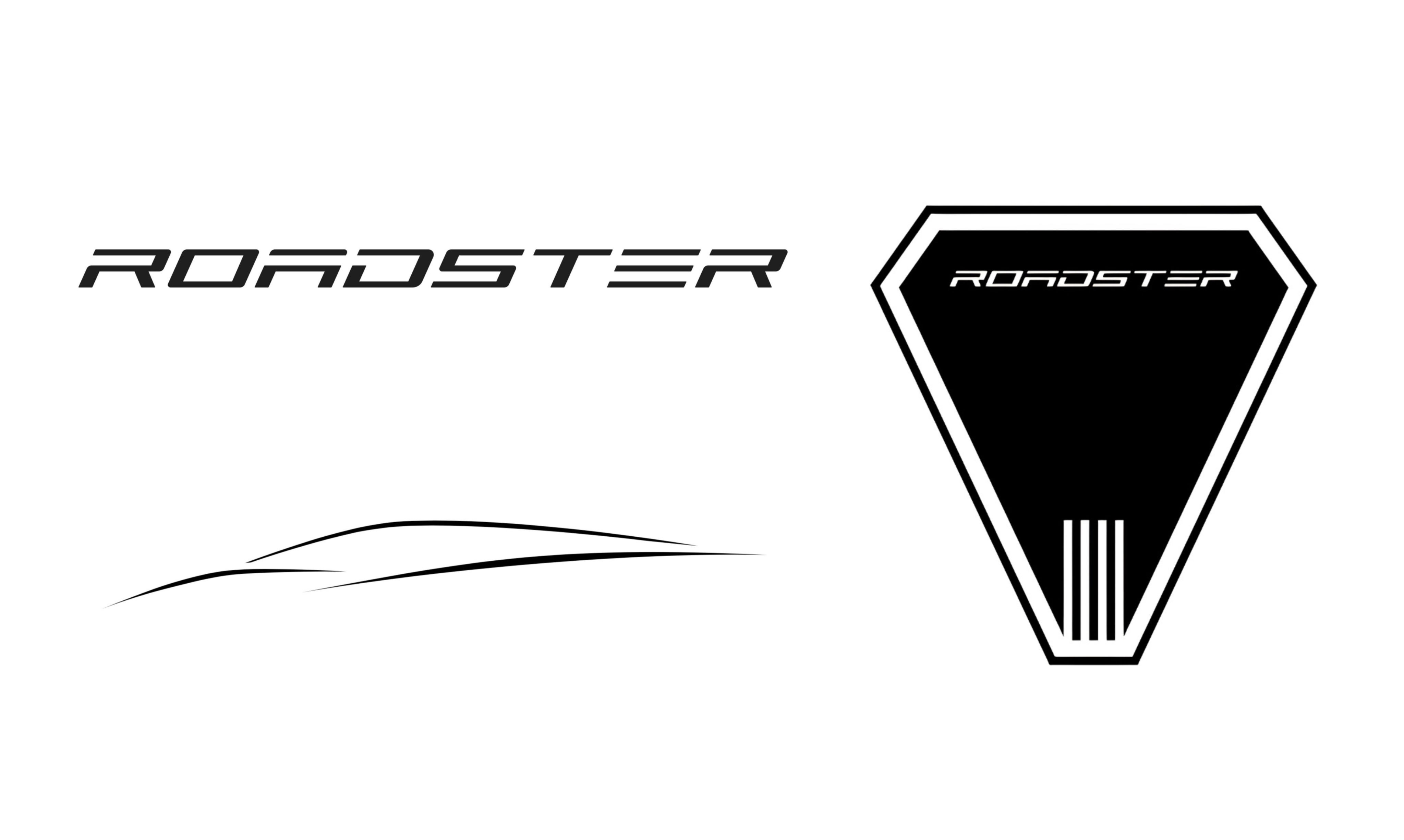
The newly trademarked logo is a radical departure from the minimalist, fluid aesthetic of the standard Tesla "T." The design features an elongated, hexagonal shield punctuated by four distinct, vertical lines at its base. The font is an aggressive, all-caps, slanted typeface that evokes a "retro-futuristic" sensibility, reminiscent of 1980s synth-wave aesthetics or the HUD (Heads-Up Display) of a science-fiction starfighter.
Symbolism or Secret Specification?
The design’s "hardness" has invited intense scrutiny. Critics have likened the badge to everything from a stylized cobra head to the hull of the Millennium Falcon. However, it is the four vertical lines at the bottom of the shield that have sparked the most fervent internet speculation.
While Tesla’s official USPTO documentation vaguely describes these lines as representing "speed, propulsion, heat, or wind," the digital community is not convinced. Among the most popular theories:
- Aerodynamic Downforce: Some enthusiasts argue the lines represent the output of a quad-fan aerodynamic system, intended to create a vacuum effect that pins the car to the road at high speeds.
- The SpaceX Connection: Given Musk’s fascination with aerospace, many believe the lines are a subtle nod to the "SpaceX package"—a rumored set of cold-gas thrusters designed to give the car unprecedented acceleration and handling.
- Thermal Management: Others speculate the lines depict the heat-shielding tiles used on the Starship rocket, suggesting that the Roadster’s battery cooling system will be as advanced as space-grade thermal protection.
Whether these interpretations are valid or merely the result of "Muskian" myth-making, the intensity of the debate underscores the massive cultural weight carried by a company that has effectively turned corporate branding into a cryptic game.
Supporting Data: Can the Specs be Real?
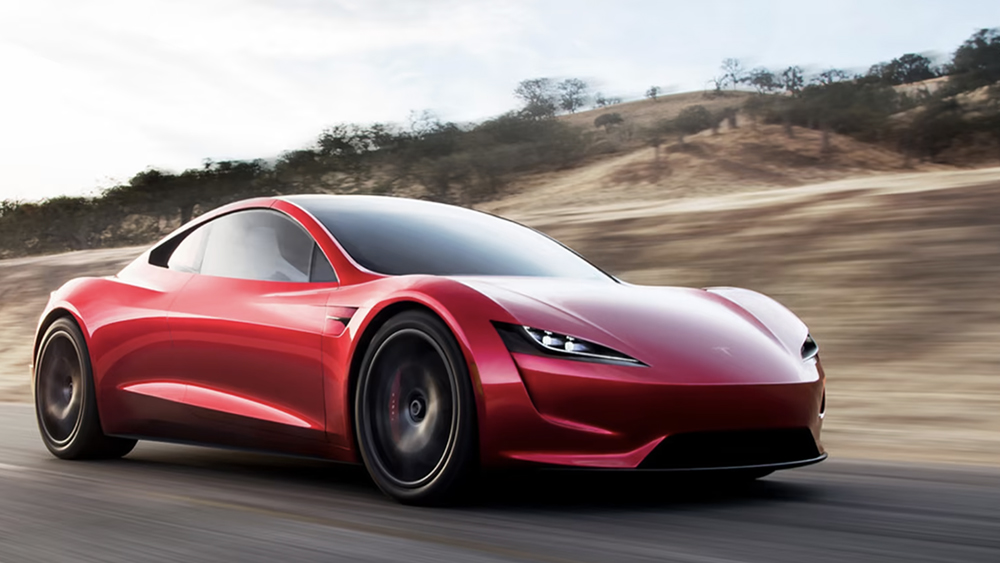
If we are to believe the specs Musk has teased over the last seven years, the Roadster is not just a car; it is an attempt to rewrite the physics of consumer transport. The original promise of a sub-2-second 0-to-60 time was aggressive; the more recent claims of sub-1-second acceleration are, by any objective standard, near-suicidal for a production vehicle.
To achieve this, the car would require a friction coefficient that standard road tires simply cannot provide. This brings the "SpaceX thruster" theory back into the realm of technical possibility. If the car uses compressed air or cold-gas thrusters to augment its tire-to-road grip, the physical constraints of conventional acceleration could theoretically be bypassed. However, the energy density required to sustain such performance, coupled with the weight of the hardware, remains the primary engineering hurdle that has likely kept the project in the prototype stage for nearly a decade.
Official Responses and the "Muskian" Factor
Elon Musk’s communication style is characterized by "optimistic forecasting"—a practice where long-term visions are stated as near-term realities. When questioned about delays, Tesla leadership often points to the "iterative" nature of their design process.
The inclusion of the new Roadster logo in trademark filings for "electric vehicles, EV batteries, charging equipment, and clothing" suggests that Tesla is preparing for a full-scale ecosystem launch. Yet, the company’s reputation has been tested recently. The Cybertruck—while a sales success in terms of visibility—has faced significant criticism regarding its build quality, its controversial "exoskeleton" design, and its performance in extreme weather conditions. The fact that the Cybertruck "struggled with wind, mud, and snow" has left some observers wary of whether the Roadster can ever deliver on the "supercar" promises made by its CEO.
Implications: A Brand in Transition
Why create a new logo now? From a branding perspective, the decision to separate the Roadster from the standard Tesla badge is a significant strategic move.
- Differentiating the Product: The Roadster is intended to be a "halo car"—a product that generates excitement for the entire brand, even if the primary volume comes from the Model 3 or Model Y. By giving it a unique visual identity, Tesla is signaling that this is not just another mass-market electric vehicle, but a premium, performance-oriented machine.
- Mitigating Reputational Risk: Tesla’s brand has become inextricably linked to the personal controversies of Elon Musk and the polarizing nature of the Cybertruck. By launching the Roadster under a fresh, distinct visual banner, the company may be attempting to "reset" its image, distancing the Roadster from the baggage of its current lineup.
- The "Collector" Appeal: By filing the trademark to include merchandise and apparel, Tesla is setting the stage for a "lifestyle" brand launch. They aren’t just selling a car; they are selling an identity that fits into the broader, tech-focused, space-age aesthetic that Musk has cultivated.
The Verdict: Will it Ever Hit the Road?
The new Roadster logo is a masterclass in maintaining interest. It provides just enough "newness" to keep the press talking and the fans speculating, while requiring zero engineering output from the company itself.
If the Roadster ever hits production, it will be the ultimate test of Tesla’s manufacturing maturity. It will either be the most significant technological leap in automotive history or the final nail in the coffin of the "Muskian" promise of over-delivery. For now, the logo remains a digital promise, a sleek, aggressive badge waiting for a car that, like the future itself, is always just around the corner.
Until then, the automotive world is left to dissect the "four lines" at the bottom of a hexagonal shield, hoping for a sign that the wait is finally coming to an end. Whether it is a fly swatter, a rocket thruster, or a clever marketing ploy, one thing is certain: Tesla knows how to keep the world watching, even when the garage doors stay firmly shut.









No comments yet. Be the first to join the conversation!