

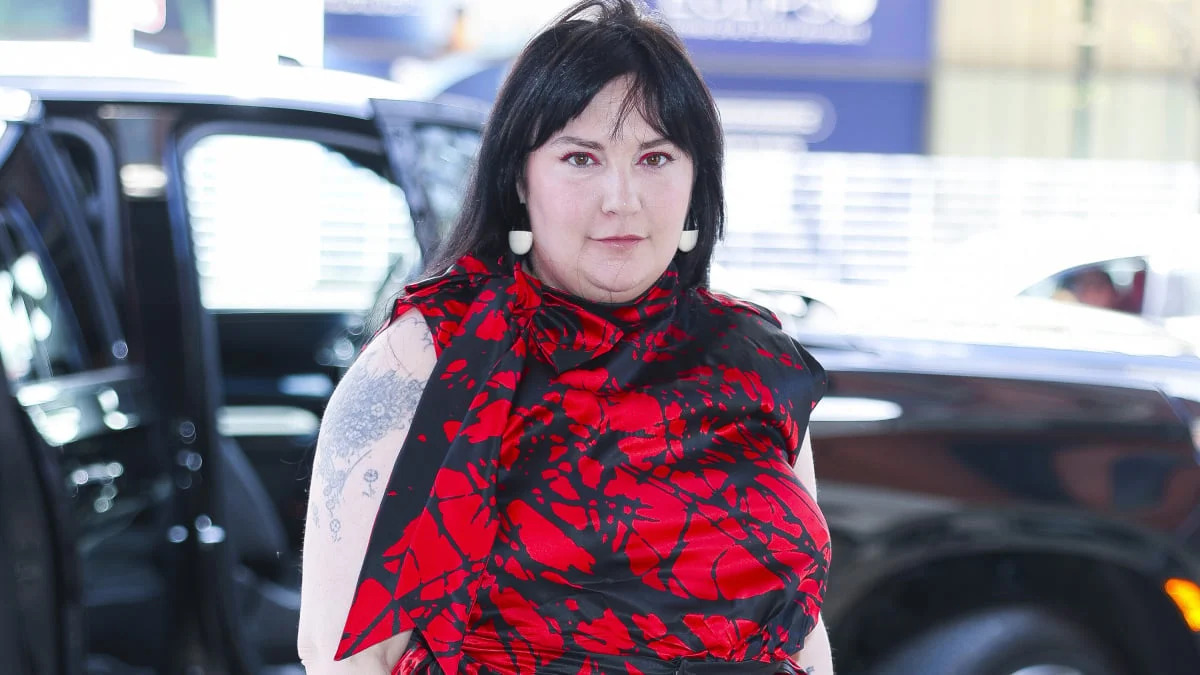
It is becoming increasingly difficult to discern the current year based on the collective consciousness of the internet. We exist in a period defined by rapid, often jarring technological acceleration—where generative artificial intelligence is rapidly automating creative industries and NASA is actively pushing the boundaries of lunar exploration. Yet, if one logs onto social media, the cultural landscape feels suspiciously like a re-run.
The “chronically online” are currently submerged in a 2010s-era aesthetic revival, complete with the return of thin-spiration content, the resurgence of Tumblr-era discourse, and a profound, collective obsession with the messy, high-profile breakups of the early digital age. At the epicenter of this retro-fixation is a relationship that defined the blogosphere: the 2012–2016 romance between filmmaker Lena Dunham and musician/producer Jack Antonoff. With the release of Dunham’s memoir, Famesick, the ghost of this relationship has been exhumed, proving that some cultural wounds never truly heal—they just get digitized.
The Chronology of a Digital Mythos
To understand the current fervor, one must revisit the “Golden Age” of music-blog gossip. When Dunham and Antonoff, then a quintessential Hollywood power couple, announced their separation in 2016, the internet did not simply move on. Instead, it coalesced into a detective agency.
The primary catalyst for this obsession was a viral, 29-slide PowerPoint presentation created by a Twitter user known as @buzzkillary. Following the 2017 release of Lorde’s critically acclaimed sophomore album, Melodrama, the presentation posited a radical theory: that the album’s breakout hit, “Green Light,” and other tracks were not just about a generic breakup, but specifically about an affair between Lorde and Antonoff.
For years, this theory simmered in the darker corners of niche fandoms, waiting for a catalyst to drag it back into the mainstream. That catalyst arrived with a trifecta of events: Lorde’s 2025 album Virgin, Antonoff’s high-profile marriage to actor Margaret Qualley, and, most decisively, the publication of Famesick.
The Anatomy of Famesick: A Confessional Reckoning
In Famesick, Dunham moves beyond the cryptic social media posts of the past, offering a granular, often unflinching account of the emotional decay within her relationship with Antonoff. The memoir serves as an autopsy of a partnership that, according to Dunham, was irrevocably fractured by the presence of a younger, “teen pop star”—a figure long speculated by the internet to be Lorde.
Dunham’s account provides the “smoking gun” that theorists have craved for nearly a decade. She describes a scene of profound domestic intimacy, detailing how the pop star would spend hours in their home, “ensconced” in the couple’s living space. Dunham recalls a specific, haunting moment where she, then struggling with the physical limitations of a chronic illness and relying on a walker, watched the star sprawl across their sectional sofa.
“Weeping into Jack’s lap,” Dunham writes, the star was comforted by Antonoff, who told her that “your teens are for experimenting.” For Dunham, the tragedy was not just the potential infidelity; it was the emotional displacement. “It had been so long since he’d spoken to me with that kind of expansive generosity,” she reflects.
The memoir also serves as a confession of her own transgressions, with Dunham admitting to cheating on Antonoff once the emotional architecture of their relationship became untenable. By humanizing herself through admission, Dunham has inadvertently ignited a new, more vicious round of discourse: a moral tallying of which party was more “guilty,” a debate that feels as dated as the events themselves.
Supporting Data: The Power of the "Evidence"
The obsession with the Antonoff-Dunham-Lorde triangle is not merely a product of celebrity gossip; it is a case study in the power of the "evidence-based" conspiracy theory. The PowerPoint remains the gold standard of this phenomenon. It utilized lyrical analysis, social media activity, and timeline-matching to create a narrative that felt logically airtight.
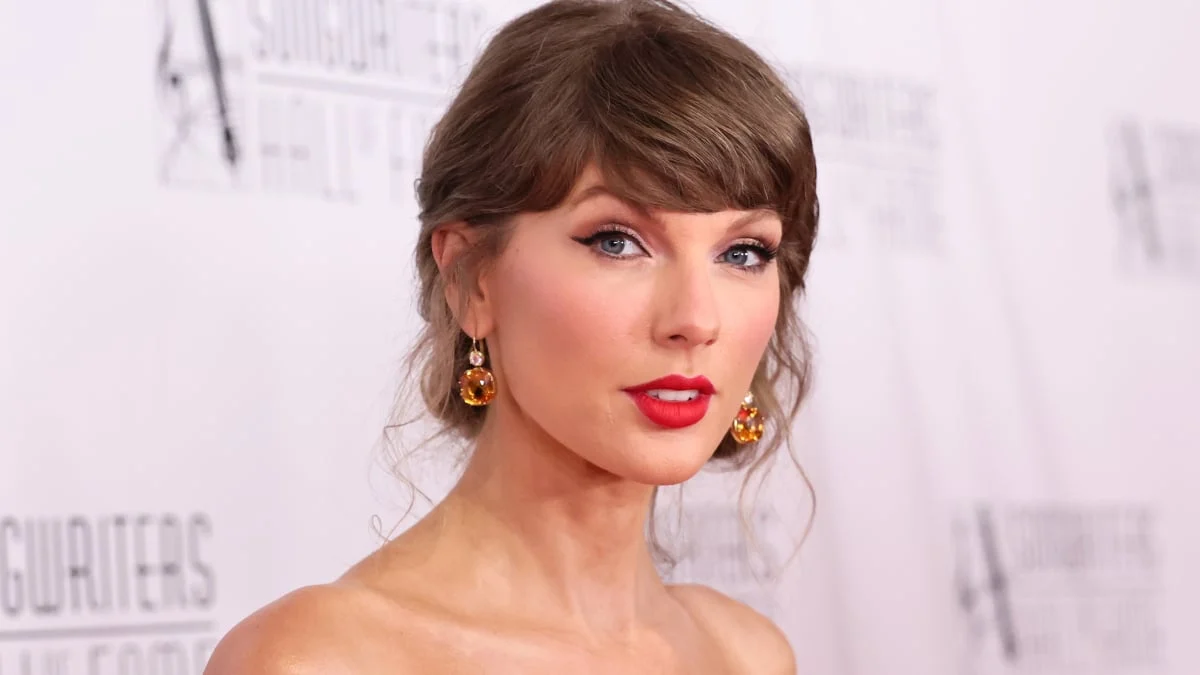
When Famesick hit bookshelves, the internet acted as if a government classified document had been declassified. The response was immediate and bifurcated. One faction viewed the memoir as final, objective confirmation of the theory. Another faction used the opportunity to broaden the scope of the investigation, suggesting that other collaborators—most notably Taylor Swift—may have been privy to, or even characters in, the drama.
This behavior highlights a critical shift in how we process celebrity information. We no longer view artists as creators of singular works, but as participants in an ongoing, interconnected narrative that spans decades. Every song is a clue; every interview is a deposition.
Official Responses and the Evolution of the "Villain"
Perhaps the most surprising development in this saga is Lena Dunham’s own engagement with the conspiracy. During the press tour for Famesick, Dunham acknowledged the PowerPoint in an interview with The New York Times Magazine, admitting that the presentation was so compelling it forced her to re-evaluate her own lived experience.
“It was so convincing they had me rethinking events that I myself had been present for,” Dunham remarked. She even admitted to reaching out to the creator of the presentation during a particularly vulnerable, low point in her life. This admission represents a significant departure from the defensive posture celebrities typically adopt regarding gossip. By leaning into the discourse, Dunham has attempted to reclaim her narrative, shifting from a victim of internet speculation to an active participant in her own myth-making.
However, the response from the public remains largely trapped in 2016-era tropes. While there is a segment of the audience that approaches the memoir with empathy, a significant portion of the online discourse remains focused on the gendered vilification of the women involved. Lorde and Dunham remain targets of vitriol, their appearances and personal choices scrutinized with a cruelty that ignores the fact that both have matured and evolved significantly over the last decade.
Implications: Why Are We Still Here?
The enduring nature of this discourse raises a poignant question: What do we gain from exhuming these ghosts?
From a sociological perspective, the fixation on this specific love triangle suggests a collective trauma regarding the “Old Internet.” 2016 is frequently cited as the “last good year” of the digital age—a period before the algorithmic echo chambers and the totalizing impact of AI-driven content. By obsessing over the Dunham-Antonoff drama, users are essentially trying to return to a time when celebrity gossip was a communal, albeit toxic, bonding activity.
However, the implications are more than just nostalgic. The discourse highlights the persistent problem of the "parasocial bond." Fans feel entitled to the emotional lives of their idols, and when those lives don’t fit a neat, sanitized narrative, the internet works to "solve" the mystery until it fits.
Moreover, the focus on Antonoff’s proximity to younger female collaborators—and the subsequent, often unfair, framing of these women—reveals a lack of progress in how we discuss power dynamics in the music industry. While many pointed to the older, non-celebrity figures in Lorde’s life (such as Justin Warren) as more probable muses for her music, the internet remains fixated on the "celebrity villain" archetype. It is far easier to cancel a public figure like Dunham or Antonoff than it is to grapple with the complexities of industry power structures.
Conclusion: Reheating the Nachos
As we stand in 2026, looking back at the remnants of 2012, we are forced to confront the reality that the internet is a recursive loop. We are not just consuming history; we are repeating it, adding new layers of metadata to stories that have already reached their conclusion.
Lena Dunham’s Famesick is a brave attempt at personal reconciliation, but its reception proves that the public is not ready to let go. We are a generation of digital scavengers, picking through the bones of the 2010s to find meaning, validation, or perhaps just a sense of continuity in an increasingly unrecognizable world.
Whether this is a cathartic moment for the “PowerPoint truthers” or simply another cycle of performative cruelty, one thing is certain: we are still living in the shadow of 2016. And as long as the internet continues to function as a giant, infinite, and unforgiving memory bank, the ghosts of our favorite celebrity dramas will never truly be allowed to rest. We are, as the kids say, "reheating the nachos," hoping that this time, the flavor will finally satisfy us. It rarely does.









No comments yet. Be the first to join the conversation!