

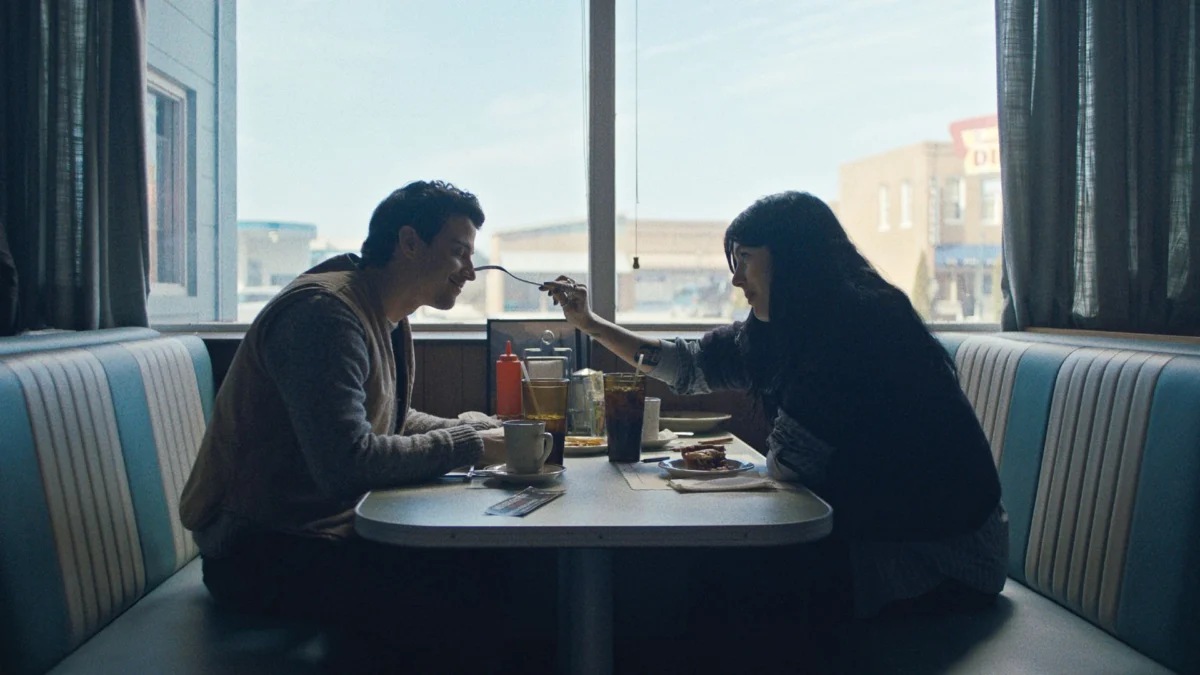
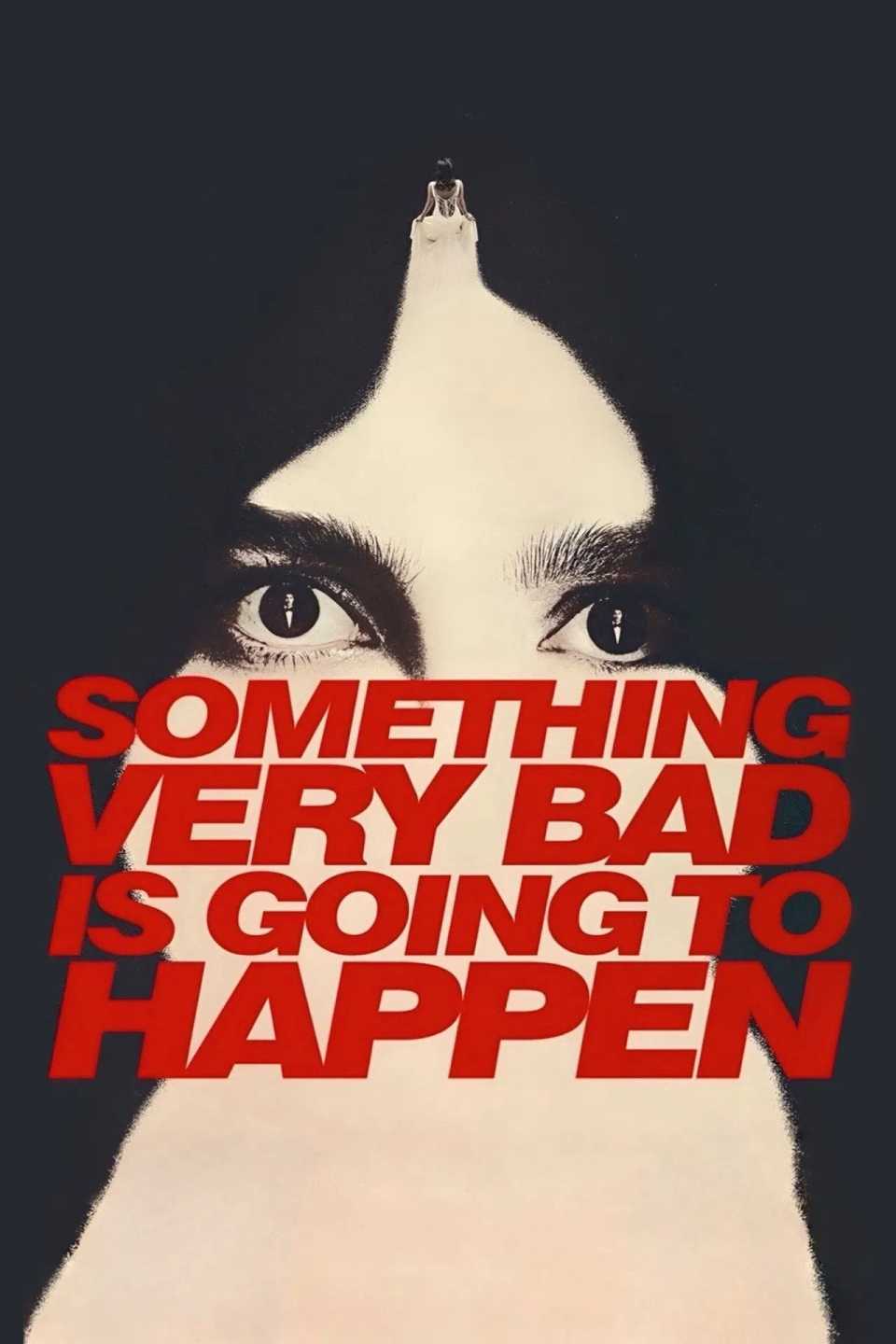
Netflix’s latest foray into the horror genre, Something Very Bad Is Going to Happen, arrived with significant anticipation. Executive produced by the Duffer Brothers—the masterminds behind the cultural juggernaut Stranger Things—the miniseries promised a sophisticated, character-driven examination of dread, destiny, and the suffocating nature of family legacies. While the series succeeded in creating a visceral atmosphere and a compelling, layered mystery, its final act has left audiences divided, highlighting a growing trend of "prestige" horror projects that struggle to reconcile their thematic ambitions with their narrative resolutions.
The Premise: A Marriage Built on Dread
At its core, the show centers on the wedding of Rachel and Nicky, an event that serves as the crucible for a generations-old curse. The horror here is not found in jump scares or CGI monsters, but in the psychological erosion of the protagonists. Rachel’s overwhelming sense of impending doom is masterfully paced, reflecting a societal anxiety regarding the permanence of marriage and the weight of familial expectations.
The brilliance of the show’s early episodes lies in its world-building. By grounding the supernatural threat—a bloodline curse mandating that a soulmate must be wed by sundown—in the tangible, stressful reality of wedding planning, the writers created a relatable, high-stakes environment. The "Sorry Man," a figure central to the Cunningham family’s past, serves as a bridge between the historical trauma of the curse and the present-day stakes, effectively linking the two families in a web of inevitability.
Chronology of a Narrative Collapse
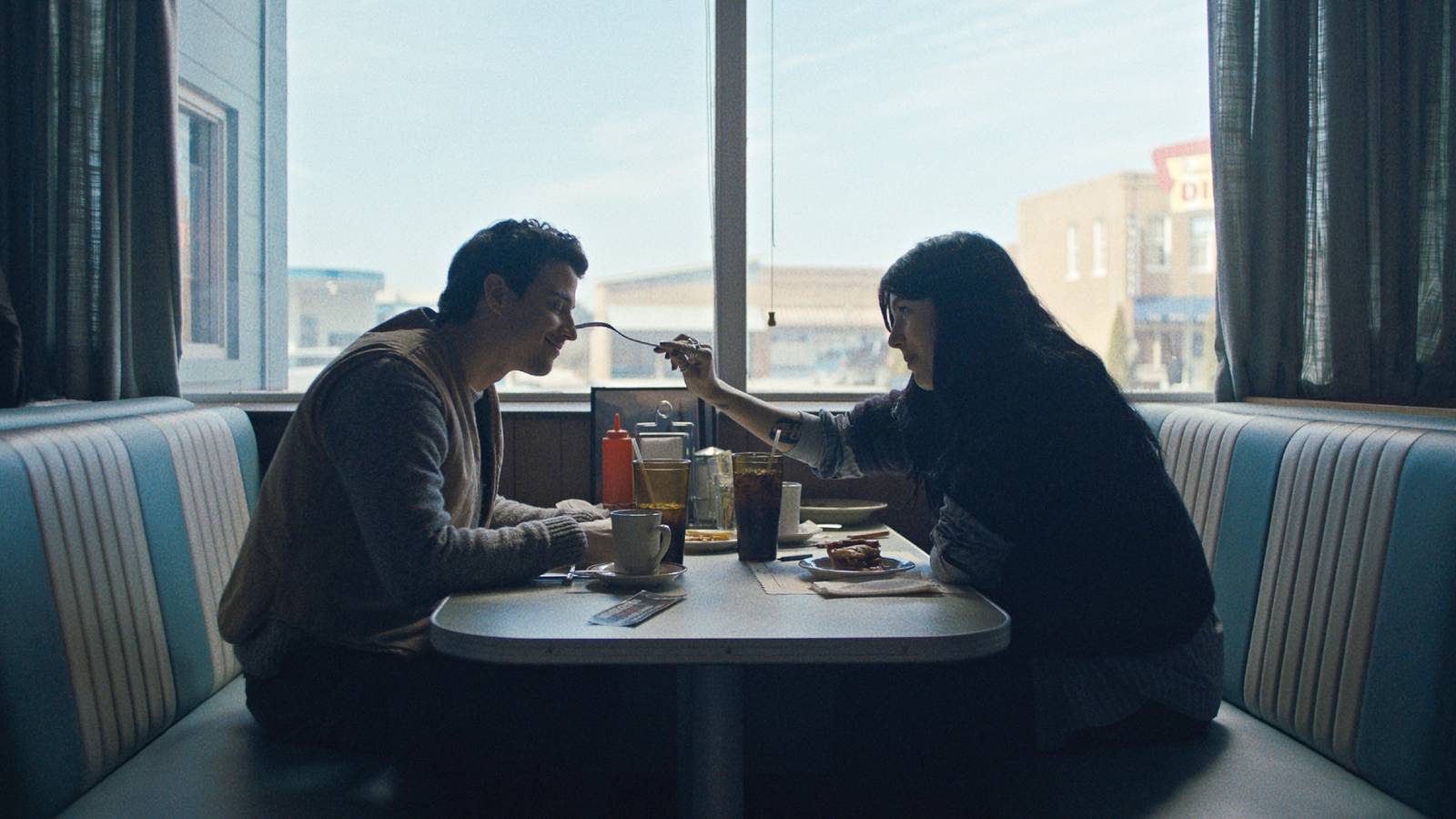
The progression of Something Very Bad Is Going to Happen can be viewed as a study in escalation. For the first several episodes, the show carefully constructs a puzzle where the source of the horror is constantly in flux. Initially, Nicky’s family is presented as the primary antagonist, a clan steeped in oddities and potentially sinister motives.
However, the reveal of Victoria’s terminal brain tumor shifted the genre landscape entirely. This narrative pivot was arguably the series’ strongest point, elevating it from a standard "cursed wedding" trope to a poignant, complex exploration of human frailty and mortality. The audience was led to believe that the horror was not just external, but deeply intertwined with the human condition.
By the penultimate episode, the rules were clearly established:

- The Soulmate Clause: If Rachel marries her true soulmate, the curse is broken.
- The Sacrifice: If she marries anyone else, she dies, and the curse passes to the spouse’s bloodline.
- The Evasion: If no wedding occurs, the burden falls upon the groom and his kin.
The finale, titled "I Do," initially appeared to respect these established parameters. When Nicky, faced with the crushing weight of his family’s expectations and his own insecurities, effectively bowed out of the ceremony, it felt like a moment of true character growth. It exposed his dependency and his inability to exist as an individual. Rachel’s decision to allow the sun to set—resulting in the deaths of half the wedding guests—served as a dark, definitive climax. It was a bold narrative choice that validated the show’s premise: the cost of love and legacy is often blood.
The "Greedy" Finale: A Case of Diluted Impact
Despite a strong build-up, the final ten minutes of the series represent a significant narrative stumble. Just as the tension reached its zenith, the plot reverted to a "twist for the sake of a twist." Nicky, in a desperate, last-minute bid to save his family, forces a ring onto Rachel’s finger, completing the ceremony.
This move fundamentally undermined the agency Rachel had fought to establish. By forcing the wedding, the show moved from a tragic, earned conclusion to a contrived sequence of events. Rachel dies, only to be resurrected as the new "Eternal Witness," a role that feels tacked on rather than organically developed.
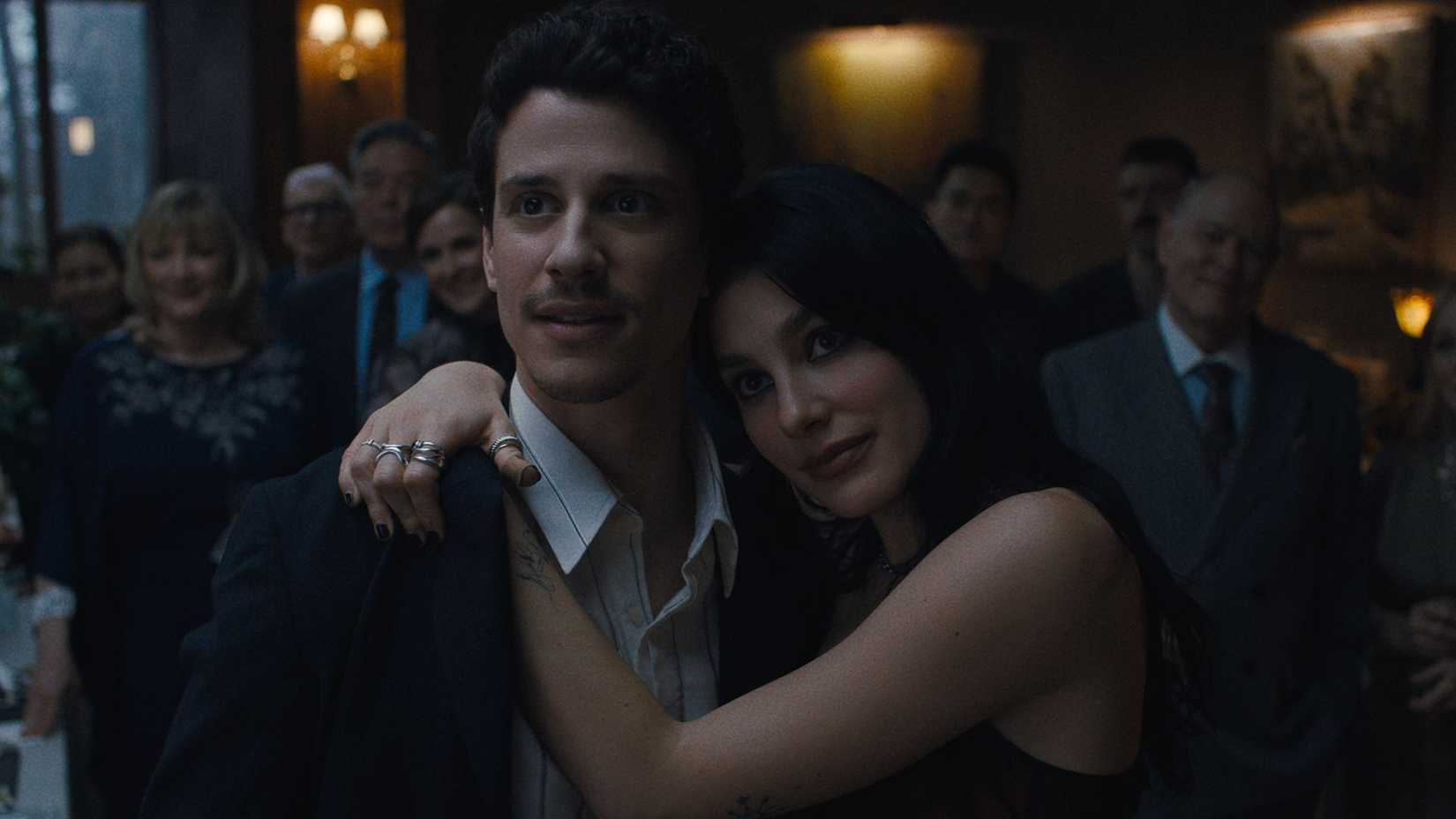
This decision resulted in a dilution of the show’s impact. The audience had already spent hours learning that Rachel and Nicky were not soulmates; by forcing the marriage anyway, the show ignored its own internal logic. The emotional resonance of the previous scenes was replaced by a hollow shock factor that left viewers questioning the purpose of the preceding narrative journey.
Supporting Data and Thematic Ambiguity
One of the most persistent criticisms leveled at the series is its failure to define what a "soulmate" actually represents in the context of the story. For a show that hinges entirely on this concept, the lack of a clear, consistent definition is a glaring omission.
The relationship between Jules and Nell provides a stark contrast. Their discovery of their mutual soulmate status feels earned and genuine, serving as a foil to the forced, toxic union of Rachel and Nicky. However, the show refuses to lean into this comparison. Are soulmates destined by birth, or are they forged through shared belief? By the end, the viewer is left with more questions than answers.
Furthermore, the survival of Nicky and his father after the ceremony creates a massive logical hole. If the curse was meant to kill those who were not soulmates, why were they spared? The show attempts to hint that a soulmate connection could be "non-reciprocal," but it fails to explore the mechanics of this idea. Instead, the final scene, in which Rachel gives a vague, cautionary warning to the young character Jude, feels less like a profound closing statement and more like a cliffhanger designed to justify a potential second season.
Official Responses and Creative Intent
While the Duffer Brothers and showrunner Haley Z. Boston have maintained a relatively low profile regarding the specific fan backlash, the industry buzz suggests that the goal was to subvert the "happily ever after" expectations of the horror-romance genre. In interviews regarding the development of the series, the writing team emphasized the desire to create a story where the characters felt like pawns in a larger, indifferent game of fate.
However, critics argue that in their attempt to subvert tropes, the creators lost sight of the audience’s need for emotional payoff. A show about the sanctity and terror of marriage requires a definitive stance on the subject, yet Something Very Bad Is Going to Happen remains indecisive. It wants to be a cautionary tale about bad choices, a supernatural slasher, and a poignant drama about death all at once, and in trying to juggle these identities, it ultimately fails to commit to any of them.
Implications for the Genre
The reception of Something Very Bad Is Going to Happen serves as a cautionary tale for modern television production. The "prestige horror" genre is currently in a state of flux, with audiences increasingly sophisticated in their demand for meaningful, coherent storytelling.
The implications are twofold:
- The Trap of Ambiguity: Creators often mistake ambiguity for profundity. While leaving questions unanswered can be a stylistic choice, it should not be used as a substitute for internal consistency.
- Character Agency vs. Plot Mechanics: When a show’s plot mechanics override the development of its characters—as seen in the forced final wedding—the audience’s emotional investment is severed.
In conclusion, Something Very Bad Is Going to Happen is a series of missed opportunities. It possessed the ingredients of a classic: a talented cast, an evocative setting, and a premise ripe for exploration. Yet, by choosing to "get greedy" with its ending, it transformed what could have been a tight, impactful narrative into an overstuffed, confusing, and ultimately unsatisfying experience. While the series will likely be remembered for its atmospheric success, it will also stand as an example of how a lack of narrative discipline can derail even the most promising of projects.











No comments yet. Be the first to join the conversation!