Muslim
FromSoftware’s Soulsborne titles—comprising the Dark Souls trilogy, Bloodborne, and Elden Ring—are renowned for their punishing combat and intricate world-building. However, beneath the surface of challenging boss fights and cryptic lore lies a darker, more personal form of heartbreak: the NPC questline. In these games, the player is often not the hero, but a catalyst for catastrophe. With the best of intentions, players often steer beloved characters toward ruin, madness, or inevitable death.
This article examines the devastating consequences of player intervention in FromSoftware’s most iconic character arcs, tracing the chronology of their descent and the implications of our involvement in their final hours.
The Illusion of Agency: A Pattern of Tragedy
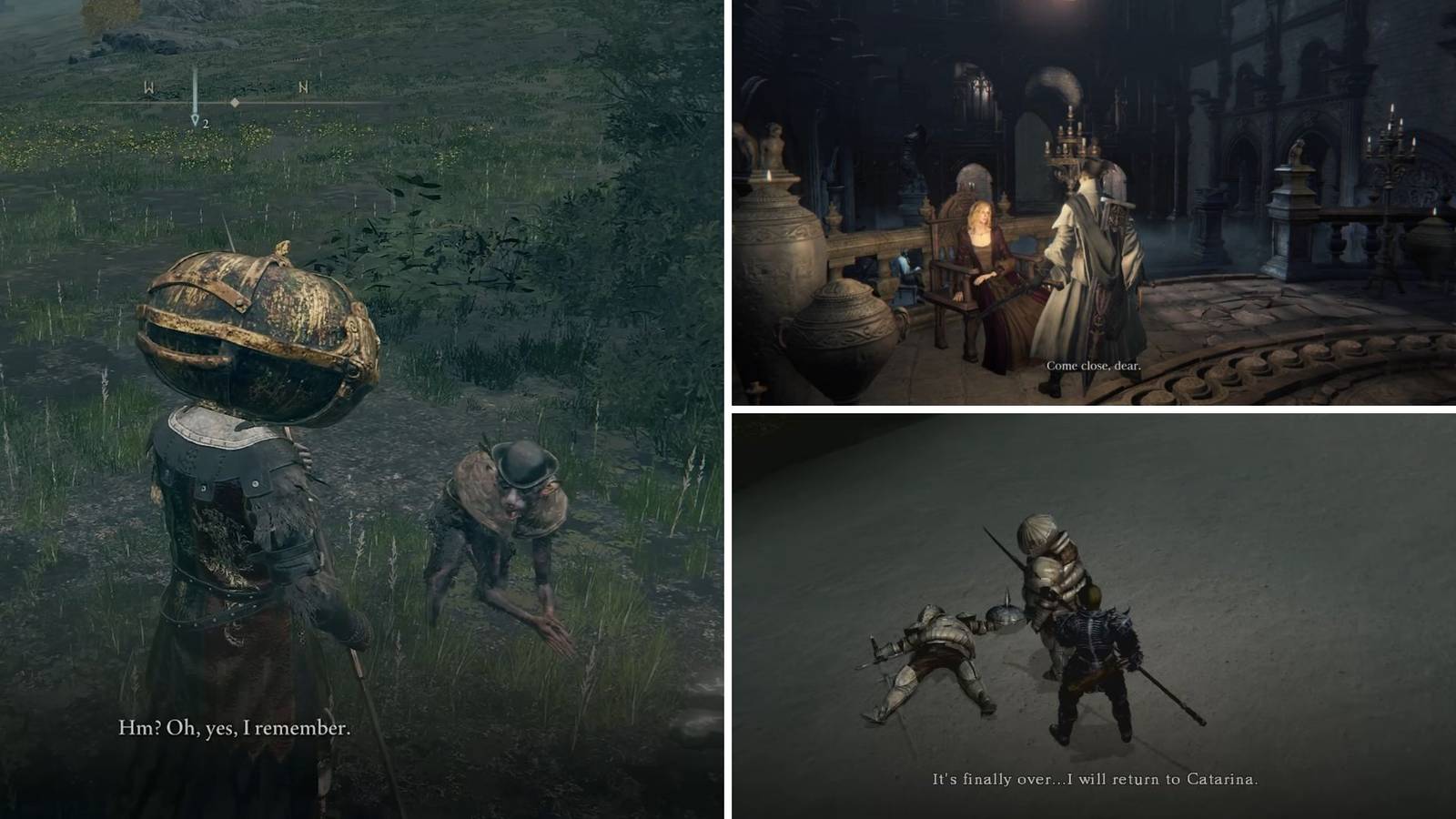
In the Soulsborne design philosophy, NPCs are static entities trapped in a decaying world. When the player engages with them, they initiate a narrative "trigger." Unlike traditional RPGs where quests often lead to triumph or rewards, the currency of Soulsborne quests is tragedy. The central irony is that the more a player invests in an NPC—by completing their tasks, providing items, or guiding them to "safety"—the more likely they are to hasten that character’s demise.
This is not a bug; it is a feature. It reflects the overarching themes of nihilism and the cruelty of the cycle that defines these universes. Whether it is the tragic fate of Siegmeyer of Catarina or the grotesque transformation of Arianna in Bloodborne, the player’s hand is almost always stained by the blood of those they sought to help.

Chronology of Despair: Ten Tragic Tales
10. Siegmeyer of Catarina (Dark Souls)
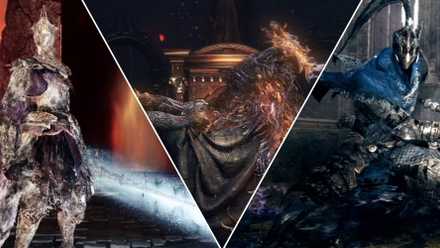
Siegmeyer, the Onion Knight, is the personification of optimism in the grim world of Lordran. His quest is a tragic lesson in the danger of misplaced ambition. From the moment the player meets him at Sen’s Fortress, Siegmeyer is driven by a desire to prove his worth.
If the player intervenes, they inadvertently force him into increasingly dangerous situations. If the player saves him from the chaos of Lost Izalith, he survives but loses his sense of purpose, lamenting his own weakness. If the player assists him, he eventually succumbs to the weight of his own failures in Ash Lake, where he is ultimately slain by his own daughter, Sieglinde. Our interference strips him of his noble sacrifice and replaces it with a hollow, pathetic end.
9. Boc, The Seamster (Elden Ring)
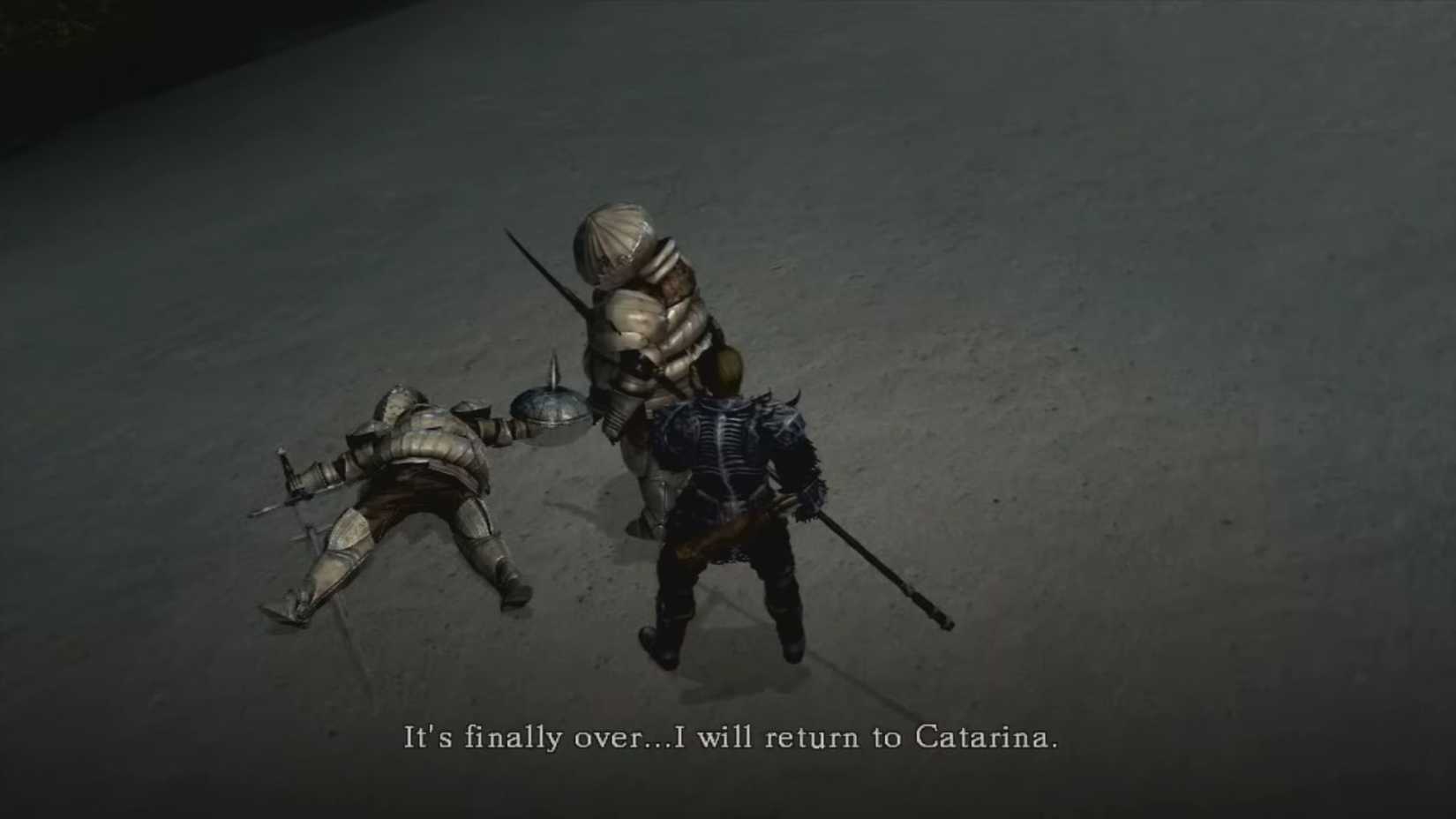
Boc’s story is a rare, tender moment in the harsh Lands Between. A demi-human with a heart of gold, his only wish is to be beautiful. The player’s "ruin" of Boc comes through the fulfillment of his greatest desire: rebirth.
By providing him with a Larval Tear, the player sends him to Rennala. The result is not the beauty he envisioned, but a soulless, empty husk of a person. He survives the procedure only to wither away and die shortly after. Had the player simply told him he was beautiful as he was, his life would have been spared. It is a harsh lesson that sometimes, acceptance is more powerful than enabling.
8. The Young Girl and Her Sister (Bloodborne)
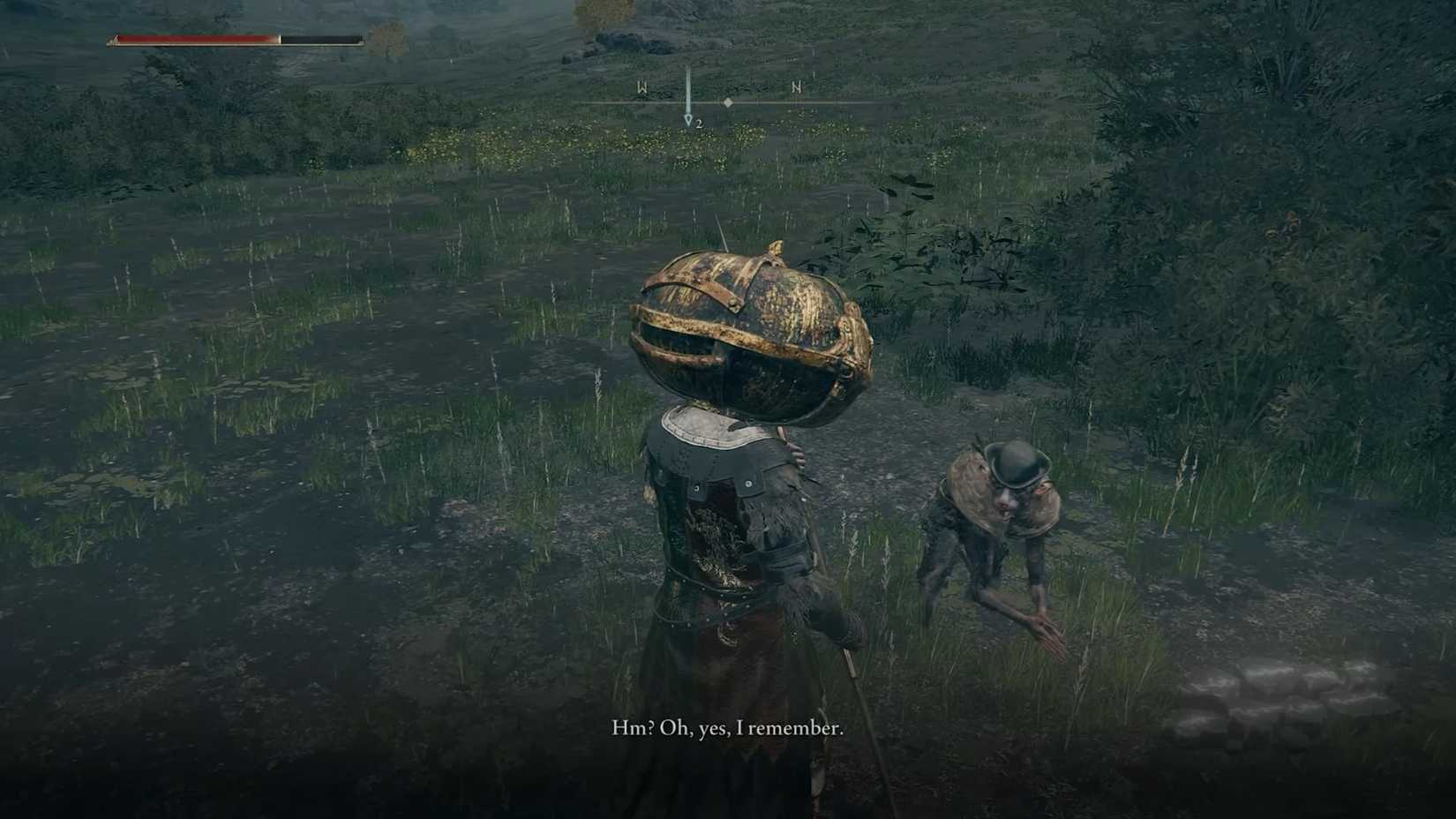
The streets of Yharnam are indifferent to the innocence of youth. The young girl in the window offers the player a music box to aid in the fight against Father Gascoigne. If the player chooses to involve her by giving her the Red Jeweled Brooch, they seal her fate. She leaves the safety of her home to find her parents, only to meet a gruesome end in the sewers, eventually being consumed by a man-eating pig. The player’s "help" effectively lures a child out of her sanctuary and into the jaws of a beast.
7. Arianna (Bloodborne)
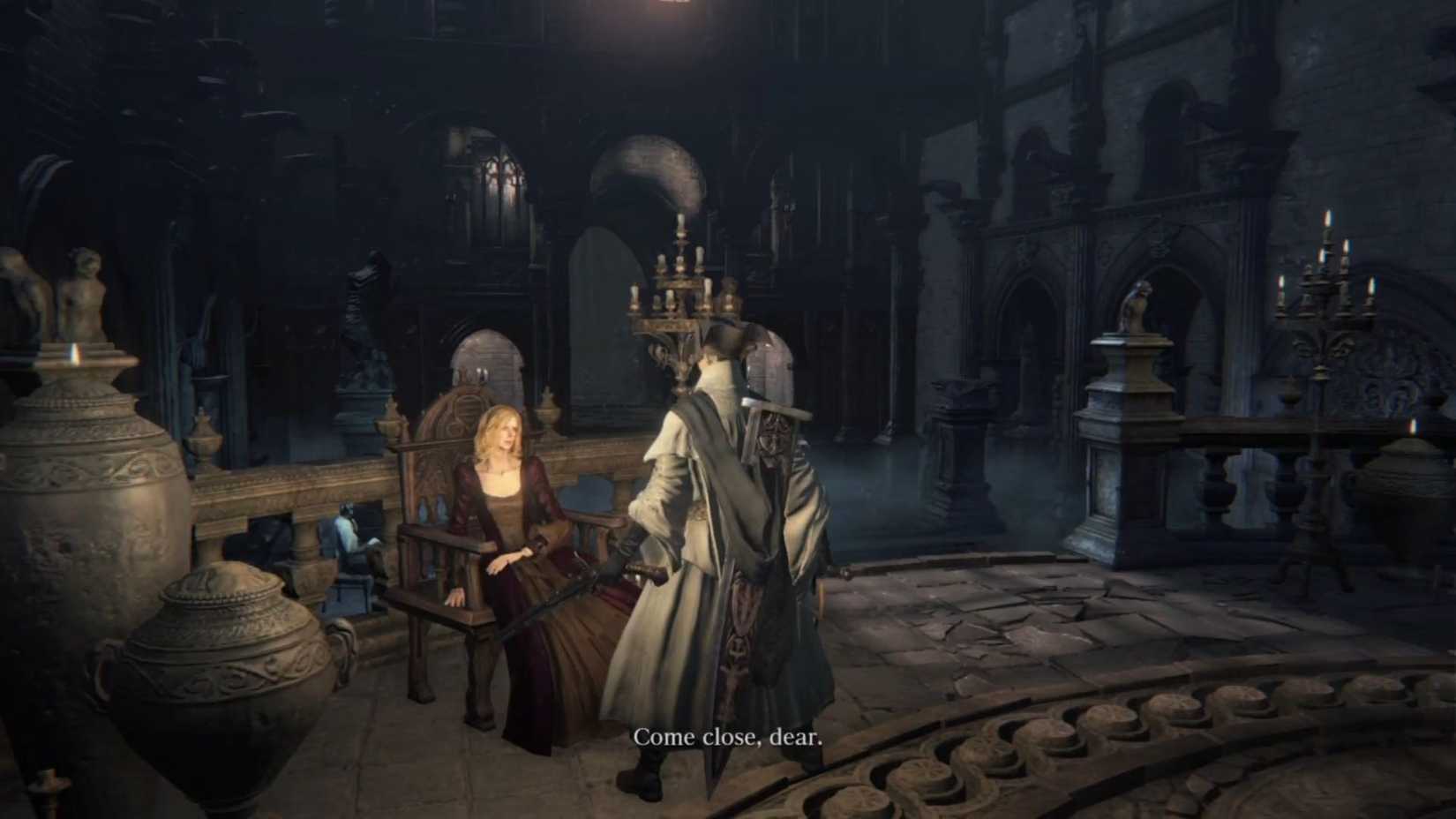
Arianna, the woman of the night, is one of the few sources of solace in the Cathedral Ward. By sending her to Oedon Chapel, the player believes they are protecting her from the hunt. In reality, they are subjecting her to a fate worse than death. As the night progresses, she becomes pregnant with a nightmarish celestial entity. Her existence becomes a source of agony, and the player is ultimately forced to kill both her and her eldritch offspring to clear the path for the game’s "true" ending.
6. Irina of Carim (Dark Souls 3)
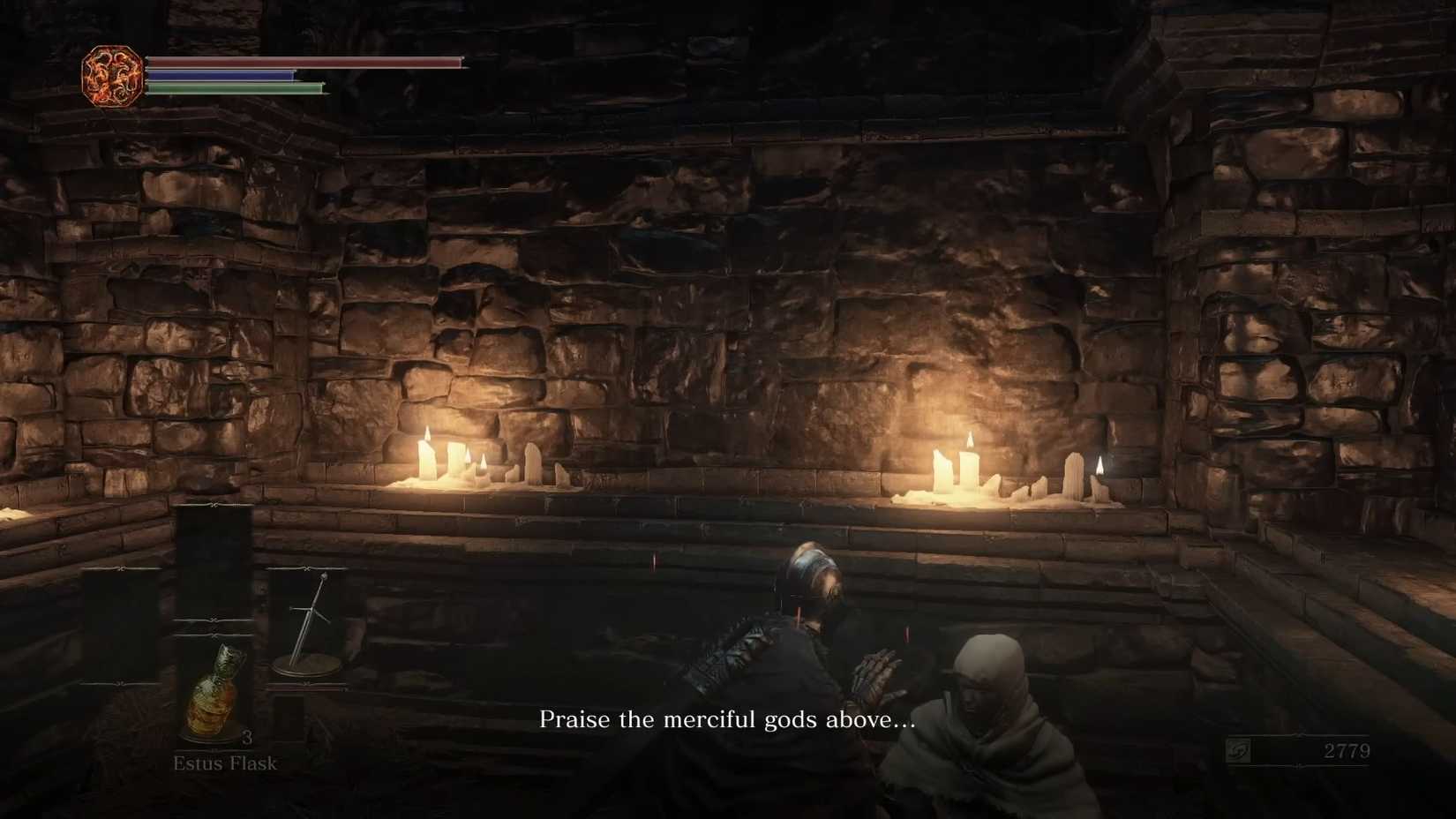
Irina’s quest is a delicate balance of light and dark. A blind girl aspiring to be a Fire Keeper, she relies on the player for guidance. By providing her with Divine Tomes, the player can help her ascend. However, if the player insists on feeding her "Dark" tomes, they trigger her descent into madness. She becomes consumed by the darkness, leading her protector, Eygon, to turn hostile. The player is then forced to kill the protector and eventually end Irina’s suffering, effectively destroying a woman who only wanted to serve the light.
5. Orbeck of Vinheim (Dark Souls 3)
Orbeck is a scholar of the arcane who just wants a quiet place to study. By inviting him to Firelink Shrine and feeding him scrolls, the player fuels his obsession with knowledge. This path leads him to the Grand Archives, where he is ultimately found dead, slumped over a pile of books. His ambition, stoked by the player’s constant demand for new spells, is the very thing that drives him to his grave.
4. Patches (Elden Ring)
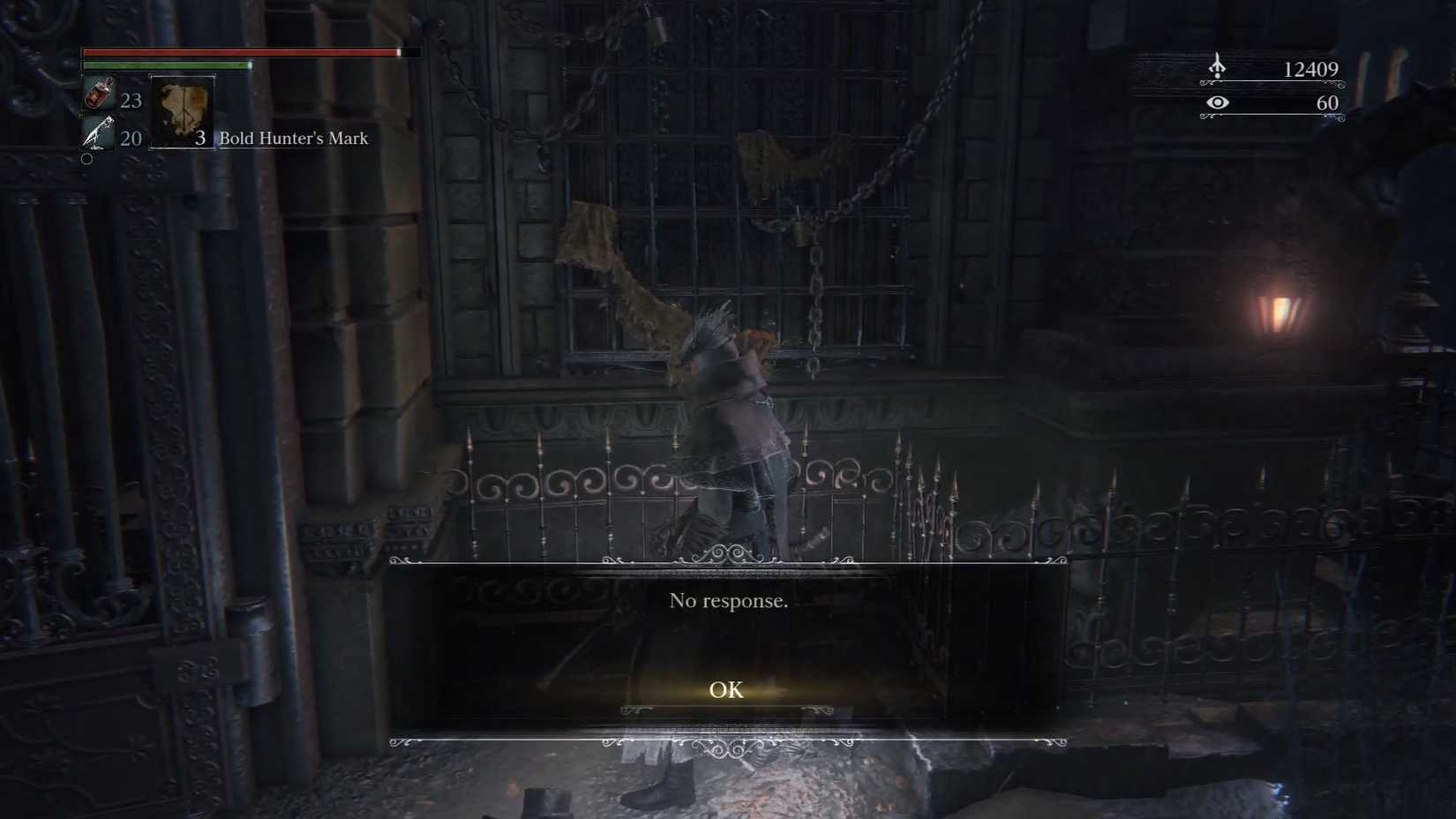
Patches is the eternal trickster of FromSoftware games. In Elden Ring, his story at Volcano Manor reveals a rare, albeit brief, moment of genuine connection with Tanith. By pushing his questline to its conclusion—which involves the defeat of Rykard—the player effectively dismantles his world. Patches is left a hollowed, depressed version of himself, returning to his original cave, stripped of the purpose and companionship he briefly found at the manor.
3. Adella, Nun of the Healing Church (Bloodborne)
Adella is a tragic figure driven by religious zeal and, eventually, obsessive jealousy. If the player rescues her and sends her to Oedon Chapel, she initially seems like a potential ally. However, if the player accepts blood from Arianna too many times, Adella’s jealousy boils over, leading her to murder Arianna in cold blood. The player’s choice to interact with both NPCs creates a volatile environment that inevitably ends in violence.
2. Hyetta (Elden Ring)
Hyetta’s quest is perhaps the most deceptive in the series. She asks for Shabriri Grapes, which are, in reality, human eyes. By "helping" her achieve her goal of becoming a Finger Maiden, the player facilitates her indoctrination into the Frenzied Flame. The final act of her quest involves her being burned alive as a vessel for the Flame. The player’s intervention is the direct cause of her excruciating sacrifice.
1. Anri of Astora (Dark Souls 3)
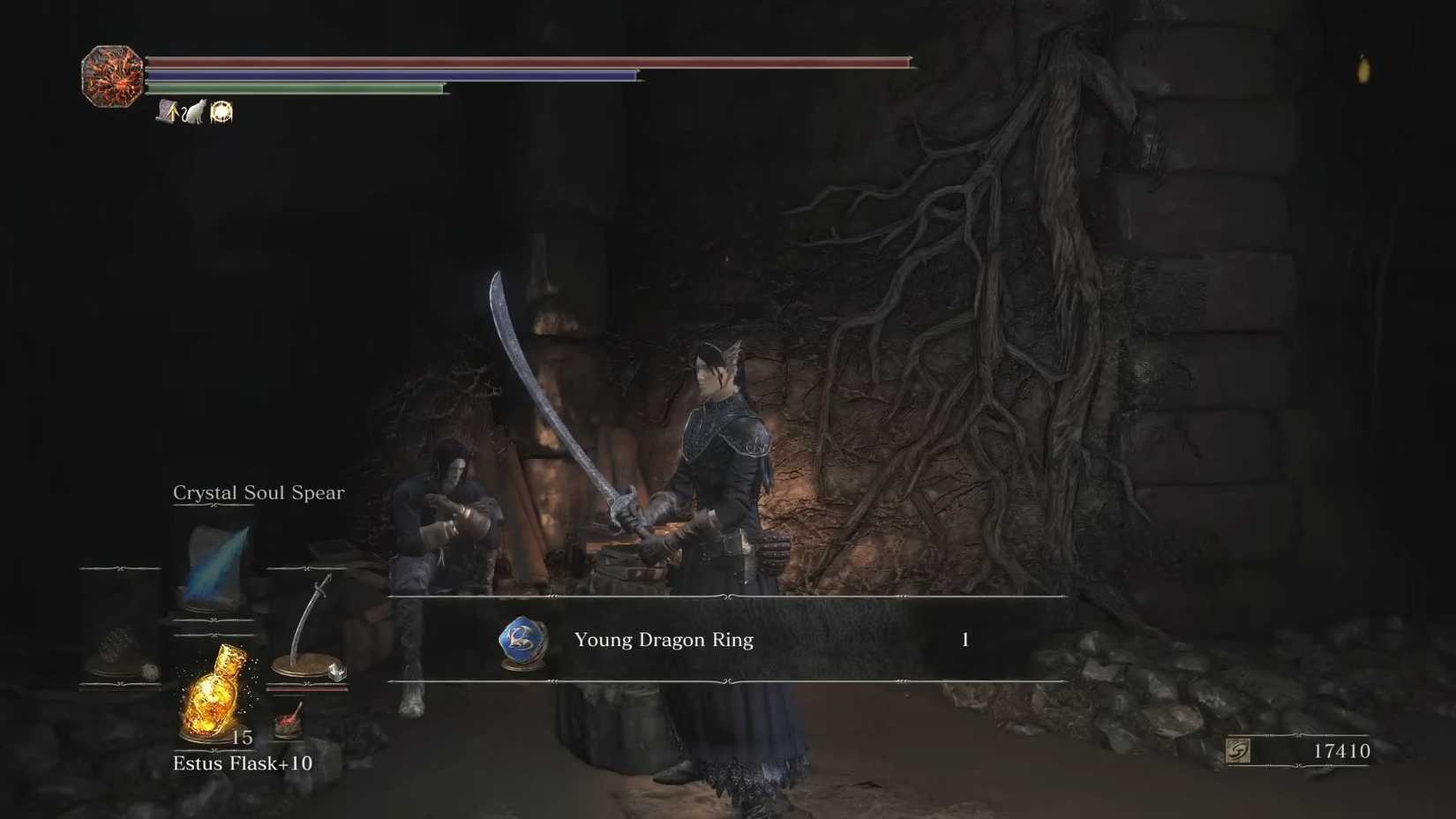
Anri is the definitive example of the "doomed companion." Whether the player helps them defeat Aldrich or participates in the dark ritual to become the Lord of Hollows, Anri is destined to die. If the player pursues the "good" path, Anri loses their mind after losing their companion, Horace. If the player pursues the "dark" path, they personally drive a sword through Anri’s chest. In the world of Dark Souls 3, Anri’s existence is essentially a tragedy waiting to happen, and the player is the primary agent of that tragedy.
Implications of Player Involvement
The recurring theme across these titles is the danger of the "Protagonist Complex." Players, conditioned by other RPGs to believe that "quest = good," are systematically punished by FromSoftware for their interference.
The Psychological Cost
The persistent nature of these failures creates a unique psychological bond between the player and the game world. When a player realizes that their "help" caused the death of a character like Siegmeyer or the madness of Irina, it creates a sense of guilt that transcends the screen. It forces the player to question the morality of their actions within the game.
Narrative Nihilism
From a design perspective, these quests serve to reinforce the game’s nihilistic setting. In a world where the cycle of fire is failing and entropy is the only constant, personal success is a fallacy. By ensuring that NPCs cannot achieve happiness, the developers maintain the atmosphere of despair that defines the Soulsborne experience.
Conclusion
FromSoftware’s Soulsborne series does not offer happy endings. The NPCs we encounter are not waiting to be saved; they are waiting to be extinguished by the entropy of their respective worlds. Our intervention, rather than changing the outcome, often accelerates the process.
For the player, the lesson is clear: in the lands of Lordran, Yharnam, and the Lands Between, the most "active" player is often the most destructive. Sometimes, the most merciful act is to leave well enough alone—to allow these characters to exist in their own small, miserable spheres, rather than dragging them into the grand, catastrophic path of the protagonist. To play Soulsborne is to accept that tragedy is the only inevitable conclusion.


 Siti Muinah
 Laily UPN