Ammar Sabilarrohman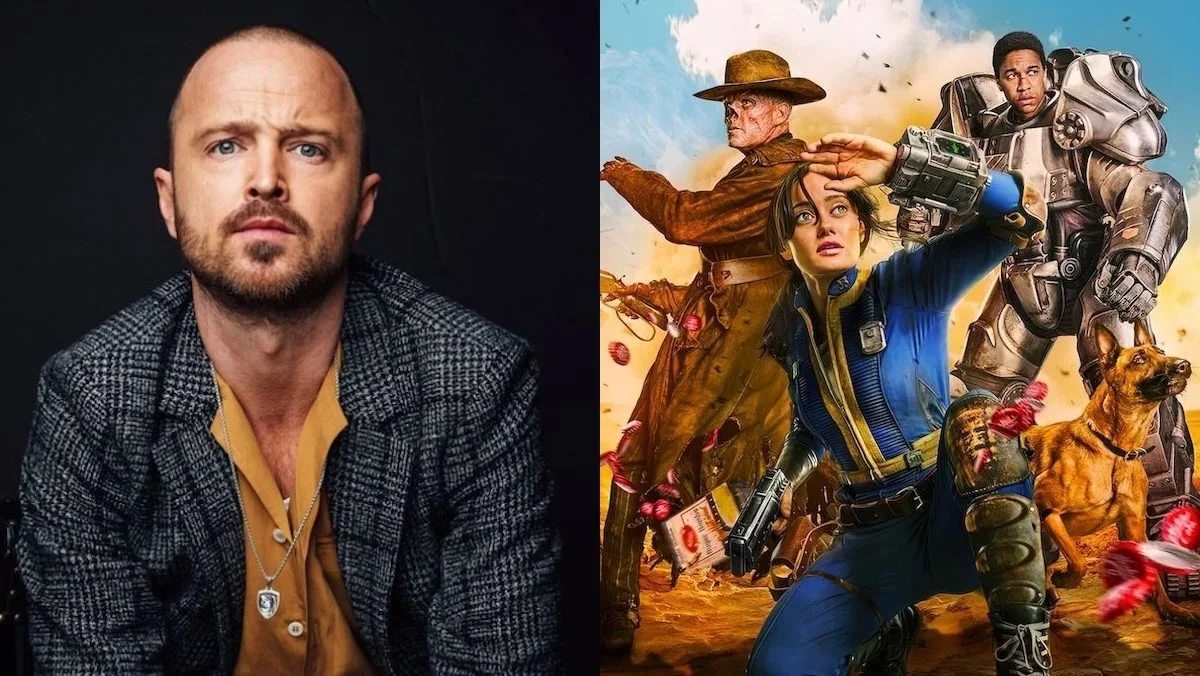
The success of Prime Video’s Fallout series has been nothing short of a cultural phenomenon, successfully translating the dense, satirical, and hyper-violent DNA of the Bethesda game franchise into one of the most critically acclaimed television shows of the decade. Following a sophomore season that solidified the show’s prestige—aided in no small part by the chilling performance of Justin Theroux as the iconic Mr. House—Prime Video has officially confirmed that it is doubling down on its "prestige casting" strategy.
In a move that has sent ripples of excitement through both the television industry and the gaming community, three-time Emmy Award winner Aaron Paul has been confirmed to join the cast for Fallout’s third season. This casting choice marks a significant escalation in the show’s narrative scope as it prepares to delve deeper into the darkest corners of the post-apocalyptic landscape.
The Main Facts: A Reunion in the Wasteland
The announcement confirms that Aaron Paul, best known for his tour-de-force performance as Jesse Pinkman in Breaking Bad, will be stepping into an as-yet-undisclosed role. For fans of high-concept science fiction, this casting is particularly symbolic. Paul will be reuniting with executive producers Jonathan Nolan and Lisa Joy, the visionary duo behind HBO’s Westworld.
The professional history between the three is storied; Paul joined Westworld in its third season as Caleb Nichols, a role that required him to navigate a dystopian future with emotional depth and gritty resilience. His move to Fallout feels like a natural evolution of that creative partnership. Furthermore, this casting fulfills a long-standing aspiration for the actor, who has publicly expressed his desire to explore the Fallout universe for years. By bringing a performer of Paul’s caliber into the mix, Prime Video is signaling that the third season of Fallout intends to maintain—if not exceed—the high-stakes character drama that defined the previous installments.
Chronology of Production and Casting
The trajectory of Fallout from a risky video game adaptation to a titan of streaming television has been swift and deliberate.
- Season One Launch (2024): The premiere season introduced audiences to the Vaults and the surface-level horrors of the Wasteland, setting a high bar for visual fidelity and narrative world-building.
- Season Two Expansion: The second season introduced major lore pillars, specifically the inclusion of Mr. House, played by Justin Theroux. This move signaled that the series was not merely an adaptation of the game’s aesthetic, but an expansion of its complex, canon-heavy history.
- The Announcement (2026): Prime Video officially confirmed the production of season three, highlighting the elevation of recurring cast members and the high-profile addition of Aaron Paul.
- The Path Forward: With pre-production underway, the focus shifts toward how these new elements—the Enclave, the Vault dwellers, and Paul’s mysterious character—will intersect in the upcoming season.
Supporting Data: Elevating the Ensemble
While the headline-grabbing news of Aaron Paul’s casting dominates the conversation, the announcement also highlighted a significant shift in the show’s internal hierarchy. Prime Video confirmed that Annabel O’Hagan (Stephanie Harper) and Dave Register (Chet) have been promoted to series regulars.
This promotion is critical for understanding the direction of the plot. Both characters are deeply embedded in the Vault lore, and their increased screen time suggests that the internal politics of the Vaults—specifically the uprising that led Stephanie to make contact with the Enclave—will be a primary engine of the season’s tension.
Additionally, the continued presence of Frances Turner, who portrays the complex and calculating Barb Howard, ensures that the flashback sequences, which provide the essential context for the Great War and the rise of Vault-Tec, will remain a cornerstone of the storytelling. These character elevations indicate a shift from a character-driven survival story to a broader, more geopolitical conflict between the Vaults and external powers.

Official Context: The Enclave and the Escalating Stakes
The Enclave has long been considered the "Big Bad" of the Fallout gaming series—a militaristic, authoritarian remnants of the United States government that views itself as the sole successor to the old world. In the finale of season two, the show made it clear that the Enclave is not merely a threat, but an active, looming presence in the narrative.
The combination of the Enclave’s prominence and the arrival of Aaron Paul suggests a direct link. In the Fallout universe, the Enclave is known for its technological superiority and its moral ambiguity. Casting a performer with Paul’s specific talent for portraying characters caught between systemic corruption and personal morality (as seen in Breaking Bad and Westworld) suggests he may be positioned as a key figure within this faction. Whether he serves as a high-ranking officer, a dissident, or a victim of their ideology remains a subject of intense speculation.
Implications for Season Three
The implications of this casting news are profound for the future of the franchise.
1. The "Prestige Talent" Mandate
By continuing to hire A-list talent, Prime Video is distancing Fallout from the historical "curse" of video game adaptations. By bringing in actors like Theroux and now Paul, the show is establishing itself as a prestige drama first and a genre piece second. This attracts a wider demographic, ensuring the show remains a flagship for the Prime Video brand.
2. Deepening the Lore
The decision to promote O’Hagan and Register suggests that the show is not afraid to spend significant time inside the Vaults. While the Wasteland is where the action happens, the Vaults are where the secrets are kept. The interplay between the Vault uprising and the reach of the Enclave provides a complex web that could sustain multiple seasons of television.
3. Narrative Synergy
Jonathan Nolan and Lisa Joy have a distinct style of storytelling—non-linear, heavy on philosophical inquiry, and obsessed with the nature of humanity in the face of technology. Aaron Paul fits this mold perfectly. His presence implies that the third season will likely lean into the darker, more existential themes of the Fallout mythos: What does it mean to be a "civilized" human in a world that has already ended?
Conclusion
The announcement of Aaron Paul’s arrival in the Wasteland is more than just a casting note; it is a declaration of intent. Prime Video is clearly positioning Fallout as one of its most important long-term assets. By weaving together the established performances of the existing cast, the promotion of key supporting players, and the addition of one of the industry’s most respected actors, the production team is setting the stage for a third season that promises to be as expansive as it is intimate.
As fans wait for more concrete details regarding Paul’s role, one thing is certain: the Fallout universe is expanding in ways that will challenge both the characters on screen and the expectations of the audience. The intersection of the Enclave’s power, the Vault’s internal volatility, and the arrival of a new, high-profile player ensures that when the show returns, the impact will be felt far beyond the confines of the Wasteland. The fallout from these decisions is only just beginning.

 Siti Muinah
 Azzam Bilal Chamdy