

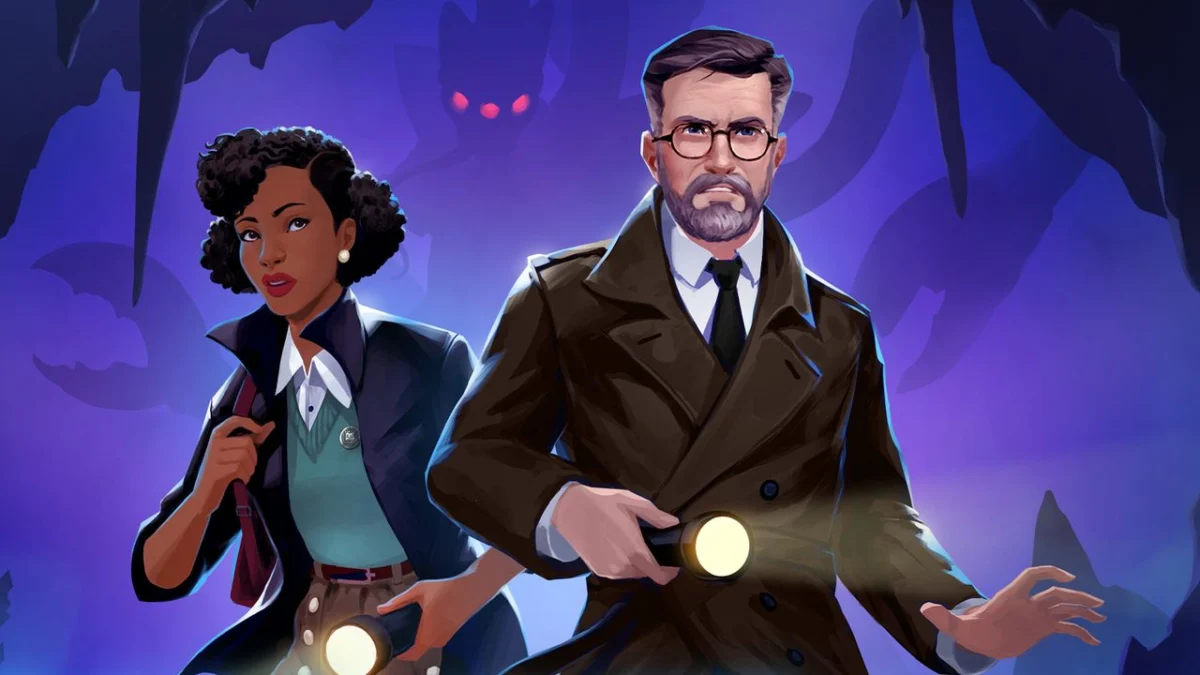
A masterclass in puzzle design or a sterile playground for the occult? We dive deep into Out of the Blue Games’ latest cosmic mystery.
In the landscape of modern narrative-driven gaming, few studios have carved out a niche as specific—or as precarious—as Out of the Blue Games. Following the success of Call of the Sea, the developer has returned with Call of the Elder Gods, a title that attempts to marry the pulpy, high-stakes aesthetic of 1950s cosmic horror with the methodical, cerebral nature of escape-room design. Released on May 12, the game invites players into a world of ancient conspiracies, frozen occult relics, and, above all, an unrelenting barrage of logic puzzles.
But does the game’s ambition to bridge the gap between Lovecraftian dread and interactive brain-teasers hold up under scrutiny? While the puzzles themselves are often brilliant, the experience reveals a fundamental tension: the world built to house these mysteries often feels more like a series of stage-managed sets than a living, breathing reality.
The Core Experience: A Chronology of Discovery
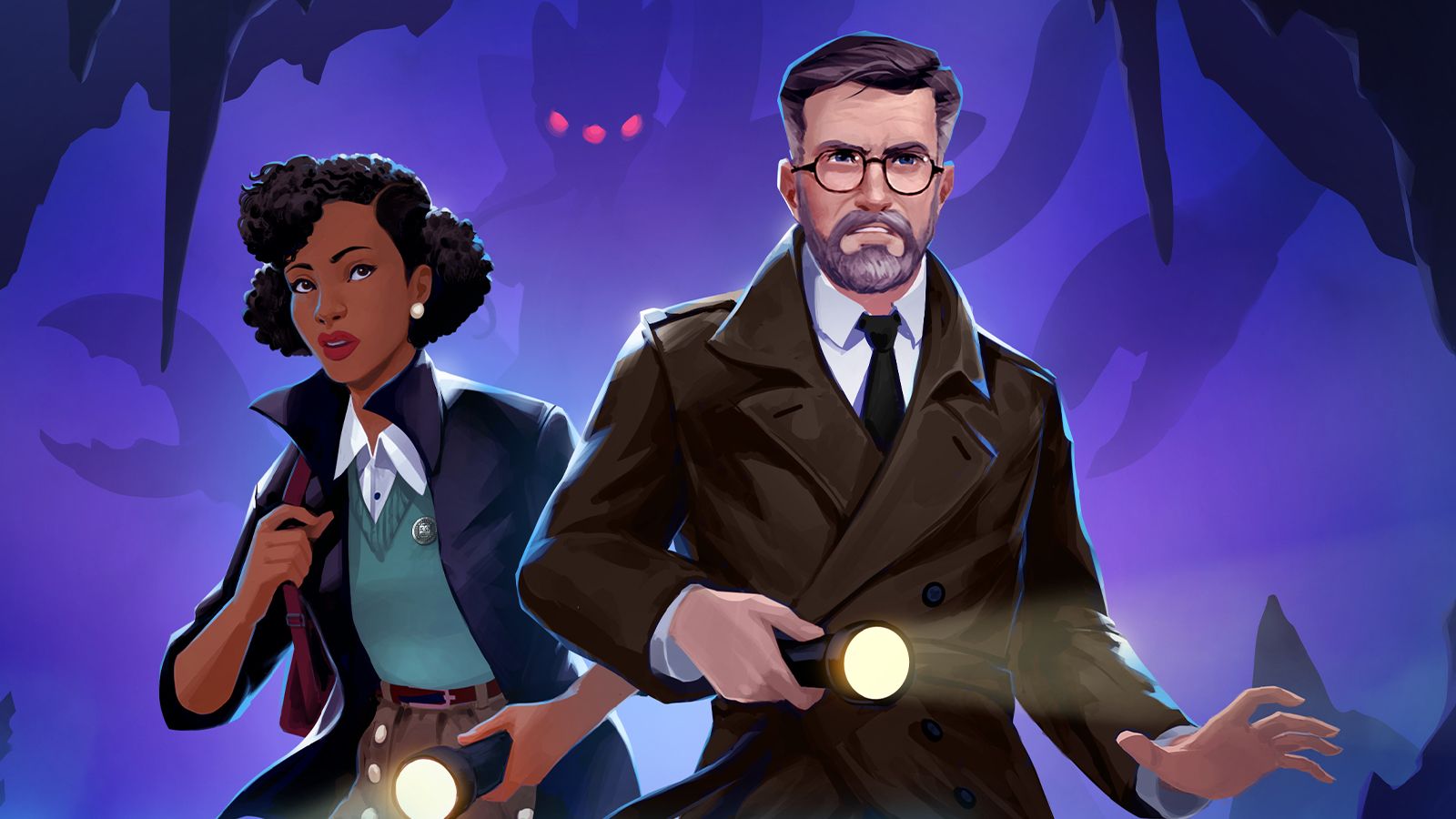
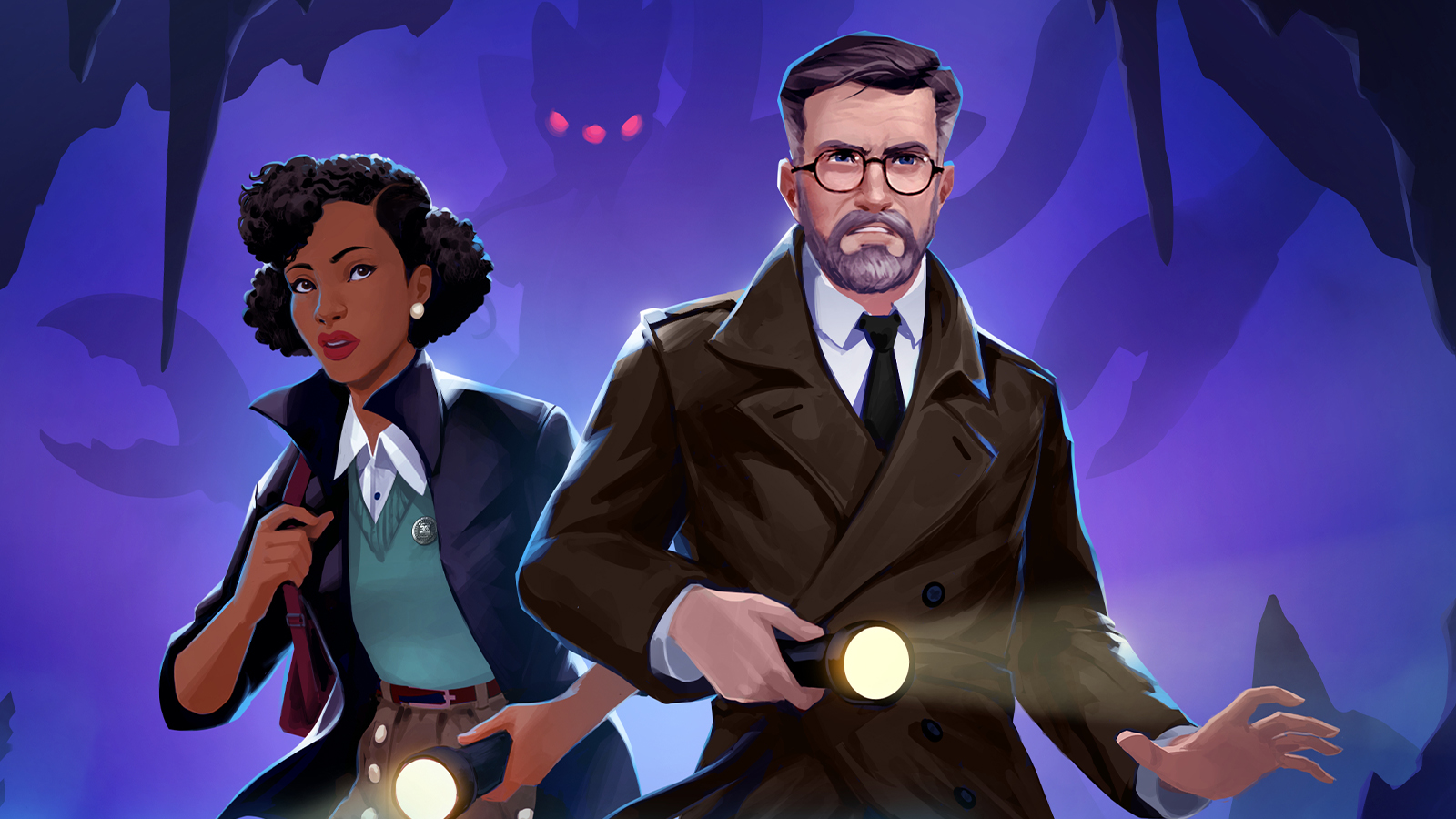
The journey in Call of the Elder Gods begins with a deceptive sense of normalcy. Set in 1957, the game follows Professor Harry Everhart and his companion, Evangeline Drayton. Their expedition takes them from the polished, ivy-covered halls of Arkham University to the desolate, frost-bitten landscapes where Nazi occult conspiracies lie buried in the ice.
The Opening Act: Establishing the Tone
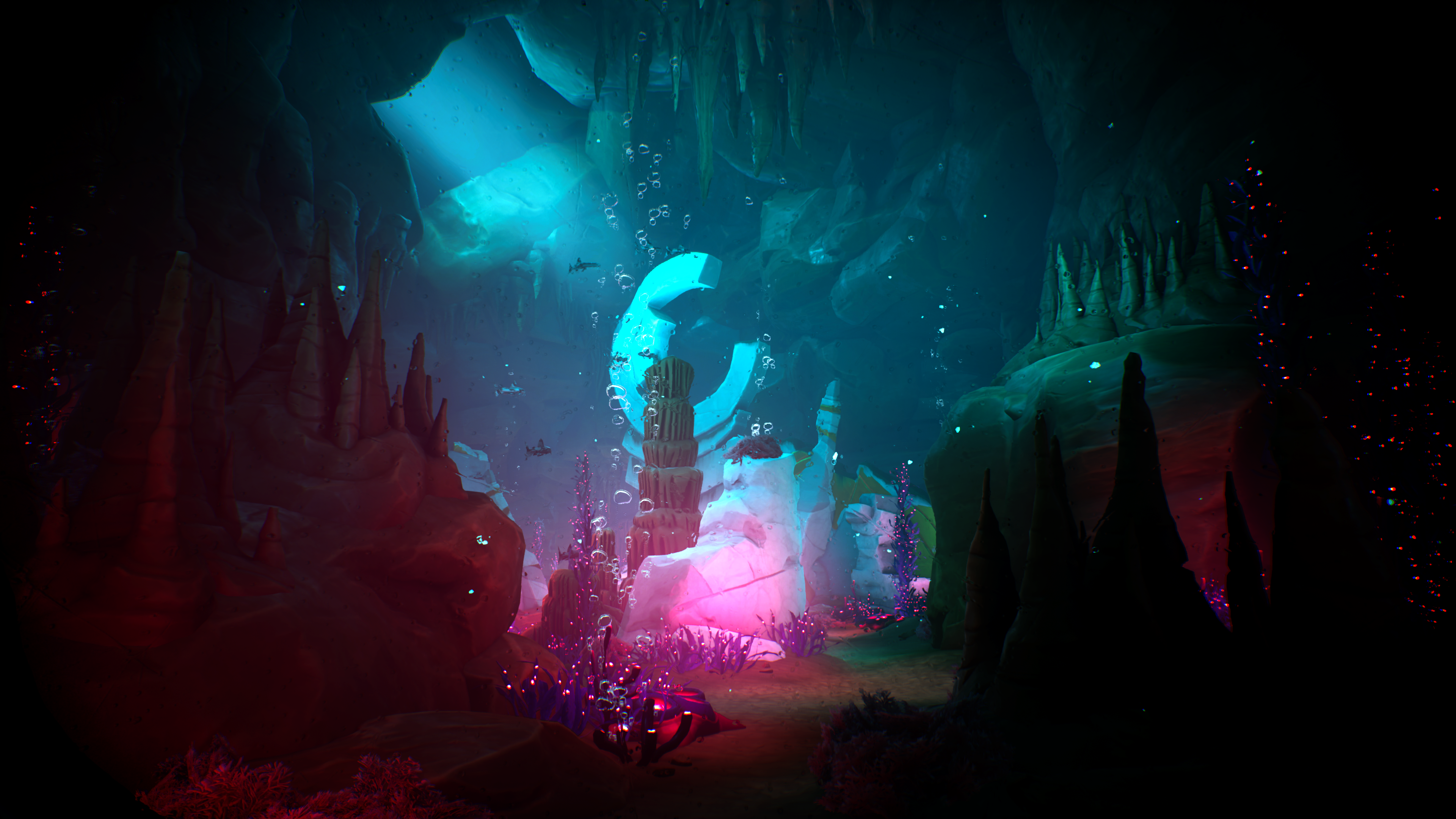
The early hours of the game are defined by a breezy, pulp-adventure cadence. Players are introduced to the core mechanics—observation, note-taking, and environmental manipulation—within the relatively safe confines of academic archives. It is here that the game shines brightest in terms of atmosphere, utilizing Unreal Engine 5 to deliver crisp, painterly environments that evoke a "cosy-mystery" aesthetic, despite the underlying themes of cosmic annihilation.
The Mid-Game Complexity
As the narrative progresses, the scope expands. The introduction of dual-protagonist mechanics allows for moments where players must toggle between Everhart and Drayton to navigate environmental hazards, such as avoiding lethal "inky clouds" of eldritch energy. It is in these middle chapters that the game hits its stride. One standout sequence involving an Egyptian cult remains the game’s absolute high-water mark; it forces the player to synthesize information from diverse sources—number theory, object manipulation, and linguistic interpretation—to unlock a path forward. The satisfaction derived from this sequence is profound, rewarding the player’s patience and logical deduction.
The Final Descent
As the game reaches its climax, the difficulty curve spikes sharply. The final acts introduce puzzles involving time travel, palaeontology, and complex astrology. It is here that the game begins to struggle with its own identity, occasionally veering into the realm of information overload. By the time the final revelations occur, the experience is less about the unfolding cosmic terror and more about the technical satisfaction of having "beaten" the game’s most impenetrable locks.
Data and Mechanics: The Architecture of the Puzzler
To understand Call of the Elder Gods, one must analyze the systems that govern its progression. The game relies heavily on a "Clue Journaling" system, which serves as both a narrative repository and a difficulty balancer.
- The Journaling System: In a nod to detective tropes, Everhart’s deceased wife provides clues from beyond the veil. While this serves as a helpful hint system for players who find themselves stuck, it lacks the complexity of more innovative "mind palace" mechanics seen in recent genre competitors like Cthulhu: Cosmic Abyss.
- Engine Performance: Leveraging Unreal Engine 5, the game boasts impressive lighting and surface textures. However, the technical fidelity is not matched by the animation. Conversations often feel static, and the reliance on illustrated, non-animated cutscenes suggests a budget constraint that occasionally breaks the fourth wall of immersion.
- Session Length: The total runtime clocks in at approximately five to six hours. This brevity is a double-edged sword; while it ensures that the pacing remains tight and the "escape room" feel is sustained, it also limits the opportunity for deep character development or world-building.
The Professional Verdict: Aesthetic vs. Substance
The primary critique leveled against Call of the Elder Gods is the "sterility" of its environment. While the art direction—which blends geometric stylization with Norman Rockwell-esque character designs—is undeniably charming, the environments themselves are designed primarily to facilitate puzzle-solving.
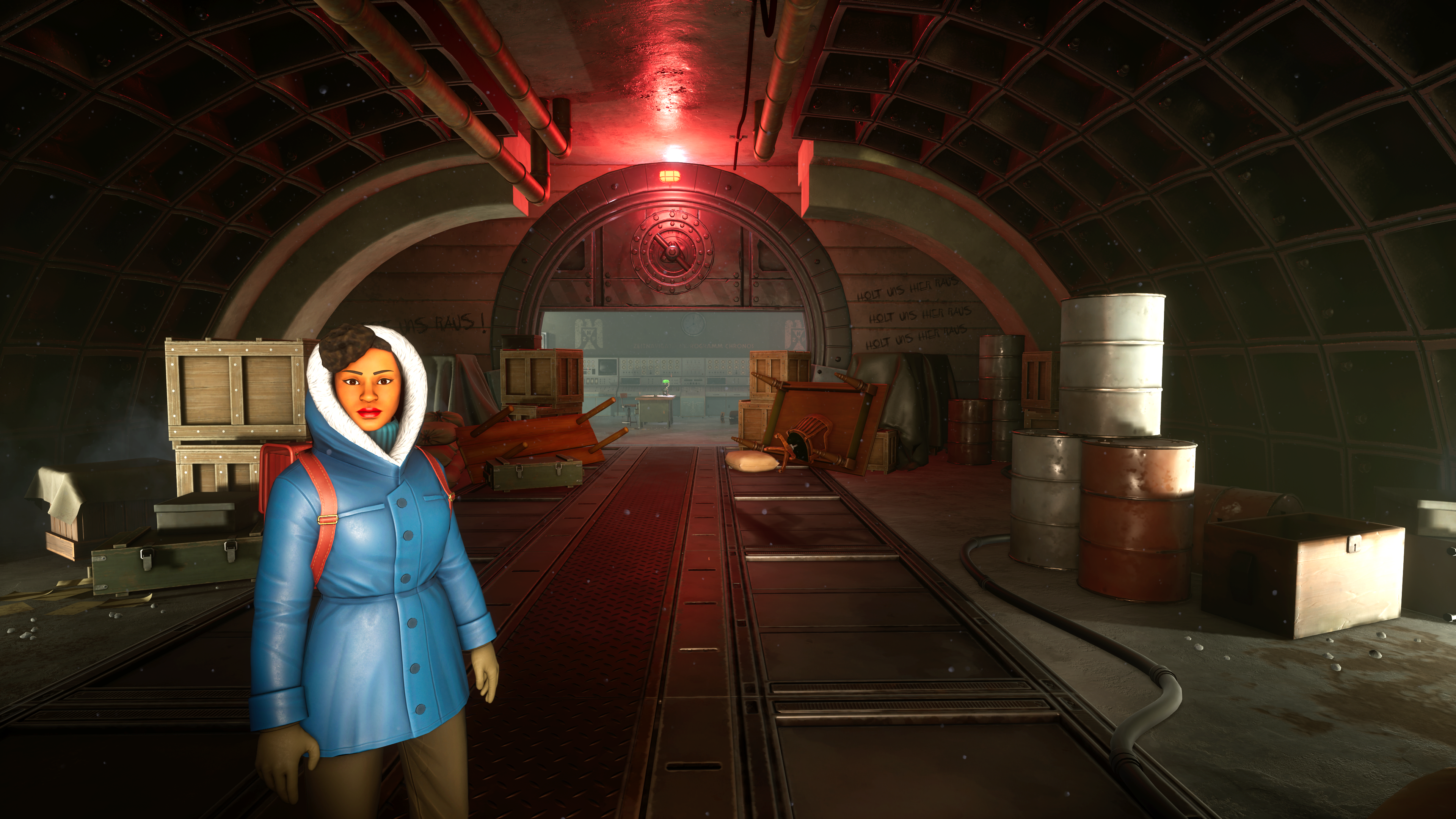
When you enter a room, you are not inhabiting a space; you are analyzing a collection of potential puzzle inputs. Once the patterns are cracked and the objects are manipulated, the "magic" of the world dissipates, leaving the player with an empty stage. This creates a disconnect between the game’s narrative stakes—saving the world from ancient, incomprehensible horrors—and the player’s actual experience, which is largely confined to reading constellations or decoding Latin inscriptions.
Strengths
- Brilliant Puzzle Design: When the game hits, it hits hard. The satisfaction of solving complex, multi-layered puzzles is the game’s greatest asset.
- The Protagonist Dynamic: The interplay between the world-weary, grief-stricken Everhart and the sharp-witted, sarcastic Drayton provides much-needed emotional anchor points.
- Visual Flair: The 1957 setting is beautifully rendered, providing a distinct visual identity that differentiates it from darker, grittier horror titles.
Weaknesses
- Narrative Thinness: The cosmic horror elements often feel like window dressing rather than integral parts of the storytelling.
- Animation Stiffness: The lack of fluid character animation during dialogue sequences can pull the player out of the moment.
- Obtuse Difficulty: Late-game puzzles occasionally cross the line from "rewarding challenge" into "frustrating opacity."
Implications: Where Does the Genre Go Next?
The release of Call of the Elder Gods serves as a case study for the "Narrative-Puzzler" genre. It highlights the difficulty developers face in trying to synthesize two distinct design philosophies: the "Walking Sim" (which prioritizes narrative immersion and atmosphere) and the "Puzzle Box" (which prioritizes mechanical interaction).
By focusing so heavily on the latter, Out of the Blue Games has succeeded in creating a compelling, if narrow, experience. The industry trend, as evidenced by titles like Mixtape or the aforementioned Cthulhu: Cosmic Abyss, is moving toward more integrated, reactive worlds where the environment acts as a storyteller. Call of the Elder Gods feels, at times, like a transitional work—a bridge between the classic, isolated puzzle-solving games of the past and the more immersive, systemic narratives of the future.
Final Reflections
Call of the Elder Gods is a game that is easy to admire but difficult to fully fall in love with. It is a work of immense technical competence and genuine creative passion, yet it suffers from the very boundaries it sets for itself. If you are the type of player who enjoys the quiet intensity of decoding a cipher while the weight of an ancient, cosmic secret hangs in the air, you will find much to love here. However, those looking for a world that feels as deep as the lore it references may find themselves wishing for a bit more soul beneath the surface of the puzzles.
Ultimately, the game succeeds in its primary goal: it is a clever, pulpy, and thoroughly engaging puzzle delivery system. Whether that is enough to constitute a masterpiece depends entirely on what you value most in your cosmic adventures. In this case, the brilliance of the puzzles is enough to keep you playing, even when the world around them begins to show its seams.











No comments yet. Be the first to join the conversation!