

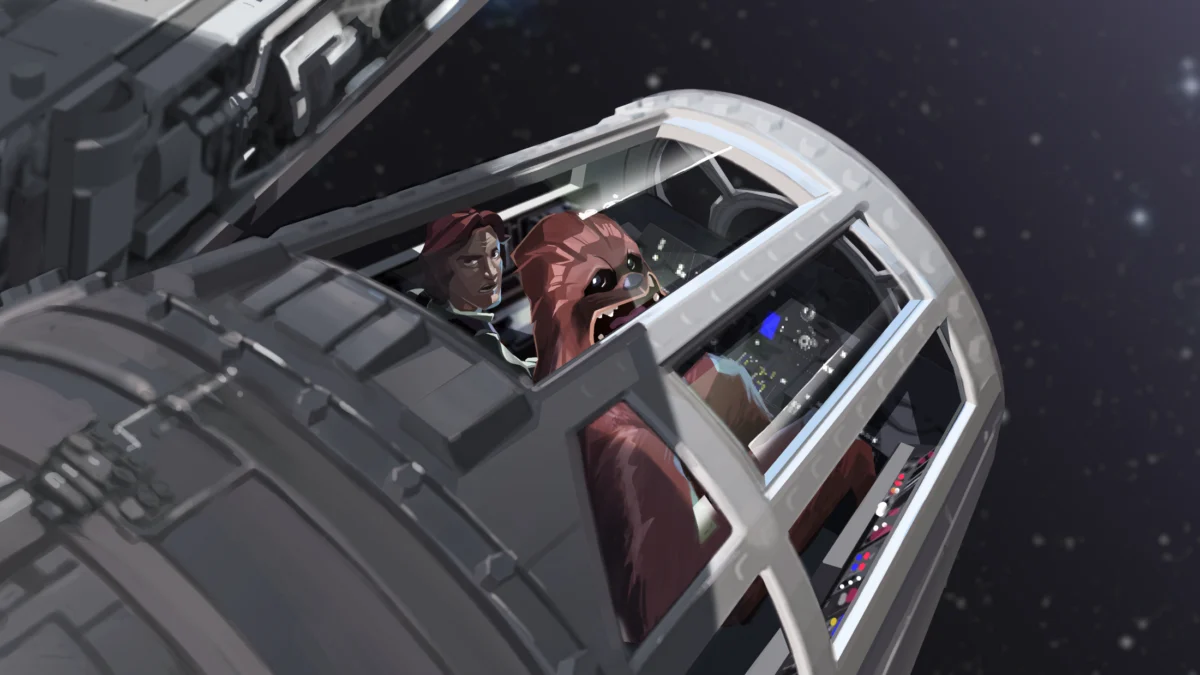
In the expansive galaxy of Star Wars fan fiction, few projects manage to capture the polished, cinematic gravitas of official Lucasfilm productions. Yet, this past May 4th—the unofficial global holiday for the franchise—a scrappy, independent collective of Spanish animation professionals shattered expectations with the release of Star Heist.
Produced entirely outside the corporate infrastructure of Disney or Lucasfilm, Star Heist stands as a testament to what a small, dedicated group of industry veterans can achieve when they trade their corporate "day job" constraints for creative anarchy. The short film, which has already garnered significant attention for its high-fidelity production values and ambitious stylistic shifts, serves as a poignant reminder of the enduring, cross-generational power of the Star Wars brand.
The Genesis: A Deadline-Driven Gamble
The project began not in a boardroom, but in a casual conversation among friends scattered across the globe. Director José Ucha, known for his work as co-director on Netflix’s My Little Pony: A New Generation, recalls the inception of the project as a sudden, almost impulsive decision.
"Almost a month ago, like a bug, this idea came up," Ucha told Cartoon Brew. "May the 4th is coming; should we do something? We were all swamped with our professional commitments, but we had a tiny bit of time. We looked at each other and said, ‘Fine, we accept the challenge. We’re doing Star Heist. Let’s start now.’"
The "Star Heist" collective was born, a temporary assembly of high-level talent including character designer SalBa Combé, animator Renato Roldán, and renowned manga author Kenny Ruiz. As the project gained momentum, the circle widened to include animator Raúl Madplane, composer Gustavo Branger, musician Tim Boomsma, and sound technician Mario Morellón.
A Chronology of a Four-Week Sprint
The timeline was, by any industry standard, brutal. To go from initial concept to a polished, final render in just 30 days is a feat usually reserved for major studios with massive pipelines. The production of Star Heist serves as a case study in efficient, agile creative management.
.png)
Week One: The Reality Check. The team initially aimed for a grandiose 14-to-15-shot short featuring complex mixed-media techniques. However, the reality of their limited time and resources hit quickly. "By the first week, we were already aborting," Ucha admitted. "We cut the scope to 10 shots. Then we kept cutting. The final version is seven."
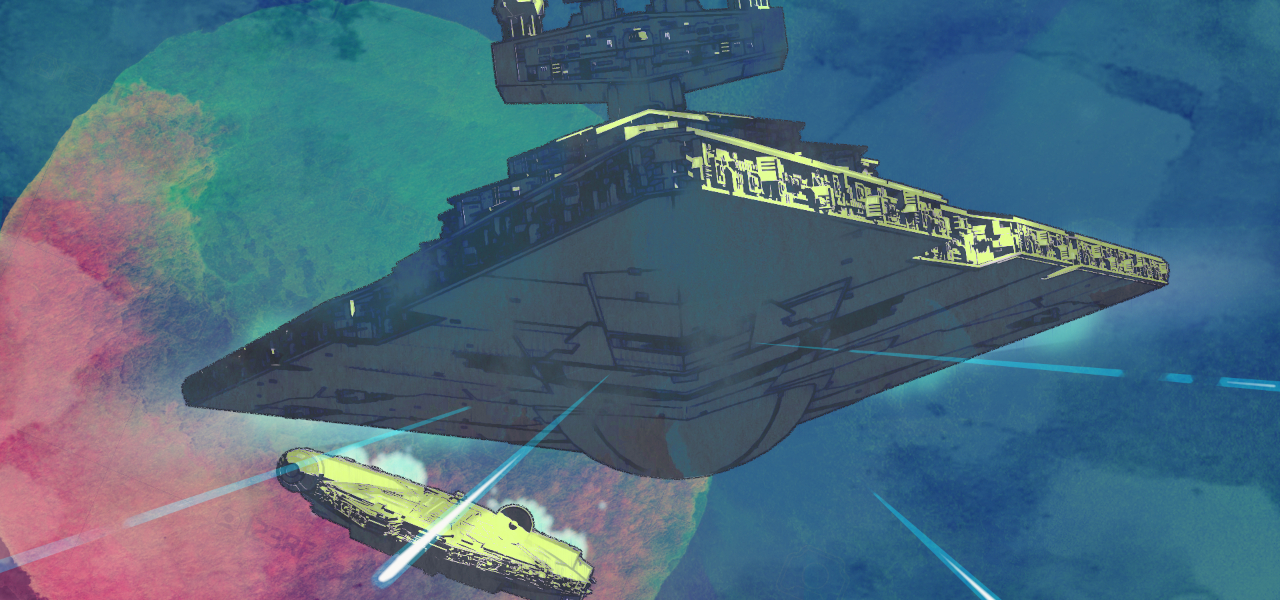
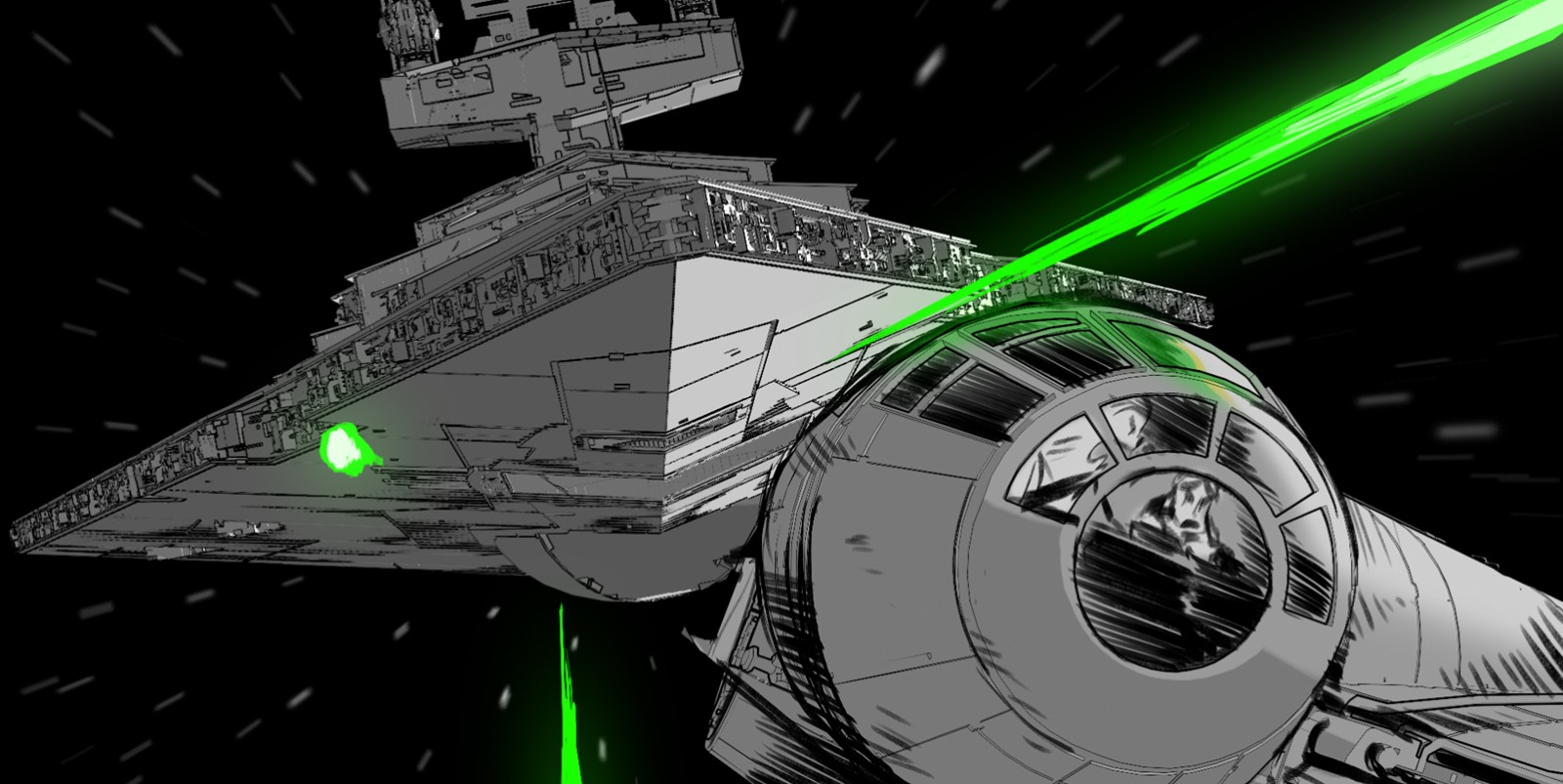
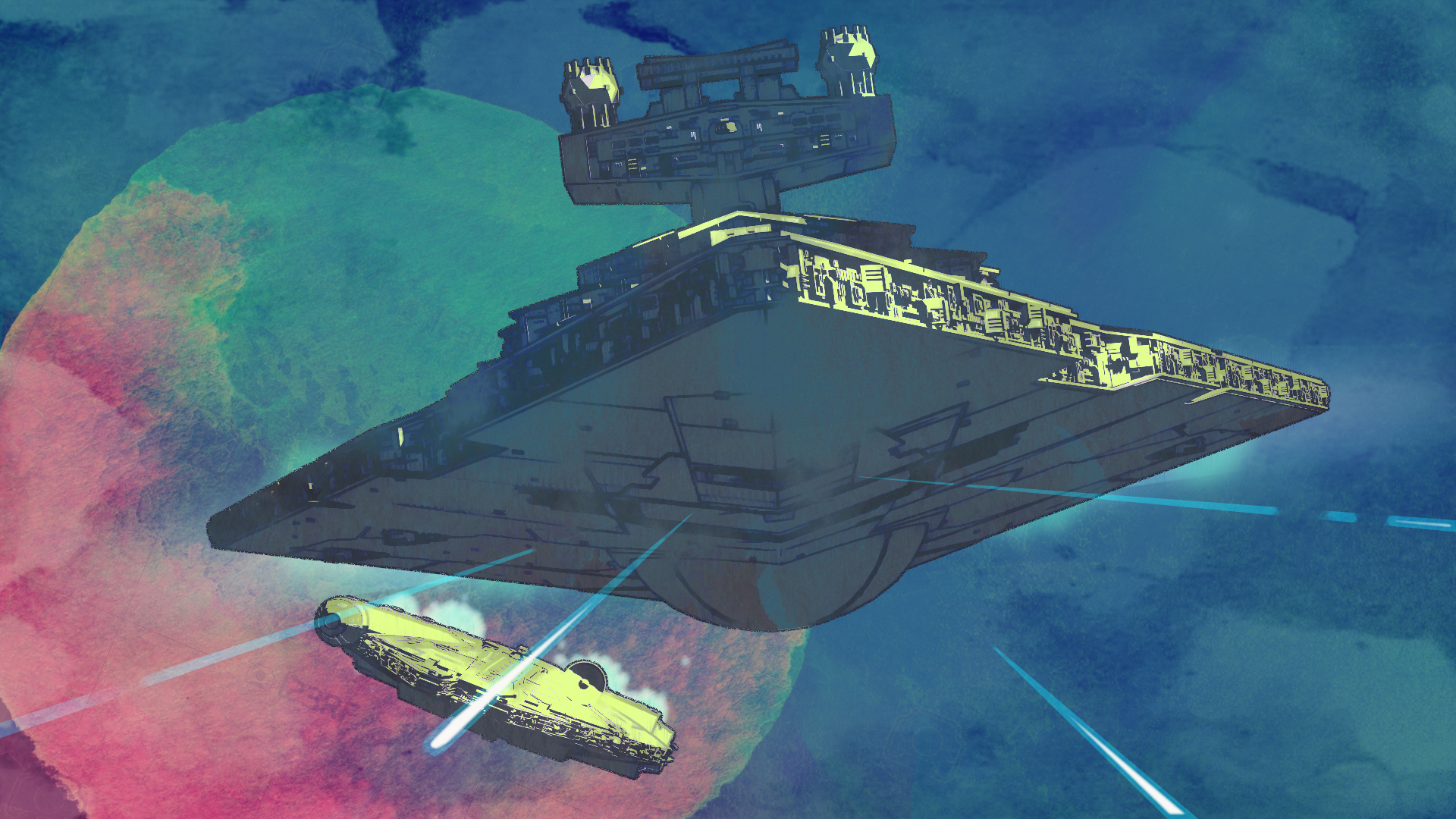
Week Two: Establishing the Aesthetic. The team solidified the film’s unique bifurcated structure. The first half would embrace the grit of 1990s Dark Horse Star Wars comics—specifically the painterly, high-contrast style of Cam Kennedy. The second half would pivot to a softer, more luminous aesthetic to represent the innocence of childhood.
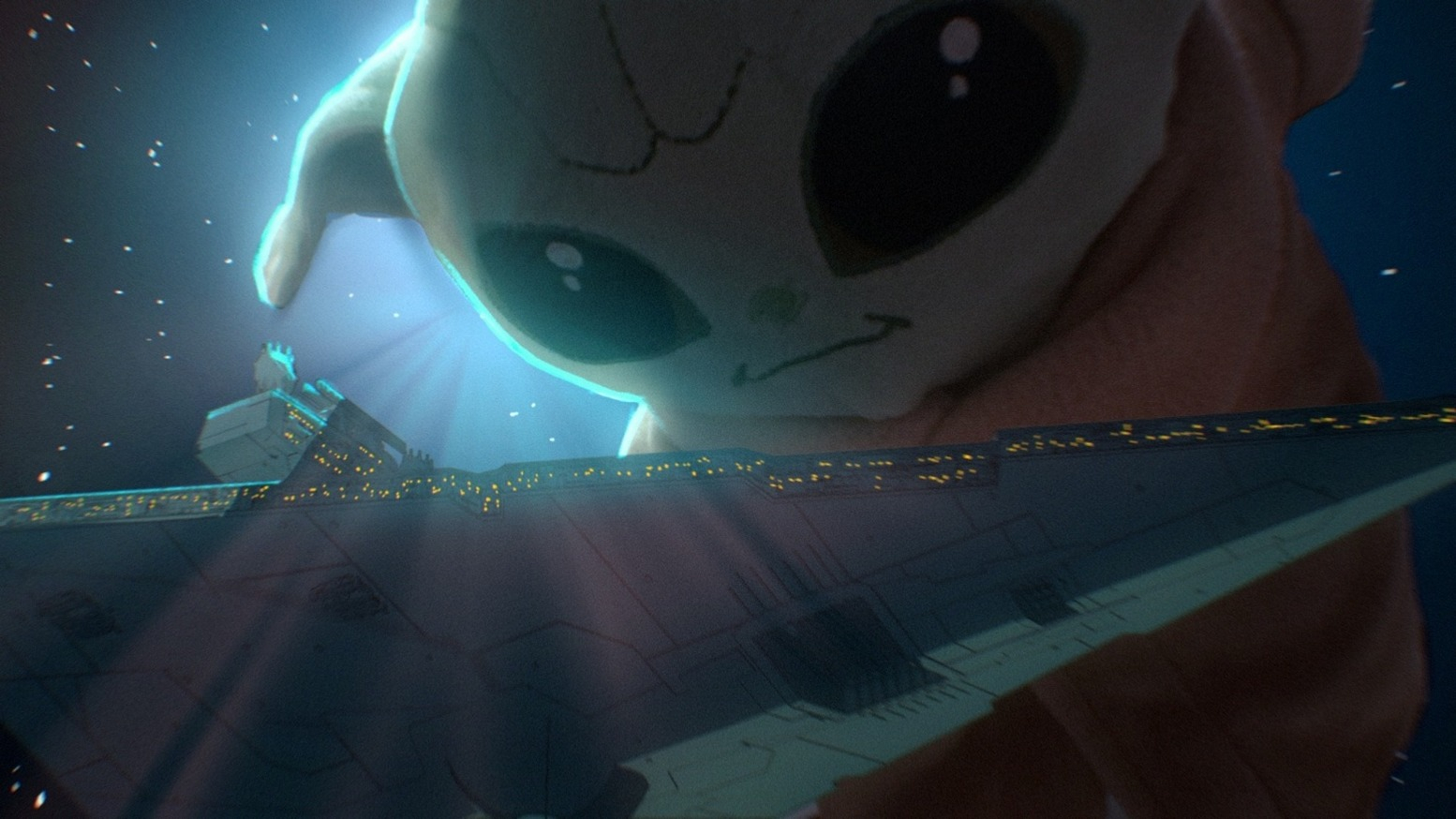
Week Three: Technical Synchronization. This period involved intense collaboration between the animation team and the audio department. As the visual language shifted, the sound design and music had to reflect the emotional journey from "epic space battle" to "bedroom playtime." It was here that the team grappled with their most controversial creative choice: the inclusion of "Gorulactus," a playful, surreal mash-up of Grogu and Galactus.
Week Four: The Final Polish. As the clock ran down, the team focused on finishing touches. Late additions like Raúl Madplane stepped in to handle the closing sequence and character interactions between Han Solo and Chewbacca, providing a fresh set of eyes on a project that had become deeply entrenched in its own logic.
Supporting Data: Stylistic Duality as a Narrative Device
One of the most compelling aspects of Star Heist is its refusal to stick to a single visual identity. The short film cleverly uses two distinct animation styles to anchor its narrative.
The first half, spearheaded by animator Renato Roldán, is characterized by a "swaggering" action sequence. This segment is meant to depict the father’s perspective—a gritty, nostalgic homage to the Star Wars of the early 90s. The second half, managed by SalBa Combé, is brighter and more "kid-coded," reflecting the daughter’s worldview.
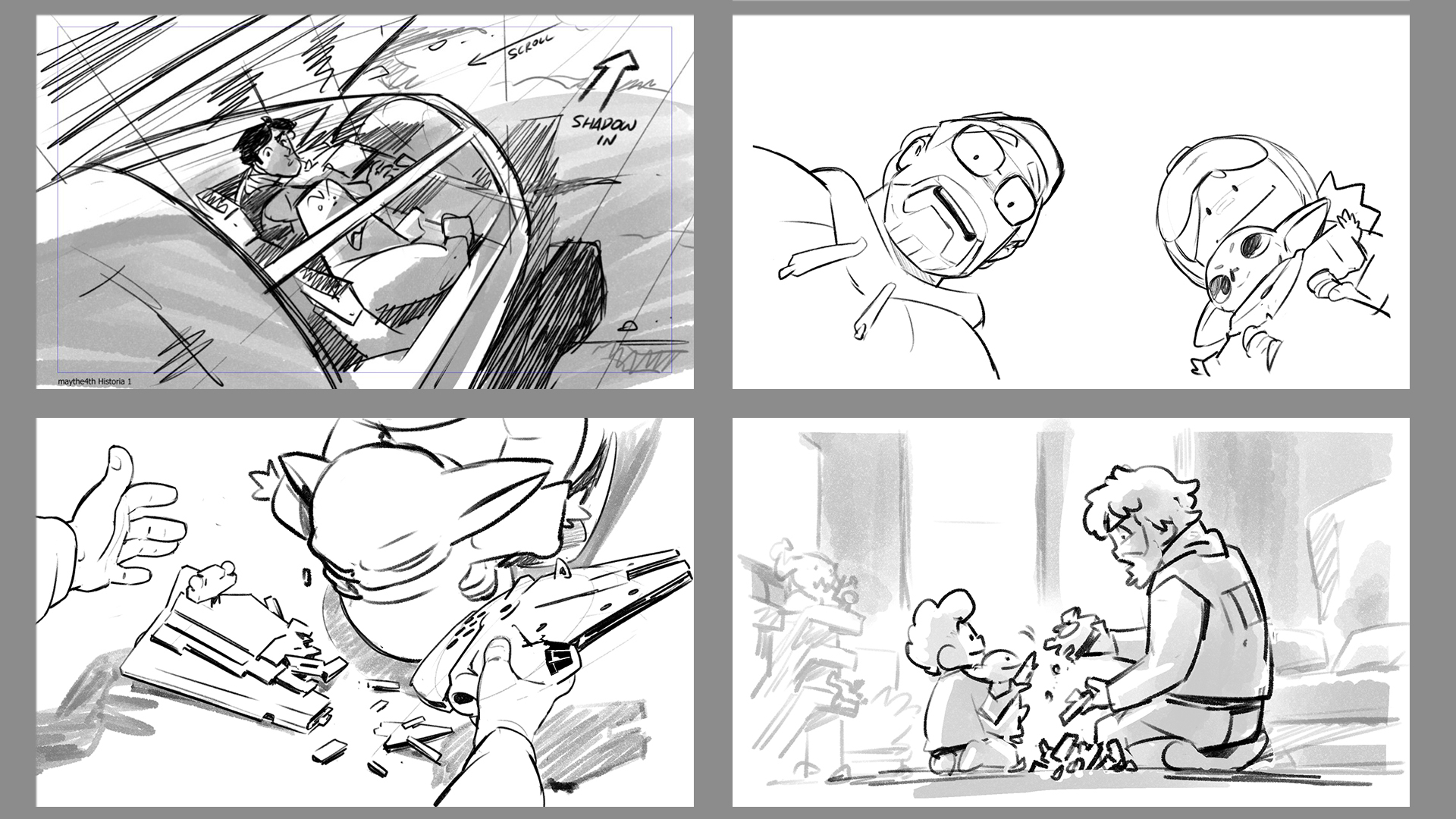
"The first part is how the dad imagines it while he’s playing," Combé explained. "We picked Cam Kennedy as a reference because that felt very identifying of the era when guys our age first remember Star Wars. The other part is much more naive because that’s the real world, seen through the little girl’s eyes, with much more luminous colors."
This dual approach also served a practical purpose: it allowed the team to divide the labor cleanly, with Roldán and Combé effectively owning their respective halves of the film.
Official Responses and Creative Philosophy
The project has drawn praise for its thematic resonance. Kenny Ruiz, who is currently authoring the second volume of Star Wars: Path of the Lightsaber for Viz Media, views the short as a love letter to the franchise’s history.
"What unites Star Wars is the enthusiasm for this franchise across generations," Ruiz noted. "There’s a generation that loves the Star Wars they grew up with, and a new generation that loves the new vision. The beautiful thing is that we get to play together. One doesn’t have to crush the other."
The collaborative spirit was echoed by the rest of the crew, many of whom are accustomed to working on high-budget projects for companies like Netflix, Pixar, and Disney. For them, Star Heist was an opportunity to shed the layers of corporate bureaucracy.
Renato Roldán, who recently worked on Love, Death + Robots, noted that the lack of oversight was both a challenge and a liberation. "It was very open, very anarchic, but organized," he said. "I wanted to apply ‘Do or do not, there is no try.’ Either we were going all in, or we weren’t going to do it at all."
Implications: The Future of Independent Fan Animation
The success of Star Heist raises interesting questions about the future of fan-driven content in the digital age. As animation software becomes more accessible and professional-grade tools like Blender become standard for independent creators, the gap between "official" and "unofficial" content continues to shrink.
1. The Power of "Micro-Collectives"
The Star Heist model proves that small, decentralized teams of professionals can produce broadcast-quality animation without the need for traditional studio infrastructure. By working in short, high-intensity sprints, these creators avoid the burnout often associated with long-term, multi-year studio projects.
2. The Preservation of Nostalgia
By explicitly referencing the visual styles of the 1990s Dark Horse comics, the team tapped into a specific vein of fan nostalgia that official Disney-era Star Wars projects sometimes overlook in favor of modern digital aesthetics. This highlights a market for stylistic variety that major studios might explore more frequently.
3. Professional Synergy
The project served as a "creative sandbox" for the participants. For artists like Ruiz, who spend their professional lives creating static imagery, the transition to motion—with sound and movement—provided a necessary creative outlet. The collaboration between these artists, who work on projects ranging from My Little Pony to Marvel, shows that the professional animation world is increasingly becoming a small, interconnected community.
Conclusion
Star Heist is more than just a slick fan film; it is a manifestation of the passion that drives the animation industry. In just four weeks, a group of friends managed to create a piece of art that respects the past while embracing the future of the Star Wars franchise. As Ucha and his team return to their respective feature-length projects, the impact of their "anarchic" experiment will likely linger, proving once again that when it comes to creativity, there is no "try"—only the courage to start.









No comments yet. Be the first to join the conversation!