

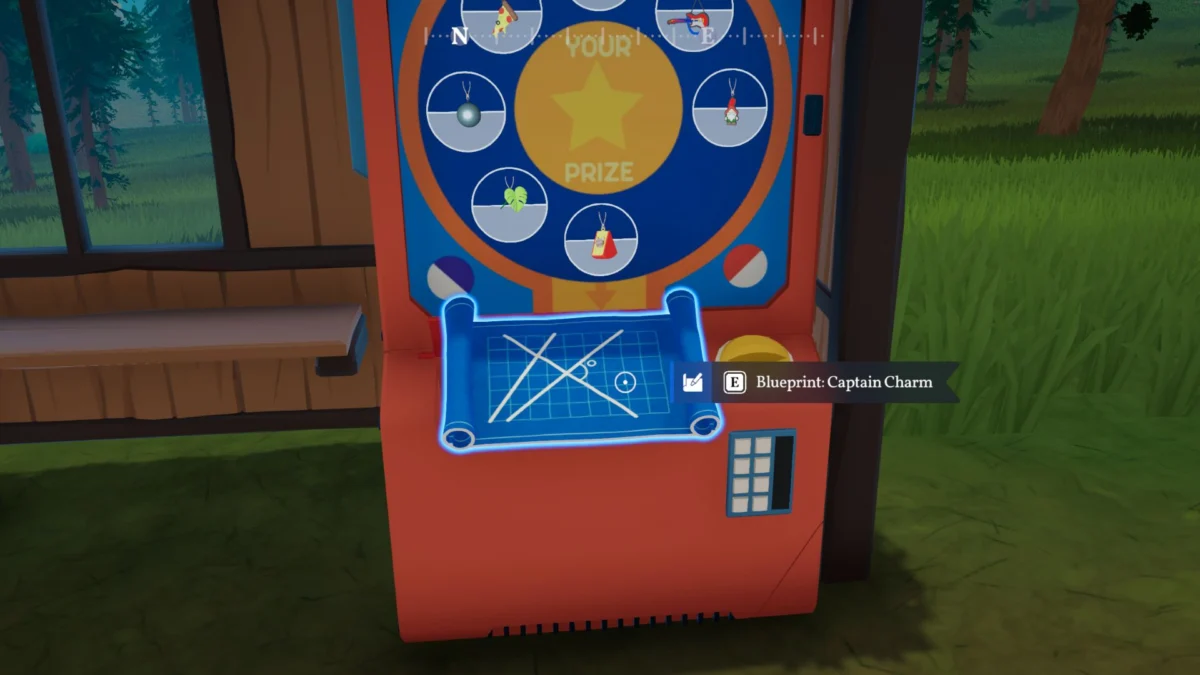
In the burgeoning world of Outbound—the atmospheric, nomadic survival-crafting title developed by Square Glade Games—players are tasked with more than just simple survival. They are tasked with traversing a vibrant, open-world landscape in a mobile home that serves as both a sanctuary and a laboratory. Central to this journey is the game’s core progression mechanic: the Signal Tower.
For many players, the Signal Tower represents both the most exciting and the most anxiety-inducing element of Outbound. These structures act as the primary gatekeepers for new blueprints, tools, and quality-of-life upgrades. However, the system’s underlying logic has remained a point of confusion for the community. Is the progression dictated by rigid, quest-based triggers, or is the game operating on a complex, randomized loop?
To answer these questions, we must look at how Outbound balances player autonomy with the unpredictable nature of its progression systems.
The Core Mechanic: Why Signal Towers Matter
In Outbound, your mobile base is only as good as the technology powering it. Whether you are seeking to optimize your energy consumption, construct more efficient storage solutions, or craft advanced tools to bypass environmental obstacles, the blueprints for these upgrades are rarely found in the wild. Instead, they are "downloaded" from the network of Signal Towers scattered across the biomes.
When you interact with a Signal Tower, you are often presented with a selection of options. Choosing one usually precludes the others for that specific interaction, creating a sense of "selection anxiety." Players frequently worry that picking a cosmetic item—like a new shelf or interior decoration—will permanently lock them out of a vital utility tool, such as an improved axe or a solar panel upgrade.
The Myth of Permanent Loss
The most important takeaway for any player struggling with Outbound’s tech progression is that no choice is permanent. Extensive testing by the community and early-access players has confirmed that the game operates on a rotation system. If you forgo a specific blueprint in favor of another, that omitted item is not discarded; it is returned to the potential "drop pool." It will, in time, cycle back through the Signal Tower’s offerings.
Understanding this alleviates the pressure of the initial choice, allowing players to focus on what they need now rather than worrying about what they might be missing forever.
Chronology of Progression: From Scavenger to Nomad
Progression in Outbound is best viewed as a series of distinct stages, each tied to the player’s ability to move deeper into the map.
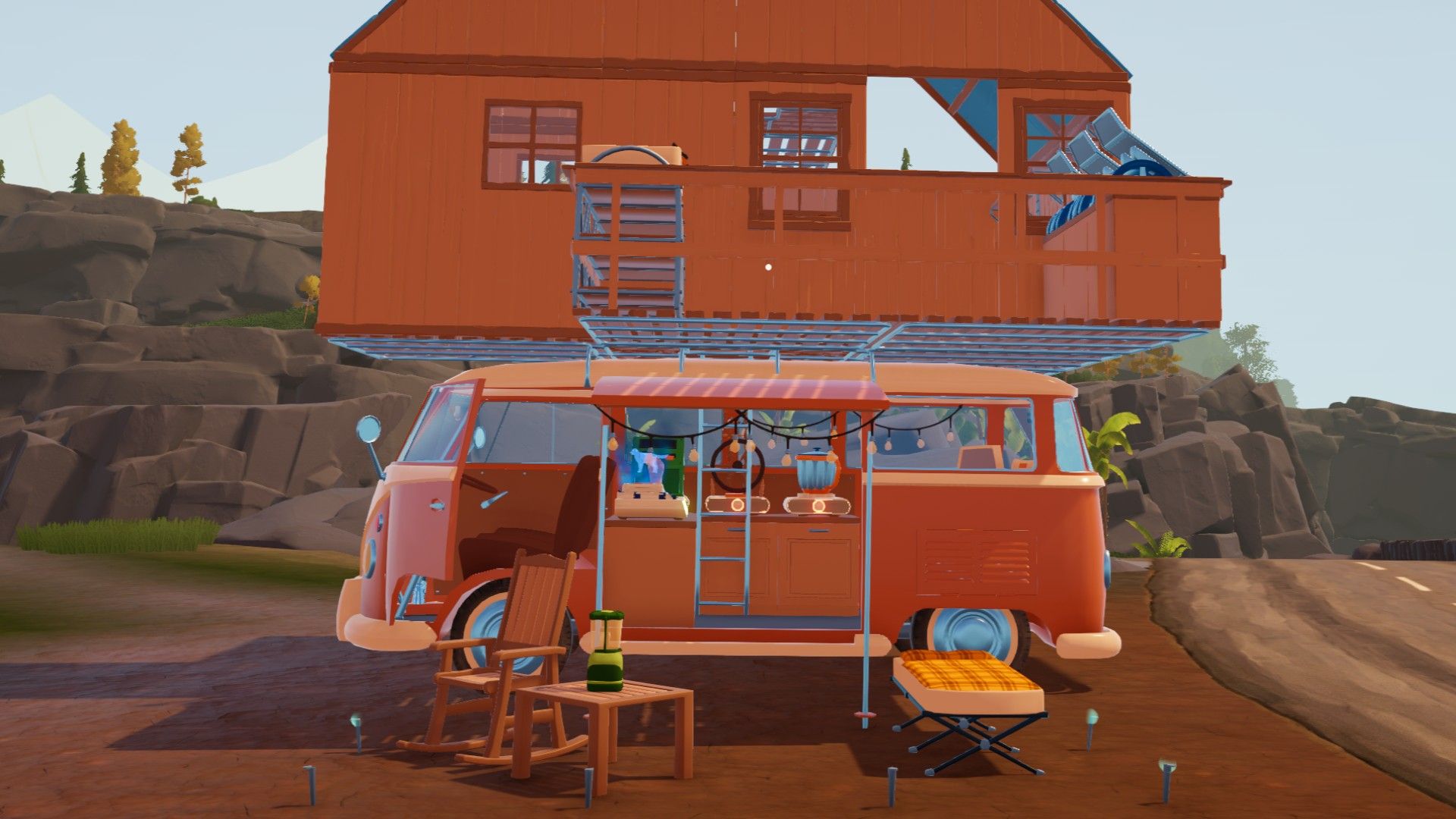
Phase 1: The Initial Hook
Upon starting your journey, the game introduces you to the Signal Tower interface with a limited set of guaranteed blueprints. This "tutorial phase" is designed to ensure that all players, regardless of their playstyle, have the basic tools required to keep their mobile home moving. During this stage, the RNG (Random Number Generation) elements are tightly controlled to prevent early-game frustration.
Phase 2: The Expansion
As you transition from the starting area into the secondary biomes, the "choice" mechanic is introduced. The game begins to offer multiple, mutually exclusive blueprints. This is where the narrative of your journey begins to diverge from other players. Some may prioritize base-building efficiency, while others focus on mobility and exploration.
Phase 3: The Mid-to-Late Game Loop
By the time you reach the more challenging biomes, the pool of available blueprints expands significantly. Here, the "trigger" system becomes more apparent. While the game does rely on RNG to keep the experience fresh, it also monitors your current progress. If you are consistently lacking a specific type of resource or tool necessary to survive a particular biome, the Signal Tower logic often adjusts the weights of the available downloads to ensure you remain on a viable path.
Supporting Data: RNG vs. Trigger-Based Logic
The debate surrounding Outbound’s progression logic stems from the developer’s hybrid approach to game design.
The RNG Element:
Much of the download pool is indeed randomized. This is intentional; it ensures that two players starting the game simultaneously will have different experiences. One player might find the "Bolt Press" early, allowing for rapid tool production, while another might unlock it much later, instead finding an abundance of aesthetic or storage-based upgrades early on. This variance adds replayability, as no two nomadic journeys will feel identical.
The Trigger Element:
However, the system is not purely random. There are "hidden triggers" embedded within the game’s code. These triggers act as safety nets. For example, if you have spent a significant amount of time in a biome where you lack the specific tools to harvest the primary resources, the game recognizes this "stagnation" and pushes the relevant blueprints to the top of the priority list for the next Signal Tower you encounter.
Why Players Perceive "Rules"
The confusion arises because players often attempt to "game" the system. Some believe that standing in a specific spot or harvesting a certain number of items before activating a tower influences the output. While developers rarely comment on these specific "superstitions," the general consensus among the community is that the game rewards active exploration over static behavior. The more you move, the more signals you encounter, and the faster the "pool" of potential recipes cycles.
Official Stance and Developer Philosophy
Square Glade Games has maintained that the goal of Outbound is to create a "chill" survival experience. The design philosophy centers on removing the "punishment" associated with traditional survival games.
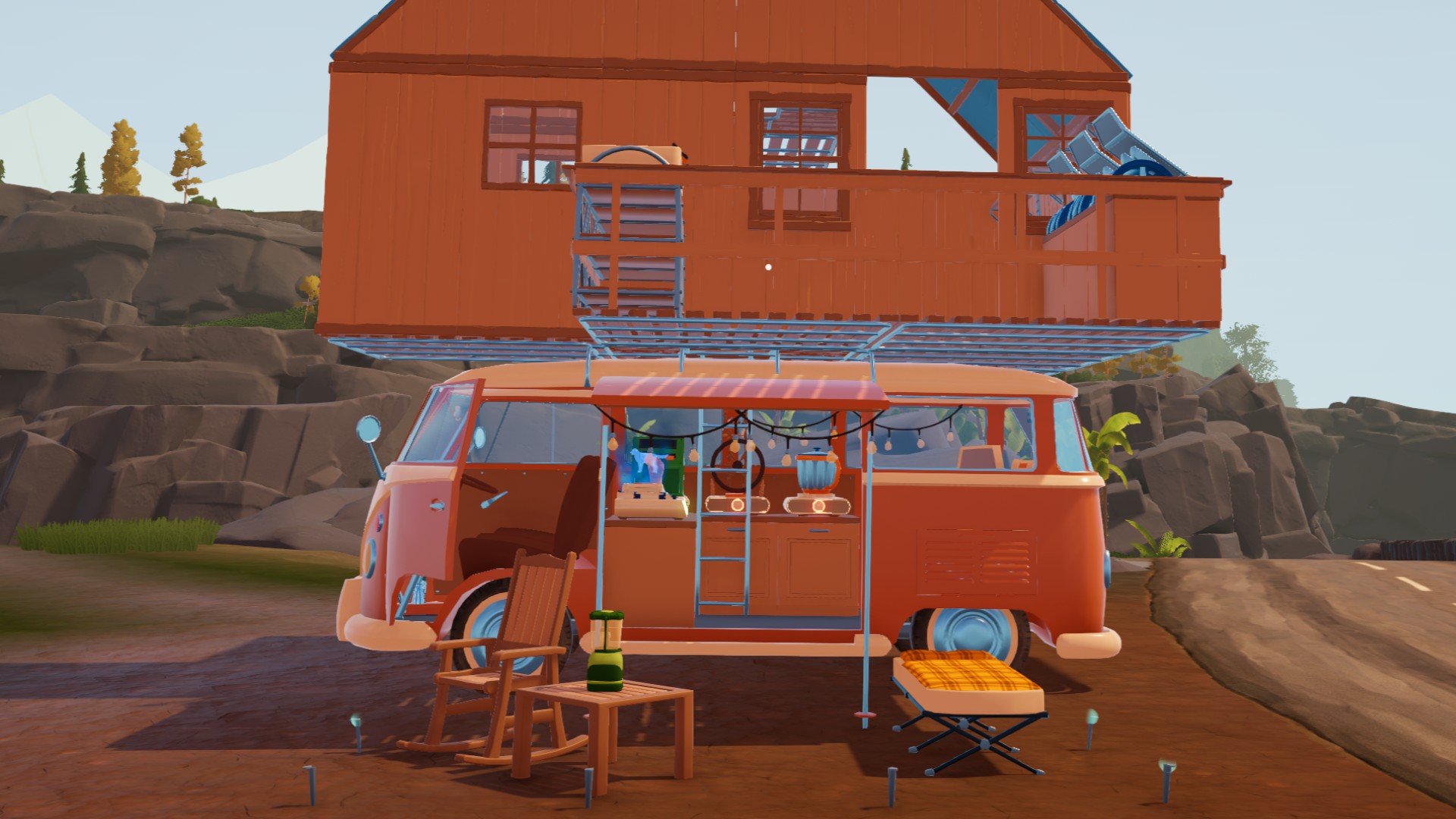
In many survival titles, missing a tech-tree node can result in a soft-lock or an incredibly punishing grind. In Outbound, the developers have explicitly aimed to avoid this. By allowing recipes to return to the pool, they have effectively removed the "wrong choice." The developers encourage players to embrace the flow of the game rather than stressing over the optimization of every single download.
"We want the journey to be the focus," a representative from the development team noted during a recent community Q&A. "The Signal Towers aren’t meant to be exams you pass or fail. They are part of the scenery, a way to slowly build your home as you explore the world. If you miss something, don’t worry—the road is long, and it will show up again."
Implications for the Player Experience
What does this mean for the average Outbound player?
1. Let Go of Optimization Anxiety
The biggest implication is that you should stop trying to "solve" the game. If you are offered a choice between a tool you desperately need and a piece of furniture you love, take the one that sparks the most joy in the moment. The "missing" item will return to your list eventually.
2. The Power of Movement
Since the cycle of blueprints is tied to your progress and exploration, the best way to "force" a new recipe is simply to keep driving. The more of the map you reveal, the more towers you interact with, and the more chances you have to trigger that elusive blueprint you’ve been hunting for.
3. Embrace the "Nomadic" Spirit
The game’s design forces a shift in perspective. You are not a stationary builder protecting a fortress; you are a nomad. Your base is a reflection of the journey you have taken. The blueprints you unlock early are not "wasted" if they aren’t the ones you wanted—they are simply the artifacts of your specific path through the world.
Conclusion: The Path Ahead
Outbound is a game that thrives on its own unpredictability. While it is natural to want a clear, step-by-step guide to unlocking every tool, the reality of the game is far more organic. By blending randomized drops with intelligent, progress-based safety nets, Square Glade Games has created a system that feels fair without being predictable.
Whether you are a meticulous planner or a spontaneous explorer, the Signal Towers will eventually provide what you need. The key is to keep the engine running, keep the radio on, and enjoy the view as you traverse the beautiful, ever-changing landscape of Outbound. The right tools will come when they are meant to—all you have to do is keep driving.












No comments yet. Be the first to join the conversation!