

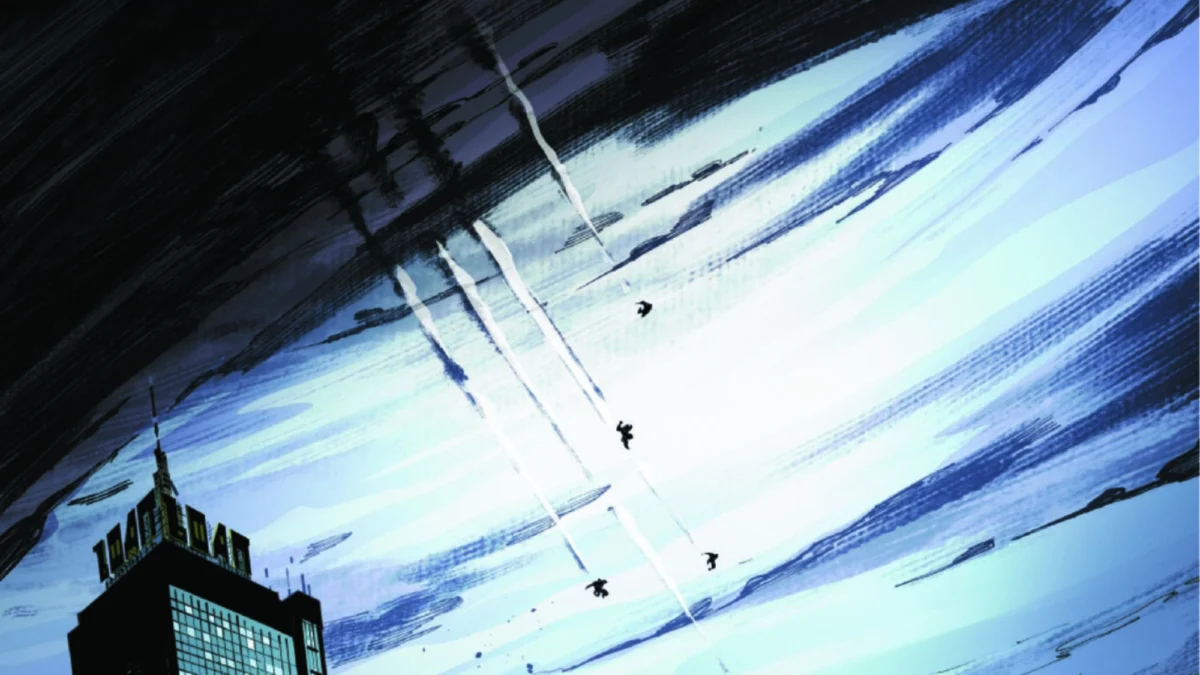
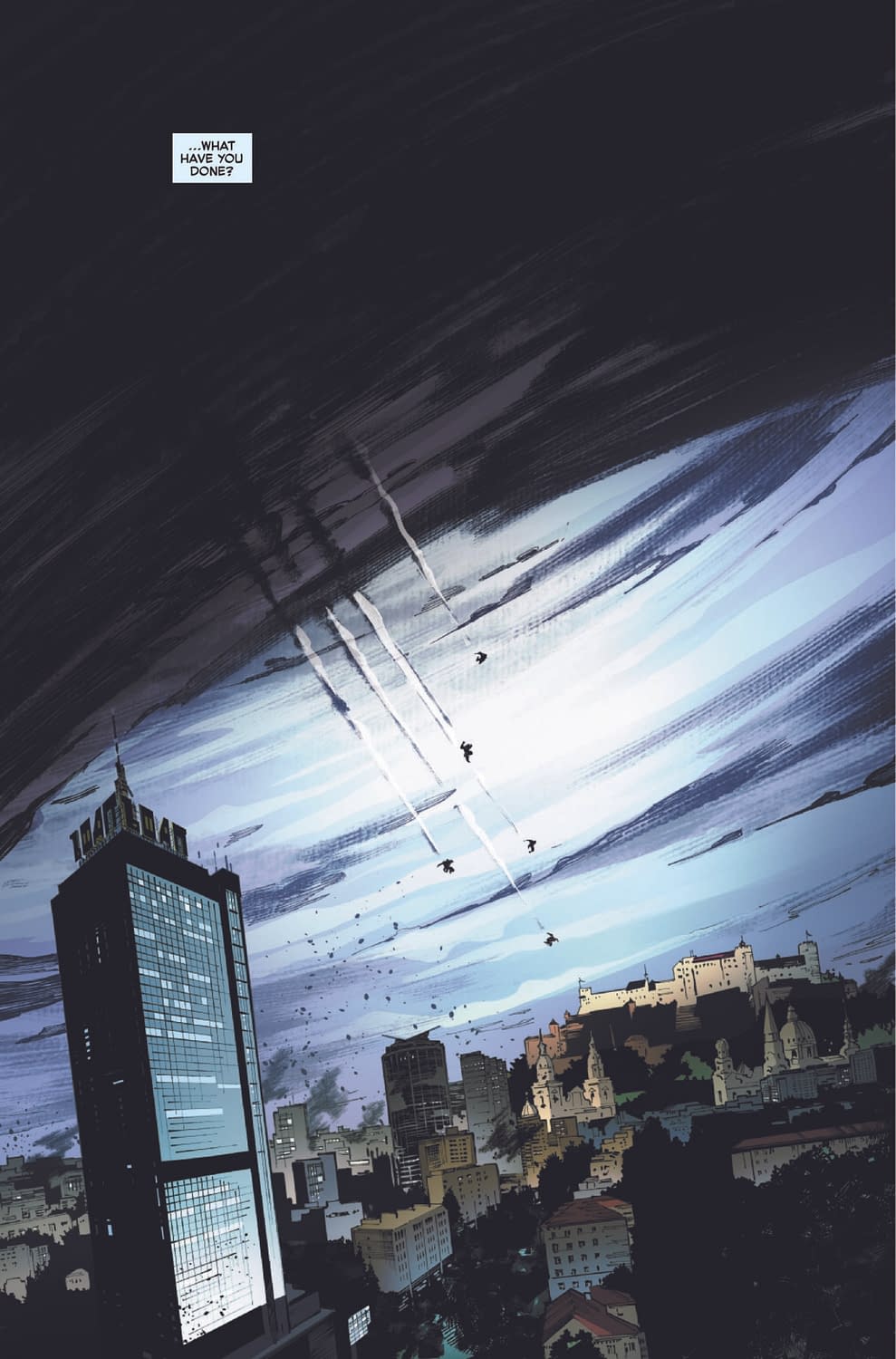
The Marvel Universe stands on the precipice of a global catastrophe as the "Road to Armageddon" storyline reaches a fever pitch. In next week’s Captain America #11, written by Chip Zdarsky with art by Valerio Schiti, the long-simmering tensions between the United States military and the sovereign nation of Latveria are set to explode. At the center of this geopolitical powder keg is General Thaddeus "Thunderbolt" Ross, who is prepared to deploy a devastating, unconventional weapon that threatens to irrevocably alter the landscape of the Marvel Universe: a squadron of gamma-irradiated soldiers, colloquially referred to as "Hulk Bombs."
The Escalation: Understanding the Threat
For months, readers have been tracking the tactical maneuvering of General Ross, the Red Hulk. Following revelations from Free Comic Book Day and teasers scattered across recent Captain America issues, it has become clear that Ross is not merely posturing; he is preparing for an all-out offensive. The deployment of these "Hulk soldiers"—individuals modified to harness gamma radiation—represents a significant shift in American military doctrine.
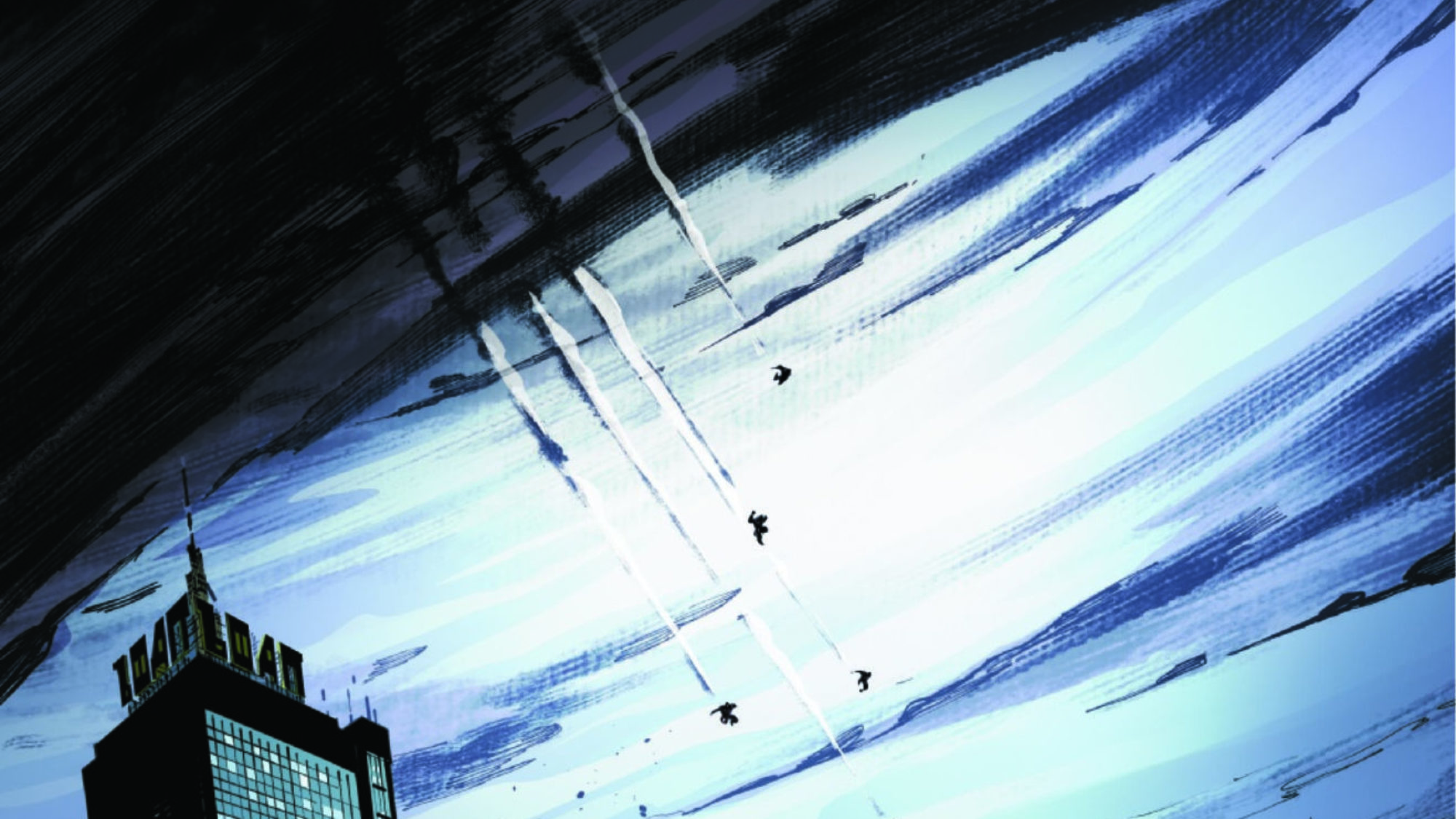
By utilizing these living weapons, the United States is effectively turning its back on traditional warfare. The implications are staggering: the U.S. government is treating human beings as ordnance, dropping them into enemy territory to cause maximum destruction. This is not a surgical strike; it is a scorched-earth policy that positions the United States as an aggressor of unprecedented power.
Chronology of the Conflict
The descent into the "Armageddon" event has been a carefully plotted narrative by Marvel’s creative teams. To understand the current crisis, one must look at the preceding events:
- The Rise of the Red Hulk: General Ross, empowered by his own gamma transformation, has consolidated power within the military, moving beyond his traditional roles to orchestrate a shadow war against perceived threats to American sovereignty.
- The Symkaria Previews: Early leaks and promotional materials highlighted "The Battle for Symkaria," which served as the first public indication of Ross’s willingness to use unconventional warfare.
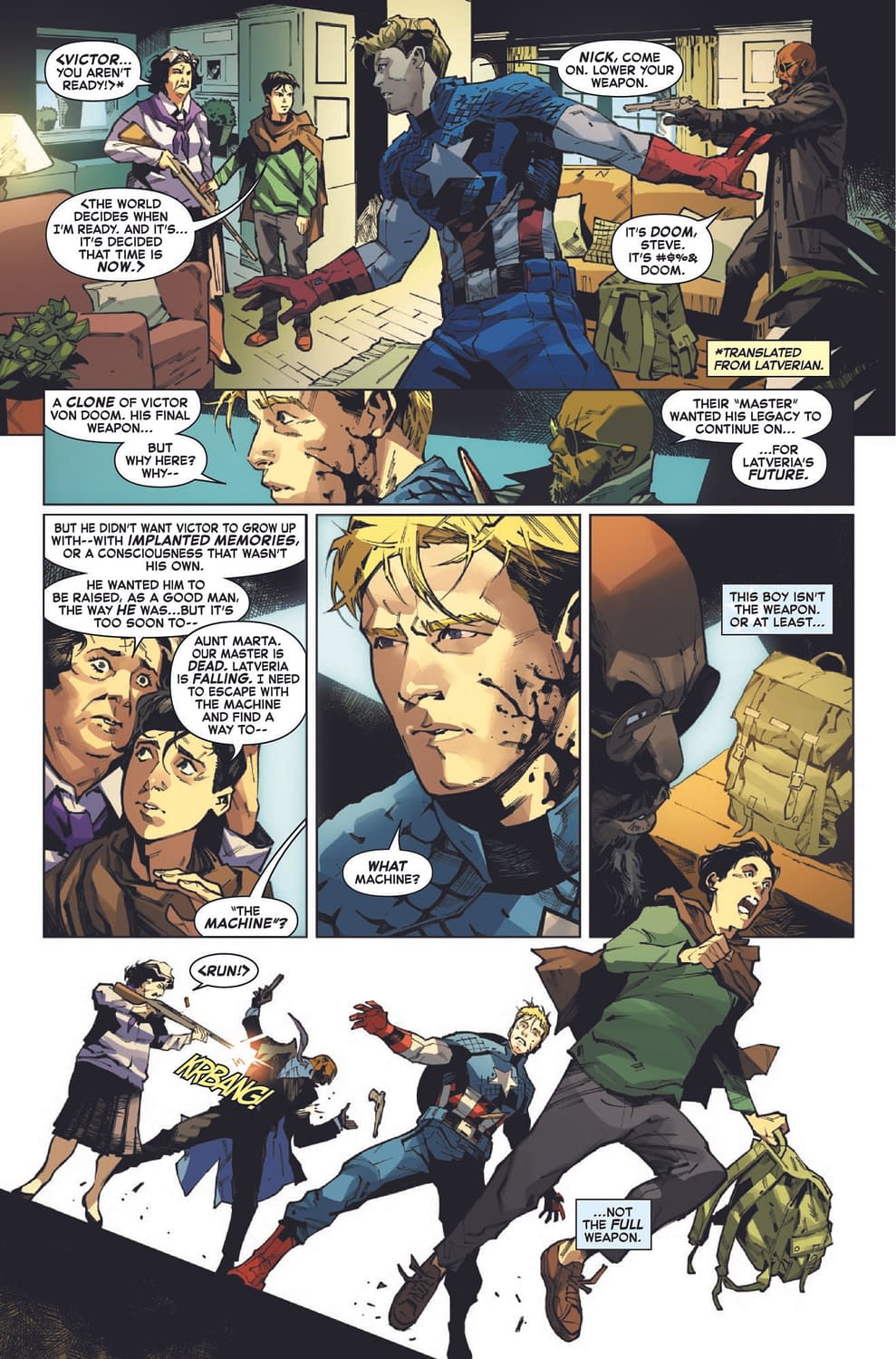
- The Doom Conundrum: In Captain America #9, readers learned that Victor Von Doom—the iron-fisted ruler of Latveria—had taken steps to ensure his legacy, including the creation of a "Teen Doom" clone.
- The Current Crisis: As Captain America #11 hits stands, Steve Rogers finds himself in an impossible position: tasked with protecting the young, vulnerable clone of Doctor Doom while simultaneously navigating a war zone where the U.S. military is raining gamma-powered devastation upon Latverian soil.
Supporting Data: The Strategic Landscape
The conflict is not occurring in a vacuum. Latveria has long been a pariah state with a history of repelling international intervention. The inclusion of figures like Luke Cage in past discussions regarding Latveria’s defensive posture highlights just how dangerous this nation is. However, the current situation differs significantly.
Historically, Latveria relied on Doombots and high-tech sorcery to maintain its borders. Today, it is being forced to defend against the raw, unbridled power of gamma-irradiated soldiers. The strategic data suggests that General Ross is banking on the "Hulk factor"—the sheer unpredictability and destructive capacity of these soldiers—to bypass standard Latverian defenses. By treating these soldiers as "bombs," the military is sacrificing tactical precision for total annihilation.
Official Responses and Perspectives
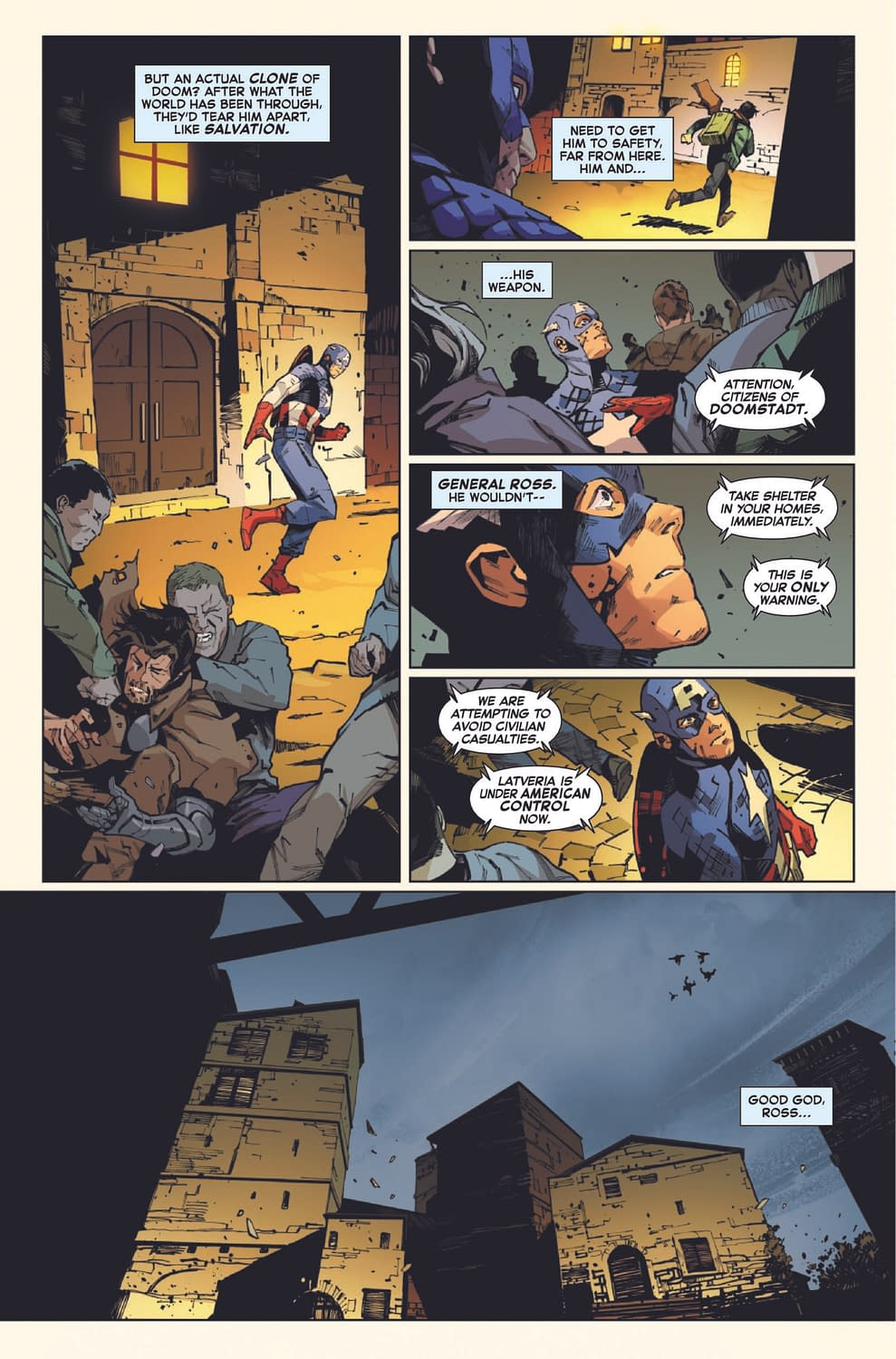
While the United States government has remained tight-lipped regarding the specific nature of the "Hulk program," the presence of Captain America on the ground provides a lens into the ethical dilemma. Steve Rogers, a man defined by his moral compass, is currently caught between his duty to protect life and his role as a soldier for a country currently engaging in what many would classify as war crimes.
Chip Zdarsky’s script for issue #11 suggests that Rogers is not merely a witness but a reluctant participant who has been forced to "put aside his mission to protect Victor Von Doom’s ultimate weapon" to contend with the immediate danger posed by Ross. The dialogue in upcoming previews hints at a profound rift between the traditional values of Captain America and the new, militant direction taken by the Pentagon under the influence of the Red Hulk.
Implications for the Marvel Universe
The "Road to Armageddon" is not just a title; it is a prophecy of the coming status quo. If General Ross succeeds in utilizing these Hulk-soldiers to topple or severely cripple Latveria, the power dynamic in the Marvel Universe will be shattered.
1. The Erosion of Diplomacy
If a superpower can deploy gamma-monsters to neutralize sovereign nations without formal declarations of war, the United Nations and other international peacekeeping bodies become obsolete. This marks a transition from a world of superheroes and villains to a world of state-sponsored super-militarism.
2. The Legacy of Doom
The presence of "Teen Doom" suggests that the ultimate goal is not just the destruction of Latveria, but the control or elimination of Doom’s intellect and resources. If this clone survives the bombardment, it could become the most powerful pawn in a game played by governments, villains, and heroes alike.
3. The Moral Collapse of the Avengers
The Avengers, and specifically Captain America, are being tested as never before. Can they exist in a world where the government they serve is effectively "Hulk-bombing" foreign nations? The internal conflict this creates within the hero community—between those who believe in order and those who believe in justice—will likely form the core of the conflict leading into the wider Armageddon event.

Expert Analysis: The "Don’t Make America Angry" Doctrine
Industry observers have noted that this storyline serves as a biting critique of modern geopolitical interventions. The phrase "Don’t make America angry, you wouldn’t like it when it’s angry" is a direct, albeit chilling, subversion of the Hulk’s classic catchphrase. By equating the Hulk’s uncontrollable rage with the unchecked military power of the United States, Marvel is inviting readers to reconsider the nature of the "superhero" as a weapon of the state.
The visual storytelling by Valerio Schiti emphasizes this chaos. His panels in the upcoming issue showcase the sheer scale of the destruction. The images of the Hulk-soldiers descending upon Latverian cities are rendered with a terrifying clarity, underscoring the irreversible damage being done to the environment and the civilian population.
Conclusion: A Can’t-Miss Turning Point
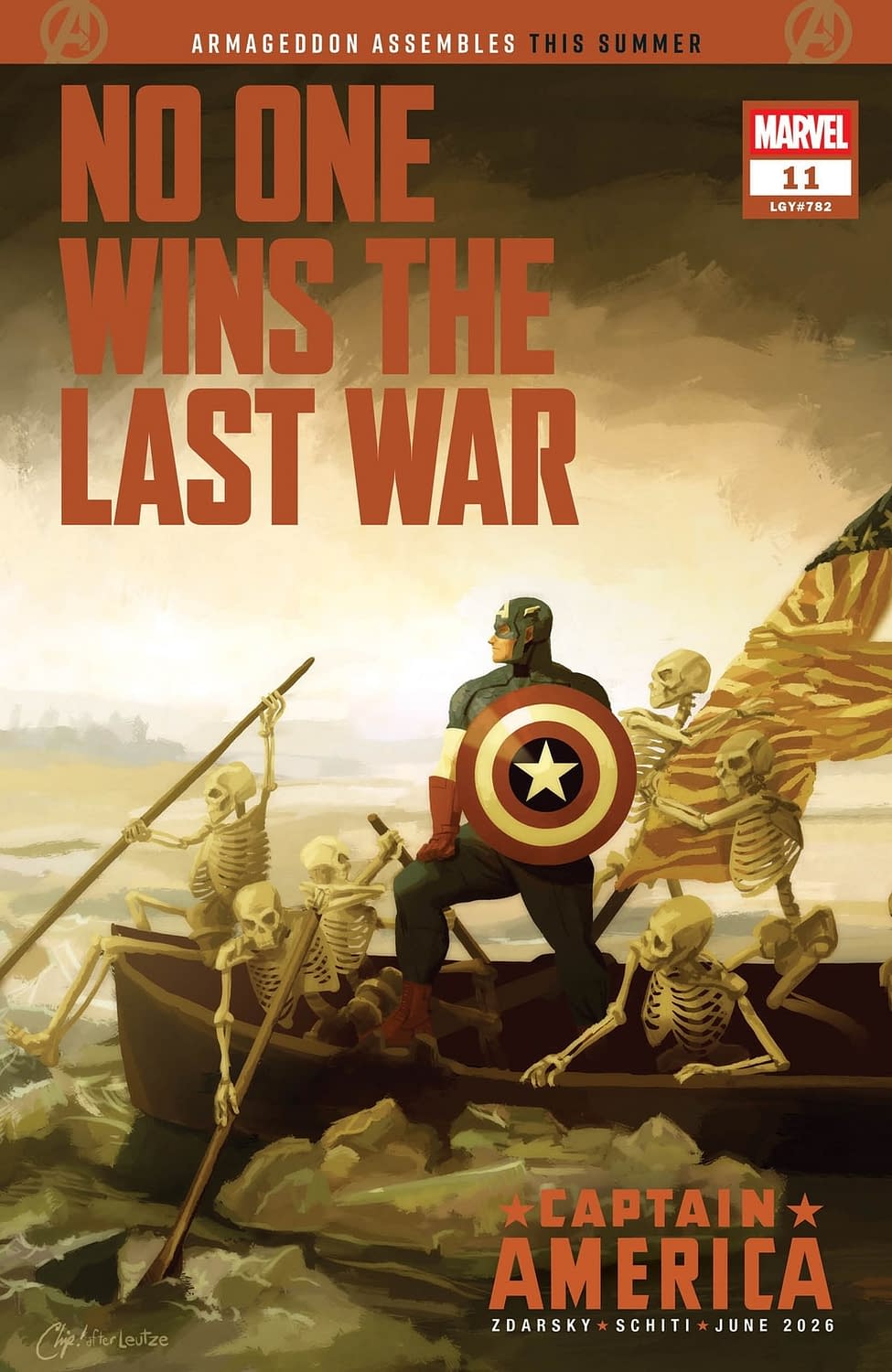
Captain America #11, arriving this coming Wednesday, is poised to be one of the most consequential issues of the year. It represents the point of no return for Steve Rogers, General Ross, and the international community.
As the synopsis for the issue states: "There are some wars not even Captain America can win." This isn’t merely marketing hyperbole; it is a statement of fact regarding the current state of the Marvel Universe. As the "Road to Armageddon" continues, the fire is spreading, and by the time this issue concludes, the world as we know it may be entirely incinerated.
For fans of long-form storytelling and political intrigue within the comic medium, this issue is essential reading. It balances the high-octane action of a Hulk-centric conflict with the grounded, gritty, and increasingly desperate reality of a world on the brink. Whether Steve Rogers can stop the bombardment, or whether this truly is the beginning of the end, remains to be seen—but one thing is certain: the Marvel Universe will never be the same.










No comments yet. Be the first to join the conversation!