Ammar Sabilarrohman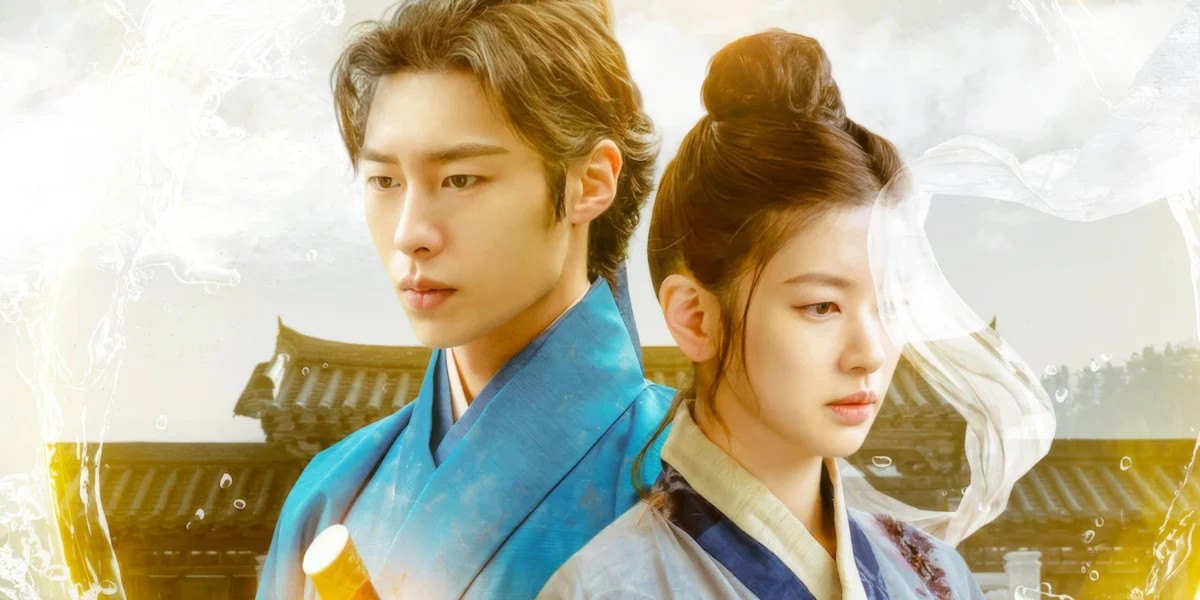
The landscape of K-drama has long been defined by its ability to blend the mundane with the miraculous. While global audiences have flocked to titans like Goblin and The King: Eternal Monarch, the sub-genre of "romantasy"—a fusion of romance, high-stakes magic, and fated connections—has become the beating heart of modern Korean television. These series do more than provide escapism; they construct elaborate, rule-bound universes where love serves as both the catalyst for conflict and the ultimate resolution.
For the uninitiated or the seasoned viewer seeking their next obsession, the following curation explores the gold standard of the genre. From gender-bending historical dramas to supernatural modern-day thrillers, these series are essential viewing for anyone captivated by the intersection of destiny and desire.
The Evolution of Romantasy: A Chronological Overview
The rise of the K-drama romantasy genre did not happen overnight. It is the result of years of refinement in storytelling, production value, and the integration of folklore into contemporary scripts.
- 2013–2014: The Catalyst: My Love from the Star premiered, setting a new benchmark for the genre. It proved that a high-concept premise (an alien on Earth) could ground a sophisticated, character-driven romance.
- 2016–2017: The Golden Era of Tropes: The Legend of the Blue Sea, Live Up to Your Name, and While You Were Sleeping solidified the "rules" of the genre. These shows introduced complex time-travel mechanics, dream prophecy systems, and mythological figures living among humans.
- 2019–2021: Production Expansion: Shows like Hotel del Luna and The King’s Affection showcased massive budgets, high-fashion costume design, and a shift toward darker, more melancholic thematic undertones.
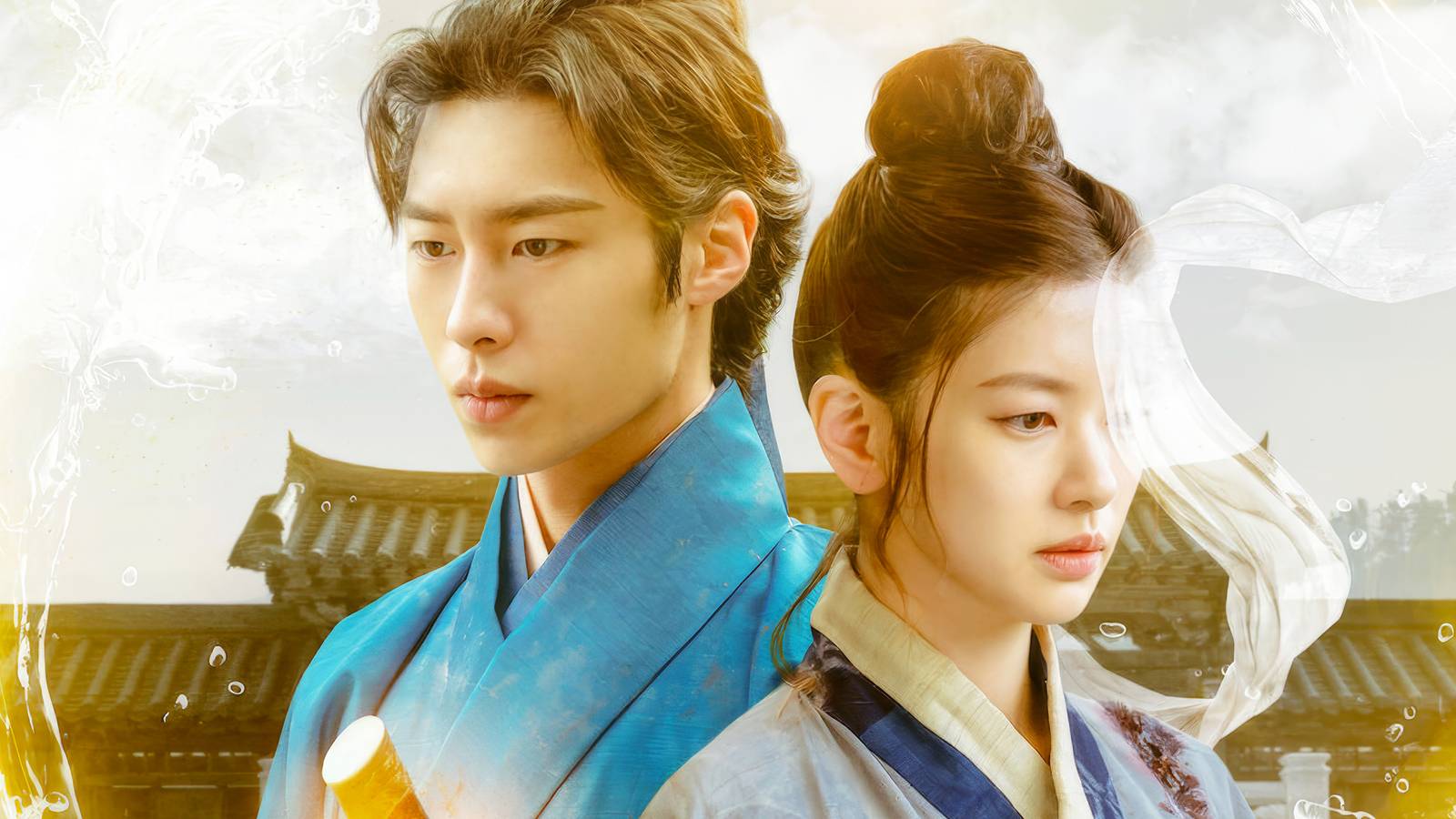
- 2022–2023: The Modern Epic: Alchemy of Souls marked the pinnacle of world-building, utilizing massive practical sets and intricate magic systems that rivaled high-fantasy novels.
The Heavy Hitters: Must-Watch Romantasy Masterpieces
1. My Love from the Star (2013–2014)
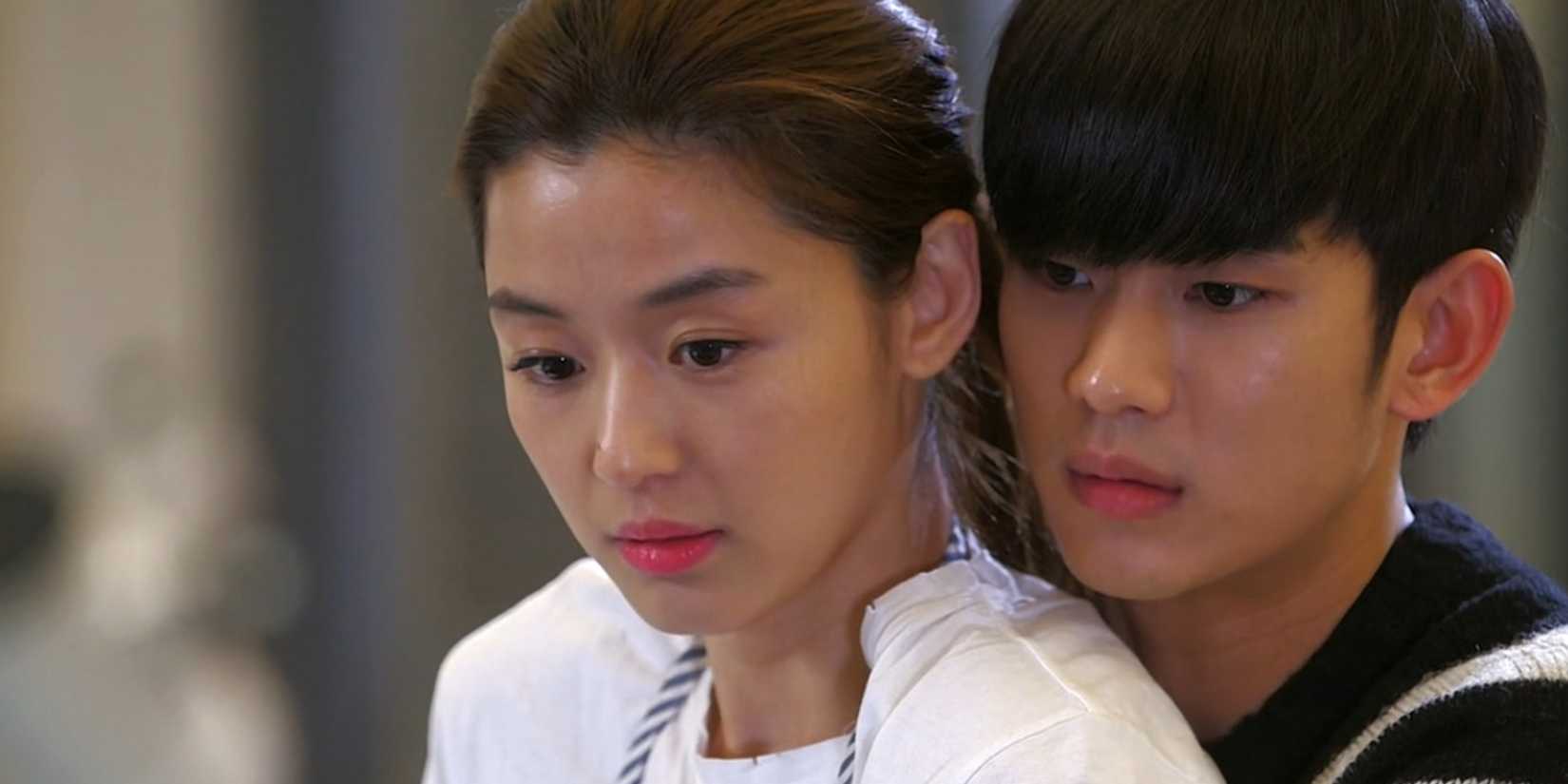
Often cited as the series that sparked the modern K-drama wave, My Love from the Star follows Do Min-joon (Kim Soo-hyun), an extraterrestrial who arrived on Earth during the Joseon Dynasty. After four centuries of waiting to return to his home planet, he encounters Cheon Song-yi (Jun Ji-hyun), a volatile, famous actress. The show remains a masterclass in tone, balancing laugh-out-loud comedy with high-stakes suspense. Its success in integrating real historical accounts of UFO sightings in the Joseon era provided a grounded, albeit fantastical, texture that helped bridge the gap between historical drama and science fiction.

2. The Legend of the Blue Sea (2016–2017)
Featuring the iconic pairing of Jun Ji-hyun and Lee Min-ho, this series reimagines the mermaid myth in a dual-timeline structure. By oscillating between the Joseon era and modern-day Seoul, the show creates an emotional resonance that spans centuries. The series is particularly noted for its breathtaking underwater cinematography and its ability to turn a whimsical premise into a gripping narrative about reincarnation and karmic debt.
3. While You Were Sleeping (2017)
For those who prefer a more grounded, mystery-adjacent fantasy, While You Were Sleeping is a pinnacle of narrative efficiency. The story follows three individuals who share the ability to see the future in their dreams. Unlike many series that suffer from a "mid-season slump," this show maintains its narrative pace by adhering to a consistent set of "dream logic" rules. It is an essential watch for those who appreciate tightly plotted scripts where every decision has a causal ripple effect.
4. Live Up to Your Name (2017)
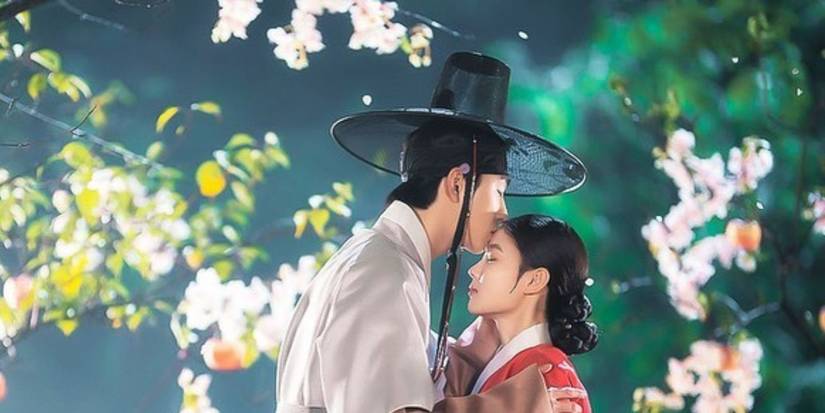
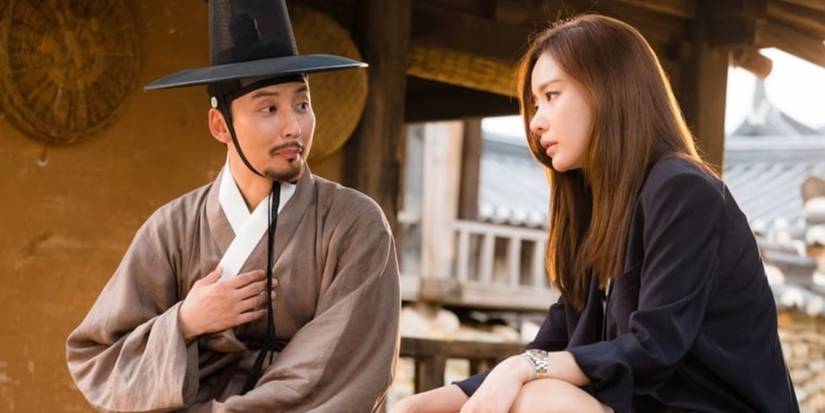
This series is a hidden gem for its unique take on the time-travel sub-genre. Most dramas feature a modern character traveling to the past; Live Up to Your Name reverses this, sending a 17th-century acupuncturist to modern-day Seoul. The collision between traditional Korean medicine and contemporary surgical science provides a fascinating cultural commentary, all wrapped in a slow-burn romance that feels earned and profound.
5. Hotel del Luna (2019)
Written by the legendary Hong Sisters, Hotel del Luna is a visual feast. The story centers on a mystical hotel that serves as a sanctuary for ghosts preparing for the afterlife. IU’s portrayal of the icy, fashion-forward Jang Man-wol is arguably one of the most memorable character arcs in the genre. With over 100 costume changes, the series serves as a aesthetic triumph, but it is the emotional weight of the episodic ghost stories that keeps audiences returning.
-1.jpg?q=70&fit=crop&w=825&dpr=1)
6. The King’s Affection (2021)
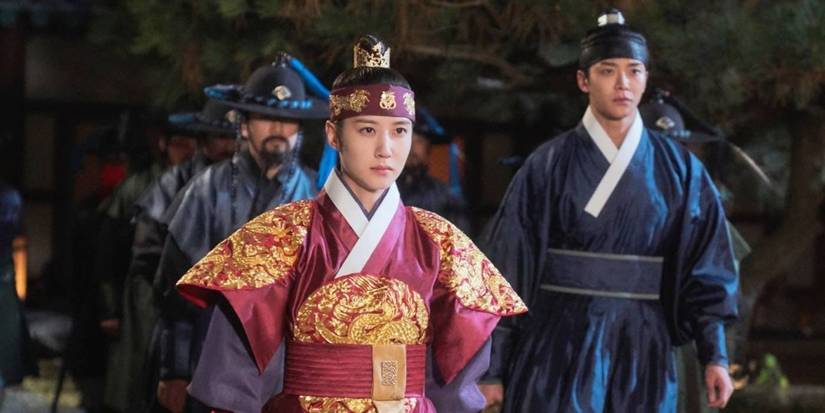
While it leans closer to historical drama (sageuk), the core premise—a secret princess assuming the role of her twin brother—operates on a level of "what if" mythology that resonates with fantasy fans. Park Eun-bin’s performance is a masterclass in tension, as she navigates the perilous waters of the royal court while harboring a secret that could end her life. It is a deeply emotional, often heartbreaking exploration of duty versus identity.
7. Lovers of the Red Sky (2021)
Inspired by the life of the only recorded female painter in the Royal Academy, this series is a triumph of art direction. Every frame is designed to evoke traditional Korean ink paintings. The story of a blind painter and an astrologer possessed by a demon is both visually stunning and narratively rich, focusing on the intersection of ancient mythology and human resilience.
8. Alchemy of Souls (2022–2023)
The gold standard for world-building, Alchemy of Souls introduces a forbidden magic system where souls can be transferred between bodies. With a budget exceeding 5 billion Korean won for practical sets, the kingdom of Daeho feels tangible and dangerous. The series is a definitive romantasy epic, balancing complex magical duels with a central romance that serves as the moral compass for the entire realm.
Supporting Data and Production Implications
The sustained popularity of these series is not accidental. It is supported by a sophisticated industrial infrastructure:
- Investment in Craft: Studios have moved toward "practical fantasy." The massive sets constructed for Alchemy of Souls demonstrate a shift away from over-reliance on CGI, favoring immersive environments that actors can inhabit, which in turn elevates the quality of performances.
- Global Export: According to industry reports, the romantasy genre has seen a 40% increase in international viewership over the last five years. This is largely attributed to the universal appeal of "destiny-bound" narratives, which resonate across cultures.
- The "Hong Sisters" Factor: Screenwriters like the Hong Sisters have become brands in themselves. Their involvement in a project often guarantees a high standard of writing, complex lore, and a specific brand of witty, sharp-tongued banter that has become a staple of the K-drama experience.
Official Responses and Cultural Impact
Critics and industry analysts have noted that the success of these shows has fundamentally changed how Korean production houses approach international distribution. Platforms like Netflix and Disney+ have shifted their acquisition strategies to prioritize high-concept fantasy, recognizing that these stories possess a "crossover appeal" that traditional domestic melodramas sometimes lack.
Furthermore, these shows have sparked a resurgence in interest in Korean folklore and traditional history. By weaving elements like the "alchemy of souls" or historical acupuncture into fantasy frameworks, these series educate a global audience on the nuances of Korean tradition, albeit through a lens of magical realism.
Implications for the Future of the Genre
As we look toward the future, the romantasy genre is likely to become more ambitious. The success of Alchemy of Souls has proven that audiences are willing to commit to long-form, multi-season epics with complex magic systems.
The primary implication for the industry is the shift toward "universe building." Rather than standalone stories, we are seeing the emergence of interconnected narratives where folklore is treated as a shared cinematic universe. For the viewer, this means that the "golden age" of K-drama romantasy is not in the past—it is merely evolving into something more expansive, more expensive, and more profoundly magical.

Whether you are looking for the tragic beauty of Hotel del Luna or the high-stakes political intrigue of The King’s Affection, the current K-drama landscape offers a sanctuary for the romantic at heart and the fantasy-seeker. These series remind us that while our own world may lack magic, the stories we tell can bridge that gap, offering us a glimpse into worlds where, against all odds, love finds a way to endure.


 Neng Nana
 Basiran