

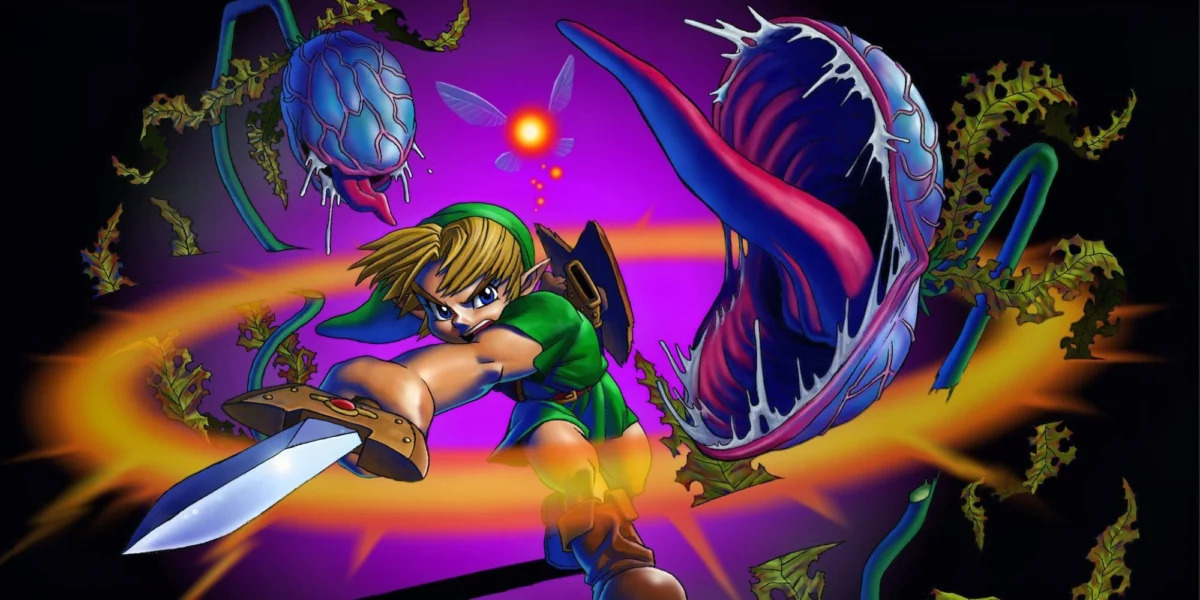
The gaming industry is currently caught in a cycle of nostalgia, with publishers increasingly turning to their back catalogs to provide "modernized" experiences for new audiences. Among the most anticipated, and most debated, potential projects is a full-scale remake of The Legend of Zelda: Ocarina of Time. While rumors have swirled for years regarding a potential overhaul of this N64 masterpiece, recent events—specifically the underwhelming reveal of the Star Fox remake—have cast a shadow of skepticism over what Nintendo might have in store for Hyrule.
For veteran players, Ocarina of Time is more than just a game; it is a foundational pillar of 3D action-adventure design. For those who have yet to experience it, the promise of a remake suggests a bridge between the clunky, pioneering controls of 1998 and the sleek, fluid experiences of modern titles like Tears of the Kingdom. However, as we look at Nintendo’s recent development patterns, the question remains: are we headed for a true reimagining, or are we simply looking at another coat of paint on a thirty-year-old engine?
The Core Facts: A Legacy Reimagined
The Legend of Zelda: Ocarina of Time, originally released in 1998 for the Nintendo 64, remains one of the highest-rated video games of all time. It introduced mechanics that are now industry standard, including Z-targeting (lock-on combat) and context-sensitive buttons.
Recent industry rumors suggest that Nintendo is internally prototyping a remake of the title for its next-generation hardware. The goal, according to these whispers, is to bring the classic into the modern era with high-fidelity visuals and potential quality-of-life improvements. However, "remake" is a broad term in the gaming industry. It can range from a "remaster" (a simple resolution and frame-rate boost) to a "reimagining" (a complete overhaul of the game’s assets, mechanics, and potentially its world design).
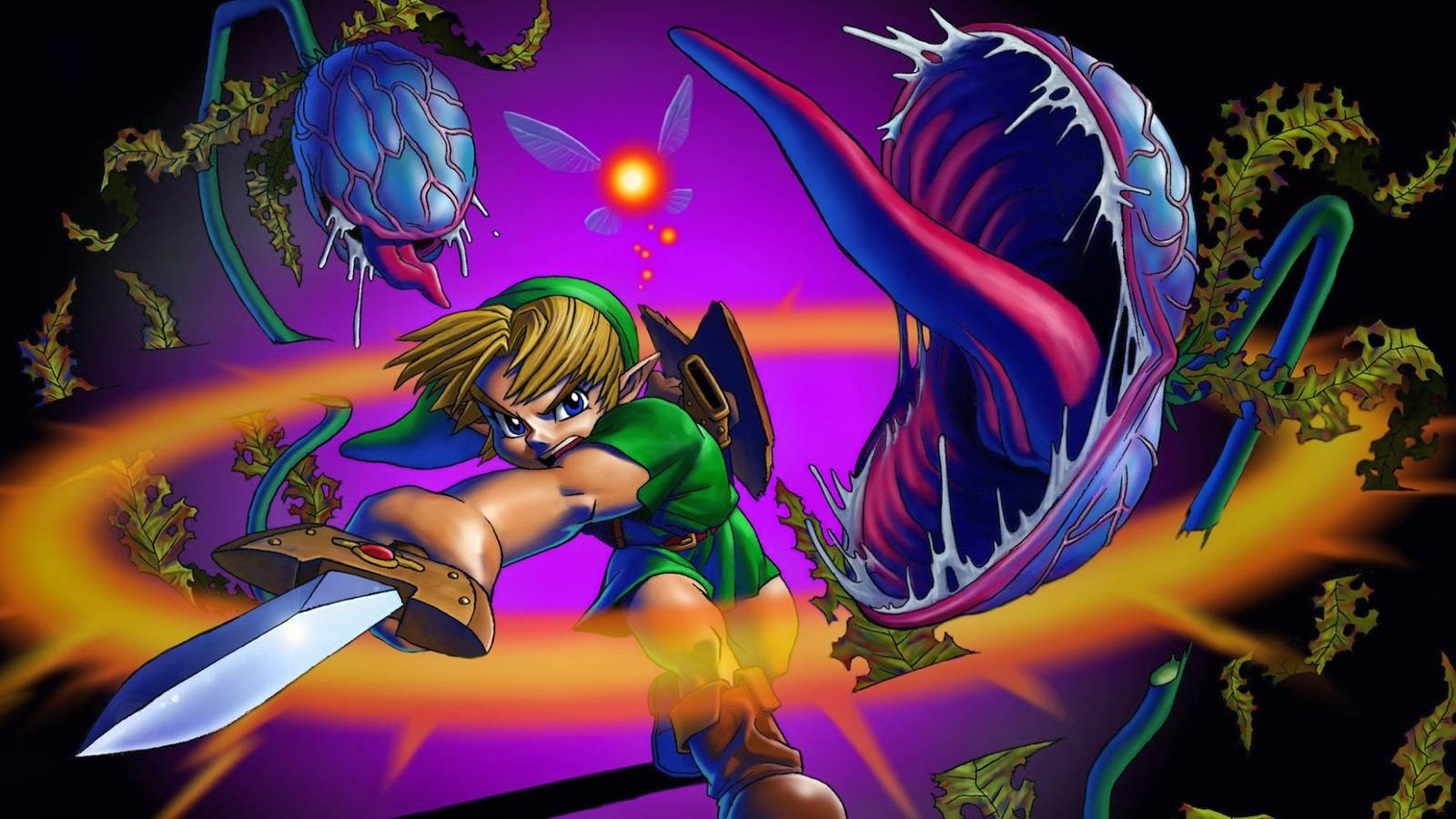
The apprehension surrounding this potential project stems from a desire for substance over style. Fans are not merely asking for 4K textures; they are looking for a refinement of the game’s pacing, its inventory management, and perhaps a expansion of its world to match the scale of contemporary open-world titles.
Chronology of a Masterpiece
To understand the stakes of a potential remake, one must look at the history of Ocarina of Time’s iterative releases:
- 1998: The original N64 release sets the gold standard for 3D adventure.
- 2003: The Master Quest version is released on the GameCube, offering harder dungeon layouts.
- 2011: The Legend of Zelda: Ocarina of Time 3D arrives on the Nintendo 3DS. This version is widely considered the "definitive" way to play, featuring significantly improved visuals, touch-screen inventory management, and the removal of the frustrating "Iron Boots" pause-menu swapping.
- 2020s: With the advent of the Switch and beyond, the game has been available via Nintendo Switch Online, albeit in its original, dated N64 form.
Each iteration has added something, but the 3DS version remains the most distinct departure from the original. The concern among the fanbase is that Nintendo has already "perfected" the game for its time, and any further attempt to monetize it may result in a "lazy" port that fails to justify a full-price tag.
The "Star Fox" Precedent: A Cautionary Tale
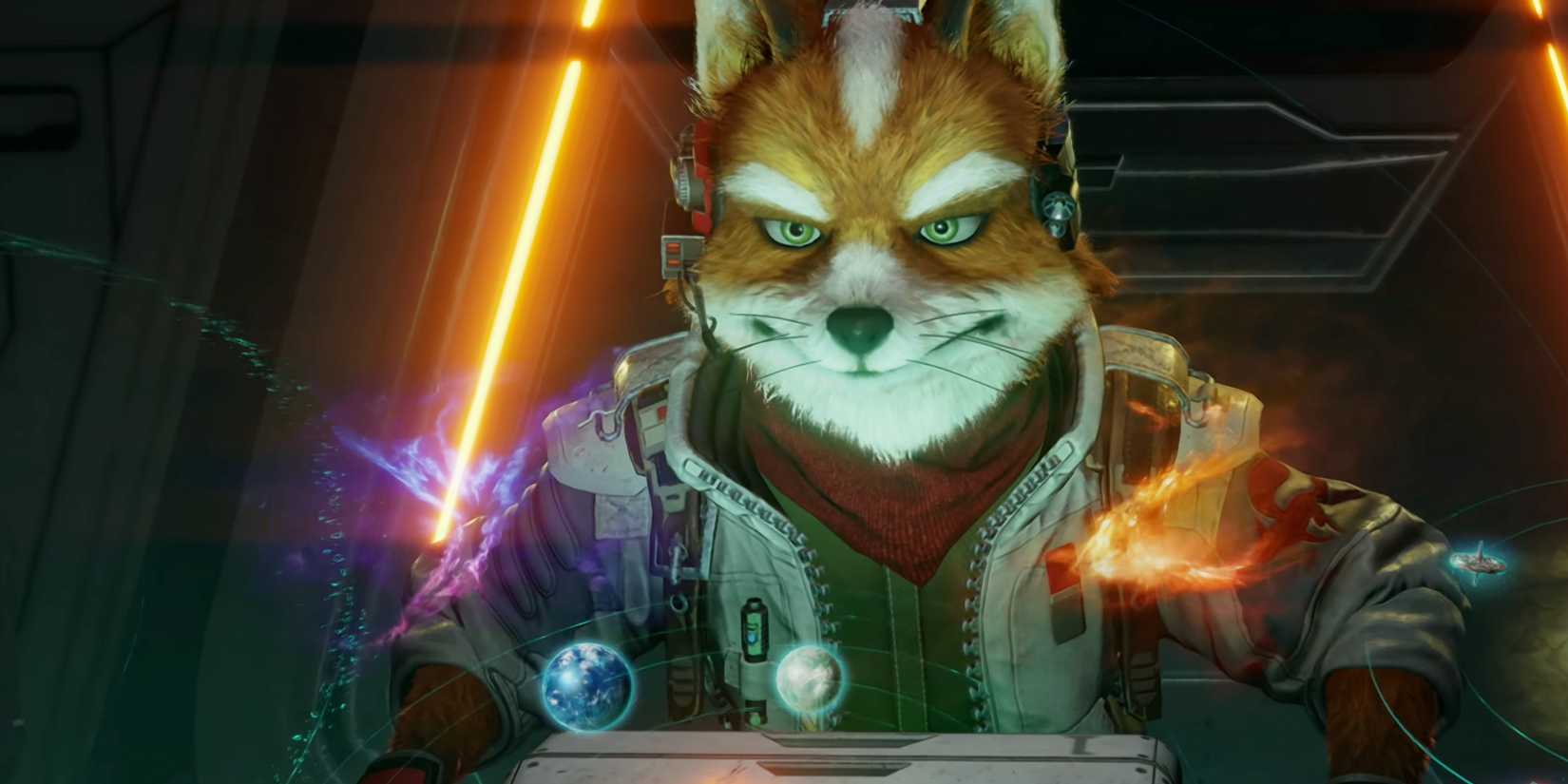
The primary catalyst for current skepticism is the surprise announcement during the May 6, 2026, Nintendo Direct regarding the new Star Fox project. Expectations were high, with fans hoping for a modern, expansive interpretation of the Lylat System. Instead, what was unveiled was a visual update that stayed rigidly faithful to the N64 original’s level design, mechanics, and campaign structure.

While the cinematics were undeniably stunning, the gameplay—the core of the experience—felt like a relic from 1997. This "graphical update" approach has left many wondering if Nintendo’s internal strategy for its N64 library has shifted toward low-risk, high-reward visual facelifts. If Star Fox is the blueprint for future remakes, an Ocarina of Time remake might focus on updating the character models and environments while leaving the 1998 level design and mechanical limitations untouched.
For a game as culturally significant as Ocarina of Time, a simple visual polish feels like a missed opportunity. Modern audiences expect a certain degree of fluidity that the N64 engine, even with high-resolution textures, cannot inherently provide.
Supporting Data: The Cost-Benefit Analysis
The economics of modern game development are unforgiving. With current AAA titles often priced at $69.99, the "value" of a remake is under constant scrutiny.
- Development Costs vs. Revenue: A full, ground-up remake (similar to the Final Fantasy VII Remake or Resident Evil 4) requires massive investment in animation, voice acting, and game design. A simple remaster, by contrast, is far cheaper to produce but faces backlash from consumers who feel they are being overcharged for a game they can play on an emulator or older hardware.
- Consumer Sentiment: Industry data shows that while players are willing to pay a premium for "remakes," they are increasingly vocal about "remaster fatigue." When a game like Star Fox retails for $59.99 despite offering little mechanical innovation, it damages consumer trust.
- Market Saturation: Nintendo has a vast library. If they choose to revisit Ocarina of Time, the game must stand out not just as a piece of history, but as a modern, playable product that competes with contemporary indie and AAA titles.
Official Responses and Corporate Strategy
Nintendo has historically been protective of its intellectual property, often prioritizing "fun" and "accessibility" over graphical fidelity. In past investor briefings, Nintendo executives have emphasized that they look for "unique ways to bring classic experiences to new hardware."
While there has been no official statement confirming an Ocarina of Time remake, the company’s recent moves suggest a focus on maintaining brand legacy. However, Nintendo’s silence on the matter is telling. They are likely gauging the reception of their other recent remasters and remakes before committing to a project as high-profile as Zelda. If the market rejects "minimal effort" remakes, we may see a pivot toward more ambitious development cycles. If the market continues to purchase these titles regardless of the scope of the updates, the trend of high-price, low-innovation remakes will likely continue.
Implications for the Future of Zelda
If Nintendo proceeds with an Ocarina of Time remake, the implications are profound.
If it is a simple remaster: The game will be dismissed as a "cash grab." It will likely sell well due to the Zelda name, but it will alienate the core fanbase and do little to introduce the game to a new generation who may find the gameplay dated compared to Breath of the Wild.
If it is a true reimagining: It could set a new standard for the franchise. A version of Ocarina of Time that incorporates modern physics, expanded exploration, and a more robust combat system could exist alongside the modern "open-air" titles, serving as a bridge between the classic "dungeon-crawling" formula and the modern "exploration" focus.

The "Zelda" Brand: Nintendo’s greatest asset is the prestige of its franchises. Mismanaging a remake of Ocarina of Time—a game considered by many to be the greatest of all time—would be a significant PR failure. They are walking a tightrope: they must satisfy the nostalgia of long-time fans while making the game feel relevant to players who have only ever known the open-world freedom of the Switch era.
Conclusion: The Need for Vision
The potential for an Ocarina of Time remake is both exhilarating and terrifying. It is a chance to revitalize a masterpiece, but it is also a potential trap of complacency. The recent Star Fox reveal serves as a warning that we should not assume a "remake" means a "reinvention."
As we wait for further news, the message from the gaming community is clear: if you are going to bring back a legend, do it with the same level of innovation and care that defined the original. Anything less is a disservice to the history of Hyrule. We don’t just want to see the game look better; we want to see it feel as grand and revolutionary today as it did when we first stepped onto the fields of Hyrule in 1998. The industry has the tools and the technology; now, it just needs the ambition.











No comments yet. Be the first to join the conversation!