Ammar Sabilarrohman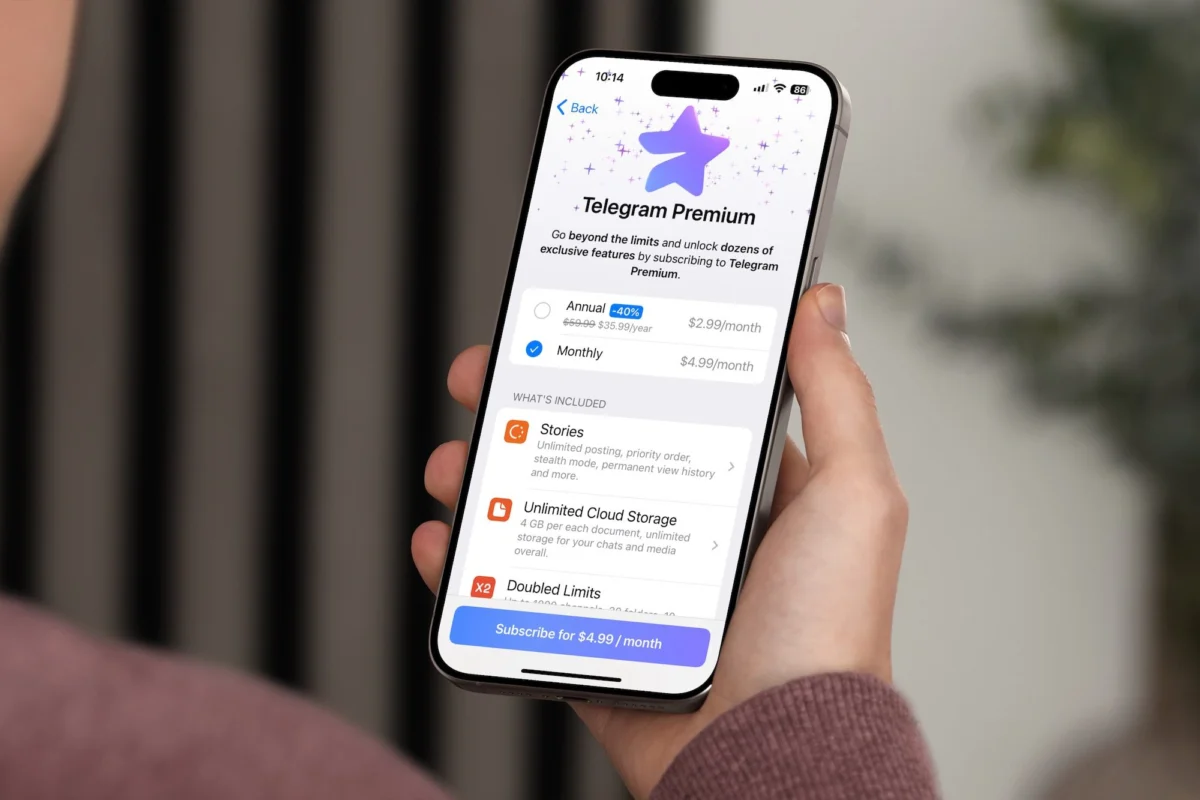
For more than a decade, WhatsApp has stood as the gold standard of global communication, maintaining a fierce reputation for being a "no-nonsense," free, and accessible utility. With over two billion monthly active users, the platform has successfully navigated the complexities of the digital age by keeping its core service simple and, crucially, free of charge. However, a seismic shift in Meta’s monetization strategy has arrived in the form of "WhatsApp Plus"—a new, paid subscription tier currently rolling out to a limited number of iPhone users.
This development signals a significant pivot for the Meta-owned messaging giant, as it begins to place aesthetic and minor functional upgrades behind a paywall. While the core experience—end-to-end encrypted messaging, voice calls, and video conferencing—remains free, the introduction of a premium tier raises difficult questions about the future of one of the world’s most ubiquitous apps.
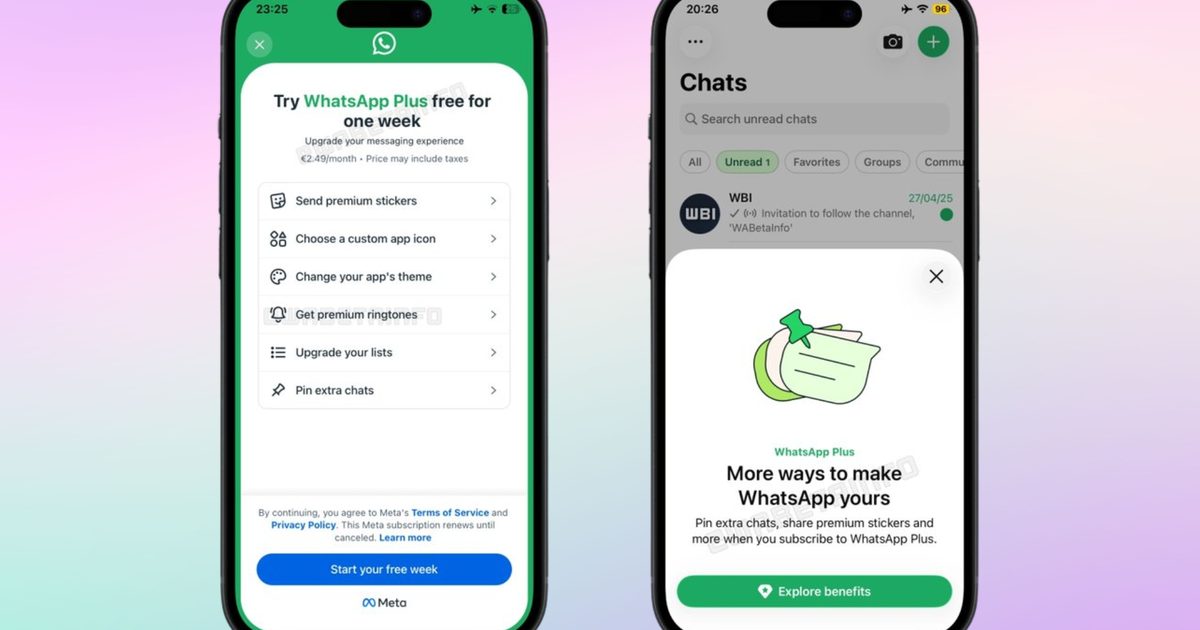
The Anatomy of WhatsApp Plus: What Does Your Subscription Buy?
At first glance, the benefits offered under the WhatsApp Plus umbrella are largely cosmetic. For users willing to pay, the subscription offers a suite of personalization tools that aim to transform the familiar "WhatsApp Green" interface into a more bespoke experience.
The current feature set includes:
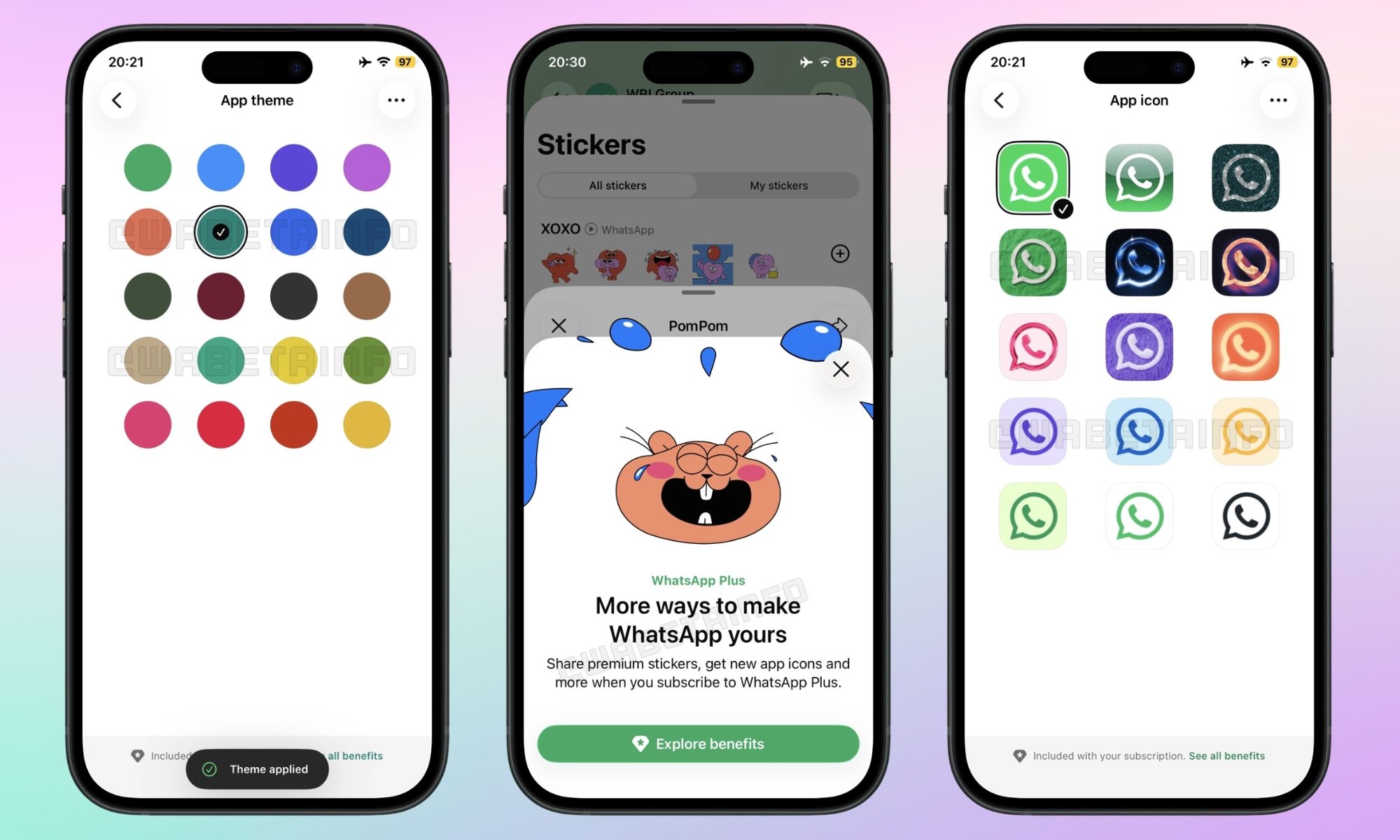
- Visual Customization: Subscribers can choose from 18 distinct accent colors to override the default green theme.
- App Personalization: Access to 14 alternative home-screen icons for the iOS interface.
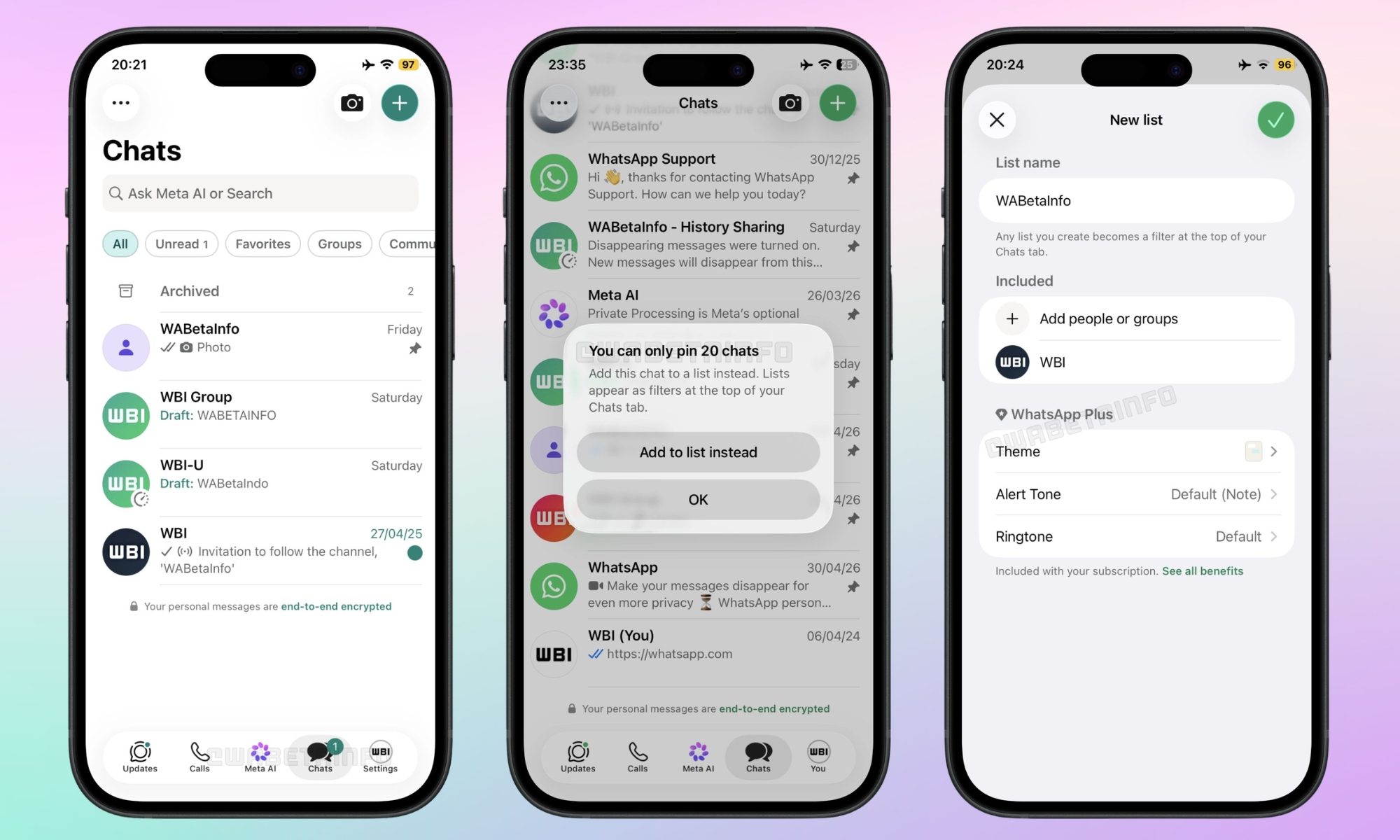
- Enhanced Messaging: Users can now pin up to 20 chats, a significant increase from the standard limit of three.
- Audio and Visual Flair: Inclusion of premium animated sticker packs and 10 exclusive ringtones.
- System-Wide Consistency: The ability to apply unified themes and alert tones across entire chat lists.
It is worth noting that for the average user, the only functional utility in this entire list is the expanded chat-pinning limit. The rest of the offering is effectively a “digital wardrobe” for an app that many users rely on for essential daily communication.
A Chronology of Change: From Utility to Subscription
To understand the weight of this change, one must look at the timeline of WhatsApp’s evolution.
2009–2014: The Pure Utility Era. WhatsApp was founded on the premise of being a reliable alternative to SMS. Its early years were characterized by a focus on speed, low data usage, and a lack of advertisements.
2014–2020: The Meta Acquisition and Integration. Following its acquisition by Facebook (now Meta), the platform shifted its focus toward scaling. It introduced end-to-end encryption in 2016, a move that solidified user trust despite the integration of Meta’s data-tracking policies.
2020–2025: The Business Pivot. WhatsApp Business was introduced as a way to generate revenue, allowing companies to communicate with customers. This was the first major step toward monetizing the platform without alienating the base.
2026: The WhatsApp Plus Launch. The rollout of the Plus tier marks the first time individual, personal users are being asked to pay for specific features within the app. The pilot program, currently limited to select iPhone users via the App Store, suggests a cautious, phased global rollout.
Supporting Data and Market Comparison
The pricing strategy for WhatsApp Plus currently sits at approximately €2.49 per month for European markets, with industry analysts predicting a US pricing point between $2.49 and $2.99. While this may seem nominal to some, the value proposition is being heavily scrutinized by industry experts who point to the "freemium" models of rival services.
The Competitive Landscape
When comparing WhatsApp Plus to its primary competitors, the disparity in value is striking:
- Telegram Premium: At $4.99 per month, Telegram offers functional upgrades that significantly alter the user experience. These include 4GB file uploads, voice message transcriptions, real-time chat translation, and accelerated download speeds. These are tools that improve productivity and accessibility, rather than just changing the color of an icon.
- Signal: While Signal recently introduced a donation-based subscription model to support its non-profit infrastructure, it continues to offer extensive customization—such as bespoke chat wallpapers—at absolutely no cost to the user.
- iMessage: Apple’s native solution remains a free service that includes sophisticated customization options, including per-contact photo backgrounds and rich media integration, all without a subscription fee.
The critique here is not necessarily the existence of a paid tier, but the nature of the features behind the paywall. Critics argue that charging for themes—a feature that has been standard in third-party messaging apps for years—feels like a cynical attempt to extract revenue from a captive audience.
The Silence of the Stakeholders: Official Responses
As of this writing, Meta has been remarkably quiet regarding the long-term roadmap for WhatsApp Plus. The company has not issued a formal press release detailing the reasoning behind the specific feature set, nor have they commented on why WhatsApp Business users—who would likely derive the most utility from these tools—are currently excluded from the subscription.
The absence of an official statement regarding the "Business" segment is particularly telling. Many industry observers speculate that if this model succeeds, a separate, more expensive "Business Pro" tier could be on the horizon. For now, the roll-out appears to be a "soft launch" designed to gauge user reaction and sentiment before a wider release.
The Broader Implications: What Does This Mean for the Future?
The launch of WhatsApp Plus has several profound implications for the digital landscape.
1. The Death of the "Pure" Utility
WhatsApp was the last major holdout of the "simple messenger" era. By adding a subscription tier, Meta is signaling the end of the platform’s identity as a strictly utilitarian tool. The "Plus" branding implies that there is a "Standard" and a "Superior" way to use the app, which inherently shifts the power dynamic between users.
2. Market Segmentation
By targeting iPhone users first, Meta is clearly capitalizing on a demographic that is statistically more inclined toward subscription-based services. This segmentation allows the company to test price elasticity in a controlled environment. If the model proves successful on iOS, an Android rollout is all but guaranteed.
3. The "Feature Creep" Dilemma
There is a legitimate concern that by focusing on monetization, the core development of WhatsApp could shift. If the most popular feature requests are relegated to the "Plus" tier, the base version of the app could stagnate. Conversely, if developers focus only on "paid" features, the core experience could suffer from "feature creep," becoming bloated and slower.
4. Competitive Pressure
Will the competition respond? If WhatsApp can successfully charge for visual customization, other platforms like Signal or even niche messaging apps may feel emboldened to follow suit. This could lead to a digital environment where the fundamental act of messaging becomes increasingly fragmented by paywalls.

Conclusion: A Question of Value
For the power user who wants a purple icon or an animated sticker, WhatsApp Plus is a harmless, albeit overpriced, add-on. For the average user, however, it serves as a harbinger of a new era.
The success of this subscription model will ultimately depend on whether Meta can justify the cost. Currently, the "value" is almost entirely aesthetic. In a market where competitors like Telegram are offering substantial, utility-driven upgrades for a similar price, WhatsApp has its work cut out for it.
As the rollout continues, the focus will remain on whether this is merely a minor experiment or the first step in a larger plan to extract revenue from every interaction on the platform. Until Meta decides to offer features that fundamentally enhance the utility of the app—such as cloud storage expansion, advanced privacy tools, or productivity integrations—WhatsApp Plus will likely be viewed by many as an unnecessary tax on a service that once thrived on its simplicity.
The digital world is watching closely. For now, the green bubble remains, but it may soon be wearing a coat of many colors—provided the user is willing to pay the price.

 Lina Irawan
 Asep Darmawan