Evan Lee Salim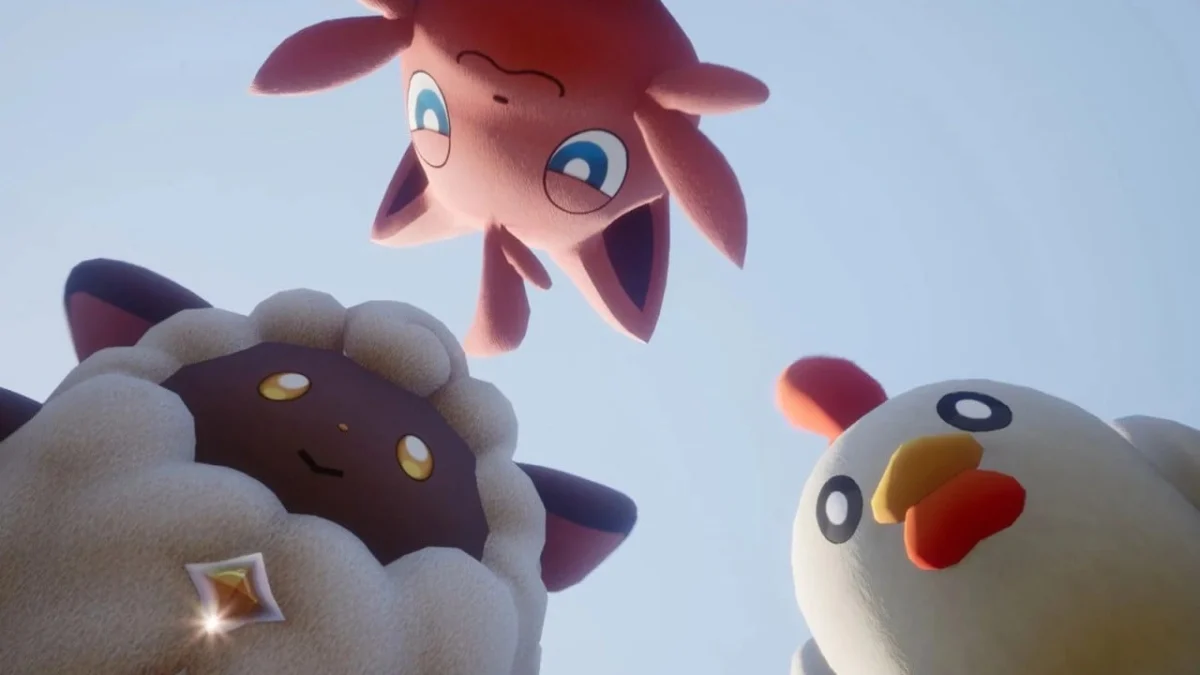
Tokyo, Japan & Washington D.C., USA – [Current Date] – In a move that signals a significant step in its evolving digital landscape, Pocketpair, the innovative Japanese developer behind the sensationally popular and equally controversial title Palworld, has officially filed new trademarks for "Palworld Online." This development arrives amidst a backdrop of intensified legal maneuvering, particularly concerning intellectual property disputes with gaming behemoth Nintendo. The filings, lodged in South Korea on April 24th, 2026, and in the United States on April 27th, 2026, suggest a formalization of the game’s robust multiplayer capabilities, potentially marking a pivotal moment as Palworld prepares for its full 1.0 launch later this year.
While Palworld already boasts integrated online play, facilitating up to four players in co-operative sessions and supporting dedicated servers for up to 32 participants, the "Palworld Online" trademark implies a more official designation for these features. Industry observers speculate that this branding will likely be applied to the game’s comprehensive multiplayer suite upon its transition from early access. The implications of this move are multifaceted, extending beyond mere nomenclature to the broader strategic positioning of Palworld in a competitive global market.
The Genesis of "Palworld Online": A Strategic Maneuver
The recent trademark filings for "Palworld Online" by Pocketpair are not occurring in a vacuum. They are intrinsically linked to the burgeoning success of Palworld and the legal challenges it has encountered. The game, which exploded onto the scene with unprecedented player numbers, rapidly garnered both widespread acclaim and significant scrutiny, particularly from Nintendo, a company historically protective of its intellectual property.
The existence of online multiplayer in Palworld is undeniable. Players can team up to explore its vast world, battle formidable foes, and construct elaborate bases together. Furthermore, the option for dedicated servers allows for more persistent and expansive shared experiences. The decision to trademark "Palworld Online" suggests Pocketpair is looking to solidify its brand identity around these multiplayer aspects. This could serve several strategic purposes:

- Brand Recognition and Marketing: A distinct name for the online component can aid in marketing efforts, clearly communicating the game’s multiplayer offerings to potential players. It provides a cohesive identity for the communal aspects of the game.
- Legal Protection: Formalizing the name of the online service offers enhanced legal protection against infringement and unauthorized use by third parties.
- Future Development: The trademark might also preemptively cover potential expansions or dedicated online services that Pocketpair may have planned for the future, beyond the initial 1.0 release. This could include ranked play, guild systems, or other community-focused features.
- Differentiation: In a crowded gaming market, a clearly defined online presence can help Palworld stand out and attract players specifically looking for engaging multiplayer experiences.
The timing of these filings, as Palworld approaches its full release, is particularly noteworthy. It suggests a deliberate strategy to ensure all facets of the game are legally and commercially protected as it transitions from its early access phase into a more mature product.
A Chronology of Conflict: Nintendo’s Patent Pursuits
The legal landscape surrounding Palworld has been dominated by Nintendo’s ongoing efforts to secure patents that many interpret as attempts to preempt or undermine Pocketpair’s game mechanics. This narrative has been unfolding over several months, characterized by a series of patent applications and, crucially, rejections.
- Early 2026: Rumors and initial reports begin to surface regarding Nintendo’s aggressive pursuit of patents related to game mechanics that bear a striking resemblance to elements found in Palworld. These include concepts surrounding the capture and utilization of creatures for combat and utility.
- March 2026: Pocketpair’s Palworld achieves unprecedented commercial success, topping sales charts globally and attracting millions of concurrent players. This surge in popularity intensifies the spotlight on its development and the legal challenges it faces.
- April 2026 (Mid-Month): Nintendo files several patent applications in various jurisdictions, aiming to protect specific gameplay paradigms. One such application, reportedly concerning the ability to "summon characters and let them fight," garners significant attention.
- Late April 2026: Pocketpair files the "Palworld Online" trademarks in South Korea and the United States, a move that, while seemingly unrelated to direct patent disputes, occurs within this heightened period of legal activity.
- April 29th, 2026: The US Patent Office delivers a significant blow to Nintendo’s patent aspirations by rejecting its "summon character and let it fight" patent. Director John Squires is noted for ordering a re-examination of the patent, which ultimately led to its dismissal. This rejection is seen by many as a critical turning point, suggesting that Nintendo may not have the monopolistic grip on certain game mechanics it had anticipated.
This timeline highlights a dynamic interplay between Pocketpair’s product development and Nintendo’s legal strategies. While Pocketpair focuses on delivering its game and expanding its online presence, Nintendo has been actively seeking to fortify its intellectual property. The rejection of a key patent by the US Patent Office, however, indicates that the legal playing field might be more contested than Nintendo had perhaps assumed.
Supporting Data: The Phenomenal Rise of Palworld
The context for these legal and strategic moves is the extraordinary success of Palworld. Launched into early access on January 19th, 2024, the game achieved staggering player numbers that dwarfed many established titles.

- Peak Concurrent Players: Within its first week, Palworld reached a peak of over 2.1 million concurrent players on Steam alone, making it the third-highest peak concurrent player count in Steam’s history at the time of its release. This figure significantly surpassed the peaks of many AAA titles.
- Sales Milestones: Pocketpair announced that Palworld had sold over 12 million copies on Steam within its first six days of early access. Across all platforms, including Xbox, the number of players was estimated to be even higher.
- Player Engagement: The game’s unique blend of creature collection, survival crafting, and combat mechanics resonated deeply with a broad audience, leading to extensive playtime and community engagement. The "Pal" creatures themselves, often compared to Pokémon, became a cultural phenomenon.
- Platform Availability: While initially launching on PC (Steam) and Xbox, the game’s popularity led to discussions and potential expansions to other platforms, further broadening its reach.
This immense player base and commercial success are the driving forces behind both the intense scrutiny and the strategic decisions being made by Pocketpair. The game is not merely a niche title; it has become a mainstream phenomenon, necessitating robust infrastructure and clear branding, particularly for its online components.
Official Responses and Interpretations
While neither Pocketpair nor Nintendo has issued extensive public statements directly addressing the "Palworld Online" trademark or the ongoing patent disputes, their actions speak volumes.
Pocketpair’s Stance (Inferred): The filing of the "Palworld Online" trademark is a clear indication of Pocketpair’s commitment to its multiplayer features and its intent to formally brand them. This move can be interpreted as a proactive step to secure the game’s future, ensuring that its online identity is well-defined and protected as it heads towards its full release. It suggests confidence in the game’s longevity and its multiplayer component’s role in that longevity.
Nintendo’s Stance (Inferred): Nintendo’s persistent pursuit of patents related to gameplay mechanics that bear resemblance to those in Palworld demonstrates their unwavering commitment to protecting their intellectual property. Their strategy appears to be focused on establishing a broad legal framework that could potentially encompass and challenge games with similar gameplay loops. However, the recent rejection of the "summon character and let it fight" patent suggests that their approach may not always be successful and that regulatory bodies are scrutinizing their claims.

Industry Analysts’ Interpretations: Gaming industry analysts widely view the "Palworld Online" trademark as a natural progression for a game with such a strong multiplayer component. They see it as a smart business move to capitalize on the game’s momentum. Regarding the Nintendo-Pocketpair situation, many believe that while Nintendo has the right to protect its IP, the rejection of its patent application highlights the challenges of monopolizing broad gameplay mechanics in an evolving industry. Some argue that such patents, if granted, could stifle innovation across the entire gaming landscape.
Implications for the Future of Palworld and Beyond
The filing of the "Palworld Online" trademark and the ongoing legal skirmishes with Nintendo carry significant implications, not only for Pocketpair but also for the broader gaming industry.
- Consolidation of Palworld’s Online Identity: The trademark will provide a clear and legally protected identity for Palworld‘s multiplayer features. This will streamline marketing efforts and ensure a consistent brand experience for players engaging in online co-op or dedicated server play.
- Strengthened Legal Position: By formally branding its online services, Pocketpair strengthens its legal standing. This can deter potential infringers and provide a clearer basis for legal action should unauthorized uses of its online infrastructure or branding emerge.
- Impact on Nintendo’s Legal Strategy: The rejection of Nintendo’s patent by the US Patent Office is a crucial development. It suggests that the patent office is increasingly wary of granting overly broad patents on fundamental game mechanics that could stifle competition. This could force Nintendo to refine its patent strategies or pursue alternative legal avenues.
- Precedent for Future Game Mechanics: The ongoing legal battle serves as a case study for how game mechanics, particularly those that involve creature collection and combat, are protected. The outcome could influence how developers approach innovation and how patent offices evaluate such claims in the future.
- Player Trust and Confidence: For players, these developments can influence their perception of Palworld‘s long-term viability and the developer’s commitment to supporting its online community. A well-defined and legally protected online service can foster greater trust.
- The Evolving Definition of "Innovation": The situation prompts a broader discussion about what constitutes true innovation versus the mere iteration of established concepts. As games draw inspiration from a rich history of titles, the line between homage and infringement becomes increasingly blurred, making legal challenges complex.
As Pocketpair prepares to launch Palworld into its full 1.0 release, the "Palworld Online" trademark represents a strategic consolidation of its digital presence. Coupled with the recent setbacks for Nintendo in its patent pursuits, this period marks a dynamic phase for Palworld. The game’s future success will undoubtedly hinge on its ability to continue innovating and engaging its player base, while navigating the complex legal and competitive landscape of the global gaming industry. The world will be watching to see how this digital frontier continues to unfold.


 Lina Irawan
 Sagoh
Sagoh