

By Editorial Staff | May 12, 2026
In the sprawling, sun-drenched landscapes of Far Far West, the latest title from developer Evil Raptor and publisher Fireshine Games, exploration is not merely a suggestion—it is the heartbeat of the gameplay loop. While players are often drawn to the surface-level attractions, such as the eccentric cactus-hunting side quests, the true depth of the game lies in its hidden objectives that gate access to the wider world. Among the most critical of these are the "Train Wreck" quests. These missions are essential for players looking to expand their map, unlock new biomes, and ultimately reach the elusive Far Far North.
The Core Objective: Decoding the Map
The game’s design philosophy hinges on environmental storytelling and subtle cues. Unlike modern titles that overwhelm players with cluttered HUDs and constant objective markers, Far Far West requires a bit of deductive reasoning.
When you are scanning your map for potential leads, pay close attention to the typography. The game marks regions of interest with distinct, purple-lettered text. If you see a notification indicating a "mysterious train wreck," you have found your next objective. These wrecks are not just set pieces; they serve as critical waypoints for the overarching narrative. To progress through the game’s primary content, you will need to track down three specific train wrecks located across three distinct biomes: the Far West, the Canyon, and the high-security zone known as Area 41.
Chronology of the Hunt: Locating the Wrecks
1. The Far West Train Wreck
As the starting region, the Far West is designed to acclimate players to the game’s core mechanics—shooting, scavenging, and survival. The train wreck here is your initiation.
Location Strategy: Navigate to the northeastern quadrant of the map. The landmark is physically marked by a plume of thick, dark smoke billowing into the sky. This environmental marker is visible from a significant distance, even through the glare of the desert sun.

Execution: Once you arrive, you will trigger the quest initiation. This is one of the more straightforward missions in the game, serving as a tutorial for the mechanics involved in subsequent, more difficult wrecks. Prioritize this objective immediately upon discovery, as you are limited to completing only one wreck-related quest per map visit.
2. The Canyon Train Wreck
Once you have cut your teeth in the Far West, the game shifts the difficulty curve upward with the Canyon map. This region is notoriously unforgiving, featuring more aggressive enemy density and environmental hazards.
Location Strategy: Search the southeastern edge of the map. Unlike the Far West wreck, this one is significantly harder to spot due to lighting conditions. Players will likely encounter this wreck during late-day or night cycles, where the smoke is camouflaged against the dark rock formations.

Execution: Given the heightened combat difficulty, we strongly recommend that players approach this in a group. If you are playing solo, ensure you have tactical assets—such as deployable turrets—to secure the perimeter while you interact with the wreckage. Having a squad mate provide suppressive fire while you scavenge is the most efficient way to survive the encounter.
3. The Area 41 Train Wreck
Area 41 represents the endgame tier of the current map cycle. Accessing this region is not immediate; it requires the completion of a specific questline for the NPC known as Dr. Spark-Twist. Note that these requests must be fulfilled sequentially.
Location Strategy: Upon entering Area 41, head toward the eastern sector. You are looking for a cluster of interconnected lakes. The train wreck sits at the center of this hydrological feature.
Execution: Once the quest is completed, you must extract from the map successfully to register the credit for the mission. Failing to extract will result in the loss of your progress for that run, necessitating a return to the zone to try again. After successful extraction, return to the Saloon to finalize your progress and claim your rewards.
Supporting Data and Mechanical Implications
The inclusion of these multi-stage quests highlights Evil Raptor’s commitment to "player-driven progression." By locking the Far Far North map behind these train-wreck objectives, the developers ensure that players have mastered the fundamental mechanics of combat and navigation before entering the game’s most challenging environment.
Difficulty Scaling
- Far West: Low barrier to entry; serves as an introduction.
- Canyon: Moderate-High; tests player combat preparedness and resource management.
- Area 41: High; demands tactical planning and optimal gear loadouts.
The design decision to force a return to the "Saloon" hub after each discovery acts as a narrative "breather," allowing players to reflect on their progress, upgrade their weaponry, and prepare for the next, more daunting leg of their journey.

Official Stance and Developer Intent
While Evil Raptor has remained relatively quiet regarding specific patch notes for these missions, their design team has noted in past interviews that Far Far West was built to be "an FPS that rewards the observant." The reliance on visual cues like smoke, and the specific use of color-coded text on the map, is an intentional choice to move away from the "hand-holding" mechanics found in many modern sandbox shooters.
In a recent developer stream, a representative for the studio mentioned, "We wanted the player to feel like an actual bounty hunter on the frontier. You don’t get a GPS tracking every move; you look for the smoke, you listen for the train whistles, and you hope you’re ready for what’s waiting in the wreckage."
Implications for the Player Experience
For the average player, these quests represent more than just a list of chores. They act as the primary catalyst for the game’s emergent storytelling. Because you can choose the order in which you tackle the Canyon and Area 41, the pacing of the game remains flexible.
Furthermore, the integration of these quests into a persistent, shared-world online environment means that the "Train Wreck" zones often become hotspots for player-versus-player (PvP) interaction. Because players know where the objectives are, the areas surrounding these wrecks often devolve into tense standoffs, adding a layer of psychological pressure that a standard PvE mission would lack.
The Reward Structure
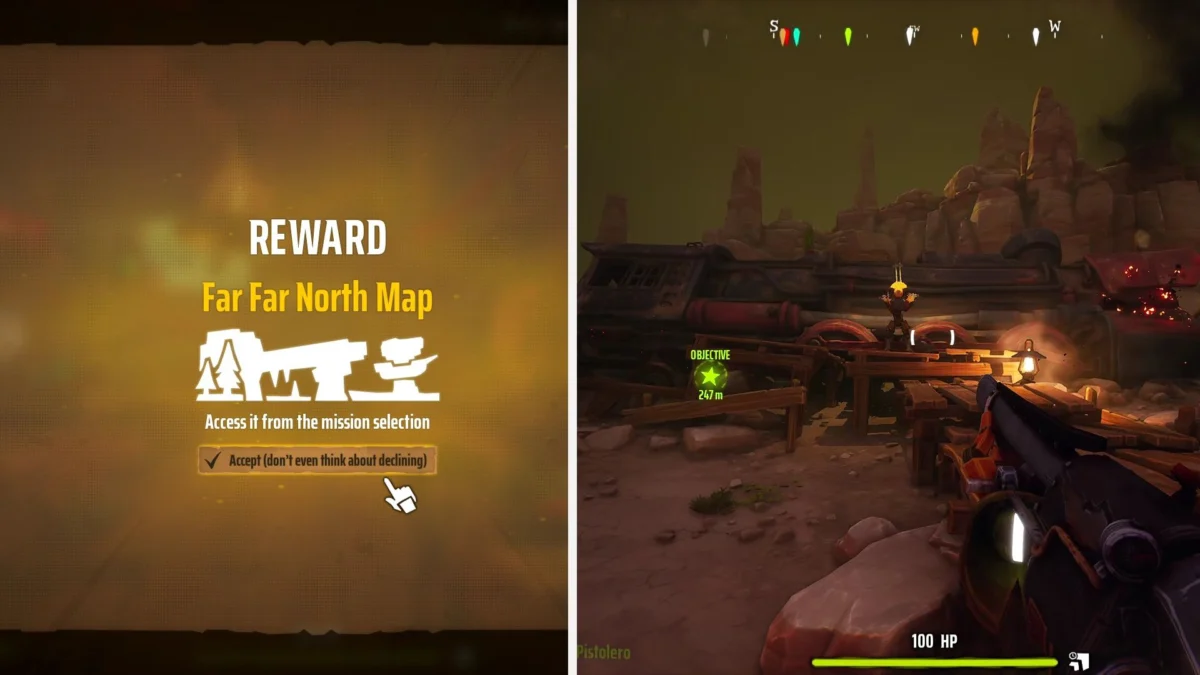
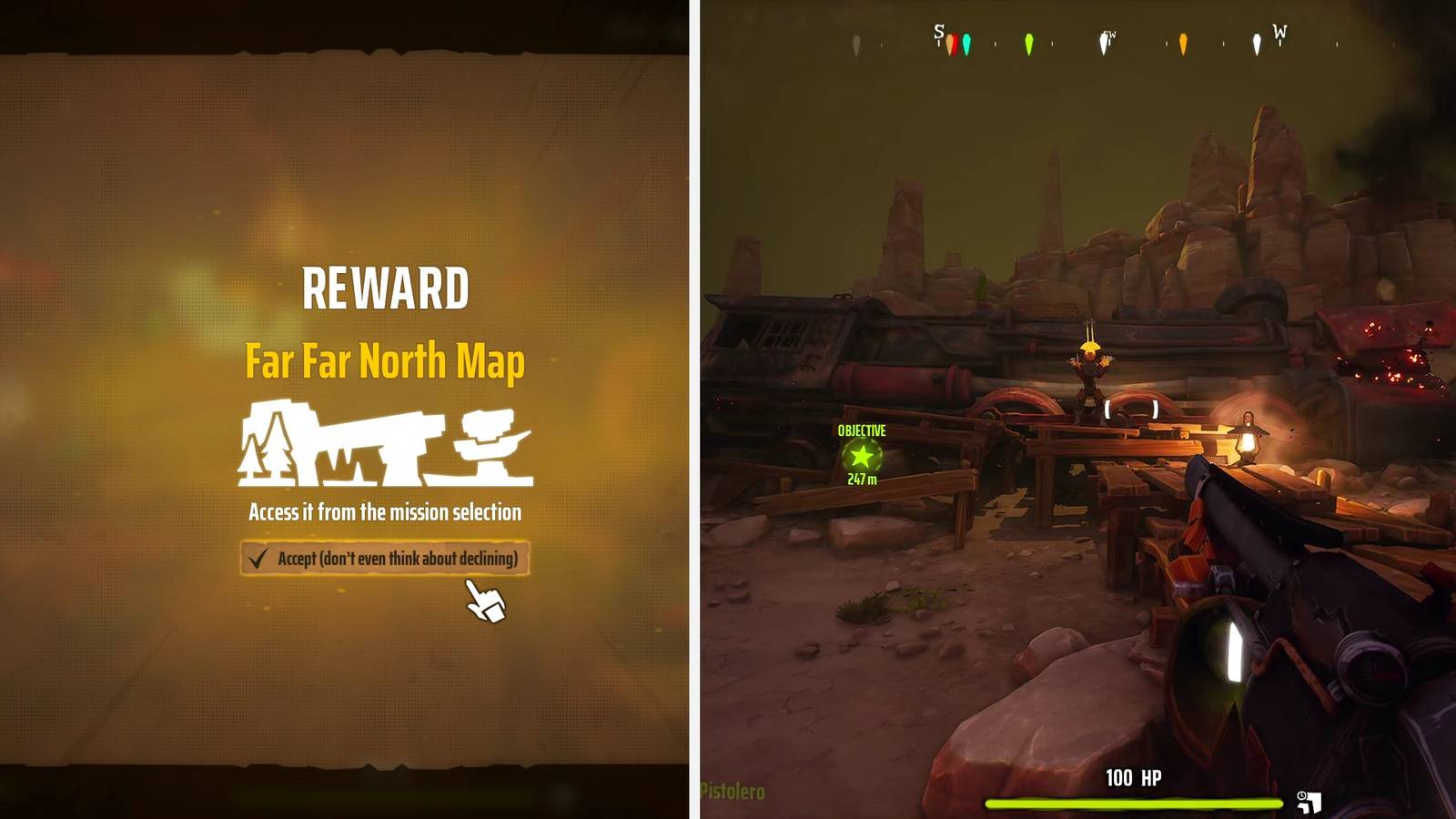
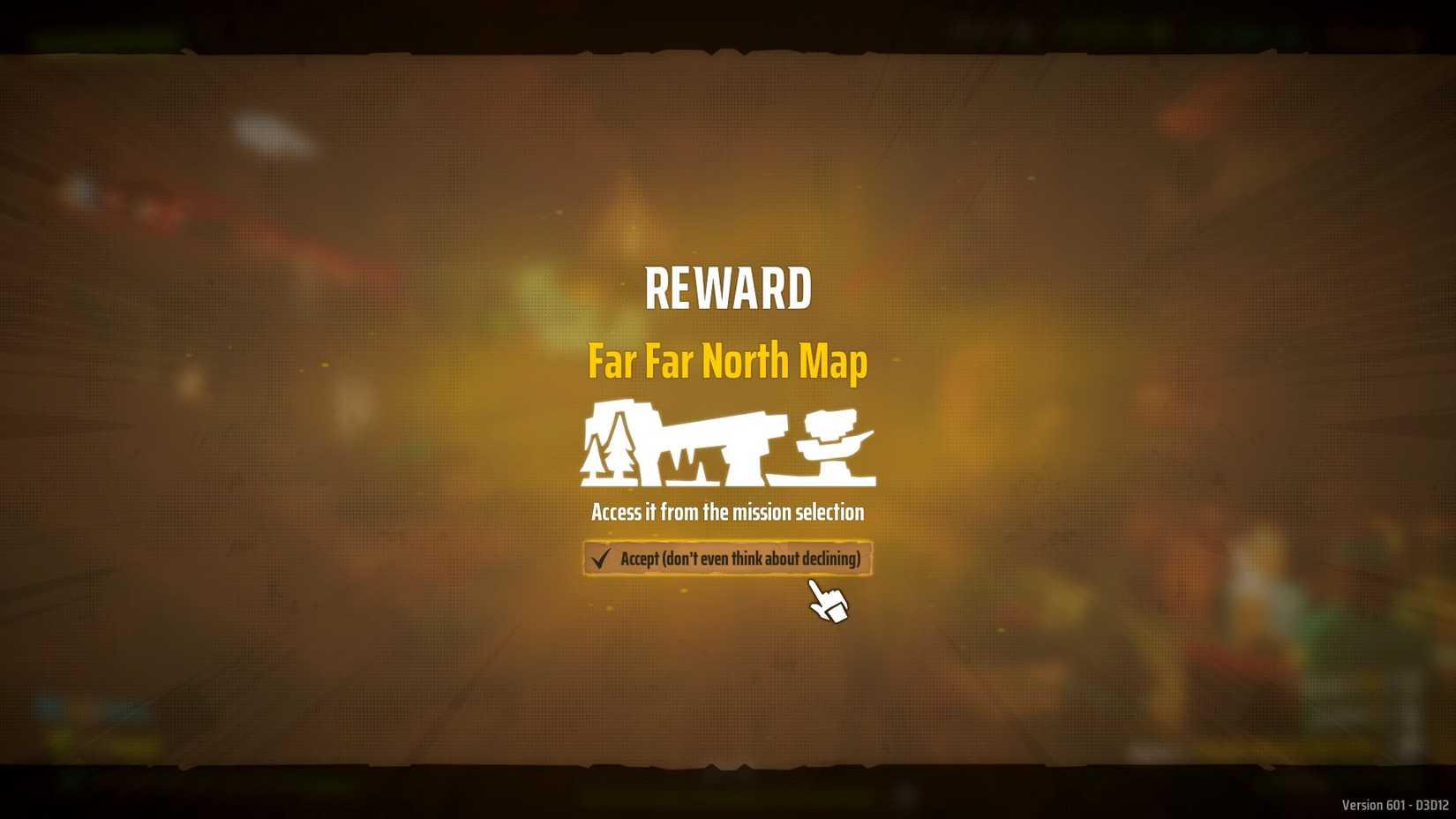
The ultimate payoff for completing all three wrecks is the unlockable access to the Far Far North. This new region promises higher-tier loot, new enemy types, and a continuation of the main storyline. Additionally, each individual wreck provides substantial experience points and early-access cosmetic items that help distinguish veteran players from those just starting their journey.
Final Thoughts: The Road Ahead
Your journey in Far Far West is far from a simple point-and-shoot experience. The layers of exploration, the necessity of tactical, often cooperative play, and the rewarding nature of uncovering secrets like the train wrecks or the elusive cactus quests, place this title in a unique position within the FPS genre.

Whether you are a solo player navigating the dark, rocky edges of the Canyon or a squad of three holding down the lakes of Area 41, remember that in this world, curiosity is your greatest weapon. Keep your eyes on the horizon, watch for the smoke, and ensure your rifle is clean. The frontier is vast, dangerous, and waiting for you to conquer it.
For more tips, tricks, and deep dives into the mechanics of Far Far West, stay tuned to our ongoing coverage of the 2026 gaming landscape.











No comments yet. Be the first to join the conversation!