

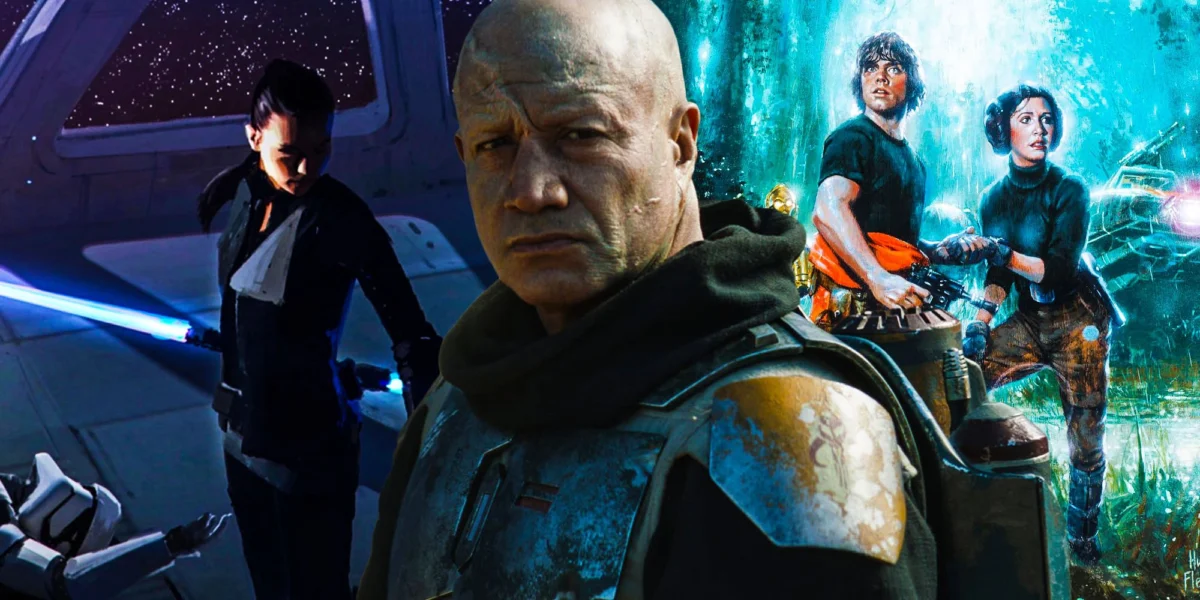
The Star Wars universe stands as the most formidable sandbox in the history of science fiction. Since George Lucas introduced audiences to a "galaxy far, far away" in 1977, the franchise has blossomed into a multi-generational cultural juggernaut. As of 2026, the live-action canon comprises 12 feature films, complemented by an expansive array of television series, literature, and interactive media. Yet, for every story that makes it to the silver screen, there are countless others left on the cutting room floor. The history of Star Wars is as much defined by its abandoned concepts as it is by its celebrated successes.
The Fragile Foundation: A Backup Plan for Failure
To understand the current state of Star Wars, one must look at its humble, uncertain origins. When George Lucas began production on the original Star Wars, the project was viewed by many, including the studio, as a potential disaster. Fearing a commercial failure, Lucas commissioned author Alan Dean Foster to write a novelization of the film, along with a secondary novel titled Splinter of the Mind’s Eye.
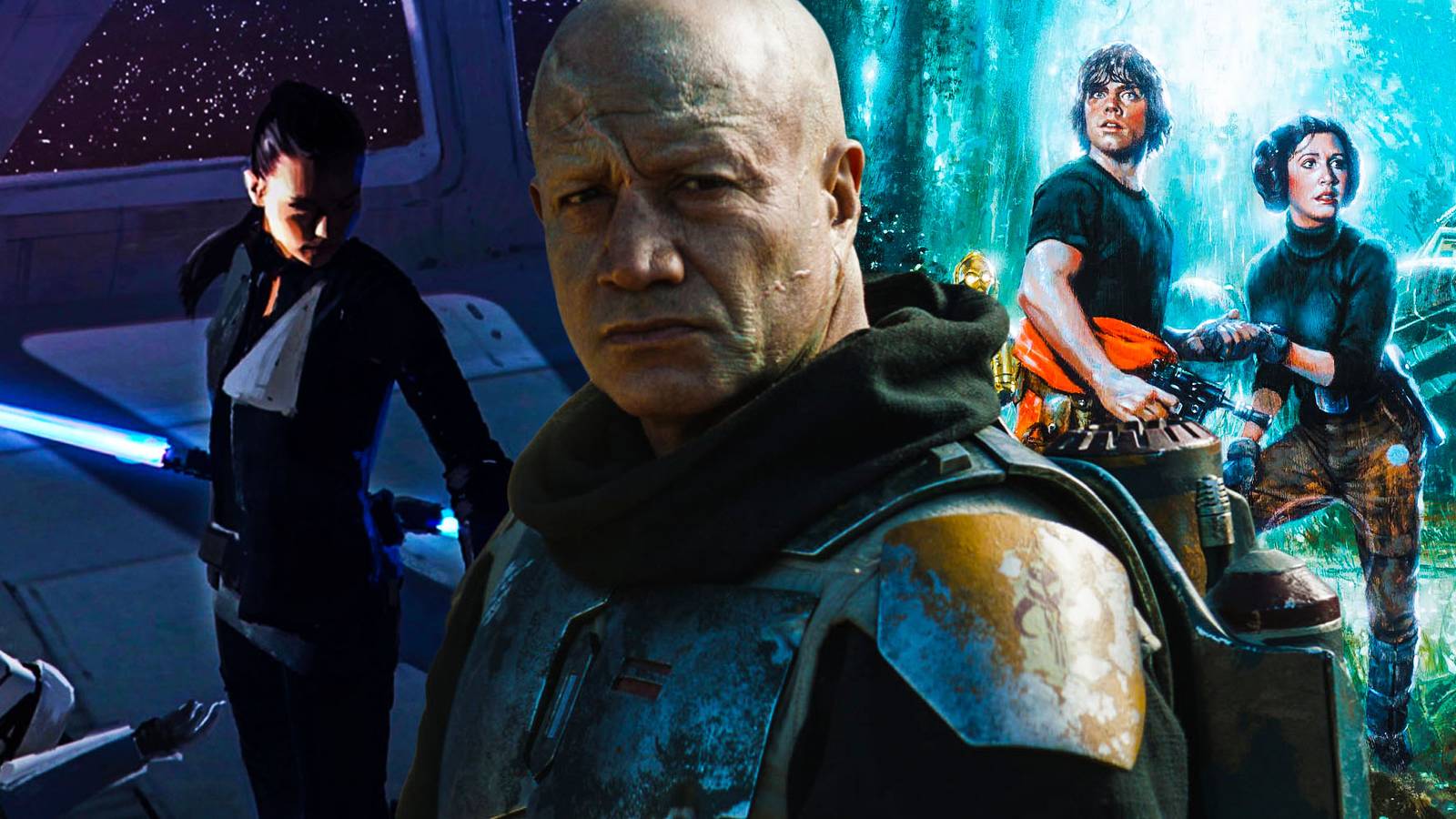
This second story was strategically designed as a low-budget sequel. It followed Luke Skywalker and Princess Leia to the swamp planet of Mimban, where they sought the Kaiburr crystal—a powerful relic capable of amplifying Force sensitivity. This MacGuffin would eventually serve as the thematic precursor to the kyber crystals, which now power the Jedi’s iconic lightsabers and the Death Star’s planet-destroying laser. When Star Wars became an unprecedented global hit, the necessity for a low-budget, limited-scope sequel vanished. The project was officially abandoned by 1978, relegated to the annals of "Legends" literature.
From Prequel Ambitions to Digital Realities
Contrary to the belief that the Prequel Trilogy was a mid-career pivot, producer Gary Kurtz has noted that Lucas held visions for a broader prequel saga long before the original films concluded. In a 2002 interview with IGN, Kurtz detailed that Lucas originally envisioned a trilogy focused on the tumultuous Clone Wars and the nascent stages of the Jedi Order.
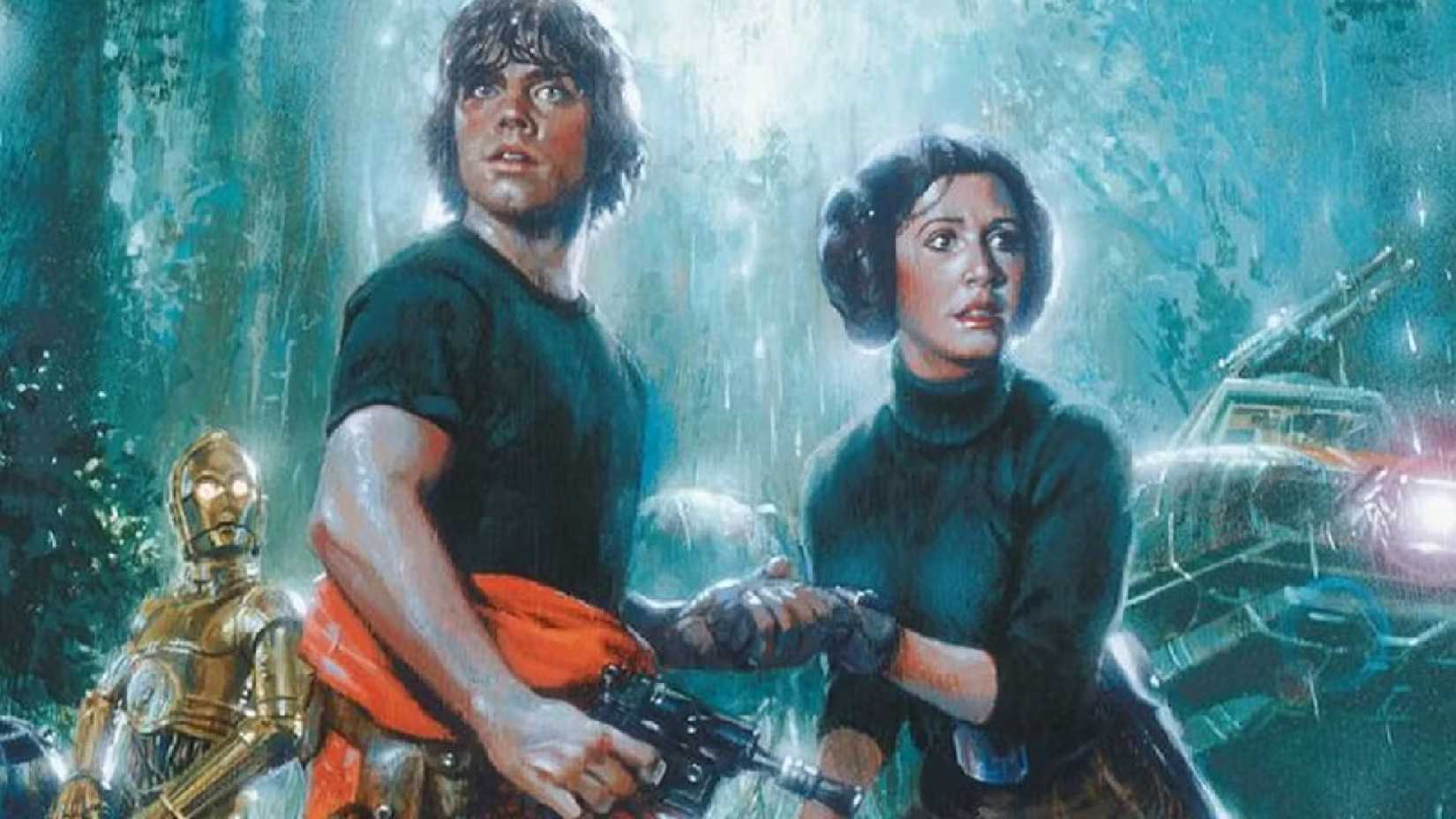
The transition from the 1980s to the 1990s, however, fundamentally shifted the technical feasibility of these films. The stresses of the original production had drained Lucas, but the rapid advancement of Computer Generated Imagery (CGI) provided a new incentive. By releasing the "Special Editions" in 1997, Lucas not only re-engaged the audience but also secured the capital and technical testing grounds necessary to realize his prequel vision. While the Clone Wars became the centerpiece of The Phantom Menace, the deeper lore regarding the formation of the Jedi remained an untold story, now earmarked for James Mangold’s upcoming directorial project.
The Gritty Abyss: Star Wars: Underworld
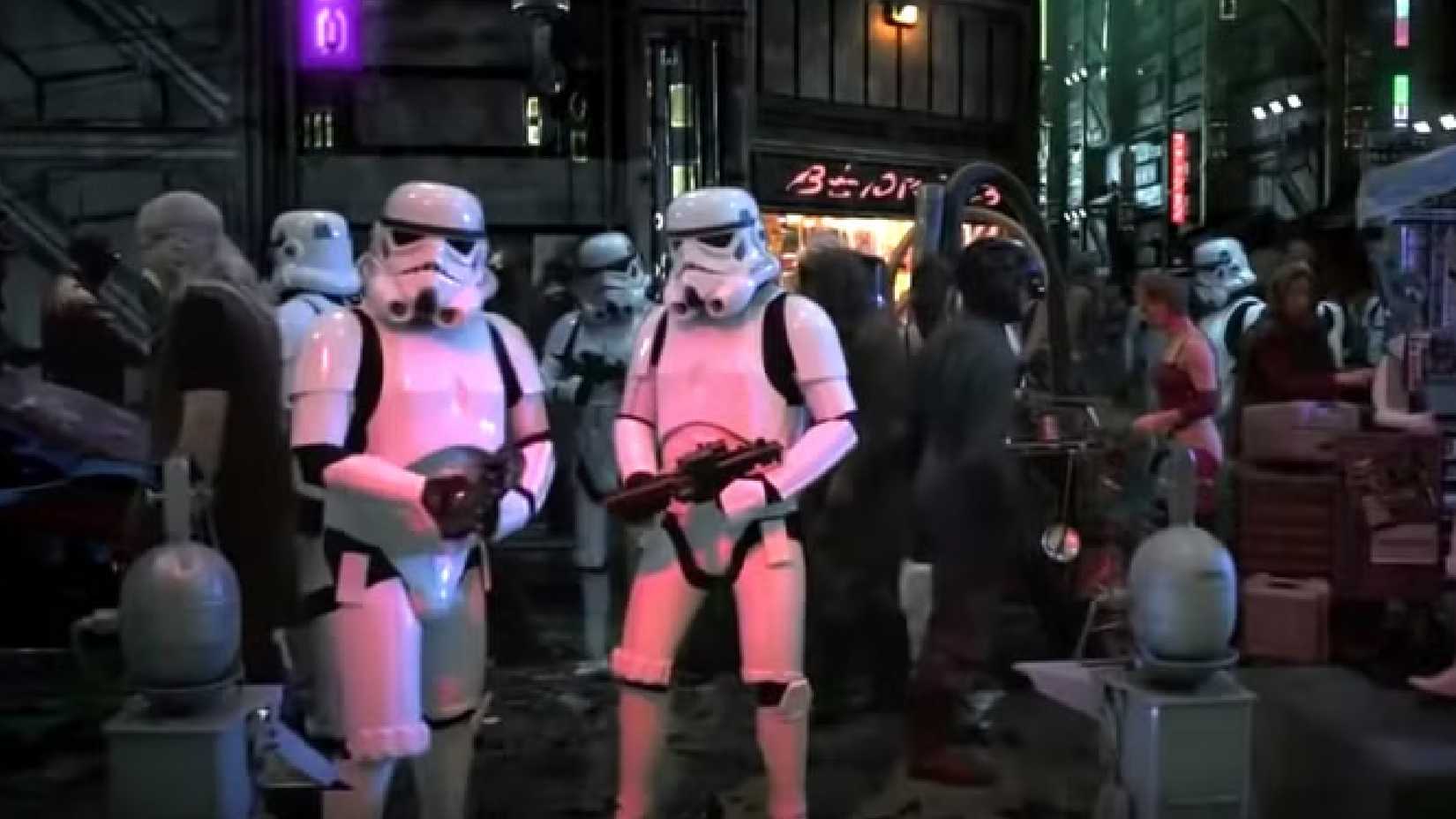
Perhaps the most ambitious television project ever conceived was Star Wars: Underworld. Announced at the 2005 Star Wars Celebration, the series was designed to explore the criminal underworld of Coruscant during the dark period between Revenge of the Sith and A New Hope.
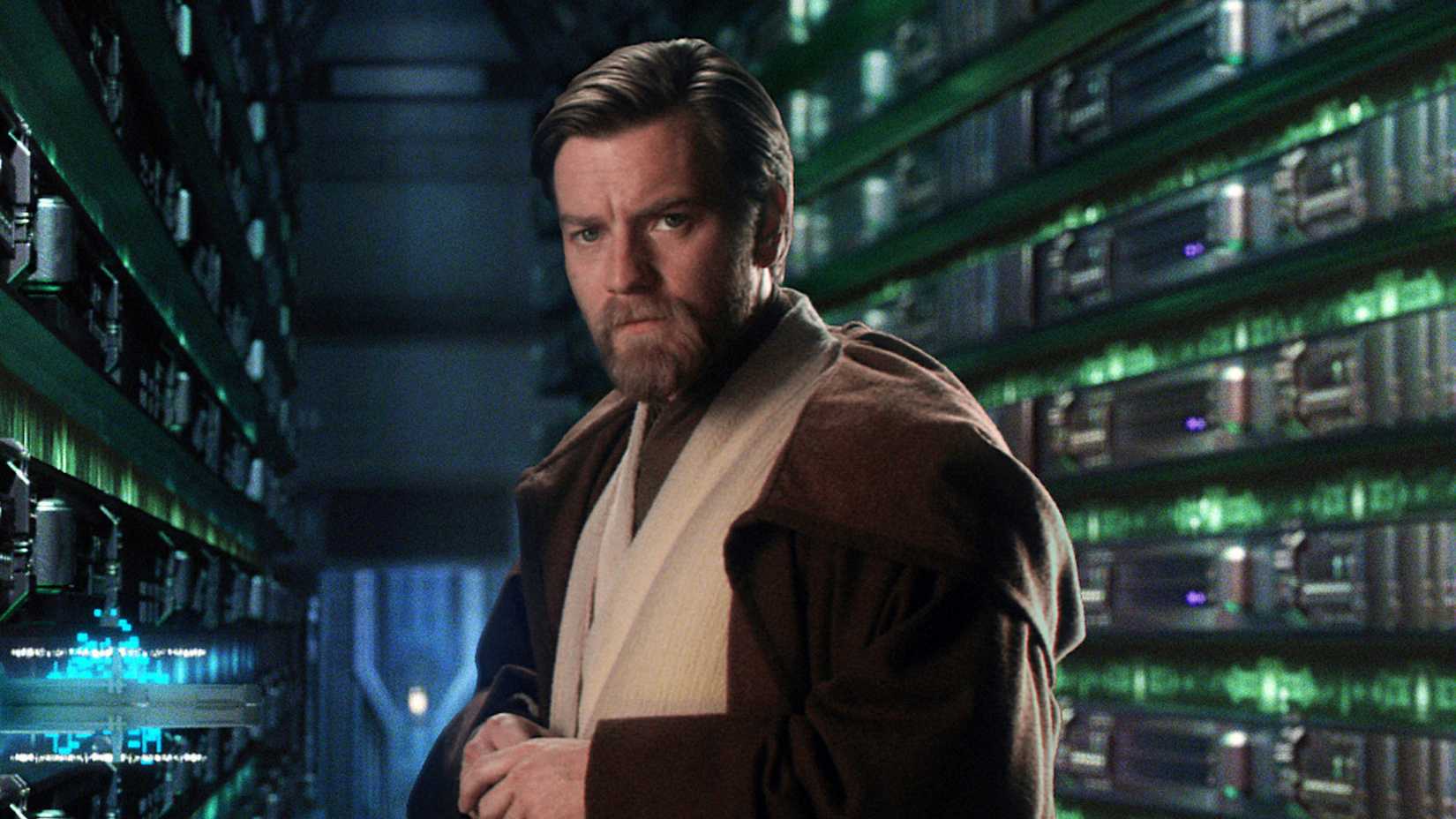
With over 100 episodes mapped out by 2012, the show promised a noir-inspired aesthetic, featuring appearances by Han Solo, Boba Fett, and Emperor Palpatine. Despite the depth of the creative work, the sheer cost of the production—which would have required groundbreaking, expensive sets—led to its cancellation. When Disney acquired Lucasfilm, however, they did not discard the intellectual property. Instead, they mined the scripts for Rogue One and Solo: A Star Wars Story, proving that in the Star Wars universe, no good idea is ever truly dead.
The Lucas Sequel Blueprint
Before the sale to Disney, George Lucas had his own vision for Episodes VII, VIII, and IX. His treatments, developed as early as 1980, depicted a galaxy in chaos following the collapse of the Empire. In this version, a resurrected Darth Maul served as a crime syndicate leader, while Luke Skywalker struggled to rebuild the Jedi Order with a cohort of 50 to 100 survivors.
Lucas intended to lean heavily into the "microbiotic" aspects of the Force, introducing the Whills—the sentient beings who feed on the Force. While elements such as the death of Han Solo, the leadership of Leia Organa, and the isolation of Luke were eventually integrated into the Disney sequel trilogy, the narrative path taken by the studio deviated significantly from Lucas’s original, more metaphysical, and didactic roadmap.
The Duel of the Fates Controversy
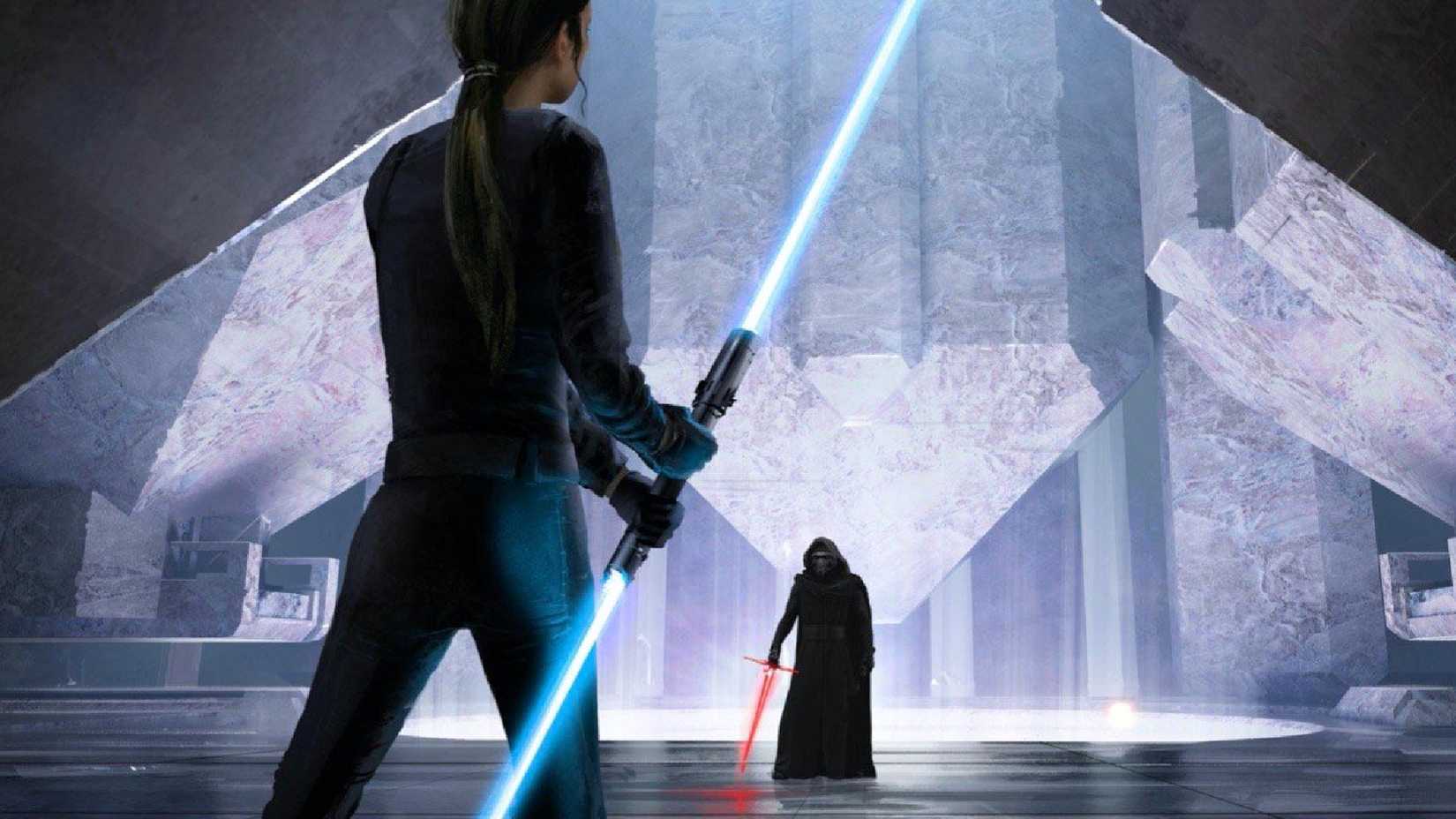
Following the release of The Last Jedi, director Colin Trevorrow was tapped to helm Episode IX. His vision, titled Duel of the Fates, would have served as a direct continuation of Rian Johnson’s themes rather than a course correction.
The leaked script reveals a drastically different finale: The First Order would have enforced a communications blackout across the galaxy, and Kylo Ren would have remained the primary antagonist, ultimately serving as the catalyst for Rey’s character development. In Trevorrow’s draft, Finn would have led a stormtrooper uprising, and Rey would have taken the name "Rey Solana," reinforcing the idea that anyone could be a hero. The project fell apart in 2017 due to "creative differences," a phrase that has become a recurring theme in the franchise’s turbulent production history.
Anthology Setbacks: Boba Fett and Mos Eisley
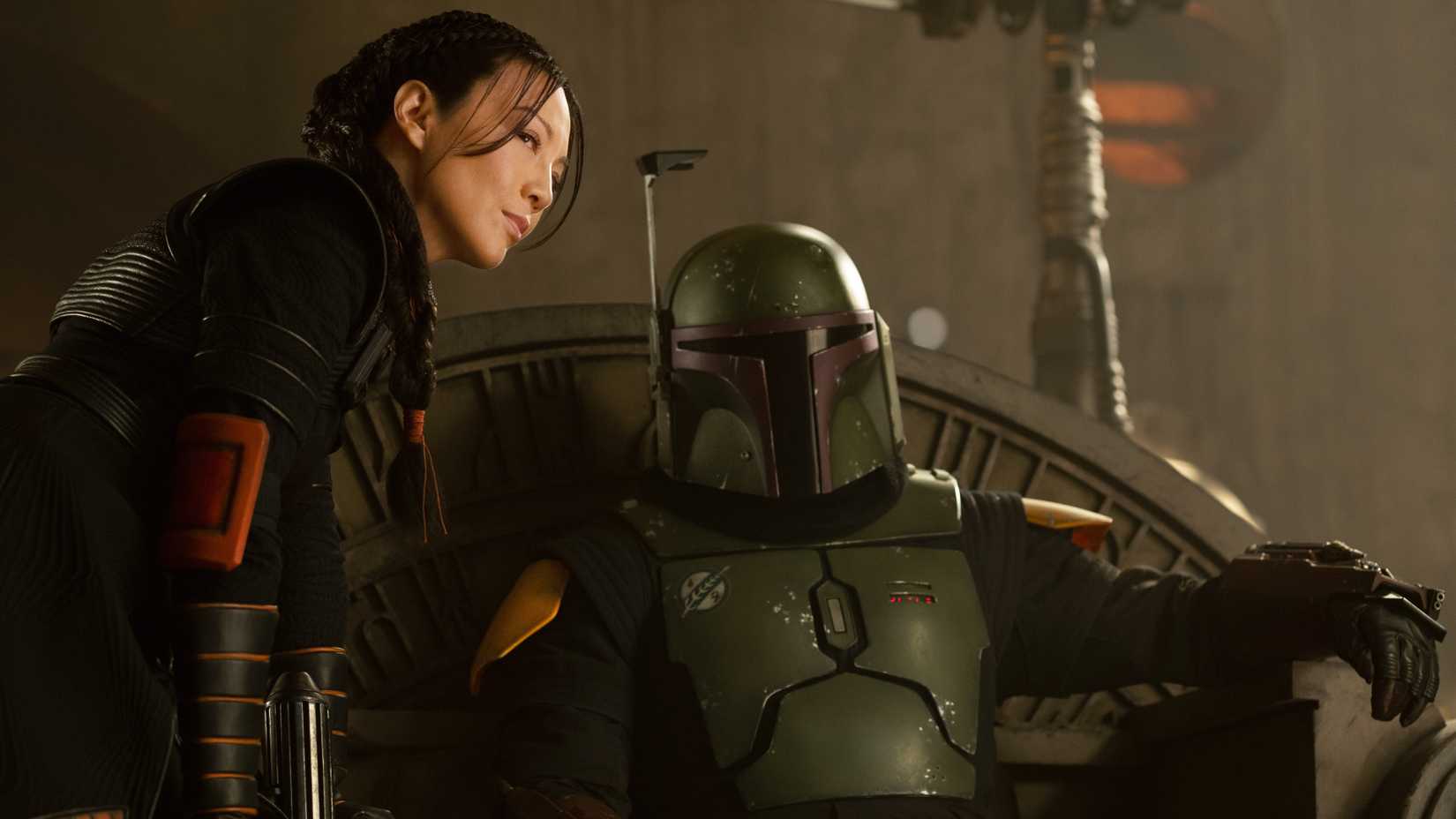
The Star Wars Story anthology initiative, which gave us Rogue One, was meant to be the start of a new, experimental era. A standalone Boba Fett film, with directors ranging from Josh Trank to James Mangold, was in active development for years. Following the disappointing box-office performance of Solo, however, Disney pivoted. The Boba Fett project was scrapped, only to be resurrected later as a successful streaming series on Disney+. Similarly, a planned feature film set in the iconic Mos Eisley Spaceport was abandoned in favor of bolstering the Star Wars television slate, which now includes projects like The Acolyte and Skeleton Crew.
The Guillermo del Toro Factor: Jabba’s Rise and Fall
In a revelation that stunned fans in 2023, filmmaker Guillermo del Toro confirmed that he had been in discussions with Lucasfilm to direct a project centered on the Hutt crime lord. Titled The Rise and Fall of Jabba the Hutt, the script was penned by David Goyer. According to Goyer, the film was a victim of internal bureaucratic friction at Lucasfilm during a period of transition. It remains one of the "what-ifs" that fans cite as a missed opportunity to explore the more grotesque, crime-thriller side of the galaxy.
The Benioff & Weiss Trilogy
Perhaps the most high-profile cancellation involved Game of Thrones creators David Benioff and D.B. Weiss. Their announced trilogy, intended to be a complete departure from the Skywalker saga, was widely anticipated as a new beginning for the franchise. The project was shuttered in 2019, shortly after the duo signed a lucrative overall deal with Netflix. While rumors persisted that the backlash against the final season of Game of Thrones influenced the decision, the reality appears to be a matter of scheduling and creative divergence.
Rangers of the New Republic
The cancellation of Rangers of the New Republic was a direct consequence of personnel shifts within the industry. Initially announced as a Mandalorian spin-off starring Gina Carano, the project stalled following her 2021 firing. Although the legal landscape has shifted—with Carano winning a wrongful termination suit—the series has been absorbed into the "Mandoverse," with its plot threads regarding Imperial remnants now forming the backbone of Dave Filoni’s ongoing narrative arc and the upcoming feature film involving Grand Admiral Thrawn.
The Future: A Critical Juncture
As the franchise looks toward the 2027 release of Ryan Gosling’s Star Wars: Starfighter, the stakes have never been higher. The pattern of development, cancellation, and repurposing is a testament to the sheer scale of the Star Wars mythos. Every failed script and abandoned concept has acted as a filter, refining the franchise’s direction. Whether Starfighter ushers in a new era or forces a complete re-evaluation of the brand, the history of the saga is proof that Star Wars is a living, breathing entity, constantly shifting to meet the demands of an ever-changing audience. The "lost" projects of yesterday are not failures; they are the bedrock upon which the future of the galaxy is built.











No comments yet. Be the first to join the conversation!