

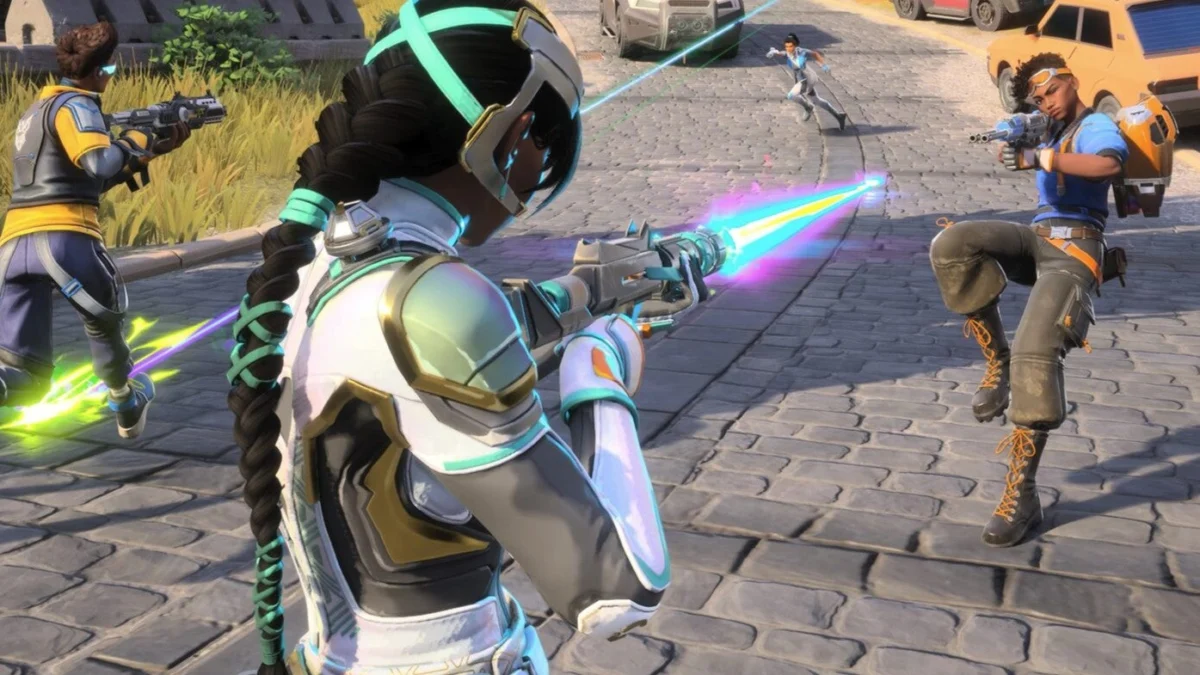
The landscape for free-to-play multiplayer titles continues to be a graveyard for ambition, and 2K Games’ latest internal shift highlights the industry’s ongoing volatility. This week, 31st Union—the 2K-owned studio helmed by industry veteran Ben Brinkman—confirmed that it is laying off an undisclosed number of staff members. The decision comes as the studio pivots the vision for its flagship project, the free-to-play hero shooter Project Ethos, moving toward a refined, "skill-based PvP roguelike" structure.
The Core Facts: A Shift in Identity
The announcement of layoffs was delivered via an internal memo from studio head Ben Brinkman, who stepped into the leadership role following the departure of Dead Space and Call of Duty veteran Michael Condry in 2024. The core of the message centered on the need for the studio to become "more nimble" and "work more quickly."
Project Ethos, once characterized primarily as a "roguelike hero shooter," is now being marketed with a revised focus on "skill-based PvP." This pivot suggests an attempt to find a niche in a market that has become increasingly hostile toward new hero shooters. While 2K has not disclosed the total number of employees impacted by the restructuring, the move signals a significant contraction at the studio, which was formed in 2019 under the promise of delivering a premier, high-fidelity live-service experience.
Chronology: The Evolution of 31st Union and Project Ethos
To understand the gravity of this situation, one must look at the timeline of 31st Union’s journey within the Take-Two Interactive ecosystem.
2019: The Foundation
31st Union was established with the backing of 2K Games, led by Michael Condry. At the time, the industry was riding the high of the "hero shooter" boom, with titles like Overwatch and Apex Legends setting the standard for player engagement and monetization. The studio was positioned as a flagship developer, tasked with building a new IP from the ground up.
2024: A Leadership Vacuum and Market Realignment
The departure of Michael Condry marked a turning point for the studio. Ben Brinkman assumed control, inheriting a project that was still deep in development but increasingly out of sync with shifting player trends. By this time, the "hero shooter" market had become notoriously saturated.
Late 2024: The Concord Effect
The timing of Project Ethos’ development milestones has been unfortunate. As the studio attempted to solidify its public-facing identity, Sony Interactive Entertainment took the drastic step of pulling Concord—a high-budget hero shooter—from storefronts just weeks after its launch. This failure sent shockwaves through the industry, casting a long, dark shadow over any developer currently attempting to break into the same genre.
Present Day: The "Roguelike" Pivot
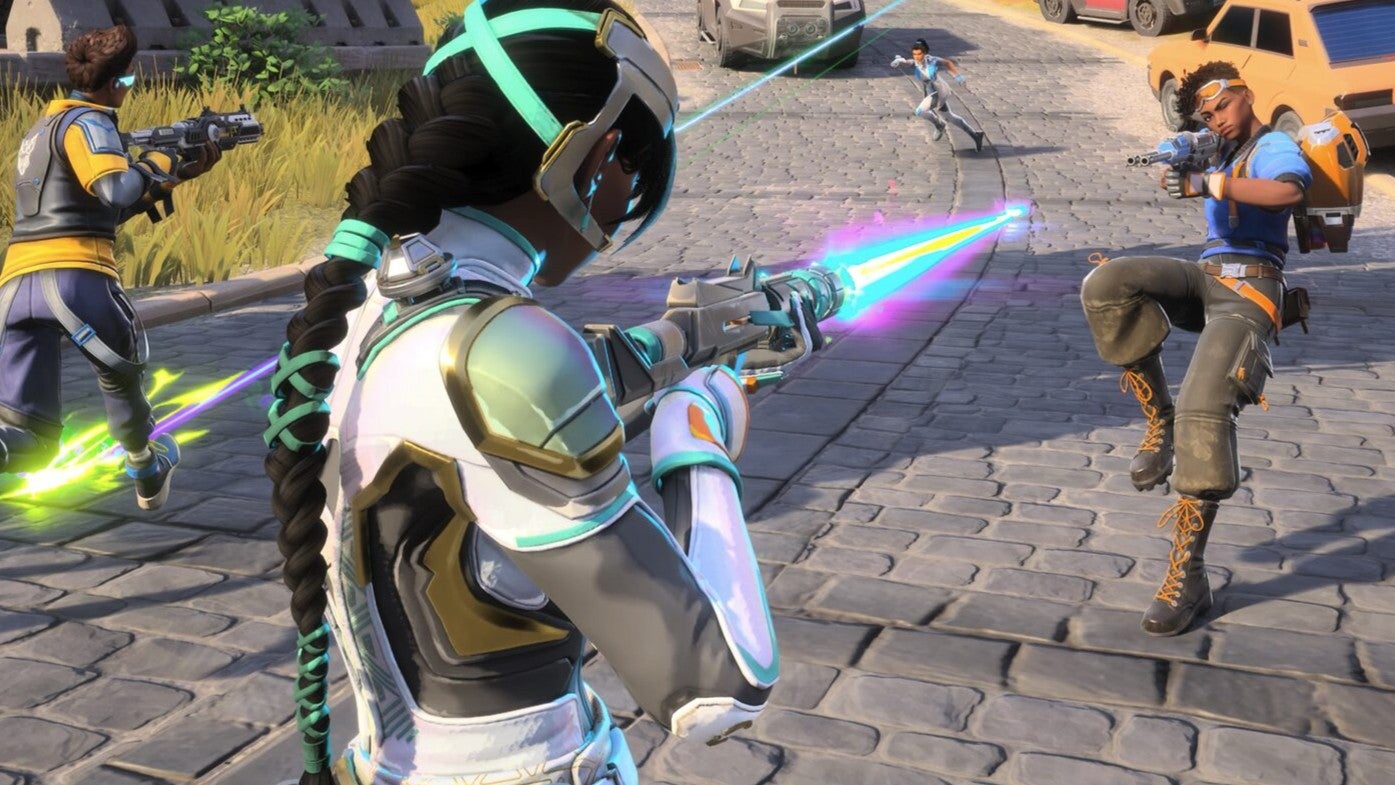
The most recent shift to a "skill-based PvP roguelike" indicates that the team is attempting to inject more replayability and mechanical depth into Project Ethos. By integrating roguelike elements—such as picking from a selection of power-ups upon leveling—the developers appear to be chasing the "Vampire Survivors" influence that has permeated modern action games, attempting to marry it with the competitive intensity of a PvP shooter.
Supporting Data: The Saturated Market
The gaming industry is currently grappling with a "post-live-service" hangover. According to industry tracking data, the market for multiplayer shooters is currently dominated by a few "titan" titles that command the majority of player time and spending.
- Player Retention: Data suggests that modern players are less likely to split their time between multiple live-service games. They tend to commit to one or two "main" games, making it exceptionally difficult for new entrants to gain a foothold.
- Development Costs: The cost of developing and maintaining a high-fidelity, free-to-play multiplayer title has skyrocketed. With teams often numbering in the hundreds, the financial pressure to deliver a "hit" on day one is immense.
- The Roguelike Trend: While roguelikes are popular in the indie space, their integration into AAA multiplayer shooters is a relatively unproven model. The challenge lies in balancing the inherent randomness of a roguelike progression system with the fairness required for competitive, skill-based PvP.
Official Responses and Corporate Sentiment
In his memo to staff, Ben Brinkman utilized the standard corporate lexicon to address the workforce reduction. "Since joining 31st Union, it’s become clear that changes need to be made to our team in order to realize our goals," Brinkman stated. He framed the layoffs as a necessary evil to "better align with where we are in development."
Despite the loss of "valued colleagues," Brinkman maintained a tone of aggressive optimism. He stated that he has "never been more confident in the future of our game, this team, and the commitment and investment Take-Two and 2K leadership continue to show."
2K Games, for its part, has sought to deflect some of the narrative surrounding the layoffs by releasing new concept art. The images showcase a "twisty coral monolith," an environment intended to highlight the aesthetic direction of Project Ethos. However, industry analysts remain skeptical that visual updates will suffice to quell concerns regarding the project’s long-term viability or the morale of the remaining staff.
The Implications: Where Does Project Ethos Go From Here?
The restructuring at 31st Union raises several critical questions about the future of 2K’s internal development strategy.
1. The Death of the "Safe" Bet
For years, the industry operated under the assumption that a high-budget hero shooter was a "safe" investment for a major publisher. That assumption is now dead. Any game currently in the pipeline must justify its existence not just through graphical fidelity, but through a unique hook that differentiates it from the incumbents. Project Ethos is now in a position where it must fight to prove that its "roguelike" mechanics offer a compelling reason to leave established favorites.
2. The Human Cost of "Nimbleness"
The term "nimble" has become a hallmark of tech and gaming layoffs in 2024. While corporate leadership often justifies these cuts as necessary for efficiency, the human cost is significant. High turnover in creative teams often leads to "brain drain," where the institutional knowledge required to finish a complex project is lost, potentially endangering the quality of the final product.
3. Take-Two’s Tolerance for Risk
Take-Two Interactive, the parent company of 2K, is known for its high-margin successes like Grand Theft Auto and Red Dead Redemption. The company is notoriously protective of its bottom line. The continued support for Project Ethos despite the genre’s downturn suggests that 2K leadership still believes there is a viable path forward. However, if the pivot to a "skill-based PvP roguelike" fails to capture a significant audience upon release, it is highly probable that Project Ethos could be the next project shuttered entirely.
Conclusion
The story of 31st Union is a microcosm of the current state of AAA development. It is a story of grand ambitions meeting the harsh reality of a saturated, skeptical market. While the team at 31st Union continues to work on the "twisty coral" architectures and roguelike power-ups that define the new vision for Project Ethos, the shadow of the layoffs will loom large.
The industry will be watching closely to see if this "renewed direction" is a genuine evolution that breathes new life into the game, or simply a final, desperate attempt to salvage a project that was conceived in a different, more optimistic era of gaming. For now, the developers remaining at the studio face the daunting task of delivering a game that must not only be good but must fundamentally change the conversation around what a hero shooter can be.











No comments yet. Be the first to join the conversation!