

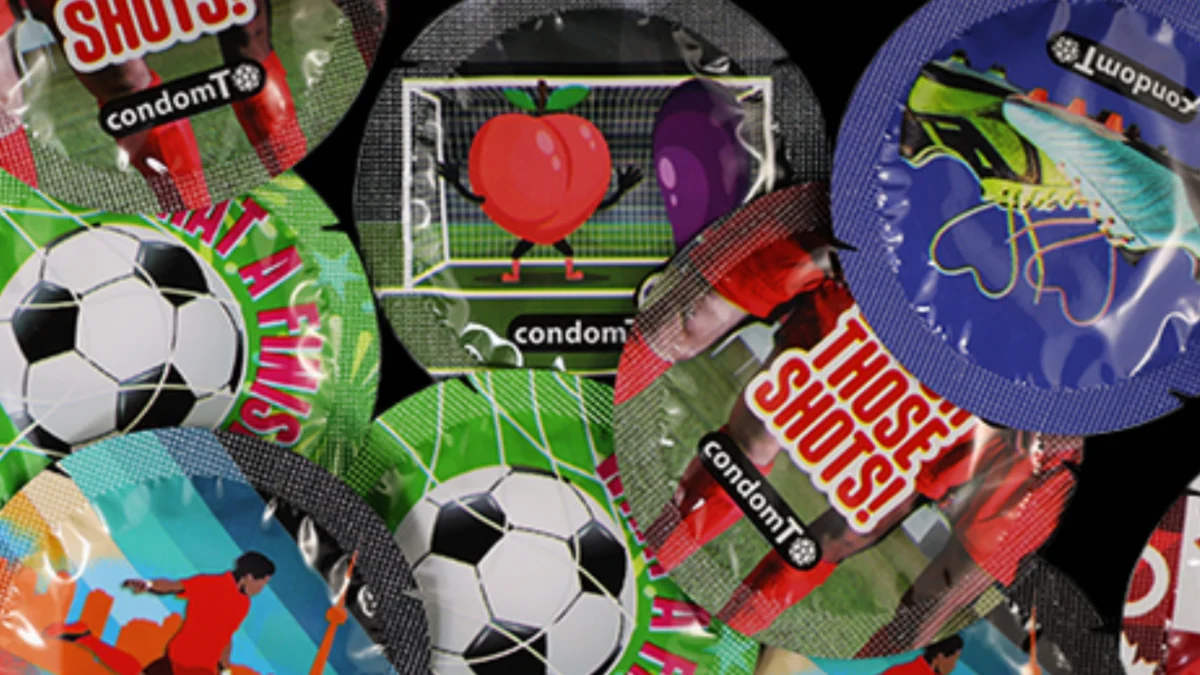
As the world prepares for the 2026 FIFA World Cup—a massive, multi-nation tournament hosted across Canada, Mexico, and the United States—the city of Toronto is preparing not just for an influx of soccer fans, but for the complex public health logistics that accompany global sporting spectacles. In a move that blends humor with serious public health advocacy, Toronto Public Health has launched a creative campaign to ensure that while visitors focus on the "beautiful game," they do not neglect their own personal health.
The initiative, which features a collection of soccer-themed, custom-designed condoms, aims to reduce the transmission of sexually transmitted infections (STIs) and promote safe sex practices among the throngs of international travelers expected to descend upon the city this June.
The Strategy: Scoring Safely on the Global Stage
When the 2026 FIFA World Cup kicks off on June 11, millions of fans will navigate host cities with varying cultural norms and health infrastructures. Toronto, as one of the primary Canadian hubs, is set to host matches featuring international powerhouses, including Germany, Croatia, and Ghana. With this global melting pot comes a significant increase in social gatherings, nightlife activity, and transient relationships.
Toronto Public Health’s campaign is centered on the mantra, “Get ready to score safely. Don’t pass up protection.” By distributing these specialized condoms at local sexual health clinics, the city is positioning itself as a leader in destigmatizing sexual health conversations. The packaging itself is a study in marketing ingenuity, featuring playful designs such as an eggplant kicking a soccer ball toward a peach-shaped goalie, alongside cheeky, sport-inspired taglines like “block those shots” and “what a finish.”
A Chronology of Public Health Preparedness
The decision to distribute these supplies was not an impulsive one; it follows months of inter-departmental planning focused on the logistical challenges of hosting a massive influx of people.
- Late 2025: Toronto municipal health planners began assessing the potential impact of the World Cup on local resources, noting that large-scale events often lead to increased rates of unprotected sexual activity.
- Early 2026: Design teams at the City of Toronto began conceptualizing the "Soccer-themed" initiative, aiming for a tone that was accessible and humorous to ensure high adoption rates among younger demographics.
- May 2026: The official launch of the condom distribution program was announced, coinciding with the broader city-wide preparations for the tournament.
- June 2026: Distribution ramped up across city-operated clinics and sexual health resource centers, timed precisely to match the arrival of international visitors.
This timeline reflects a growing trend among host cities for major international events: moving away from purely reactive health policies toward proactive, community-integrated outreach.
Supporting Data: Why Large Events Require Targeted Outreach
Public health officials have long recognized the correlation between large-scale sporting events and public health trends. Data from previous Olympic Games, the Super Bowl, and past FIFA World Cups consistently show a spike in STI transmission rates in host cities. This phenomenon is often attributed to the "festival effect"—a psychological state where social inhibitions are lowered, and individuals are more likely to engage in behavior they might avoid in their home environment.
According to a report by the Toronto Public Health department, providing free, accessible barrier methods is one of the most cost-effective ways to manage public health during periods of high tourism. The initiative does not rely on condoms alone; it is part of a broader suite of safer sex supplies designed to cater to a diverse population. By integrating these supplies into the cultural excitement of the World Cup, the city is successfully leveraging the "fandom" of the event to promote wellness.
Official Responses and Public Sentiment
The reaction to Toronto’s campaign has been largely positive, with public health experts praising the city for its forward-thinking approach. The campaign has also gained traction on social media, where the blend of clever branding and health education has been lauded for its ability to cut through the noise of traditional, often dry, public health messaging.
In a recent blog post, the City of Toronto emphasized that the program is about individual empowerment. “Whether you’re attending a soccer match, a watch party, hitting a summer festival, or partying, remember that condoms protect the health of you and your partner(s),” the statement read.
The campaign has also drawn comparisons to similar efforts made during the Olympic Games. Notably, the reputation of "Olympic-branded" condoms has reached near-mythical status, with athletes such as rugby star Ilona Maher publicly sharing how the ubiquity of these items serves as a humorous but necessary tool for both health and social interaction within the Olympic Village. By tapping into this existing cultural precedent, Toronto is effectively normalizing the use of protection in a way that feels like a commemorative souvenir rather than a clinical necessity.
The Broader Context: A World Cup Beyond the Pitch
The distribution of condoms is only one facet of the massive commercial and cultural machine that is the 2026 World Cup. The event has inspired a wide range of creative marketing and economic opportunities that extend far beyond the soccer pitch.
Earlier this month, for instance, beverage company BuzzBallz unveiled eight limited-edition "World Cup SoccerBallz" cocktails, targeting fans who want to commemorate the tournament with thematic refreshments. Meanwhile, the broadcast industry is pushing the boundaries of fan engagement; FOX recently announced a search for a "Chief World Cup Watcher," a position that pays $50,000 for the dedicated task of watching every single match of the tournament.
These diverse initiatives—from the city’s health campaigns to corporate promotional gimmicks—illustrate the sheer scale of the 2026 World Cup. It is a cultural phenomenon that touches every aspect of a host city’s identity, requiring a delicate balance between celebration and responsibility.
Implications for Future Host Cities
The Toronto initiative serves as a blueprint for future host cities looking to balance the festivities of a global event with the health needs of their population. The implications are clear: when cities treat sexual health with the same level of creative planning as tourism and security, they are more likely to achieve positive public health outcomes.
By adopting a "harm reduction" approach rather than a moralizing one, Toronto is ensuring that the 2026 World Cup is remembered for its sporting excellence rather than as a catalyst for public health crises. As the world turns its eyes to Toronto, Vancouver, and the other host cities, the success of this campaign will likely be evaluated by health researchers for years to come.
Ultimately, the goal is to ensure that the memories fans take home from Toronto are limited to the thrills of the match, the hospitality of the city, and the camaraderie of global sports. By placing a condom in the hands of a fan, Toronto is doing more than just preventing disease; they are enabling a safe and enjoyable environment for everyone involved.
As the opening whistle nears, the message from Toronto remains clear: the city is ready to host, ready to celebrate, and, most importantly, ready to help fans play it safe. Whether it is through an eggplant-themed condom or a high-stakes soccer match, the city is proving that effective public health is all about meeting people where they are—even if that place is a rowdy, fan-filled stadium on the biggest stage on Earth.












No comments yet. Be the first to join the conversation!