Rifan Muazin
When Baldur’s Gate 3 was first announced, the gaming industry met the news with a mixture of immense hype and palpable trepidation. On one hand, it was the long-awaited third entry in one of the most venerated RPG franchises in history. On the other, it was a high-stakes adaptation of Dungeons & Dragons during the tabletop game’s commercial renaissance. The skepticism was rooted in a simple reality: Larian Studios, the developer behind the Divinity series, had no prior connection to the original Baldur’s Gate games, and the narrative had been moved a century forward, effectively severing ties with the iconic Bhaalspawn Saga.
Yet, upon its 2023 release, Baldur’s Gate 3 did more than just satisfy fans; it shattered expectations, setting a new gold standard for the entire medium. Years later, its influence is still being mapped, and its design philosophy continues to haunt developers who struggle to reach the bar Larian has set.
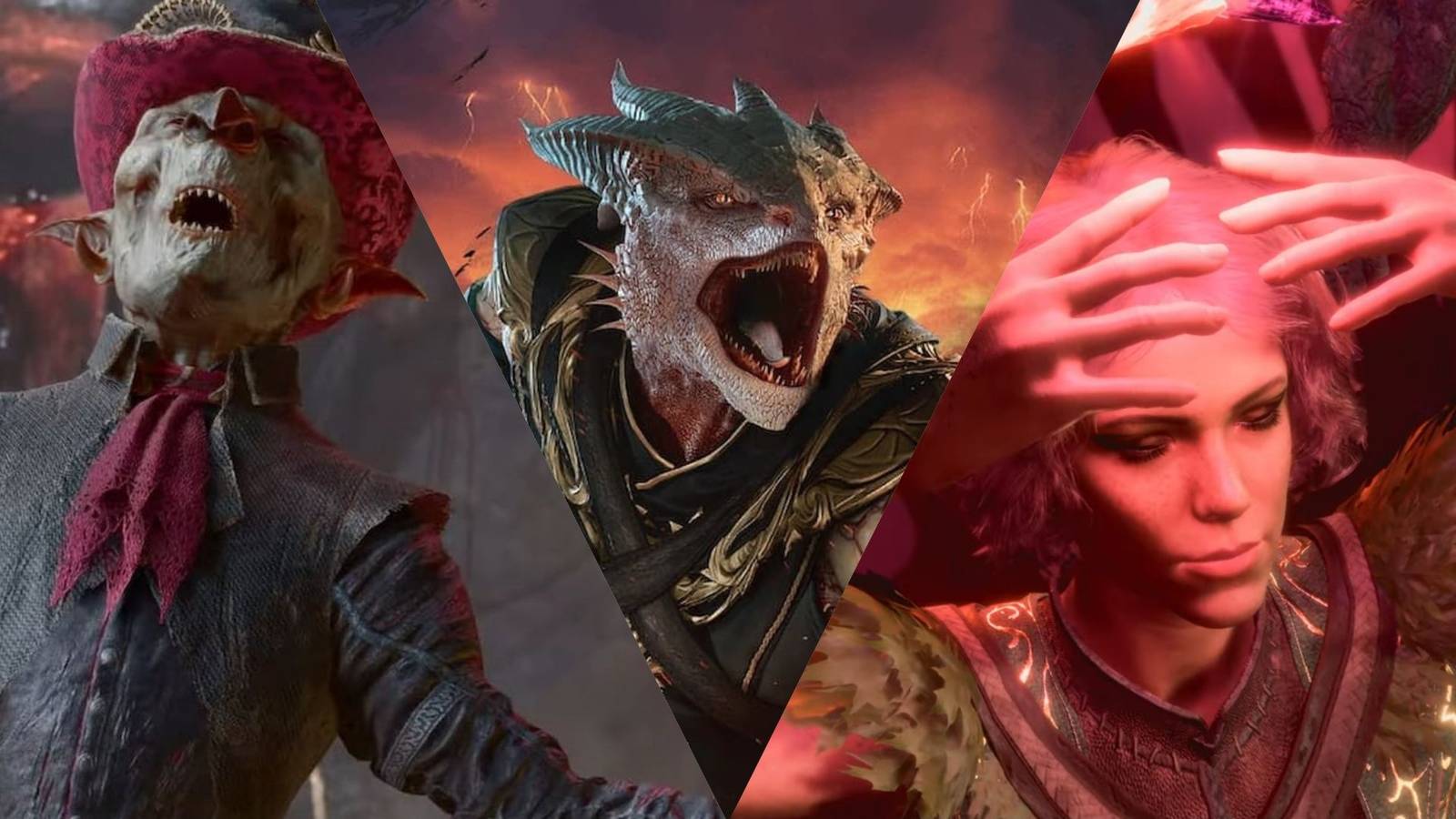
A Chronology of a Genre-Defining Phenomenon
The journey of Baldur’s Gate 3 is one of deliberate patience. Larian Studios opted for a lengthy Early Access period that began in October 2020. This phase was not merely a beta test; it was an iterative dialogue between developers and players. By allowing the community to stress-test mechanics, provide feedback on the party’s initially unlikable disposition, and suggest quality-of-life improvements, Larian polished the experience into a diamond by the time the full version launched in August 2023.
Following its release, the game dominated the awards circuit, sweeping Game of the Year titles across major publications and industry events. It transformed from a niche CRPG project into a cultural touchstone, proving that complex, turn-based systems could command a massive, mainstream audience.
Unmatched Reactivity: The Digital Dungeon Master
The primary challenge in translating a tabletop experience to a video game is the loss of the Dungeon Master—the human element that allows for "limitless" possibilities. If a player in a D&D campaign decides they want to quack like a duck in the face of a terrifying villain like Strahd von Zarovich, a DM can improvise a reaction.
Baldur’s Gate 3 represents the closest a video game has ever come to replicating this level of agency. The developers went far beyond the binary "Pacifist vs. Murderer" paths found in titles like Undertale. Instead, they accounted for nearly every conceivable player action, from using Wild Shape to navigate the game as a house cat to employing creative environmental traps that bypass traditional combat encounters entirely. Every run feels uniquely authored by the player’s own ingenuity, with NPCs and quest-lines reacting to the most bizarre or tactical choices.

The Power of the Ensemble: Elevating Voice Acting
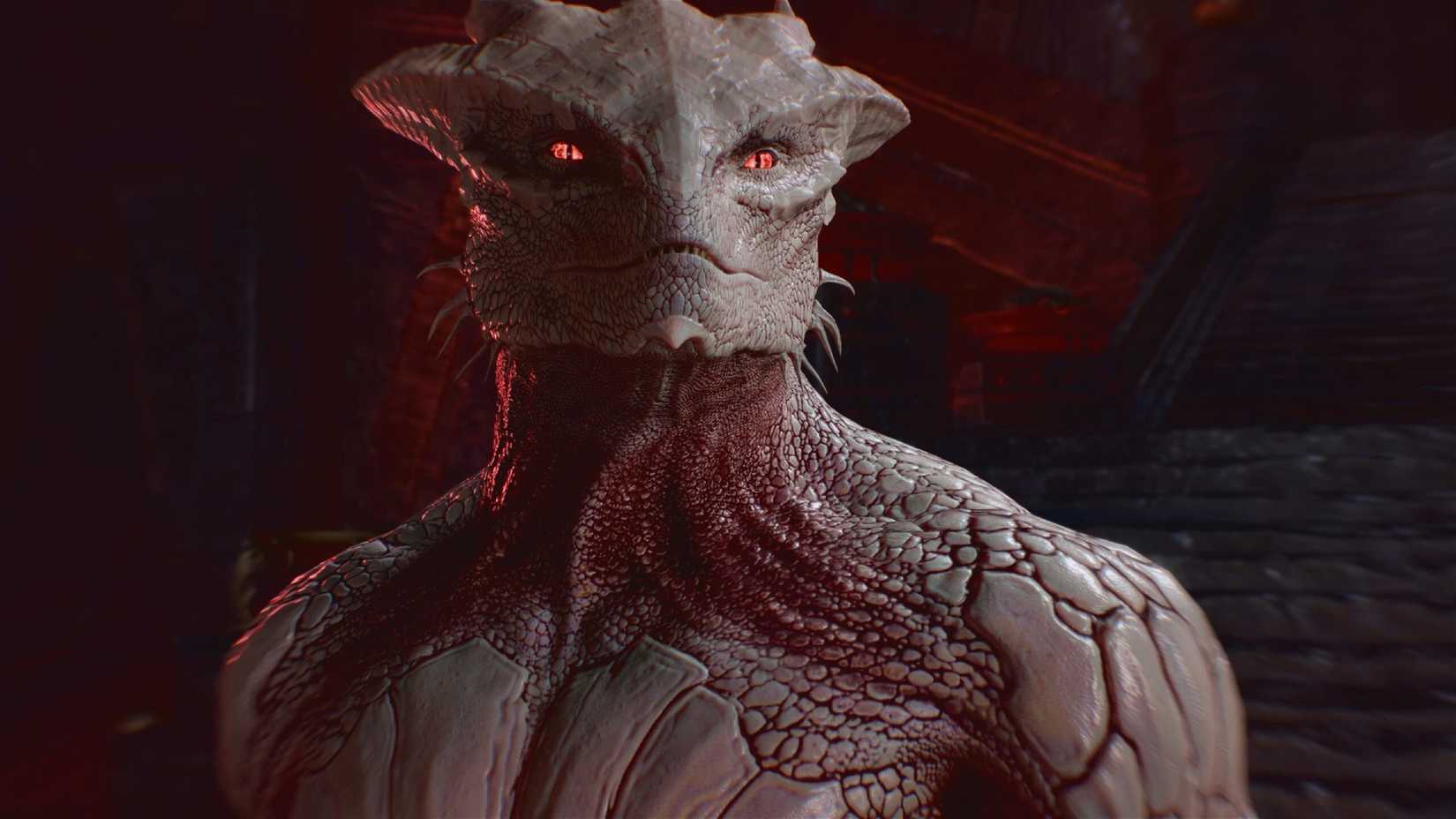
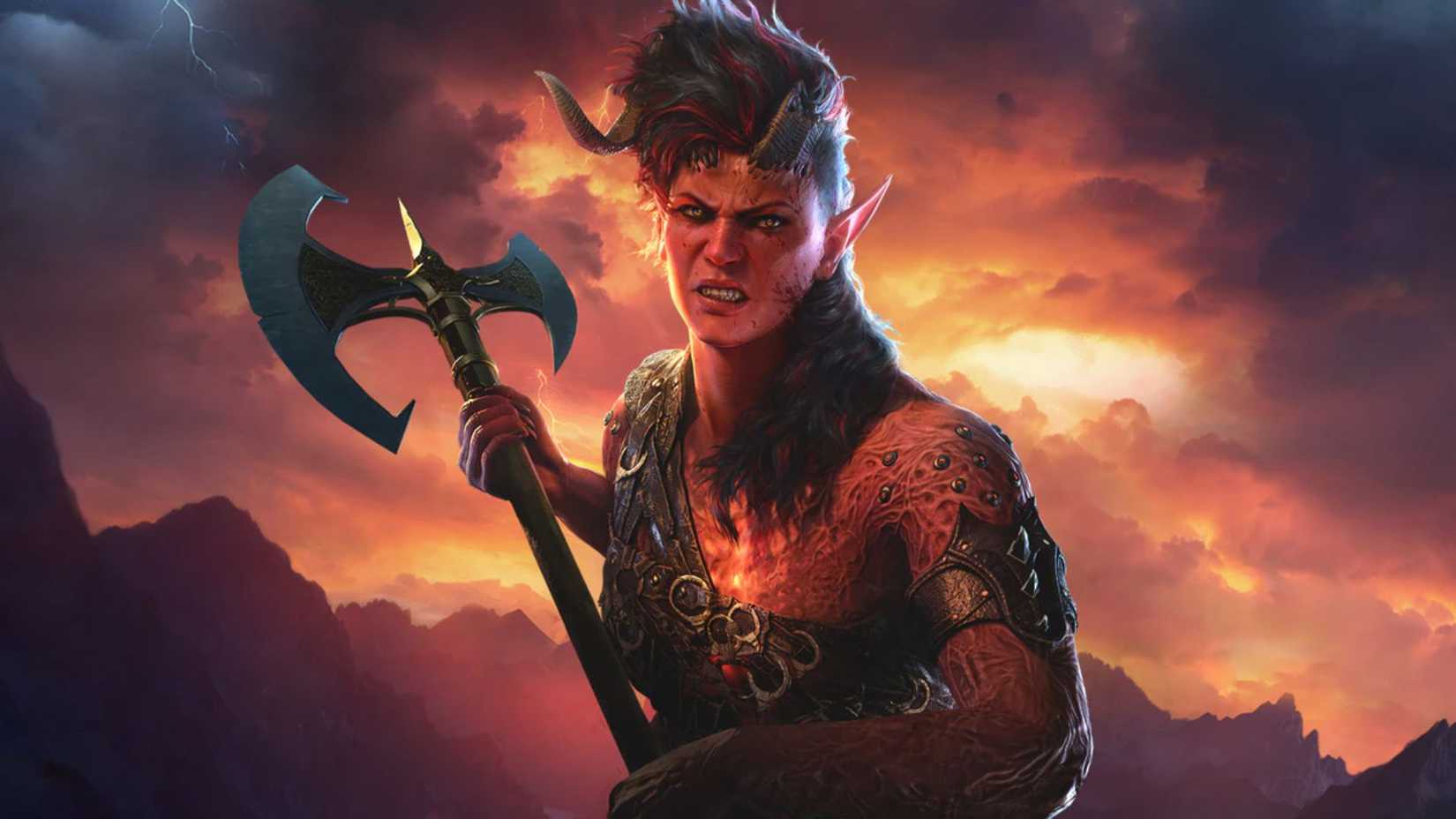
The party members of Baldur’s Gate 3 are, on paper, a collection of outcasts and potential villains: a ravenous vampire, a cleric of a goddess of darkness, and a Gith warrior ready to execute her companions at the first sign of corruption. During the game’s Early Access phase, these characters were so abrasive that Larian had to soften their edges to make them approachable.
The final result, however, is a cast of characters who have become some of the most beloved figures in gaming history. This success is largely owed to the stellar voice performances, which reveal deep vulnerabilities beneath the surface-level hostility of these characters. The voice cast has since become a standard-bearer for the industry, with studios actively seeking to replicate the emotional depth and chemistry that Jennifer English, Neil Newbon, and their peers brought to the project.

The Return of Secrets in the Information Age
In an era of instant wikis and rapid-fire datamining, the concept of a "game secret" has almost vanished. For decades, players chased urban legends—like Mew under the truck in Pokémon—only to find them debunked by the internet.
Baldur’s Gate 3 bucked this trend by being so dense that players are still discovering hidden interactions years after launch. By designing a world that rewards curiosity and rewards experimentation, Larian proved that games can still hold mysteries. The game’s complexity ensures that even now, when a player attempts a new run, they are likely to encounter a scene, a dialogue option, or a secret outcome they had never seen before.
Why Turn-Based Combat Is More Relevant Than Ever
For years, the industry narrative suggested that turn-based combat was a relic of the past, with major franchises like Final Fantasy pivoting toward action-oriented systems to keep pace with modern trends. Baldur’s Gate 3 proved this assumption wrong.
By marrying the tactical depth of D&D 5e with the environmental interactivity of the Divinity engine, Larian created a combat loop that feels strategic, rewarding, and deeply engaging. Its success has paved the way for other titles, such as Clair Obscur: Expedition 33, to experiment with turn-based mechanics once again. It has effectively revitalized the subgenre, ensuring that the next generation of RPGs will likely see a resurgence in tactical, turn-based design.

Improving Upon the Past: The Art of the Revival
There was significant skepticism regarding the decision to revive the Baldur’s Gate brand. Fans worried that the studio would use the name purely for clout, ignoring the legacy of the original Black Isle titles.
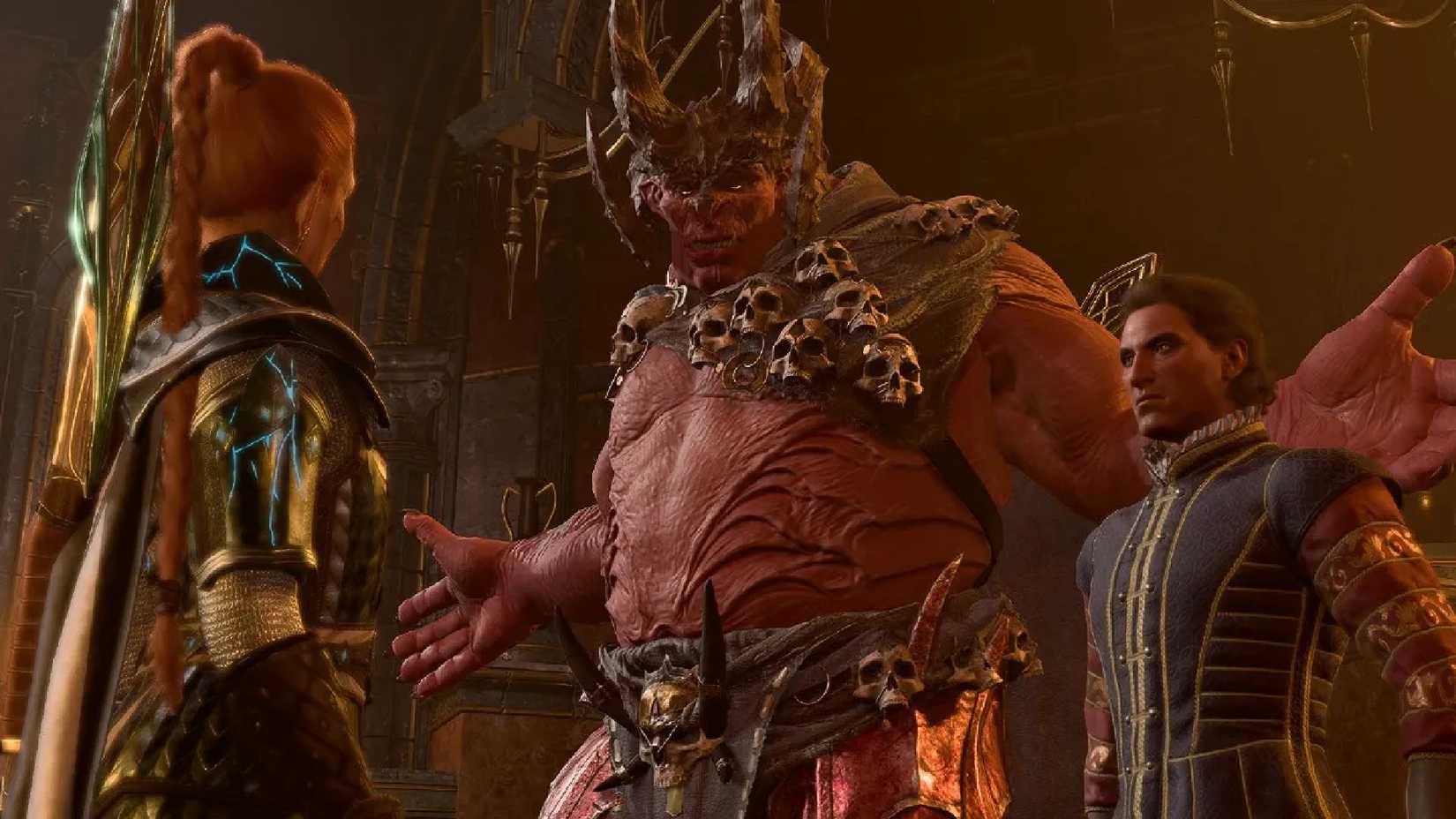
However, Larian managed a rare feat: they honored the source material while building something entirely original. By integrating the lingering influence of Bhaal—the God of Murder—and bringing back legacy characters in ways that felt essential rather than gratuitous, they satisfied long-time fans while welcoming new ones. Unlike many modern remakes that struggle to recapture the "magic" of an original, Baldur’s Gate 3 improved upon the foundational concepts of its predecessors, proving that classic franchises have a viable future if handled with care.
Challenging the Industry’s "Greed" Culture
Perhaps the most significant implication of Baldur’s Gate 3 is its rebuke of modern industry monetization. In a landscape increasingly defined by aggressive DLC, microtransactions, and "Games as a Service" models, Larian took the opposite path.
The studio has consistently released substantial, free content updates—including new subclasses, story elements, and expanded endings—without charging the player extra. By providing robust modding tools and a complete, feature-rich experience out of the box, they have cultivated immense consumer goodwill. This strategy has resulted in long-term sales success, proving that players are more than willing to support a studio that respects their investment.
Conclusion: The Path Forward
The impact of Baldur’s Gate 3 on the RPG genre cannot be overstated. It is a benchmark for writing, a masterclass in reactivity, and a testament to the value of a complete product. As other developers look to the future, the lessons provided by Larian are clear: players crave depth, agency, and a respect for their intelligence.
In an industry where "nickel and diming" has become the norm, Baldur’s Gate 3 stands as a titan, reminding us that when quality is the primary driver of development, the rewards—both critical and commercial—are boundless. The bar has been set, and for the foreseeable future, the industry will be playing by the rules defined by Larian Studios. Whether it is through the integration of D&D mechanics or the sheer, uncompromising density of its world, Baldur’s Gate 3 has ensured that the golden age of the RPG is not behind us, but very much in our present.


 Layla Zulfa
 Laily UPN