Nana Muazin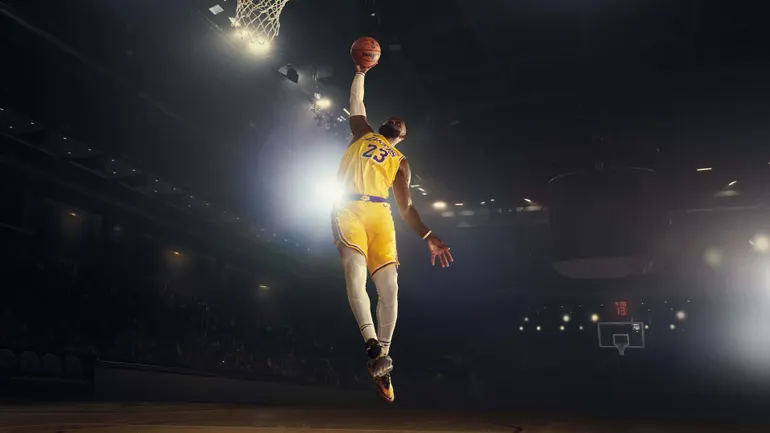
For decades, Nike served as the global gold standard for sports marketing—a brand that didn’t just sell footwear and apparel, but sold a philosophy of human potential. Yet, nearly two years into its ambitious "Win Now" turnaround strategy, the luster is beginning to fade. What was intended to be a rapid revitalization has, for many industry observers, morphed into a "wait and see" period defined by mounting external pressures, internal leadership churn, and a series of high-profile marketing missteps that have left the athletic giant struggling to find its footing in a fragmented digital landscape.
The State of the Swoosh: Main Facts and Current Challenges
Nike’s current predicament is multifaceted. Beset by global economic headwinds, the brand is grappling with the lingering impacts of supply chain volatility, aggressive tariff structures, and a significant cooling of growth in the Chinese market—a region that once served as a reliable engine for expansion.
However, the most pressing issue for the Beaverton, Oregon-based titan is not just economic; it is cultural. Nike’s historical dominance relied on an aspirational, cinematic style of storytelling that set the tone for the entire industry. Today, that narrative finesse appears to be slipping. The brand is facing intense pressure from agile, category-specific rivals such as Hoka, On, and Brooks Running, all of which have successfully captured the loyalty of specialized athletes—particularly in the running sector—by positioning themselves as the true purveyors of product innovation.
"They feel really lost to me," says Nate Jaffee, senior vice president of integrated strategy at the creative communications agency Praytell. "It feels like they just haven’t gotten their footing down in this sort of new world, this new media landscape that is out there."
A Chronology of the Turnaround: From Ambition to Adaptation
The roots of the current instability trace back to the post-pandemic era, a time of significant organizational upheaval. Following a period of sluggish performance, Nike saw the unceremonious exit of former CEO John Donahoe, a move that signaled to the market that the company’s previous direction was no longer tenable.
- 2023–2024: Nike initiates the "Win Now" strategy, a sweeping corporate overhaul designed to prioritize performance and streamline operations. This period was marked by massive leadership restructurings and significant layoffs, including the recent cutting of 1,400 jobs to trim bloat.
- The "Winning Isn’t for Everyone" Campaign: In a bold attempt to reclaim its "elite athlete" bona fides, Nike launched a gritty, polarizing campaign featuring icons like LeBron James and Serena Williams. While it generated buzz, it also underscored a growing friction between the brand’s "if you have a body, you are an athlete" mission statement and its increasingly aggressive, exclusionary marketing tone.
- The Boston Marathon Stumble: A recent outdoor advertisement in Boston featuring the copy "Runners Welcome. Walkers Tolerated" acted as a flashpoint for the brand’s identity crisis. The ad was widely panned by disability advocates and general running enthusiasts alike, forcing a swift withdrawal.
- Super Bowl LIX vs. LX: In 2025, Nike achieved a major creative victory with its "So Win" Super Bowl spot, celebrating women in sports. It was a high-water mark for the brand. However, the subsequent decision to skip the big game during Super Bowl LX—at a time when women’s sports are seeing unprecedented cultural momentum—was viewed by many as a missed opportunity to build on that success.
Supporting Data: The Disconnect Between Performance and Perception
Nike’s financial reality remains a mixed bag. While the brand reported flat revenue for the third quarter ended February 23, North American sales saw a 9% increase in Q2 and a 3% bump in Q3. These gains, however, were largely eroded by the ongoing struggles in the Chinese market.
The disconnect is perhaps most visible in the data regarding consumer sentiment. According to YouGov data, brand consideration among a representative group of U.S. women rose over nine points between April 2024 and January 2025. This suggests that Nike’s investment in signature athletes like Caitlin Clark is working. Yet, despite these pockets of growth, the broader brand perception remains disjointed.
"Nike’s recent marketing efforts seem to have focused on short-term wins, rather than long-term brand building," notes Jenn Szekely, president at the design agency Coley Porter Bell. "As a result, it has felt fragmented."
This fragmentation is compounded by the "new media" reality. The reliance on legacy "tentpole" marketing—using massive celebrities to create a universal halo effect—is losing its efficacy. In an era dominated by decentralized, quick-hit social content, the traditional "Michael Jordan" model of branding is increasingly being viewed as a relic of the past.
Official Responses and Internal Shifts
Nike’s leadership, under the guidance of CEO Elliott Hill, has acknowledged that the "Win Now" strategy has yet to meet the desired velocity. In internal communications and public-facing statements, the company has emphasized a desire to learn from its recent blunders.
Regarding the Boston Marathon incident, a Nike spokesperson stated: "What that moment reinforced for us is how deeply people feel about this sport, and we respect that. We’re always learning, and our goal is to make sure we show up in ways that celebrate all runners and every form of movement."
Regarding the upcoming FIFA World Cup, the company remains optimistic about its ability to pivot back to its core strengths. "Storytelling about sport and athletes has always been at the heart of Nike’s marketing," the spokesperson added. "We fuse emotional storytelling with the cultural weight and impact of our athlete roster, and no stage offers a greater canvas than this summer’s World Cup."
The Competitive Landscape: The "On" Blueprint
Observers point to competitors like On as a blueprint for modern engagement. On’s partnership with Zendaya serves as a masterclass in lifestyle-led brand integration. By ceding a measure of creative control to an A-lister, On has managed to create content that feels authentic to the celebrity’s personal brand, rather than a forced corporate endorsement.
"When you look at what On is putting out with Zendaya, it’s really interesting and it feels like her," says Jaffee. "Nike is just not doing that. They are still trying to project an image from the top down, whereas the current consumer market rewards a lateral, creator-led approach."
The contrast is stark: While Nike often feels like it is fighting to maintain a monolithic, top-down cultural authority, rivals are successfully building "communities of interest" that feel inclusive and grassroots.
Implications: The Path Forward
The path ahead for Nike is clearly defined by the need for structural and creative realignment. The layoffs and leadership churn, while painful, may be necessary to dismantle the "cult-like" corporate bureaucracy that critics argue has hindered innovation for years.
To recover, Nike must move beyond "tentpole" dependence. The brand needs to:
- Double Down on Grassroots: As Quinn Gawronski of Props suggests, the brand needs to bridge the gap between elite celebrity endorsements and the "everyday athlete." By tapping into local running clubs and niche communities, Nike can rebuild the trust that has been eroded in the performance category.
- Refine the Narrative: The brand must reconcile its "everybody is an athlete" mission with its marketing output. The "Walkers Tolerated" incident proved that a tone-deaf message can negate months of positive brand sentiment.
- Leverage Women’s Sports: The surge in interest in women’s athletics, catalyzed by stars like Caitlin Clark, is Nike’s most potent weapon. The company must treat this not as a sub-category, but as a central pillar of its future identity.
Nike remains the most recognized sports brand in the world. Its logo is synonymous with excellence, and it still commands the highest brand consideration in U.S. fashion. It is far too early to count the swoosh out. However, the "Win Now" strategy has highlighted that in today’s market, speed and size are no substitute for cultural intelligence.
As the brand heads into the summer of 2025, the FIFA World Cup will serve as a definitive litmus test. It is a moment that will reveal whether Nike can once again synthesize its legendary storytelling with a modern, inclusive, and decentralized marketing strategy—or if the giant will continue to struggle as the landscape of sports culture evolves around it. For now, the "Win Now" plan remains a work in progress, a high-stakes transition that will require Nike to do what it has always asked its athletes to do: dig deep, adapt, and find a new gear.

 Reynand Wu
 Evan Lee Salim