

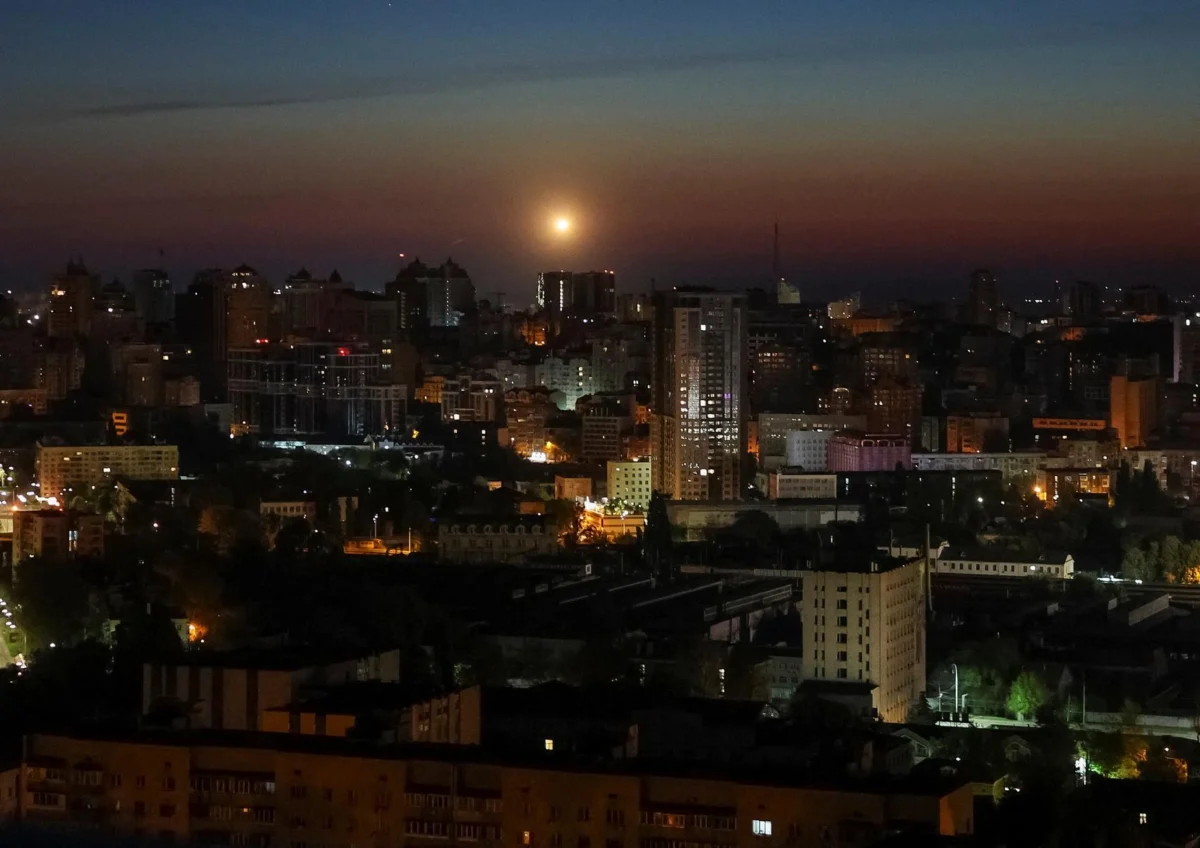
KYIV — The fragile silence that had briefly descended over the frontlines of the Russo-Ukrainian war shattered in the early hours of Tuesday, as Russia launched one of its most expansive aerial offensives in recent memory. The surge in violence, which saw over 200 drones deployed against Ukrainian territory, effectively marked the end of a three-day, U.S.-brokered ceasefire that had been tied to the anniversary of the Allied victory over Nazi Germany in World War II.
The resumption of hostilities has resulted in at least six confirmed civilian deaths and dozens of injuries, reigniting concerns about the stability of the region and the viability of international peace efforts championed by the administration of U.S. President Donald Trump.
The Collapse of the Truce: A Chronology of Escalation
The three-day pause in fighting, which concluded on Monday, was intended as a symbolic window for diplomacy. While U.S. officials and President Trump had expressed optimism late last week that the window could serve as a precursor to a longer-term cessation of hostilities, the reality on the ground told a different story.
Monday Night: The Final Hours of the Ceasefire
As the clock ticked toward midnight on Monday, Ukrainian Foreign Minister Andrii Sybiha confirmed that Kyiv had formally proposed an extension of the truce. However, Moscow remained silent on the proposal. Instead, as the ceasefire expired, the night sky over Ukraine was illuminated by a massive swarm of Russian-launched unmanned aerial vehicles (UAVs).
Tuesday Morning: The Barrage Begins
By dawn, the scale of the offensive became clear. Ukrainian officials reported that Russia had utilized more than 200 drones in a coordinated effort to overwhelm air defense systems. The strikes were not limited to the frontlines; they reached deep into the Ukrainian interior, targeting energy infrastructure, residential districts, and public services.
- 02:00 – 04:00 AM: Widespread drone activity reported across central and northern Ukraine.
- 05:30 AM: A devastating drone strike hits an apartment building in Kryvyi Rih, President Volodymyr Zelenskyy’s hometown.
- 07:00 AM: Aerial bomb strikes reported in the Dnipropetrovsk region, leading to immediate reports of civilian casualties.
- 09:00 AM: Reports emerge from the Mykolaiv region indicating damage to critical energy infrastructure, plunging parts of the area into darkness.
The Human Cost: Civilians in the Crosshairs
The strategic nature of the Russian assault—which prioritized civilian population centers—has drawn immediate condemnation from international observers.
In Kryvyi Rih, the regional governor, Oleksandr Hanzha, and the head of the military administration, Oleksandr Vilkul, detailed the horror of the morning. A drone impact on a residential apartment building claimed the lives of two people and left four others wounded. Among the injured was a nine-month-old girl who suffered the traumatic amputation of her leg. The brutality of the strike on a civilian building serves as a stark reminder of the toll the conflict continues to extract from non-combatants.
Northeast of Kryvyi Rih, an aerial bomb strike caused further devastation, killing four additional individuals and injuring three others.
The pattern of destruction extended across the country:
- Kyiv (Obolon District): Debris from a downed drone plummeted onto a 16-storey residential building, sparking a significant fire. Mayor Vitali Klitschko confirmed the structural damage and ongoing rescue efforts.
- Cherkasy, Zhytomyr, and Chernihiv: These regions reported widespread damage to infrastructure, with two people injured in the Cherkasy region alone.
- Dnipro and Kherson: Strikes on these key southern and central cities resulted in further injuries to the local population.
- Mykolaiv: Governor Vitaliy Kim reported that Russian drones successfully targeted energy facilities, leading to immediate and widespread blackouts.
Tactical Repercussions: Ukraine’s Long-Range Response
While Ukraine faced a barrage of drone strikes, President Zelenskyy signaled that Kyiv would not remain passive. In his nightly address, Zelenskyy confirmed that Ukrainian forces had launched a retaliatory strike against Russian energy facilities located in the central Orenburg region.
The strike, which occurred more than 1,500 kilometers from the Ukrainian border, represents a significant escalation in Ukraine’s deep-strike capabilities. By targeting industrial infrastructure deep within Russian territory, Kyiv is attempting to impose a cost on the Russian economy and fuel supply chain, mirroring the tactics currently being employed by Moscow against Ukrainian infrastructure.
Official Responses and Strategic Implications
The U.S. Stance and the Failure of Diplomacy
The ceasefire had been a centerpiece of the Trump administration’s "peace through strength" initiative. President Trump, who had expressed hope on Friday that the truce could be extended, has yet to issue a formal statement regarding the failure of the negotiations. However, the intensity of the Russian response suggests that the Kremlin was either uninterested in a lasting peace or sought to use the ceasefire to reposition forces for a more aggressive post-truce campaign.
Kyiv’s Defensive Pivot
President Zelenskyy has shifted his focus toward technological integration to counter the evolving threat of ballistic and cruise missiles. During his address on Tuesday, Zelenskyy revealed that Kyiv has initiated high-level consultations with 13 allied nations and NATO representatives. The primary goal of these discussions is the development and procurement of advanced defensive technologies capable of intercepting modern ballistic threats.
"We are working around the clock with our partners in Europe to harden our skies," Zelenskyy stated. "The technology exists, and we are accelerating the timeline for its deployment."
The Energy Infrastructure Crisis
The targeting of energy facilities remains a primary strategic objective for Russia. By hitting transformer stations and grid hubs in Mykolaiv and beyond, Moscow is attempting to destabilize Ukrainian morale and create a humanitarian crisis during the transition between seasons. The blackouts in Mykolaiv are just one manifestation of this "winterization" strategy, which aims to render urban centers uninhabitable.
Future Outlook: A Winter of Uncertainty
As the dust settles from Tuesday’s attacks, the geopolitical landscape appears bleaker than it did just 72 hours ago. The collapse of the ceasefire confirms that the "anniversary truce"—a period intended to honor the historical memory of World War II—failed to provide any lasting foundation for peace.
Military analysts suggest that the deployment of 200 drones in a single night indicates a high degree of stockpile readiness within the Russian military-industrial complex. This suggests that Moscow is prepared to sustain high-intensity aerial campaigns for the foreseeable future.
For Ukraine, the challenge is now two-fold: defending its civilian population from an increasingly aggressive air campaign and maintaining the political momentum with Western allies to secure the advanced air defense systems required to neutralize the threat.
As of Tuesday evening, the frontlines remain fluid, with both sides accusing the other of continued artillery and drone harassment. With the U.S.-mediated ceasefire now officially a relic of a failed diplomatic effort, the conflict appears poised for a new, more volatile phase. The international community watches closely, waiting to see if the recent escalation will trigger a shift in Western military aid or if the cycle of destruction will continue unabated into the coming months.
© Thomson Reuters 2026.











No comments yet. Be the first to join the conversation!