

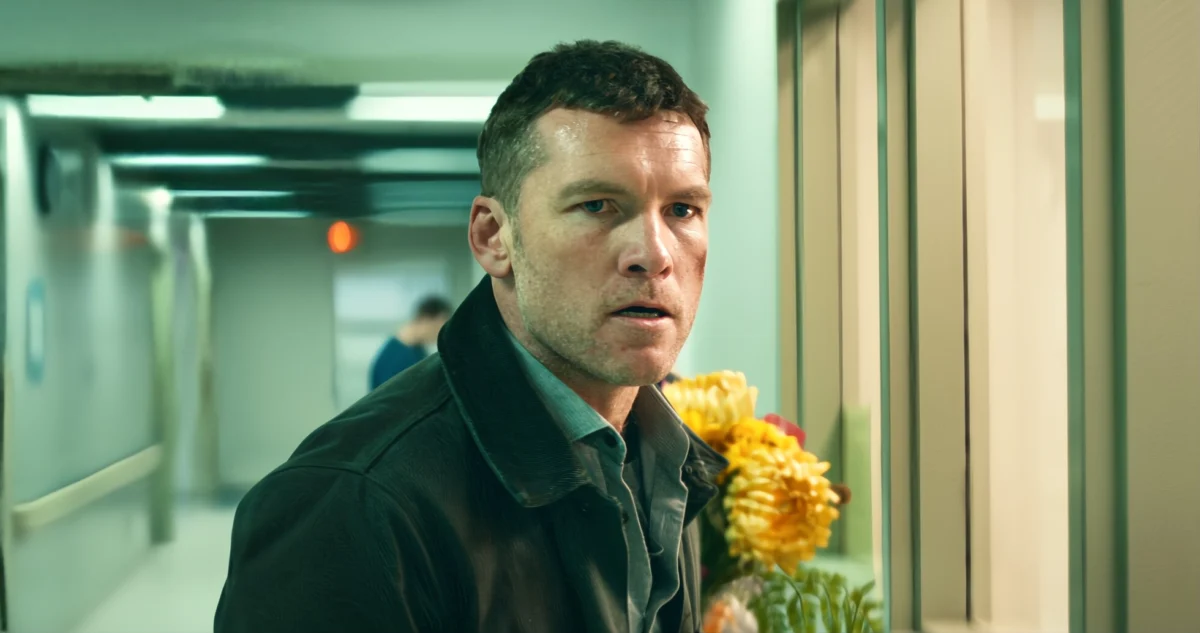
In the crowded landscape of streaming platforms, finding a film that manages to sustain genuine tension for its entire duration is a rare occurrence. While the late 2010s were a prolific era for high-concept psychological thrillers, few captured the suffocating, paranoia-fueled atmosphere of the genre quite like Brad Anderson’s Fractured. A hidden gem that often escapes the casual browser’s notice, Fractured is a masterclass in the "unreliable narrator" trope, forcing viewers to question not just the protagonist’s sanity, but the very nature of the reality presented on screen.
For those who missed this atmospheric descent into madness during its initial release, the film remains a "must-watch" on Netflix, offering a 99-minute experience that is as intellectually stimulating as it is pulse-pounding.
The Premise: A Nightmare in the Making
At the heart of Fractured is Ray Monroe, played with raw, jittery intensity by Sam Worthington. Ray is a man already stretched to his breaking point—an architect dealing with a failing marriage to his wife, Joanne (Lily Rabe), and the heavy emotional weight of a tense cross-country road trip with their young daughter, Peri.
The narrative hook is deceptively simple and universally terrifying: during a stop at a remote highway rest area, a minor accident occurs. Peri falls into a construction pit, suffering a broken arm and a potential head injury. A frantic Ray rushes his family to a nearby, isolated hospital.
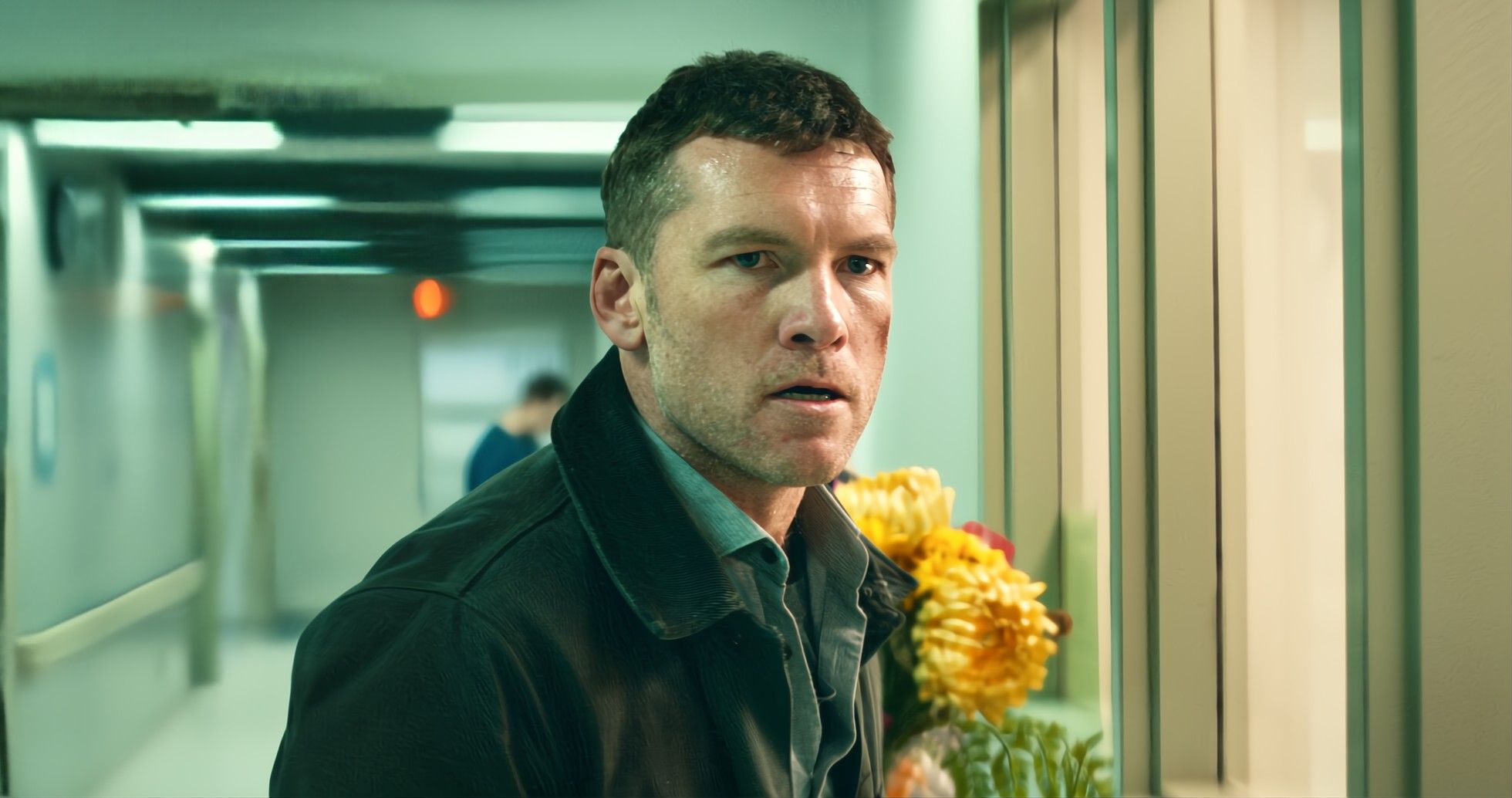
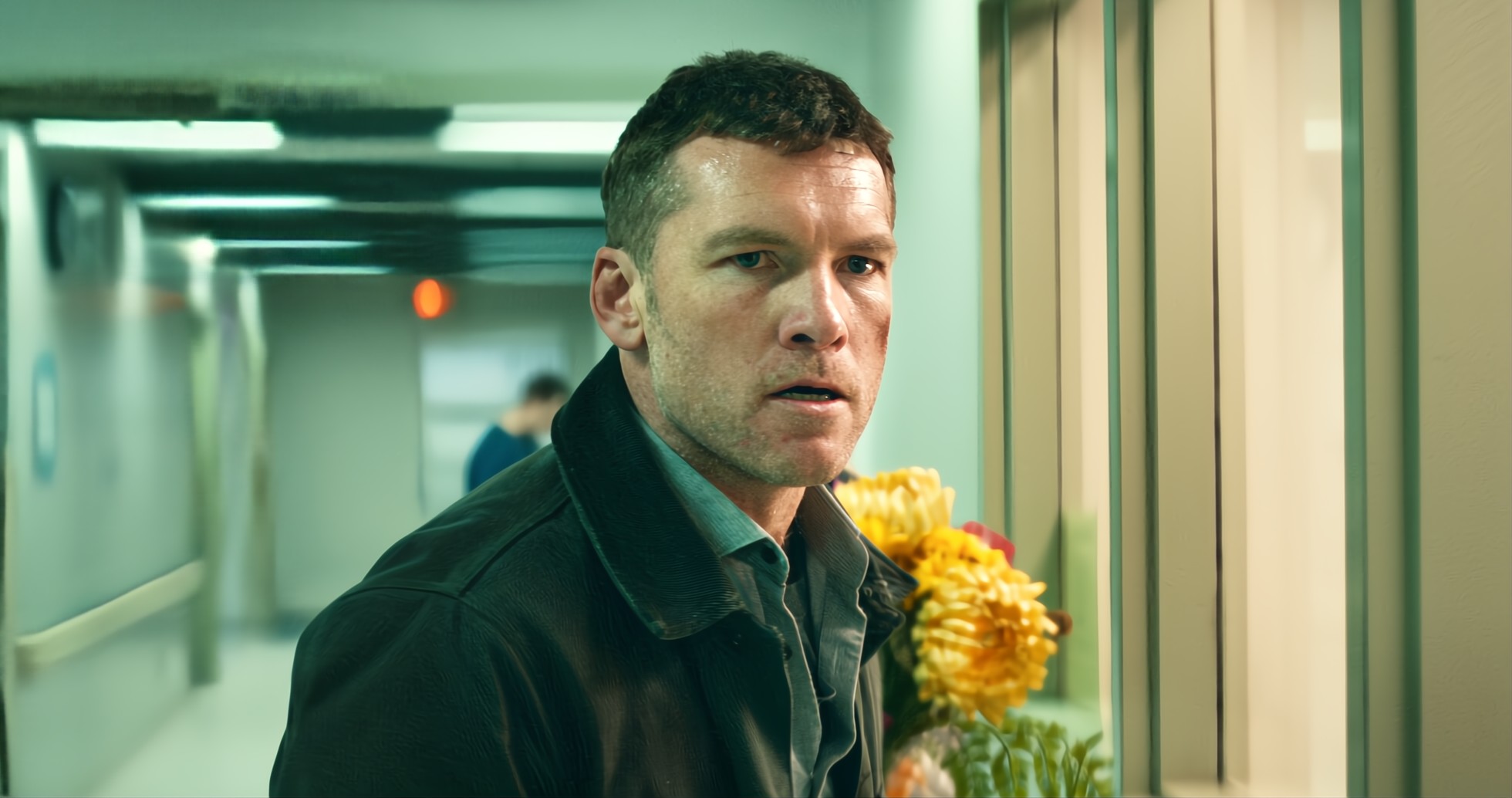
The inciting incident of the mystery begins when Ray, exhausted from the stress of the day, falls asleep in the waiting room while his family is taken for a CT scan in the basement. When he awakens, the nightmare begins in earnest. The staff has no record of his family’s admission. The doctors claim he arrived alone. Security becomes increasingly hostile, and the hospital itself begins to feel like a labyrinthine cage. Ray is forced to confront an agonizing question: Is there a sprawling, sinister conspiracy hiding in the basement, or is he suffering from a psychological break?
Chronology of a Breakdown
To understand the effectiveness of Fractured, one must look at how director Brad Anderson (known for the cult classics Session 9 and The Machinist) builds the narrative.
- The Calm Before: The film opens with mundane stressors—the bickering of a strained marriage and the boredom of a long drive. This establishes a "normal" that quickly dissolves, making the subsequent chaos feel more grounded and visceral.
- The Disappearance: The transition from the waiting room to the "disappearance" is paced to perfection. Anderson uses the sterile, cold lighting of the hospital to contrast with the warm, chaotic interior of the family car, isolating Ray in a space that feels increasingly alien.
- The Investigation: As Ray begins to "tear the building apart," the audience is taken on a ride that feels like a classic noir-thriller. Every clue Ray finds is immediately challenged by the hospital staff, creating a "gaslighting" effect that keeps the audience in a state of constant doubt.
- The Climax: Without spoiling the final twist, the resolution of Fractured is one of the most debated and effective endings of its genre. It pivots the entire film, forcing the audience to re-evaluate every scene that preceded it.
The Anatomy of the Psychological Thriller
Fractured succeeds because it adheres to the rules of the genre while subverting audience expectations. Psychological thrillers rely on a delicate balance: the viewer must be invested in the protagonist’s survival while simultaneously harboring deep suspicion regarding their perception of the truth.
The Role of the Unreliable Narrator
The "unreliable narrator" is a staple of psychological suspense, but it is difficult to execute without feeling like a "gotcha" moment. In Fractured, the device works because Sam Worthington’s performance is anchored in genuine grief and desperation. The viewer wants to believe him, which makes the moments where the narrative cracks even more painful.
The Setting as a Character
The hospital serves as the antagonist. It is cold, brutalist, and confusing—a maze of long, dimly lit corridors and locked doors. By keeping the action contained within this single location, the film creates a sense of claustrophobia that mimics Ray’s own mental state.
Supporting Data: Why ‘Fractured’ Resonates
While Fractured was a sleeper hit, its success is reflected in its lasting legacy on streaming algorithms and audience engagement. Netflix has consistently kept the film in its library because of its high "rewatchability factor."
- Critical Reception: Critics praised the film for its stylistic homage to Alfred Hitchcock and M. Night Shyamalan, noting that while the premise might seem familiar, the execution elevates it beyond a standard "B-movie" thriller.
- Audience Engagement: On platforms like Letterboxd and IMDB, Fractured is frequently cited in lists regarding "Best Twist Endings" and "Most Underrated Netflix Originals." The film’s 99-minute runtime is often highlighted as a major benefit, as it avoids the "bloat" that plagues many modern streaming films.
Official Responses and Creative Intent
Director Brad Anderson has spoken in various interviews about his affinity for "the dark side of the human psyche." In Fractured, he intended to explore the fragility of the human mind under extreme trauma.
"The film isn’t just about a mystery," Anderson noted in a production commentary. "It’s about the lengths a person will go to in order to protect their own reality when that reality becomes too painful to accept."
Sam Worthington’s approach to the character of Ray was equally deliberate. He avoided playing Ray as a "hero" in the traditional sense, instead focusing on the character’s erratic, almost animalistic drive to recover his family. By emphasizing Ray’s desperation over his logic, Worthington ensured that the audience’s empathy remained with him, even when his actions became increasingly questionable.
The Implications of the Film’s Ending
The ending of Fractured offers a profound commentary on the nature of trauma and the human capacity for self-deception. It suggests that, in the face of insurmountable tragedy, the mind is capable of creating an elaborate, alternate reality to shield itself from a truth that is simply too horrific to process.
This makes the film more than just a suspenseful watch; it becomes a meditation on mental health and the coping mechanisms we develop. The "fracture" in the title is not just a reference to the daughter’s arm, but to the protagonist’s psyche.
Why You Should Stream ‘Fractured’ Today
If you are looking for a film that demands your full attention, Fractured is the perfect candidate. It is a slow-burn descent that rewards the patient viewer.
To maximize the experience, we recommend the following:
- Go in blind: Avoid reading detailed synopses that go beyond the premise. The less you know about the specific turns of the plot, the more effective the eventual reveal will be.
- Turn off the lights: The film’s atmosphere is built on shadows and cold tones. A dark environment will help you lose yourself in the claustrophobic setting of the hospital.
- Pay attention to the background details: Like all great psychological thrillers, the clues are often hidden in plain sight. Keep an eye on the interactions between the hospital staff and Ray; their reactions to his erratic behavior are often more telling than the dialogue itself.
Ultimately, Fractured is a testament to the power of a well-told, tight, and character-driven story. It proves that you don’t need a massive budget or an endless runtime to create a memorable cinematic experience. All you need is a compelling mystery, a committed lead performance, and a willingness to walk the audience right up to the edge of madness—and then push them over.
Available now on Netflix, Fractured remains a top-tier recommendation for any fan of the psychological thriller genre. It is an unsettling, brilliant, and deeply satisfying journey that will leave you questioning what is real long after the credits roll.












No comments yet. Be the first to join the conversation!