


By Alfredo Federico Robelo | May 13, 2026
Humor is perhaps the most subjective facet of the human experience. It is a cultural fingerprint, shaped by geography, generational zeitgeist, and the individual’s own capacity for empathy—or lack thereof. While broad slapstick and lighthearted rom-coms have their place in the cinematic pantheon, there exists a unique, polarizing subgenre that treats discomfort not as a byproduct of the plot, but as the engine of the narrative itself. These are the "cringe-comedies" or "dark satires" that force audiences to teeter on the precipice between a hearty laugh and a visceral grimace.

For the adventurous cinephile, these films serve as a masterclass in social friction. They are not "bad" movies; rather, they are films that demand an acquired taste, requiring the viewer to lean into the unease. If you are looking to challenge your preconceptions of what is "funny," this list serves as your guide to the most brilliantly uncomfortable comedies ever committed to celluloid.
The Psychology of Discomfort: Why We Laugh at Pain
The phenomenon of the "uncomfortable comedy" is rooted in the psychological concept of social transgression. When we watch a character on screen navigate a situation of extreme embarrassment, our brains process a conflict between the absurdity of the scene and the reality of the social stakes. When the tension peaks, the release—laughter—is often a defense mechanism.

These films do not merely tell jokes; they place characters in traps where social norms are dismantled. From the obsessive nature of celebrity worship to the moral degradation of the suburban middle class, these films hold a mirror to our own fears of being "the person who ruins the party."
A Chronology of Cringe: Key Cinematic Milestones
The evolution of uncomfortable cinema spans decades, shifting from the psychological dark satires of the late 20th century to the guerrilla-style reality-bending of the 2000s.
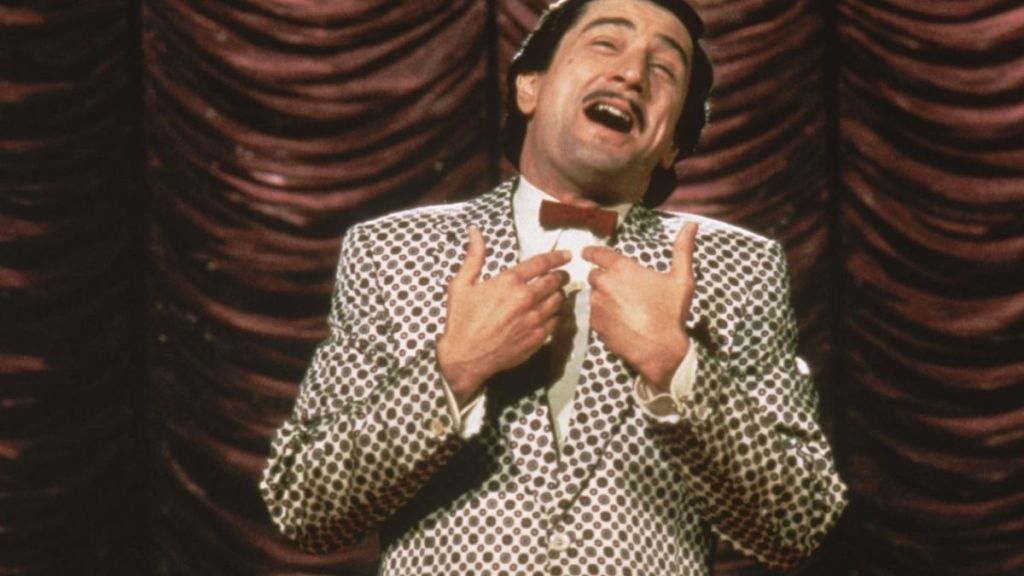
1. The Scorsese Shift: The King of Comedy (1982) and After Hours (1985)
Martin Scorsese, often associated with the gritty violence of the mob genre, proved early on that he was a master of the "social death" narrative. The King of Comedy is a haunting look at celebrity obsession. Robert De Niro’s Rupert Pupkin is not a villain in the traditional sense; he is a man so socially inept that his every interaction becomes an exercise in agony. Following this, After Hours trapped its protagonist in a surreal, one-night nightmare of urban anxiety, proving that comedy could be as stressful as a thriller.
2. The Era of the "Indie" Social Horror: Happiness (1998)
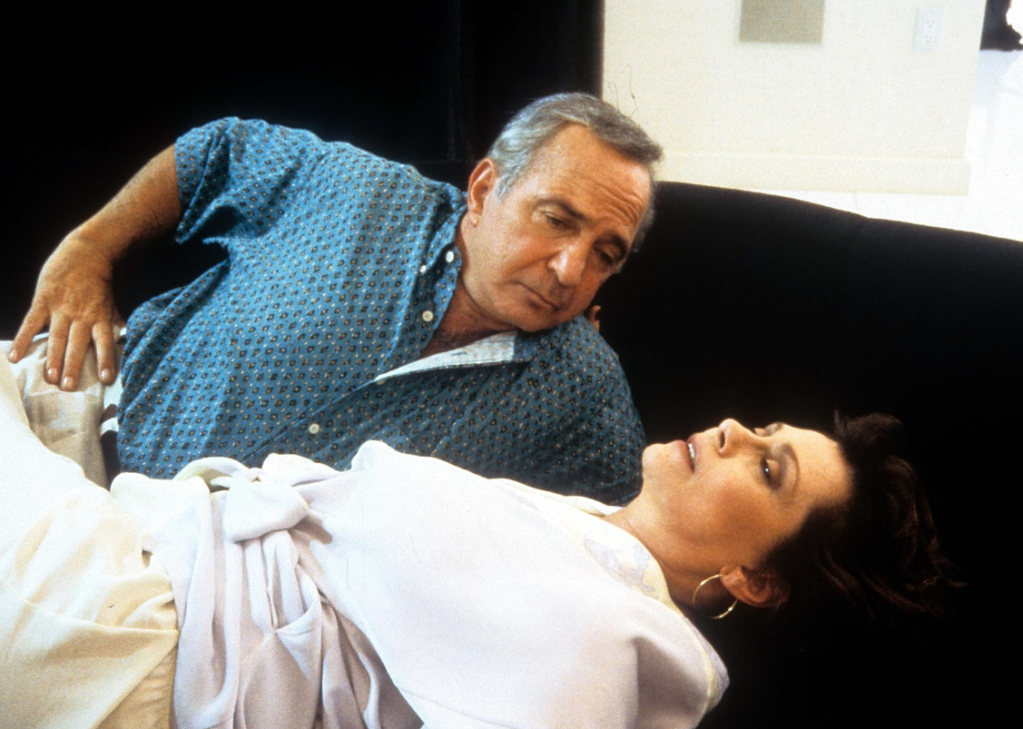
Todd Solondz’s Happiness remains a watershed moment for dark comedy. It dared to explore the darkest corners of human neurosis with a detached, clinical gaze. By forcing viewers to engage with deeply disturbing personal secrets, Solondz turned the comedy genre into a psychological litmus test.
3. The New Millennium: Escalating Embarrassment
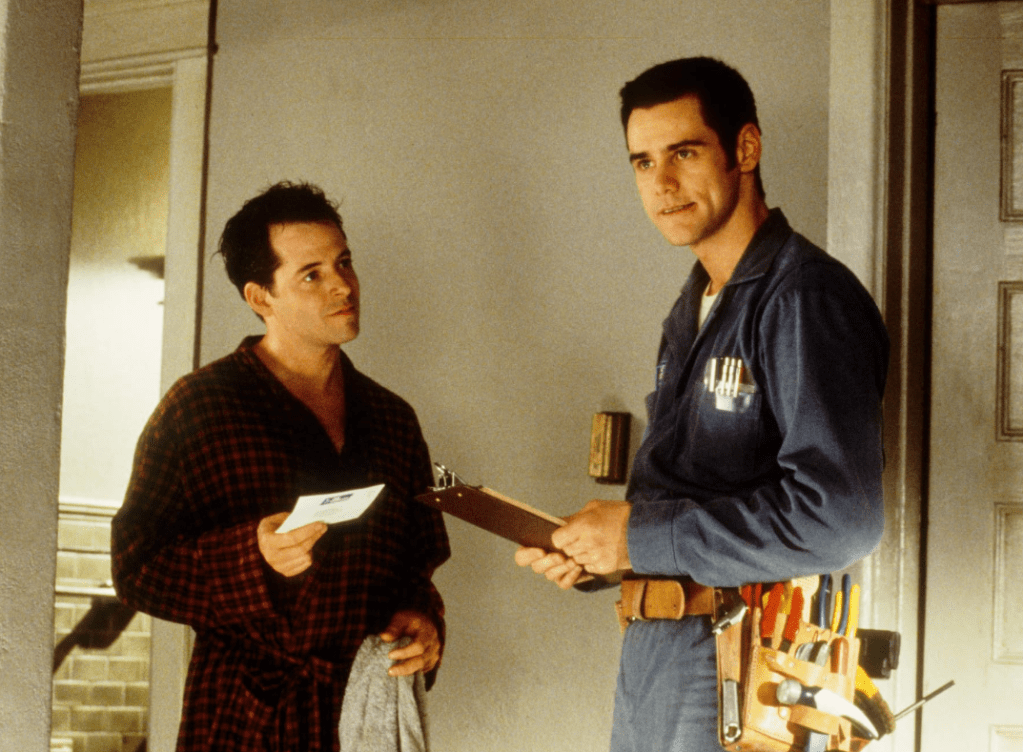
The early 2000s saw the mainstream adoption of "secondhand embarrassment." Films like Meet the Parents (2000) refined the formula of the "escalating lie," where the protagonist’s attempts to fix a problem only dig a deeper, more humiliating hole. This era also saw Jim Carrey depart from his high-energy persona in The Cable Guy (1996), delivering a performance that was less "funny" and more "predatory," leaving audiences unsettled by his character’s desperate need for connection.
Supporting Data: Examining the "Cringe" Factor
To understand why these films hold such a high reputation, we must look at the specific mechanisms they employ to maximize audience discomfort:
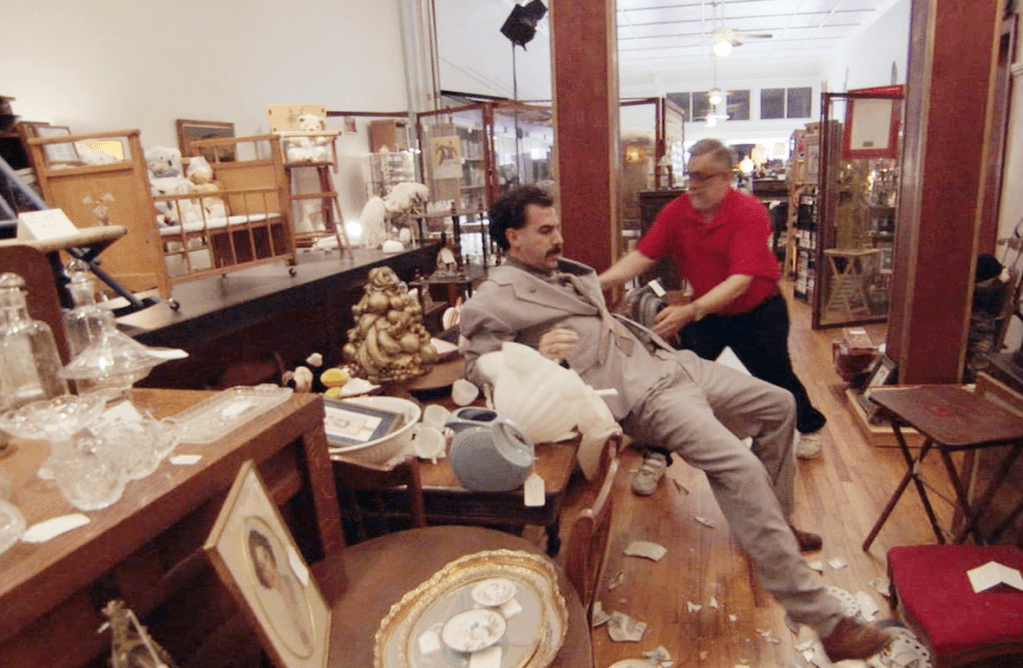
- The Reality Gap: In films like Borat, the discomfort is real because the bystanders are not actors. They are reacting to a genuine social violation, creating a meta-layer of tension that standard scripted films cannot replicate.
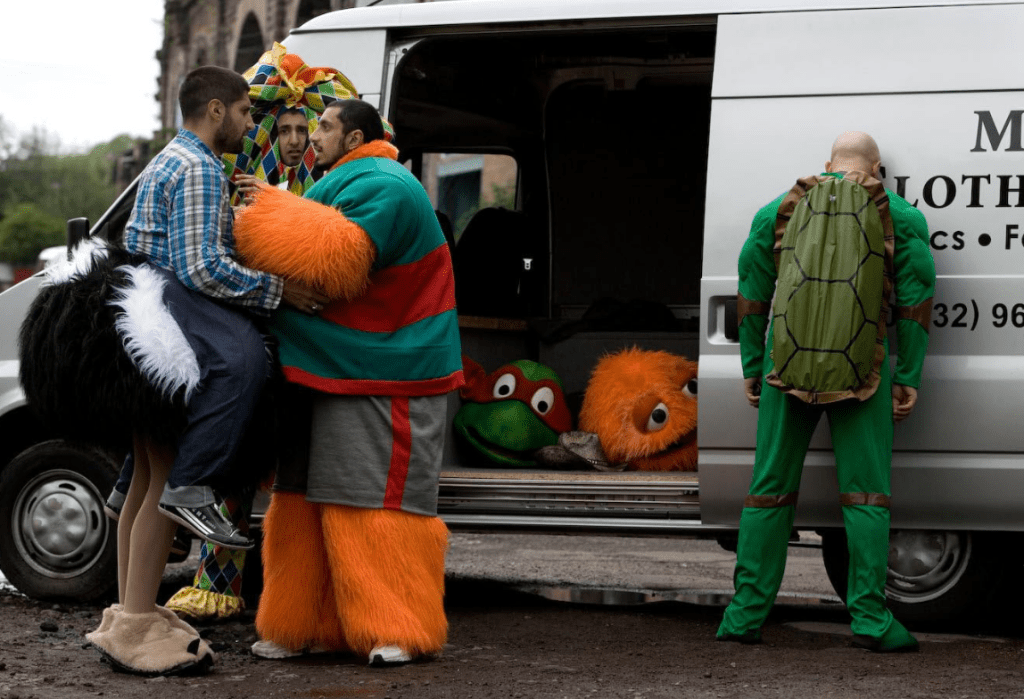
- The Moral Vacuum: Four Lions represents a subgenre that thrives on "impossible" subject matter. By finding the absurdity in the extreme—in this case, domestic terrorism—it forces the viewer to reconcile their moral outrage with the sheer incompetence of the characters.
- The Breakdown of Norms: In The Lobster, the discomfort is systemic. The film creates a world where social expectations are so rigid and bizarre that the characters’ adherence to them becomes a source of existential dread.
Official Responses and Critical Reception
Critics have long been divided on the merits of "uncomfortable" cinema. During the release of films like Very Bad Things (1998) and Observe and Report (2009), many mainstream reviewers struggled to categorize the tone.
- On Observe and Report: While marketed as a comedic romp in the vein of a mall-cop flick, its descent into genuine mental instability and unchecked aggression left many critics cold. However, in retrospect, it is viewed as a brave subversion of the "lovable loser" trope.
- On World’s Greatest Dad: Robin Williams’ performance was widely praised for its bravery. The film’s refusal to provide a cathartic release for the protagonist’s grief highlighted the thin line between tragedy and dark comedy.
- On Death at a Funeral: This film serves as a reminder that chaos is the ultimate equalizer. By placing a cast in the most somber setting imaginable—a funeral—the film uses the pressure of propriety to make every outburst exponentially more uncomfortable.
The Implications: Why We Need Uncomfortable Art
The persistence of these films in our cultural dialogue speaks to a fundamental human need: we want to be challenged. Mainstream comedy provides comfort; uncomfortable comedy provides catharsis.

The "Election" Effect
Alexander Payne’s Election is perhaps the most perfect example of how discomfort serves the narrative. The rivalry between Tracy Flick and Jim McAllister is petty, high-stakes, and deeply human. By stripping away the glamour of school politics, the film forces us to confront our own petty vendettas. It is not just a comedy; it is a political documentary masked as a high school satire.
The Heartbreak Kid and the Reality of Cruelty
The remake of The Heartbreak Kid serves as a warning against the "rom-com" standard. It suggests that, sometimes, people make irredeemable choices in relationships. By refusing to soften the edges of its protagonist, the film creates a sense of awkward realism that feels more "honest" than the polished endings of traditional studio films.
Conclusion: Embracing the Grimace
Whether it is the bizarre dating rules of The Lobster or the spiraling paranoia of a bachelor party gone wrong in Very Bad Things, these fifteen films stand as monuments to the power of the "awkward moment." They are designed to provoke, to test, and ultimately, to make us laugh in spite of ourselves.
If you find yourself turning away from the screen, covering your eyes, or checking the clock—congratulations. You are experiencing the intended effect of these films. They are not designed for easy consumption; they are designed to remind us that life, much like art, is often messy, cruel, and profoundly, painfully funny.
The "Must-Watch" List for the Brave:
- The King of Comedy – Obsession at its most unbearable.
- Happiness – A deep dive into the darkest human neuroses.
- Borat – Reality-bending social satire.
- Meet the Parents – The definitive manual on secondhand embarrassment.
- The Cable Guy – A dark, haunting turn for a comedy icon.
- Four Lions – Terrorism turned into a tragicomic farce.
- Observe and Report – A gritty look at the fragile ego.
- The Heartbreak Kid – A masterclass in relationship cruelty.
- Very Bad Things – When a party turns into a moral catastrophe.
- Election – High-stakes petty politics.
- After Hours – The ultimate urban social nightmare.
- The Lobster – A surreal take on societal pressure.
- World’s Greatest Dad – Grief and hypocrisy in perfect tension.
- Death at a Funeral – Propriety vs. total social collapse.
- [Wildcard Selection] – Any film that makes you feel like you need to leave the room.
The next time you reach for a movie to unwind, consider stepping out of your comfort zone. You might find that the best way to laugh is to let yourself be just a little bit uncomfortable.











No comments yet. Be the first to join the conversation!