Sagoh
Sagoh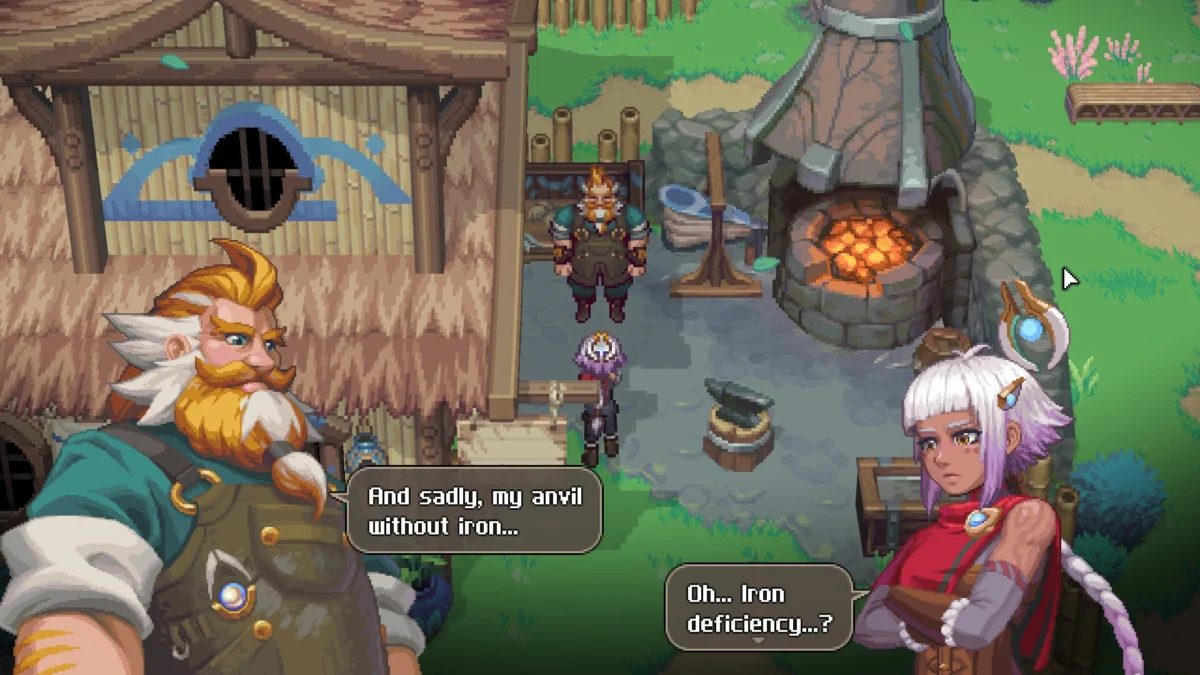
In the relentless churn of the modern gaming industry, where "new" is often synonymous with "obsolete" by the following Tuesday, it takes a rare title to cut through the noise. Radical Fish Games, the studio responsible for the critically acclaimed CrossCode—a genre-defining love letter to the golden era of top-down action RPGs—has returned. Their latest project, Alabaster Dawn, quietly entered Steam Early Access on May 7th, and it is already shaping up to be one of the most compelling experiences of the year.
While the gaming press often fixates on the "next big thing," Alabaster Dawn demands a pause. It is a vibrant, mechanically dense, and aesthetically breathtaking action RPG that proves sprite-based animation still has a seat at the table of visual excellence.
The Core Premise: A World Reclaimed by the Nyx
The narrative backdrop of Alabaster Dawn is one of cataclysm and hubris. The game takes place in a world shattered by the "Curse of Nyx," an invasive, chitinous force that bears more than a passing resemblance to the biological horror of StarCraft’s Zerg. The lore establishes that the gods, in a rare moment of benevolence, gifted a cohort of "Chosen" warriors with the power to repel this scourge.
However, in a twist of divine cruelty, the gods retracted these gifts at the eleventh hour, during the very battle meant to decide the fate of humanity. The result was the total annihilation of the Chosen. Enter Juno, the game’s protagonist. A bright-eyed, exiled member of the order who was dismissed before the climactic catastrophe, she awakens in a magic sarcophagus to a world transformed into a graveyard of pink and purple chitin.
The task ahead is monumental: restore the remnants of humanity, rebuild shattered settlements, and confront the remnants of the Nyx. It is a classic "lone survivor" setup, but one elevated by the studio’s signature knack for sharp, self-referential humor and deeply human characterization.
The Evolution of the Radical Fish Style
Radical Fish Games earned its reputation with CrossCode, which was celebrated for its 117-hour potential and intricate, top-down 16-bit aesthetic. With Alabaster Dawn, the developers have pivoted to a 2.5D perspective. This shift is not merely stylistic; it fundamentally changes the nature of exploration.
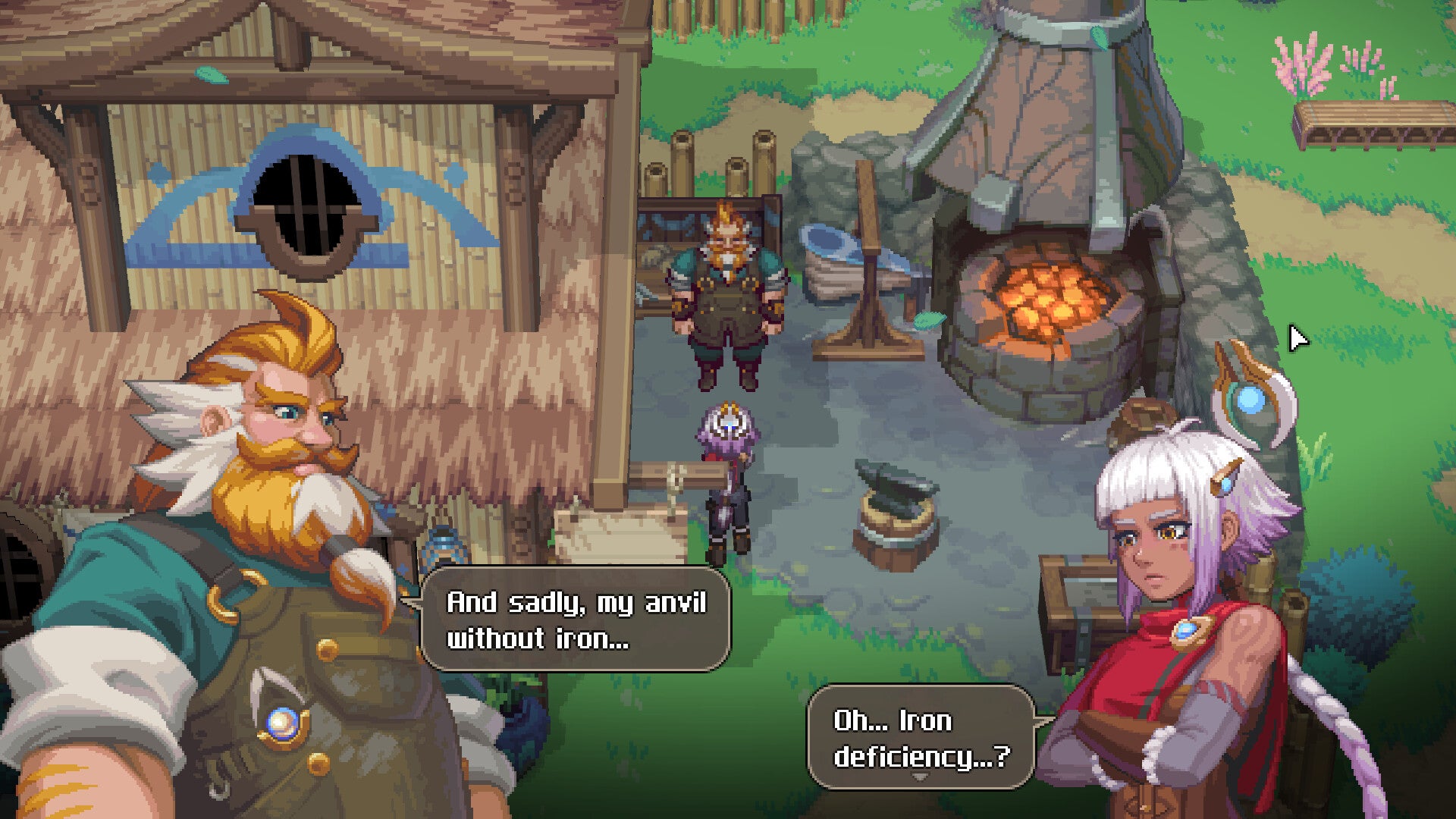
The world is now layered, offering organic-feeling, vertical playspaces that reward curiosity. The sprite art is arguably the finest the studio has ever produced. In an era where many developers rely on high-fidelity, ray-traced skin pores and "greasy" character models to convey emotion, Alabaster Dawn opts for the expressive, fluid charm of traditional sprite work. The nuanced emoting of the characters is a testament to the fact that artistry—not raw polygon count—is what breathes life into a digital world.
The environmental design is equally striking. During the opening sequence, players witness meteors descending upon the world. The way the terrain reacts, with leaves and debris flurrying in the gale-force winds of the impact, showcases a commitment to atmosphere that few modern indie titles can match.
Mechanical Depth: A Symphony of Steel
At its heart, Alabaster Dawn is an action game, and it wears its influences on its sleeve. The combat system draws clear inspiration from the high-octane fluidity of Devil May Cry and the accessible, rhythmic satisfaction of Kingdom Hearts.
The game features an array of eight distinct weapons, with a dual-wielding system that allows players to equip two at a time. This creates a foundation for deep, tactical experimentation. Each weapon comes with its own skill tree, allowing for a progression of combos and super moves that evolve as the player grows stronger.
The combat feels punchy and responsive. While it may not reinvent the action-RPG wheel, it executes the fundamentals with a level of polish that makes every encounter feel rewarding. It is a system built on tight feedback loops: you strike, you dodge, you unleash a super, and you are rewarded with a satisfying kinetic response from the enemy.
The Meta-Narrative and Off-Beat Writing
One of the most endearing qualities of CrossCode was its ability to critique the tropes of the MMORPG genre while simultaneously celebrating them. Alabaster Dawn continues this tradition of meta-commentary.
Early in the game, Juno encounters the classic action-RPG trope of breaking a glowing green flower to restore health. Rather than ignoring the absurdity of such a mechanic, the game acknowledges it through dialogue. When Juno expresses confusion, the script leans into the "it’s just pretty" justification, poking fun at the illogical conventions that players have accepted for decades. This self-referential humor keeps the game grounded and provides a necessary levity to the grim, post-apocalyptic narrative.
Roadmap and Development Scope
Radical Fish Games has been transparent about the trajectory of the project. The current Early Access build is robust, offering roughly 6 to 10 hours of gameplay and covering the first half of the second chapter. For those who want more, the developers have included a roguelite mode to extend the replayability of the current build.
However, this is just the beginning. The roadmap for Alabaster Dawn is extensive:
- Planned Duration: The developers estimate the game will remain in Early Access for approximately two years.
- Content Goals: The final release is projected to include a complete story arc spanning seven chapters.
- Total Playtime: The full experience is expected to clock in at roughly 40 hours of content.
This ambitious scope suggests that the developers are not merely porting a finished idea to Steam, but are actively engaging in an iterative process to refine the combat, expand the narrative, and balance the progression systems based on player feedback.
Why This Matters: The Importance of the "Demo" Culture
Perhaps the most commendable aspect of the Alabaster Dawn launch is that it remains accessible via a demo. In a market where publishers are increasingly hesitant to let players "try before they buy," Radical Fish Games is doubling down on the confidence of their design.
For the average player, the ability to engage with a 30-minute slice of the game provides a clear window into the quality of the animation, the feel of the combat, and the tone of the writing. It is a "Valiant Stand against Inconstant Fashion"—a refusal to rely on hype and trailers alone, and instead inviting the audience to judge the game on its own merits.
Implications for the Future of Indie RPGs
Alabaster Dawn serves as a case study for how independent studios can thrive by doubling down on their strengths. Radical Fish Games is not attempting to compete with massive, triple-A studios on graphical fidelity or open-world scale. Instead, they are playing to their specific expertise: tight, responsive combat, evocative art styles, and writing that respects the intelligence of the player.
If the first two chapters are any indication, Alabaster Dawn will likely join the ranks of its predecessor as a cult classic. By prioritizing the "feel" of the game over the trends of the moment, the studio is cultivating a loyal fanbase that values substance over spectacle.
For those weary of the endless, bloated, and often soulless titles that dominate the current gaming landscape, Alabaster Dawn offers a refreshing alternative. It is a game that knows exactly what it wants to be, and it is executing that vision with remarkable precision. Whether or not you decide to dive into Early Access now or wait for the full 40-hour release, this is a title that deserves to be on every RPG enthusiast’s radar.
As the development continues, the primary challenge for Radical Fish Games will be maintaining the high standard of writing and combat variety across the planned seven chapters. However, given their track record with CrossCode, there is every reason to be optimistic. Alabaster Dawn is not just a game; it is an evolution of a studio’s voice, and for those who appreciate the craft of action RPGs, it is a journey well worth taking.


 Asro
Asro
 Muslim