

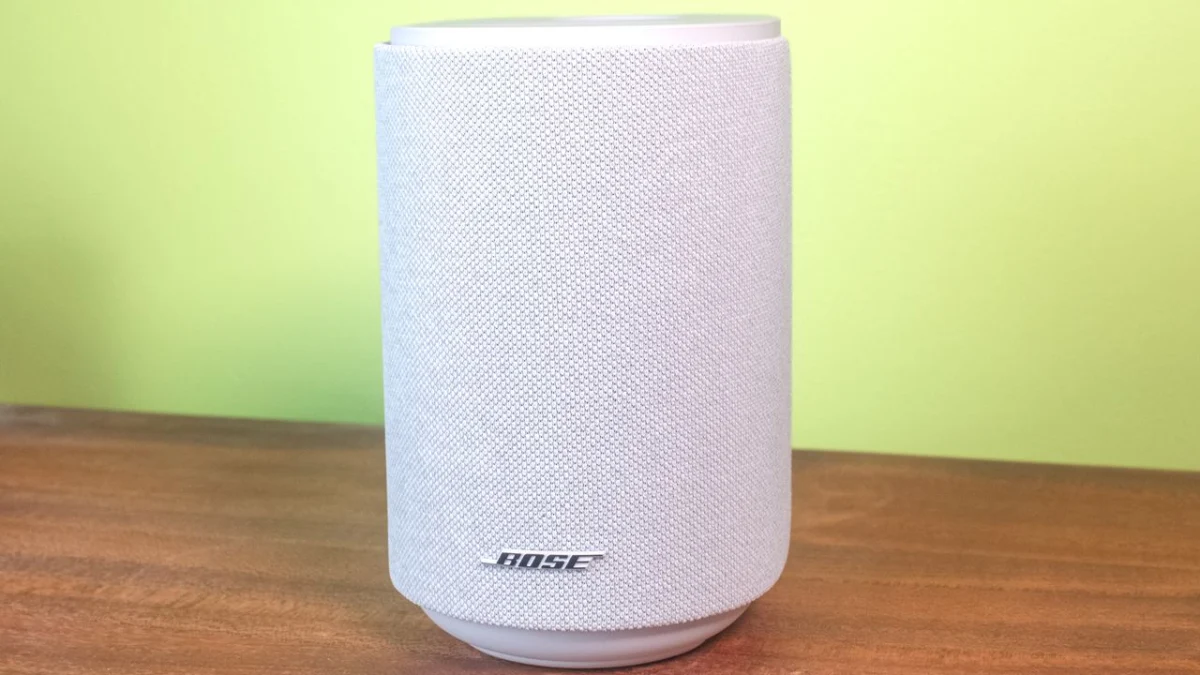
After years of dominating the premium headphone and home cinema segments, Bose has finally entered the high-end, standalone smart speaker arena with the release of the Bose Lifestyle Ultra. While the company has long been synonymous with high-fidelity sound, the shift to a compact, "all-in-one" smart home format is a significant strategic pivot.
After a week of rigorous testing, it is clear that the Lifestyle Ultra is a masterclass in audio engineering that struggles to justify its premium price tag when compared to more feature-rich competitors. While it sounds undeniably fantastic, the omission of key modern features—most notably spatial audio and automated room calibration—places it in a precarious position against the industry leaders.
Main Facts: The New Standard for Bose Fidelity
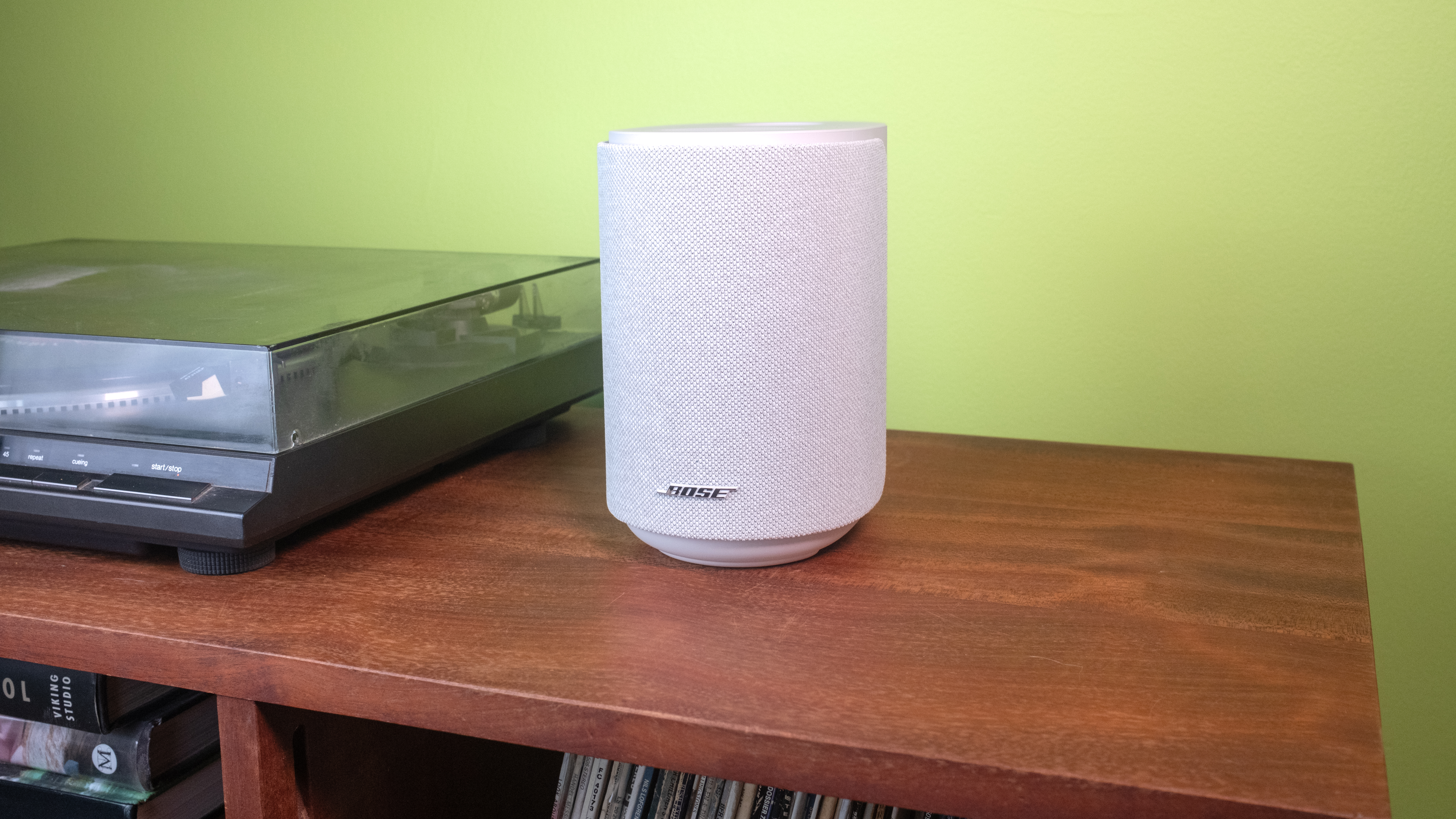
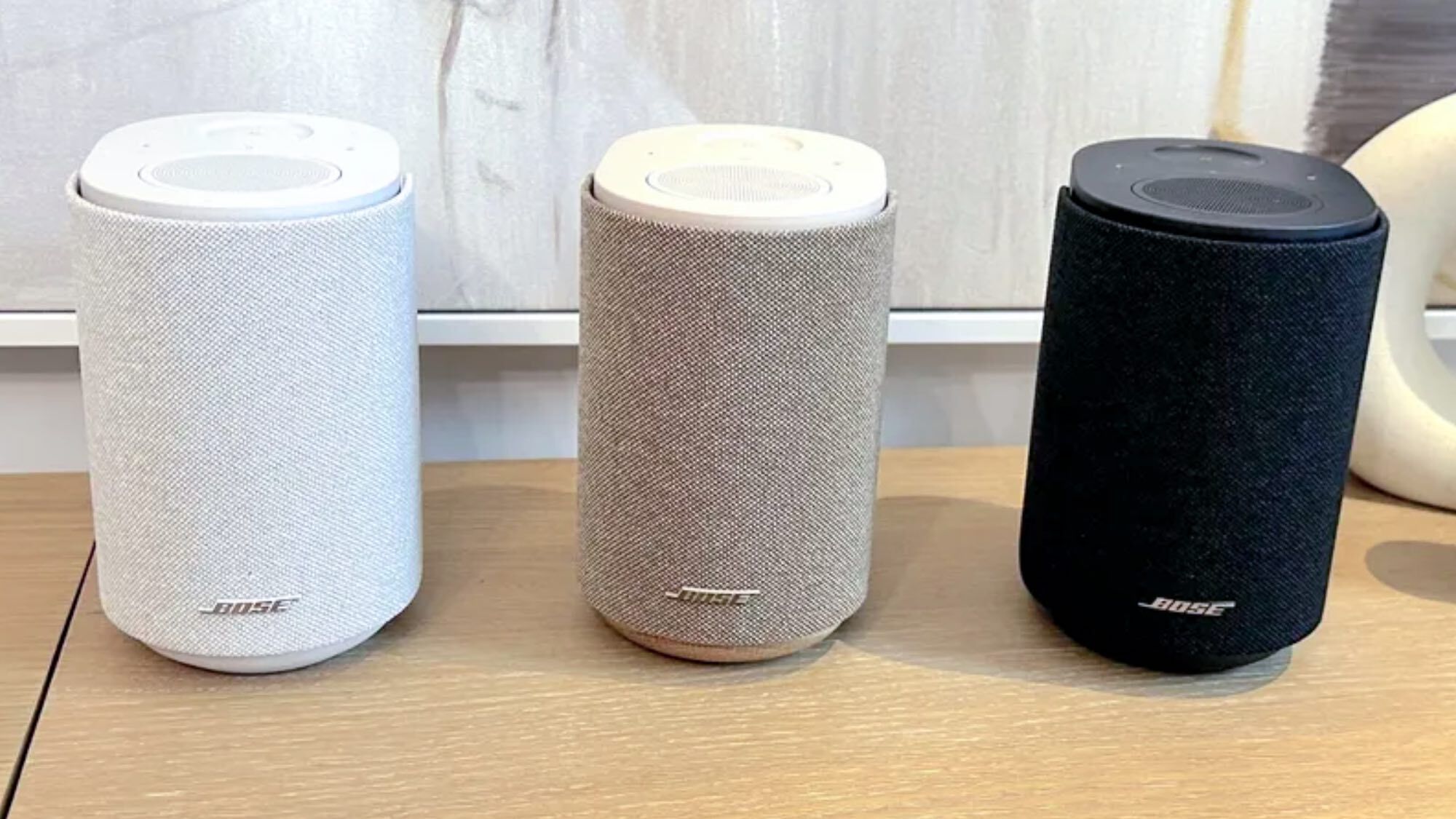
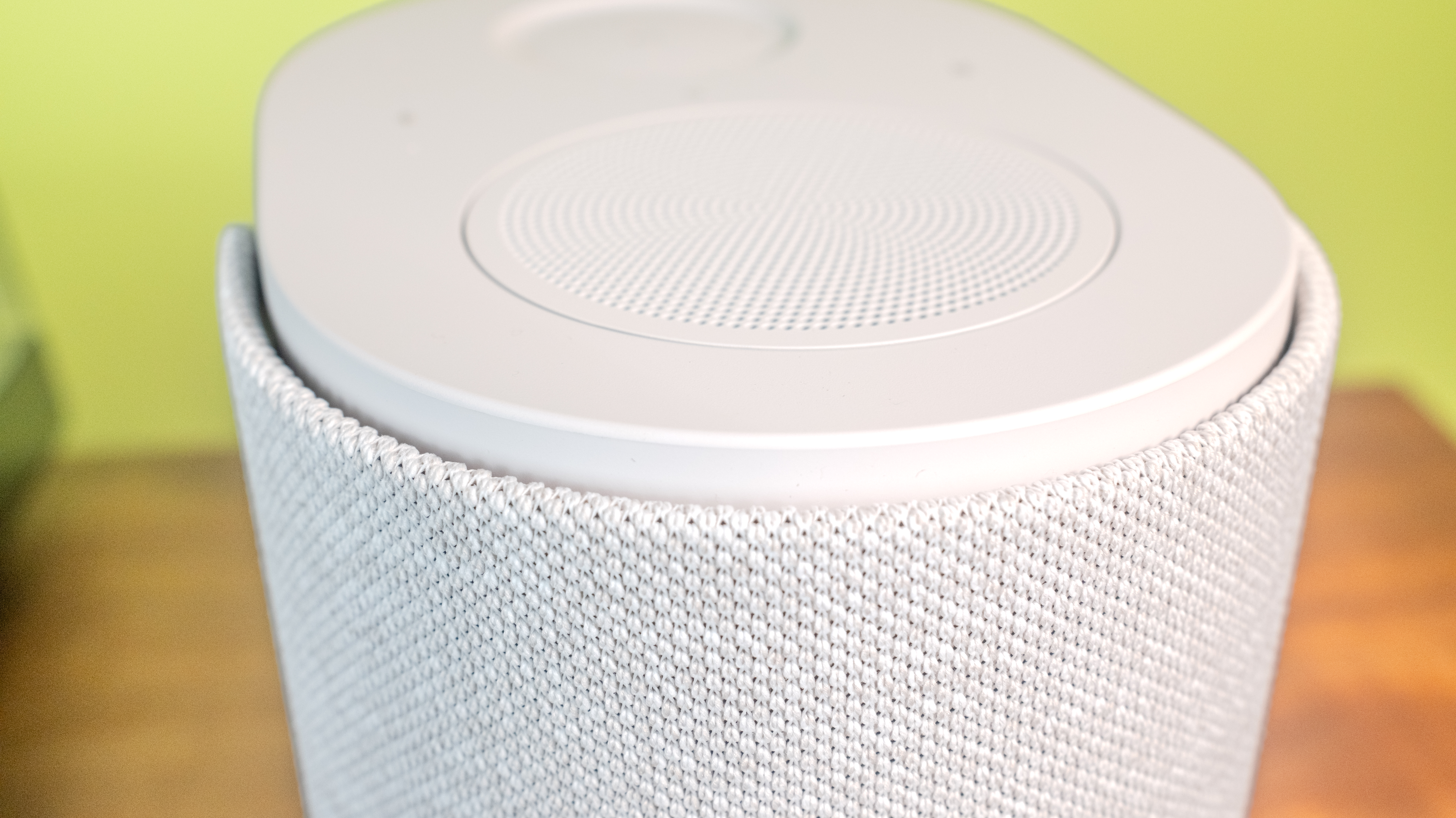
The Bose Lifestyle Ultra officially launched on May 5, 2026. Priced at $299 for the standard black or white finishes, it positions itself firmly in the "premium" tier, matching the entry price of the Apple HomePod 2 and the Amazon Echo Studio. For those seeking a more sophisticated aesthetic, a limited-edition Sandstone variant is available for $349, featuring a distinct white oak base that blends seamlessly into modern interior design.
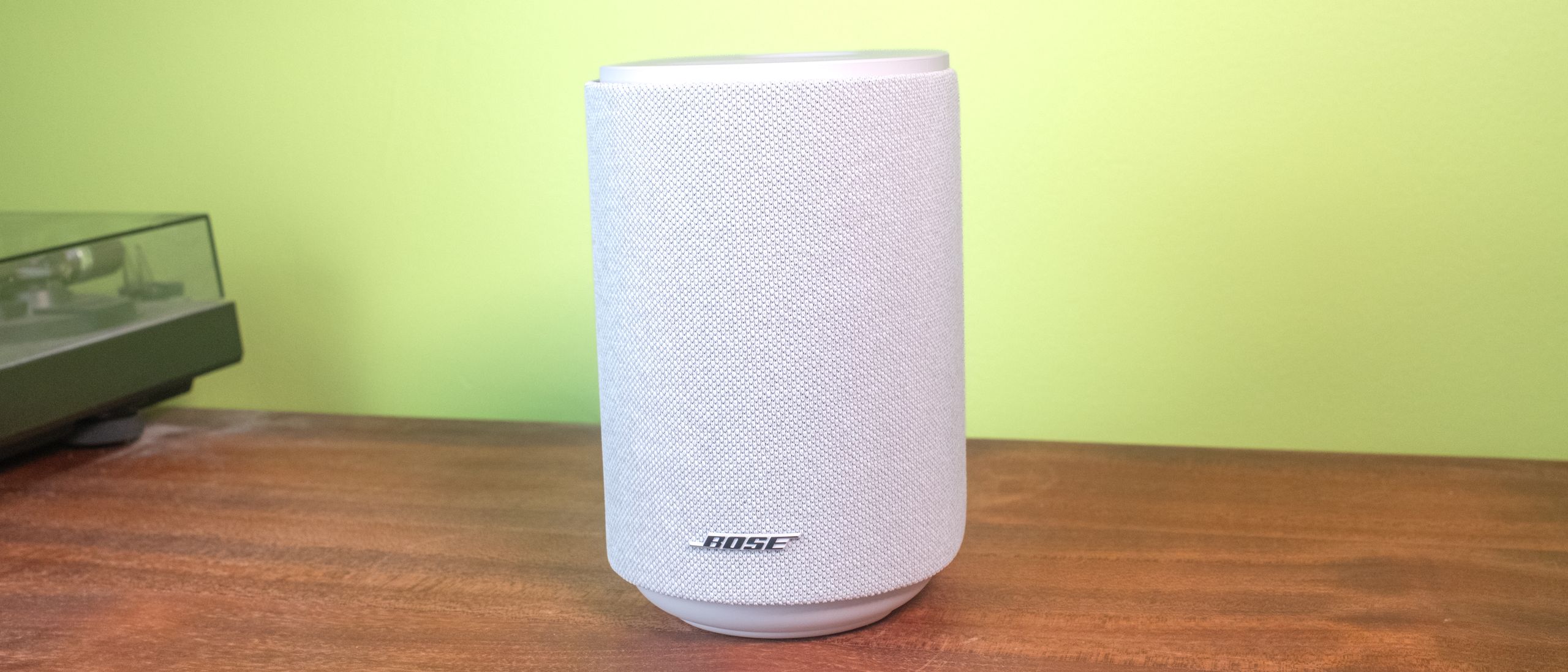
Under the hood, the speaker features a sophisticated three-driver array: a 3-inch main driver, a 1-inch tweeter, and a 1.5-inch upward-firing "twiddler." This hardware is supported by cutting-edge connectivity, including Wi-Fi 6 and Bluetooth 5.3. Notably, for the analog purist, Bose has retained a 3.5mm auxiliary input, allowing users to plug in a turntable or external high-resolution audio player—a rarity in today’s wireless-only market.
Chronology: The Long Road to the Smart Speaker
Bose’s entry into the smart speaker space has been a slow, calculated process. For years, the company focused on its "Lifestyle" home theater systems and its industry-leading QuietComfort headphones. While competitors like Sonos and Apple were iterating on their second and third generations of smart speakers, Bose remained conspicuously absent from the standalone category.
- Pre-2026: Bose focused on integrated soundbars and portable Bluetooth speakers, leaving the smart speaker market to Amazon, Google, and Sonos.
- Early 2026: Leaks began to circulate regarding a high-fidelity "Ultra" branded speaker designed to bridge the gap between traditional hi-fi audio and the modern smart home ecosystem.
- May 5, 2026: The official launch of the Bose Lifestyle Ultra, marketed as the "first third-party smart speaker" to integrate natively with Alexa+, Amazon’s latest AI-enhanced voice assistant.
- Post-Launch: The initial feedback cycle begins, with reviewers praising the build quality but highlighting the lack of room-tuning software.
Audio Performance: Precision vs. Atmosphere
The primary reason to buy any Bose product remains its sound quality, and the Lifestyle Ultra does not disappoint. When streaming via Spotify Connect or high-resolution sources, the speaker exhibits a signature "Bose" profile: crisp, forward-leaning, and incredibly articulate.
Mid-Range Clarity
Compared to the Sonos Era 100, the Bose Lifestyle Ultra offers a significantly brighter mid-range. Female vocals, in particular, shine with a level of intimacy that few speakers of this size can replicate. Tracks like Carole King’s "I Feel the Earth Move" or Dua Lipa’s "Dance the Night" reveal a level of detail that makes the Sonos sound slightly recessed or "round" by comparison.
The Bass and Treble Dynamic
The upward-firing twiddler adds a surprising amount of verticality to the soundstage. Low-end performance is punchy and tight; there is no "muddiness" even at high volumes. On tracks like the Beastie Boys’ "Paul Revere," the bass line remains distinct and authoritative. However, this brightness comes with a trade-off. At higher volumes, certain tracks can sound slightly harsh. During my testing with Rush’s "Tom Sawyer," Geddy Lee’s iconic falsetto occasionally caused the upper frequencies to clip or distort, suggesting that while the speaker is detailed, it may lack the balanced, forgiving EQ of some rivals.
Supporting Data: Feature Comparison
To understand why the Bose Lifestyle Ultra is a complex purchase, one must look at the landscape of the $300 smart speaker market:
| Feature | Bose Lifestyle Ultra | Apple HomePod 2 | Sonos Era 100 |
|---|---|---|---|
| Price | $299 | $299 | $219 |
| Spatial Audio | No | Yes | No (Virtual) |
| Room Tuning | No | Yes | Yes (Trueplay) |
| Analog Input | Yes (3.5mm) | No | Yes (via adapter) |
| Voice Assistant | Alexa+ | Siri | Alexa/Sonos Voice |
The data reveals a clear discrepancy. The Bose offers superior physical connectivity but lags behind in the "smart" and "immersive" software categories. The absence of an automated room-tuning feature—like Sonos’s Trueplay—is particularly puzzling for a device at this price point.
Official Responses and Strategic Positioning
Bose has marketed the Lifestyle Ultra as a "Lifestyle" device, emphasizing its ability to pair with other Lifestyle Ultra units for stereo separation or as part of a home theater surround system. However, the company has confirmed that the speaker is not backwards-compatible with legacy Bose equipment.
This decision has sparked debate among long-time Bose enthusiasts who were hoping to integrate the new speakers into existing home theater setups. Bose’s response suggests that the new wireless protocols required for the "Ultra" ecosystem are optimized for latency and high-bitrate streaming, which older hardware cannot support. This confirms that the speaker is intended to be the foundation of a new ecosystem rather than an upgrade to an existing one.
Implications: The Future of the Smart Home
The arrival of the Bose Lifestyle Ultra has two major implications for the industry.
1. The Rise of "Alexa+"
By being the first third-party device to support Alexa+, Bose is signaling that it intends to rely on Amazon’s AI infrastructure to provide the "smart" in its smart speaker. This is a smart move that saves Bose from having to develop its own proprietary voice assistant, but it binds the device’s future to Amazon’s roadmap.
2. The Value Gap
The most pressing implication for consumers is the value proposition. At $299, the Bose Lifestyle Ultra faces a brutal reality. It is priced exactly the same as the Apple HomePod 2, which provides superior spatial audio and home automation sensors (temperature, humidity, and motion). It is also significantly more expensive than the Sonos Era 100, which offers a similar sound signature and a vastly more mature multi-room ecosystem.
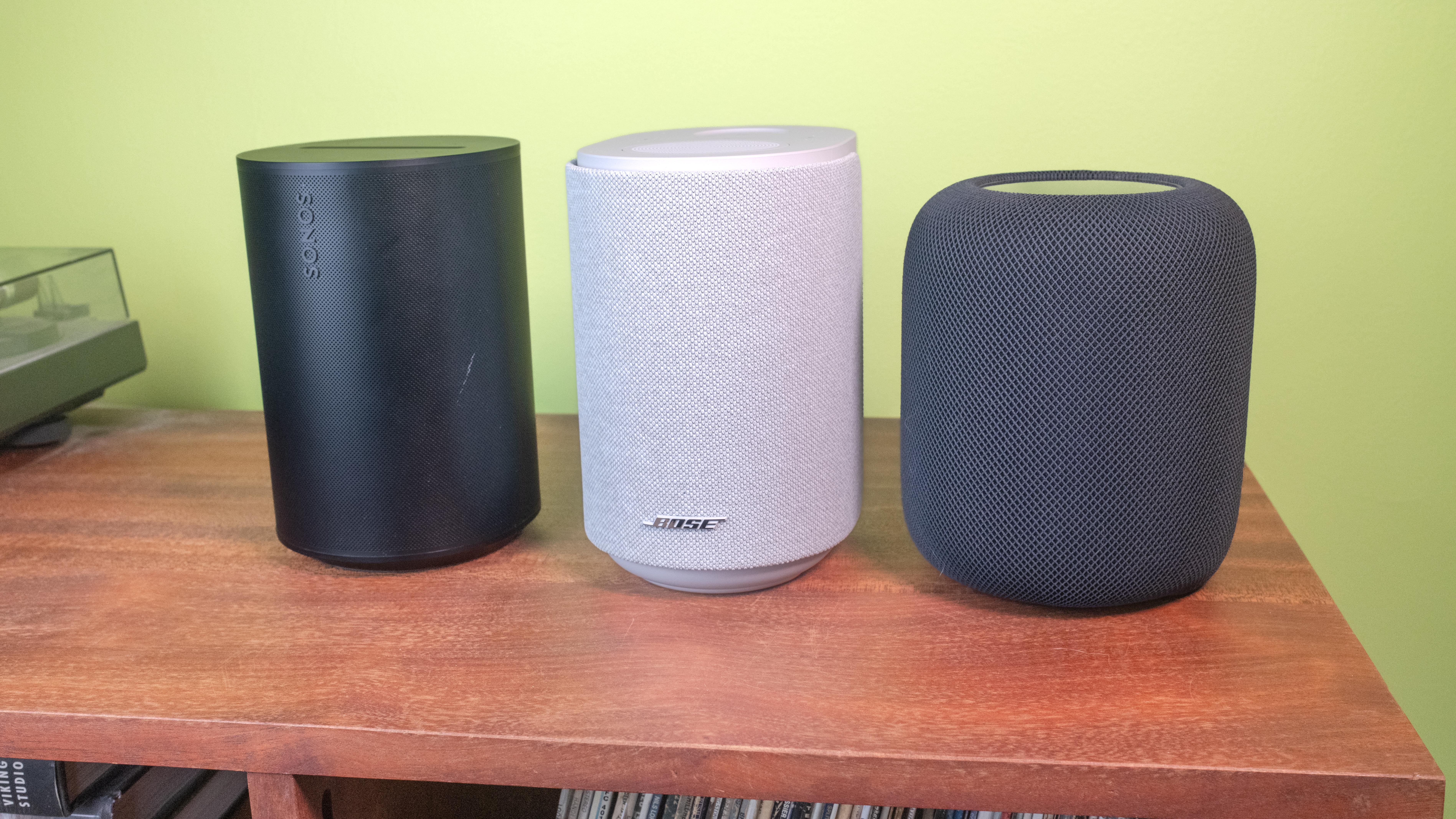
For the user, the Bose Lifestyle Ultra is an exquisite piece of audio hardware that feels like a "Version 1.0" product. It delivers the sound quality one expects from the brand, but it lacks the "bells and whistles" that have become standard in the segment.
The Verdict: Who is this for?
If you are an audiophile who values a bright, detailed soundstage and you plan on using the 3.5mm jack for a turntable or a dedicated high-res player, the Bose Lifestyle Ultra is an excellent, premium-looking addition to your home. It performs its primary function—playing music—with aplomb.
However, if you are looking for a smart home hub that creates an immersive, spatial-audio-enabled environment, or if you are already invested in an existing multi-room system, you may find the Bose Lifestyle Ultra lacking in utility. It is a brilliant speaker that, in its current state, is just a step behind the industry leaders. Whether Bose chooses to bridge this gap through software updates or waits for a "Gen 2" iteration remains to be seen. For now, it is a specialized tool for a specific type of listener: one who puts sound quality above all else, even the convenience of the modern smart home.












No comments yet. Be the first to join the conversation!