Siti Muinah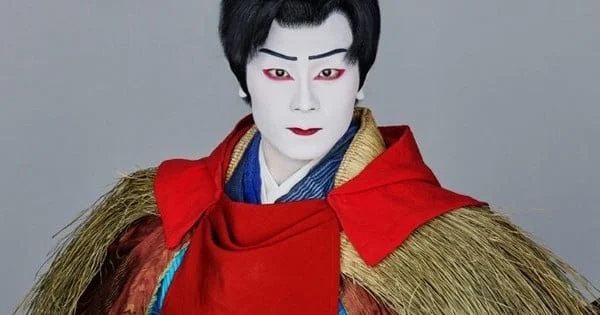
Tokyo, Japan – May 13, 2026 – The legendary world of Hayao Miyazaki and Studio Ghibli’s cinematic masterpiece, Princess Mononoke, is set to be reimagined on the prestigious Kabuki stage. The highly anticipated Super Kabuki adaptation has officially revealed its principal cast in full costume through a striking short advertisement, igniting fervent excitement among fans and theatre enthusiasts alike. The production, scheduled to run from July 3 to August 23 at the Shinbashi Enbujō Theatre in Tokyo, marks a significant milestone, celebrating the 40th anniversary of the innovative Super Kabuki tradition.
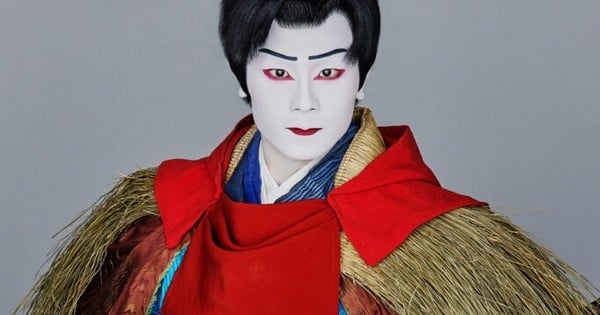
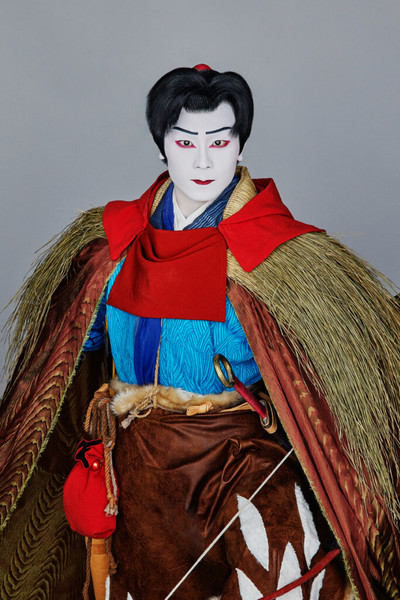
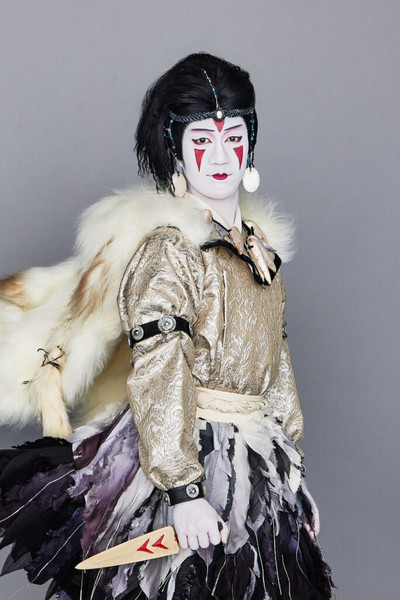
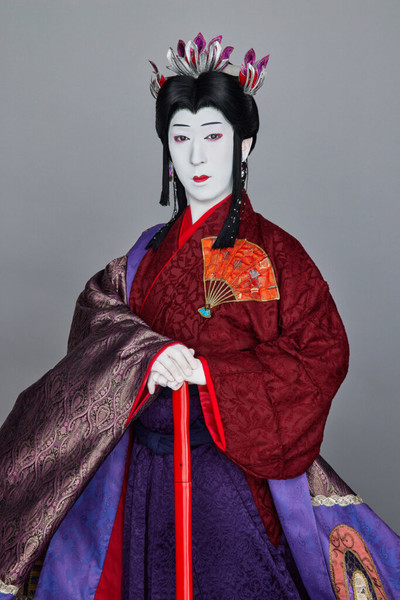
This groundbreaking theatrical endeavor promises to fuse the epic narrative and breathtaking visuals of the beloved animated film with the time-honored artistry and dramatic flair of Kabuki. The official website for the production unveiled the first glimpse of the cast, transforming them into the iconic characters of Ashitaka, San, and Lady Eboshi, hinting at the visual spectacle that awaits audiences.
A Stellar Cast Brings an Epic Tale to Life
The casting for this ambitious adaptation has been meticulously curated, bringing together talents poised to embody the spirit and complexity of Princess Mononoke’s central figures.
-
Danko Ichikawa V will step into the formidable role of Ashitaka, the cursed prince who finds himself at the heart of a devastating conflict. Ichikawa V, a prominent figure in the Kabuki world, is expected to bring a nuanced performance to the courageous and conflicted protagonist.
-
The fierce and untamed San, raised by wolves and a staunch protector of the forest, will be portrayed by Kazutarō Nakamura. Nakamura’s portrayal is anticipated to capture San’s wild spirit and unwavering determination.
-
The powerful and pragmatic leader of Irontown, Lady Eboshi Gozen, will be brought to life by Tokizō Nakamura VI. Eboshi, a character of immense strength and complex motivations, will undoubtedly be a captivating presence under Nakamura VI’s interpretation.
The reveal of the cast in costume offers a tantalizing preview of the artistic vision behind the production. Each actor, adorned in meticulously crafted costumes that evoke the essence of the characters, stands ready to transport audiences into the mystical and conflict-ridden landscape of ancient Japan. The visual impact of these transformations underscores the dedication to translating the film’s unique aesthetic into the vibrant and stylized world of Kabuki.
A Legacy of Innovation: The Super Kabuki Tradition
The staging of Princess Mononoke as a Super Kabuki production is particularly noteworthy. The Super Kabuki genre, which emerged in 1986, is renowned for its daring fusion of traditional Kabuki techniques with contemporary stagecraft, music, and storytelling. This approach allows for greater narrative flexibility and the incorporation of modern thematic elements while remaining rooted in the rich history of Japanese theatre. The 40th anniversary of this genre provides a fitting backdrop for an adaptation of a film that itself pushed the boundaries of animation and storytelling.
The Creative Forces Behind the Spectacle
The creative team assembled for this production brings a wealth of experience and a deep understanding of both the source material and the theatrical medium.
-
Kensuke Yokouchi is at the helm as the director, tasked with orchestrating the grand vision of this epic adaptation.
-
The script is a collaborative effort, with Keiko Niwa co-writing alongside Kazuhisa Tobe. Niwa’s extensive experience working on scripts for acclaimed Studio Ghibli films, including The Wind Rises, Arrietty, and When Marnie Was There, provides an intimate connection to the Ghibli universe. Tobe, a seasoned playwright and director, brings his own expertise, having previously directed and written the Evangelion kabuki project, demonstrating his prowess in adapting popular narratives for the Kabuki stage.
-
The evocative and unforgettable musical score of Princess Mononoke, originally composed by the legendary Joe Hisaishi, will be a crucial element of the theatrical experience. Hisaishi’s iconic compositions are deeply intertwined with the emotional resonance of the film, and their integration into the Kabuki production is expected to heighten the dramatic impact and emotional depth.
A Timeless Narrative Resonates Anew
Princess Mononoke, released in 1997, remains a seminal work in animation history, celebrated for its complex themes, stunning animation, and unforgettable characters. The film’s narrative explores the destructive impact of industrialization on nature, the conflict between humanity and the natural world, and the blurred lines between good and evil.
The story follows Ashitaka, a prince from the Emishi people, who is cursed by a demonized boar god. To find a cure and understand the forces at play, he journeys westward and becomes embroiled in a fierce struggle between Irontown, led by the formidable Lady Eboshi, and the spirits of the ancient forest, championed by San, the "Princess Mononoke." The film’s rich tapestry of characters and its urgent environmental message continue to resonate with audiences worldwide.
The recent 4K restoration of Princess Mononoke, screened exclusively in IMAX theaters across North America on March 26, 2025, by GKIDS, further testament to the film’s enduring legacy and its continued relevance. This theatrical re-release, coinciding with Studio Ghibli’s 40th anniversary, underscores the profound impact the film has had on global cinema.
A Vision for the Stage: Bridging Worlds
The Super Kabuki adaptation of Princess Mononoke represents more than just a theatrical retelling; it is an opportunity to experience a beloved story through a new artistic lens. Kabuki, with its stylized movements, elaborate costumes, and symbolic representations, is uniquely suited to translate the fantastical elements and epic scope of Miyazaki’s world. The genre’s ability to convey deep emotion and complex narratives through a distinct visual and performative language promises a fresh and compelling interpretation of the film’s enduring themes.
The choice to adapt Princess Mononoke for the Super Kabuki stage is a testament to the universal appeal and artistic merit of both the film and the theatrical tradition. By bringing these two powerful forms of artistic expression together, the production is poised to create a memorable and impactful theatrical experience that honors the spirit of the original while forging its own unique identity. As the July 3rd premiere draws closer, anticipation continues to build for what promises to be a captivating and unforgettable journey into the heart of the forest and the human spirit.


 Nana Muazin
 Basiran