

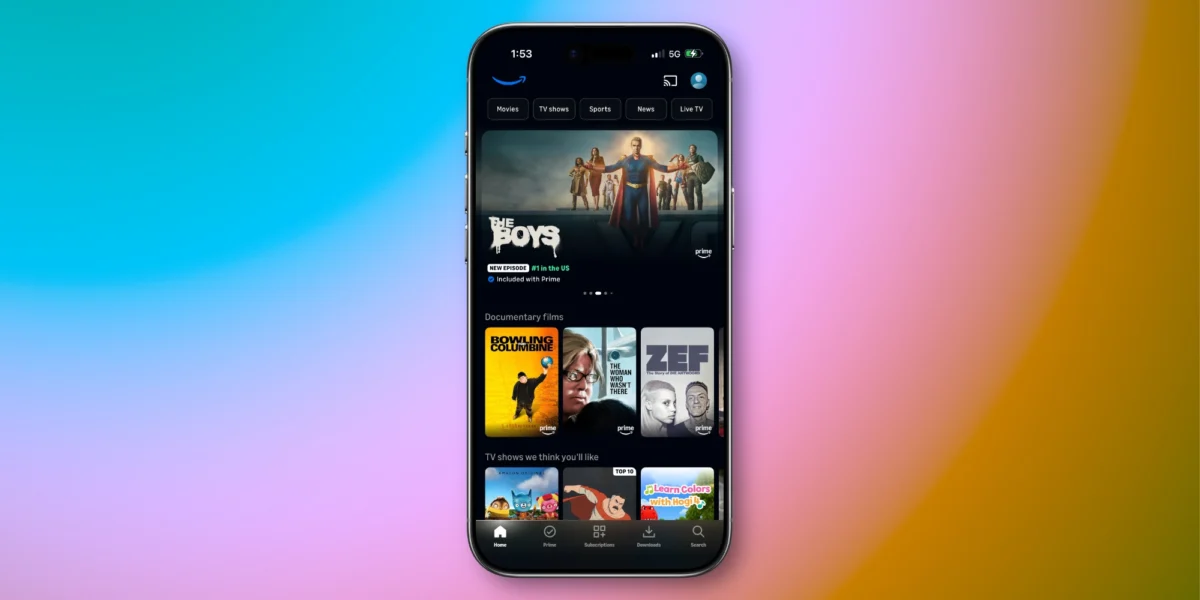
The landscape of digital entertainment is undergoing a profound transformation. In an era dominated by the rapid-fire, algorithmic delivery of social media platforms like TikTok, Instagram Reels, and YouTube Shorts, traditional streaming giants are finding themselves at a crossroads. Today, Amazon Prime Video has officially entered the fray, launching its own vertical video discovery feed, aptly titled "Clips," on its mobile applications. This move marks a significant departure from the traditional, horizontal lean-back experience of television, signaling that the battle for viewer attention is now being fought on the terrain of the scroll.
The Main Facts: What is Prime Video ‘Clips’?
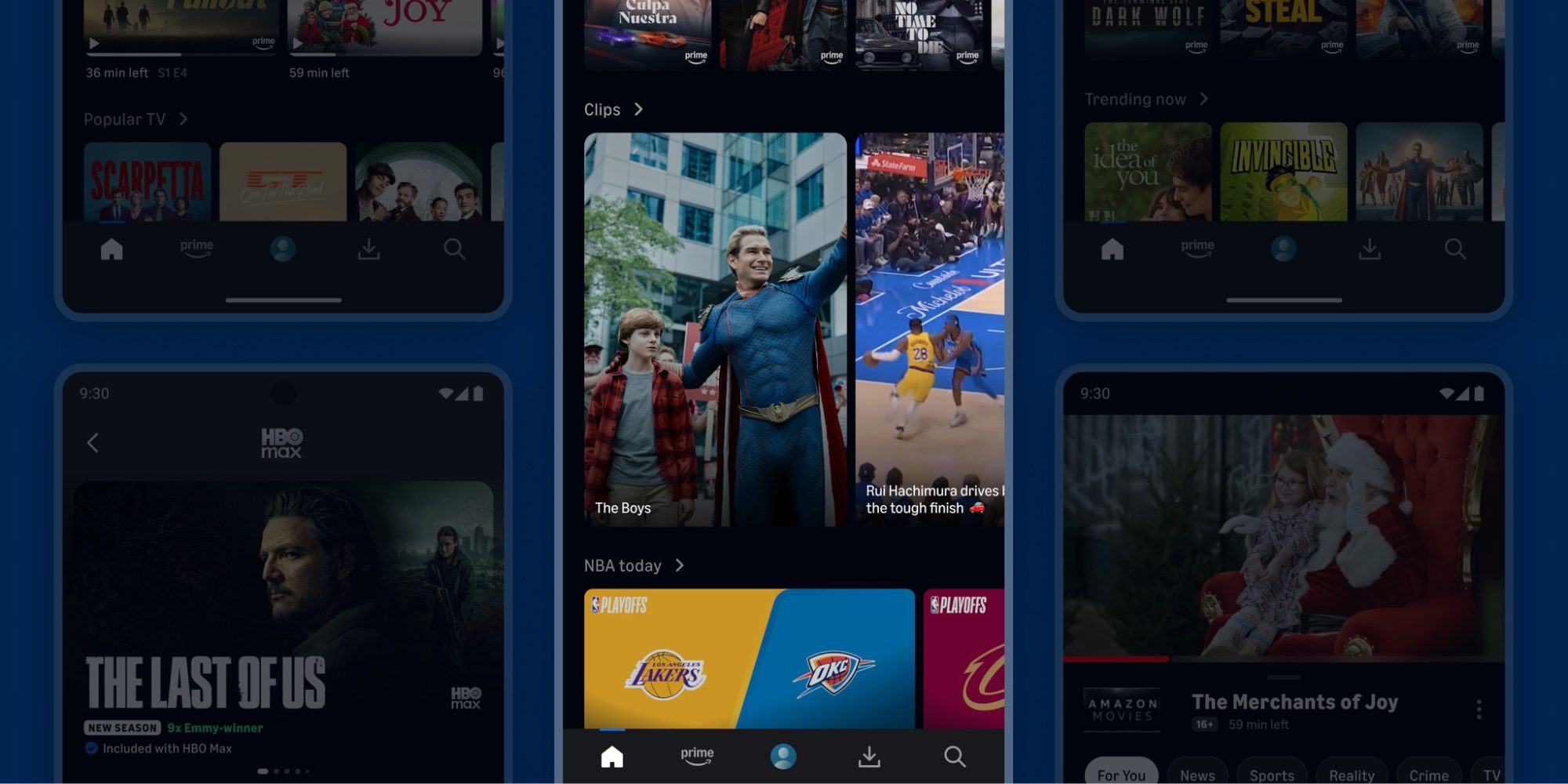
The "Clips" feature is designed as a fully immersive, scrollable vertical video feed accessible directly through the Prime Video mobile app. While initially piloted during Amazon’s foray into live NBA coverage, the feature has now been expanded to encompass the broader Prime Video library, including original series, blockbuster movies, and premium content.
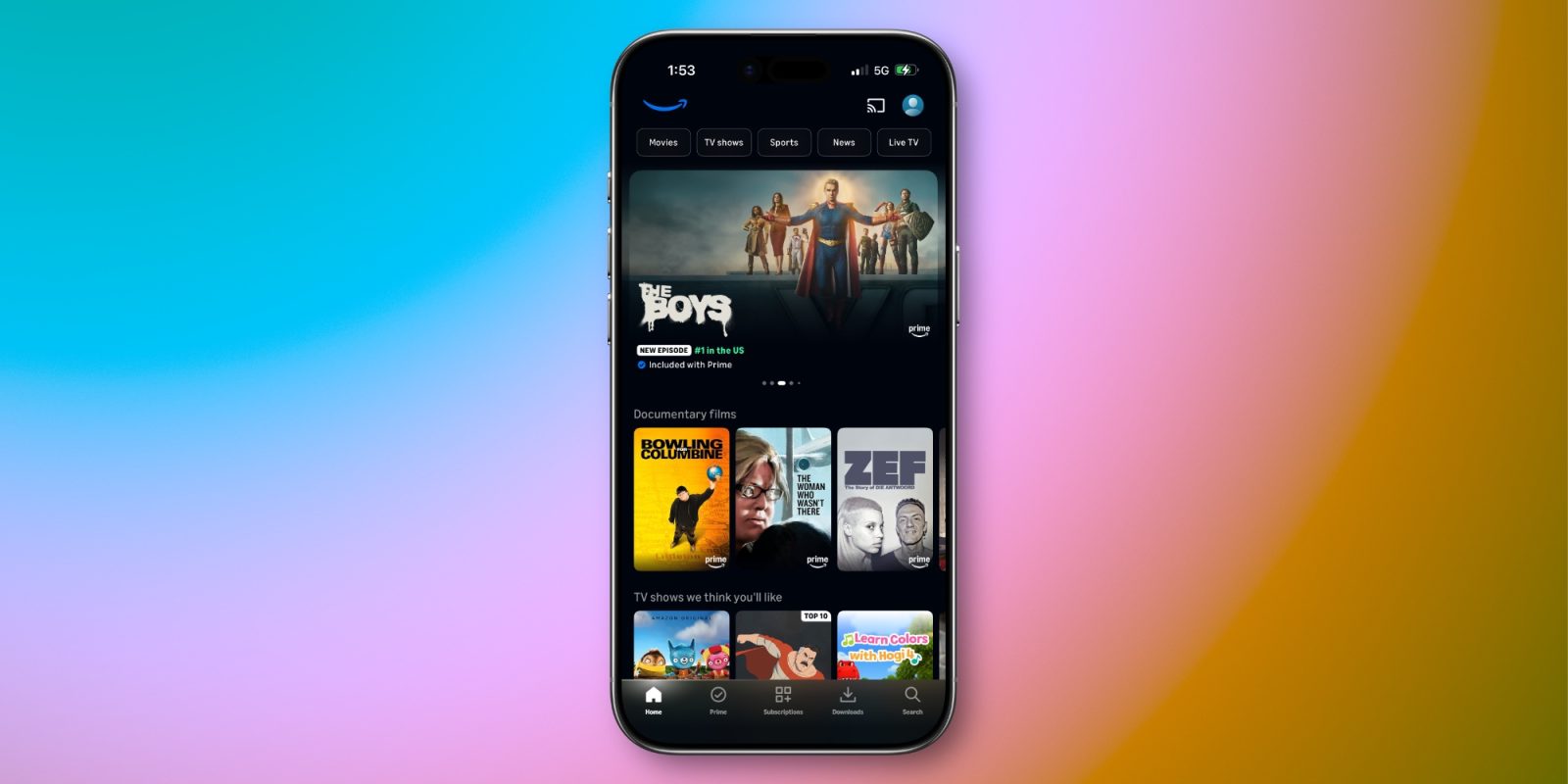
Upon opening the Prime Video app, users will find a new "Clips" carousel on the homepage. Tapping into this carousel triggers a transition to a full-screen, vertical interface. The experience is designed for rapid content discovery, allowing users to swipe through curated snippets of various titles. The core functionality is centered on conversion: if a user finds a clip compelling, they are not merely watching a trailer; they are one tap away from streaming the full title, purchasing or renting it, adding it to their personalized "Watchlist," or sharing the content with their social circle.
Amazon’s implementation is inherently personalized. By leveraging viewing history and user preferences, the algorithm ensures that the feed serves up content that aligns with the individual’s tastes, theoretically shortening the time it takes for a user to decide what to watch next.

Chronology: The Rise of the Vertical Feed
The adoption of vertical video by streaming services is not a sudden trend, but a calculated response to a changing cultural zeitgeist.
March 2026: The shift began in earnest when Disney+ launched "Verts," a feature that allowed users to browse through vertical, short-form highlights of their extensive content library. This was one of the first major signals that the "TikTok-ification" of premium video was no longer an experimental project, but a strategic necessity.
April 2026: Less than two months later, Netflix, the undisputed titan of the global streaming market, unveiled a comprehensive redesign of its mobile interface, featuring its own version of a vertical "Clips" feed. By integrating this into their app, Netflix essentially validated the format as an industry standard for user retention and content marketing.
May 2026: Today, Amazon Prime Video completes this triumvirate of major streamers by launching its own "Clips" feature. The progression from initial testing in sports broadcasting to a full-scale rollout suggests that Amazon spent the last several months refining the UI to ensure it could handle the massive volume of high-definition content within their catalog.
Supporting Data: Why Streaming Services are Pivoting
The rationale behind this shift is backed by significant data regarding user behavior and attention spans. Industry studies have consistently shown that younger demographics—specifically Gen Z and younger Millennials—now view vertical video as the "native" format of the internet.
- Retention Rates: Internal tests conducted by early adopters of short-form feeds indicate that users are more likely to engage with a new series if they have been served a "bite-sized" preview that requires no effort to find.
- Conversion Efficiency: By placing the "Rent," "Buy," and "Add to Watchlist" buttons directly on the vertical video player, companies like Amazon are reducing the "friction to purchase." Traditional interfaces often require multiple clicks to transition from a thumbnail to a play button; the Clips interface makes this a seamless, singular action.
- Discovery Fatigue: The "paradox of choice" is a known issue in streaming, where users spend more time scrolling through menus than actually watching content. Vertical feeds act as an algorithmic filter, presenting a curated selection that helps mitigate decision paralysis.
Official Responses and Strategic Vision
In their official press release, Amazon executives framed the launch of Clips as a "new way to discover entertainment." The messaging emphasizes that this is not meant to replace the long-form viewing experience, but rather to serve as a bridge.
"To get started, scroll down to the Clips carousel on the Prime Video mobile home page and tap any clip," the company stated. "You will enter a full-screen vertical feed with more personalized clips to browse. Every time you visit the experience, you’ll see something new based on your viewing history."
Amazon’s rollout strategy is cautious yet deliberate. The feature is currently available to select customers in the United States on iOS, Android, and Fire tablets. The company has stated that this is a gradual process, with a full, stable release expected across these platforms by the end of the summer. This phased approach allows Amazon to monitor server loads and gather user feedback before the global expansion.
Implications for the Future of Television
The introduction of vertical feeds to platforms like Prime Video, Netflix, and Disney+ represents a fundamental shift in how we define "television." For decades, the industry operated under the premise of the "couch experience"—a landscape of horizontal screens, remote controls, and extended trailers.
The Death of the Trailer?
The traditional, two-minute cinematic trailer may be facing obsolescence in favor of these high-energy, vertical clips. These clips are designed to be watched in seconds, catering to the "micro-moments" of attention that users have during commutes or while waiting in line.
The Aggregator Dilemma
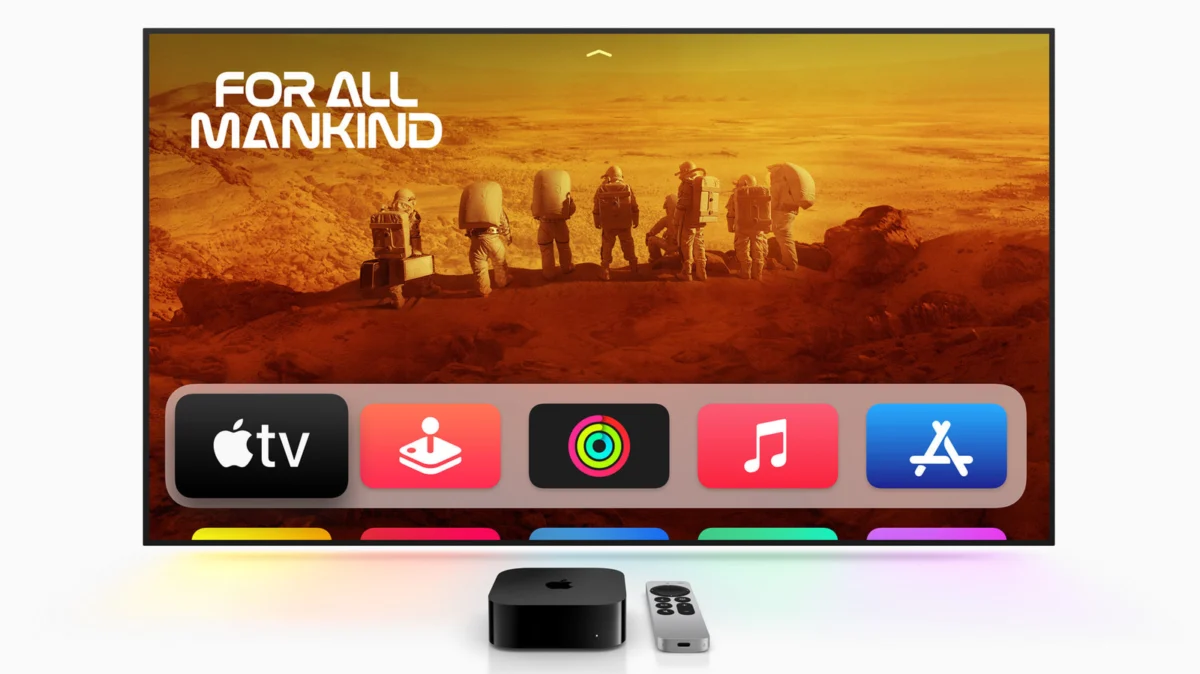
A major lingering question is how this will impact third-party content. Currently, it is unclear if the "Clips" feature will exclusively showcase Amazon Studios originals or if the platform will offer similar vertical visibility to third-party subscription offerings, such as the recently expanded Apple TV-Peacock bundles. If Amazon limits this prime real estate to its own content, it could create a significant competitive advantage for its original productions, potentially forcing third-party partners to demand similar algorithmic visibility.
The Monetization Potential
Vertical feeds offer a goldmine for advertisers. If Amazon successfully integrates sponsored content or promotional clips into the "Clips" feed, it could open a new revenue stream that rivals the effectiveness of traditional social media advertising. Unlike a static banner ad, a video clip that leads directly to a subscription or purchase is a high-value asset in the digital marketing ecosystem.

Conclusion: A New Frontier for Content Discovery
The launch of Prime Video’s "Clips" is a clear acknowledgement that the streaming industry is no longer competing only with cable television; it is competing with the infinite scroll of social media. By adopting the vertical video format, Amazon is betting that the future of engagement lies in ease, personalization, and the ability to capture a user’s interest in under ten seconds.
As the industry moves toward this "TikTok-ification" of entertainment, the key challenge will be maintaining the prestige and artistic intent of high-budget film and television while adapting it to the quick, snackable format of the modern mobile device. For now, users can expect to see their Prime Video app undergo a significant behavioral change, turning the home screen from a static directory into an active, living feed of entertainment.
Whether this leads to a more satisfied viewer or simply a faster way to consume content remains to be seen. However, one thing is certain: the era of the horizontal-only streaming experience is officially over. The vertical revolution is here, and it is here to stay.










No comments yet. Be the first to join the conversation!