

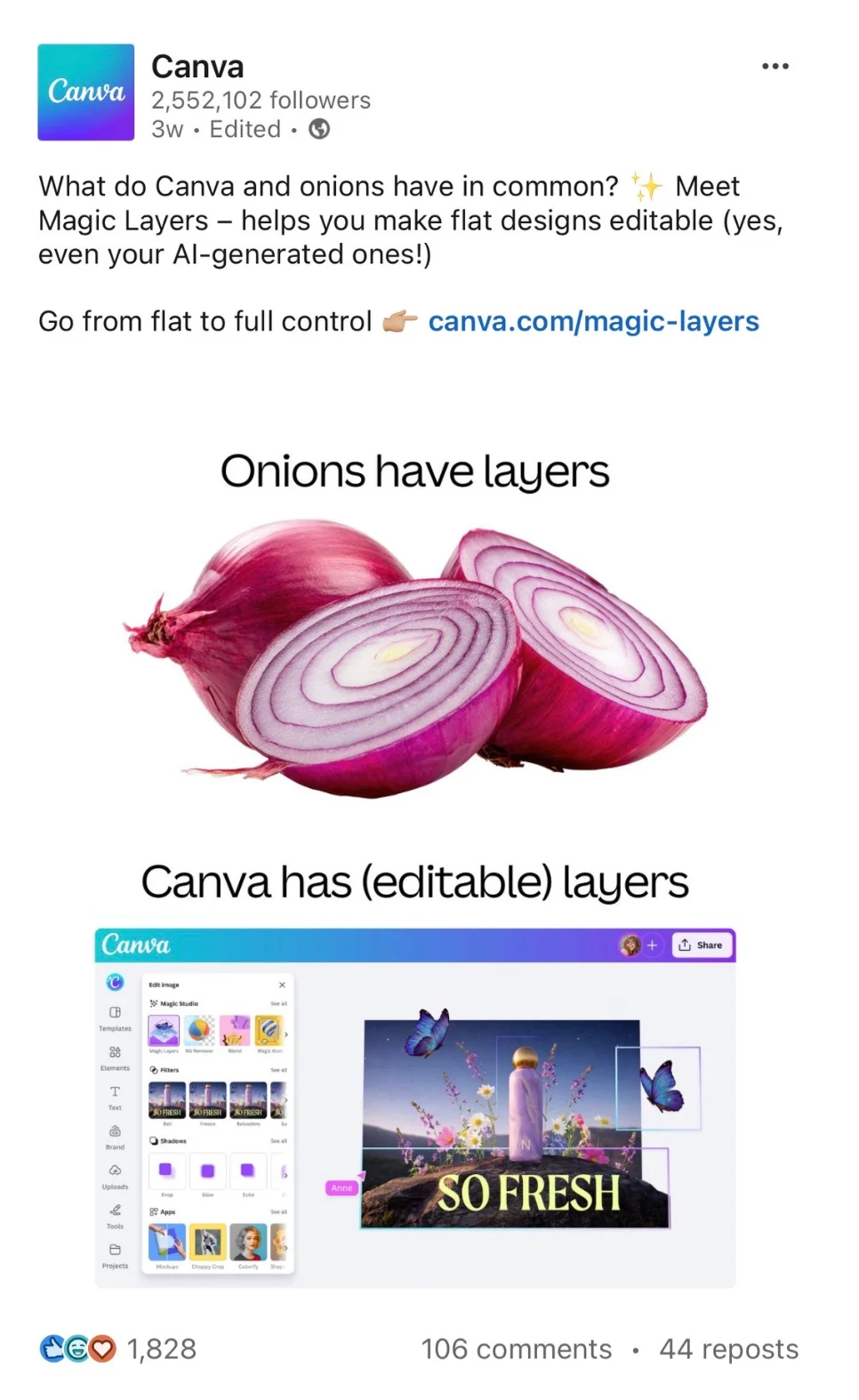
With over 265 million monthly active users across 190 countries, Canva has cemented its status as a global design powerhouse. Yet, for a brand of its immense scale, the company’s social media strategy feels paradoxically intimate. Instead of broadcasting a monolithic message to the masses, Canva has mastered the art of "hyper-local" engagement—the practice of embedding the brand into the specific cultural fabric of the markets it serves.
In an exclusive sit-down with Lachlan Stewart, Canva’s Social Lead, we explored how the design giant navigates the tension between global reach and local resonance. The takeaway is clear: as brands scale, the secret to maintaining engagement isn’t just "more" content—it is deeper, more intentional, and culturally nuanced storytelling.
The Strategic Shift: Thinking Globally, Acting Locally
For many multinational corporations, the "global vs. local" dilemma often ends in a watered-down brand voice. Canva, however, has flipped this script. According to Stewart, the company’s pivot toward a hyper-local marketing strategy has been the cornerstone of its recent growth.

"If you look at Canva in different countries, you’ll see real people and real stories from those markets," Stewart explains. "When it comes to our marketing strategy, it’s really about being truly local."
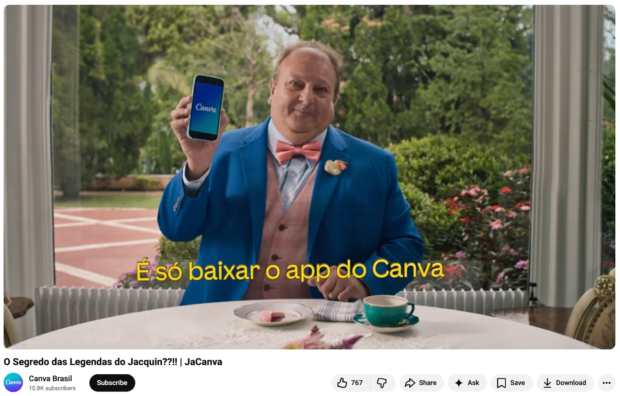
This philosophy moves beyond simple translation; it involves cultural translation. By empowering regional teams to tap into the specific humor, trends, and social nuances of their respective countries, Canva has transformed its social channels from corporate billboards into vibrant, community-led hubs.
The Evolution of the "Social First" Mindset
Historically, social media teams were often siloed from the broader marketing strategy, brought in only to "promote" finished campaigns. At Canva, that dynamic has been dismantled. Social now sits at the strategy table from day one. This structural integration allows for more agile, reactive, and innovative campaigns that leverage social media’s unique ability to amplify conversation before a product or feature even hits the market.

Anatomy of a Viral Campaign: The "Gemma Collins" Case Study
To understand the effectiveness of Canva’s strategy, one need look no further than their recent UK campaign featuring reality star Gemma Collins.
The campaign did not simply use a celebrity influencer to push a product. Instead, it leaned into a specific cultural insight: the iconic, meme-worthy status of Collins herself. By naming her the "UK Creative Director" and integrating her voice into the Canva product’s "Change Voice" feature, the brand created an experience that was inherently shareable.
The "LinkedIn" Disruption
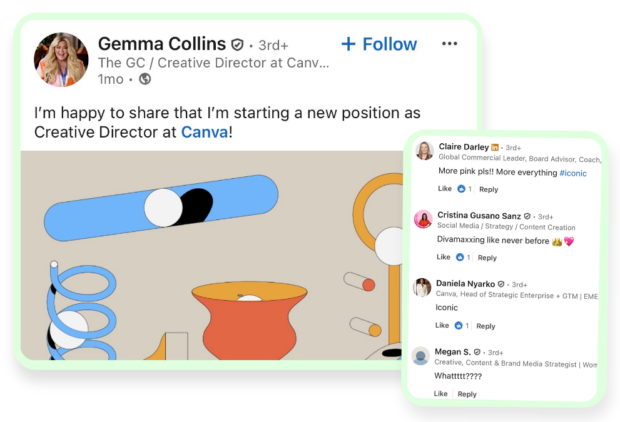
The masterstroke of the campaign was giving Collins a professional LinkedIn profile, treating her as a legitimate employee of the company. This move broke the "fourth wall" of corporate social media. It was experimental, slightly absurd, and highly effective.
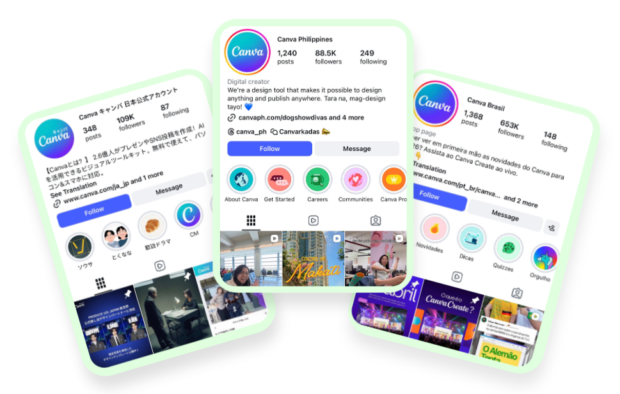
"We gave her a LinkedIn profile and pretended she actually worked at Canva," Stewart notes. "I think it was the first time someone used LinkedIn in that way, and it really got people talking." This willingness to experiment—to be the "first" rather than the "follower"—is what allows Canva to capture the cultural zeitgeist rather than just chasing it.
Supporting Data: Why "Entertainment" Drives Conversion
Canva’s philosophy on social media content is increasingly centered around entertainment principles. While the brand remains a functional tool for creators and businesses, the content surrounding the product is designed to be cheeky, fun, and inherently social-first.
Measuring What Matters
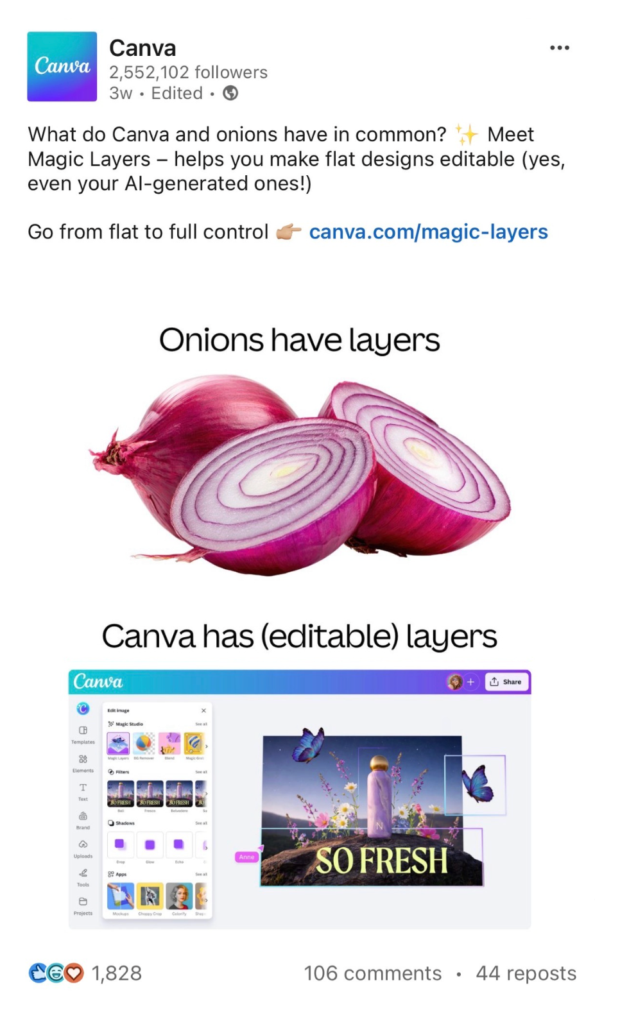
One of the most significant challenges in modern marketing is the "vanity metric" trap. Stewart argues that organizations must move beyond likes and comments to measure success based on the intent of the creative.
- For Long-form Video: The focus is on completion rates and shares. If a video is meant to be entertaining, a "like" is secondary to the viewer watching until the end and finding it valuable enough to pass along.
- For Tutorials: The metric of choice is "saves." A high save rate on a tutorial indicates that the content has utility, moving it from a passive viewing experience to an active, long-term asset in the user’s workflow.
By surfacing the objective of the creative before the campaign launches, Canva ensures that its social teams are not just creating noise, but measuring the specific behaviors that correlate with brand health and product adoption.
The Chronology of a Campaign: From Concept to Community
How does a massive, distributed company maintain such a consistent, high-energy presence? It comes down to a highly collaborative, cross-functional workflow.
- Early Integration: Social leads are involved in the ideation phase of global campaigns, ensuring that the "social hooks" are baked into the core strategy.
- The Teaser Phase: Before a launch, the team focuses on pre-campaign momentum. By using "teasers" (like the Gemma Collins LinkedIn profile), they prime the audience and build organic conversation before the main reveal.
- The Launch: The primary asset is released, often accompanied by high-energy, platform-specific adaptations.
- The Sustain Phase: This is where many brands fail. Canva ensures they have a "suite of assets" in their back pocket to keep the conversation going long after the initial launch, preventing the post-launch drop-off.
Implications for Enterprise and B2B Brands
Canva’s success carries a powerful lesson for the broader B2B and enterprise marketing landscape: Professionalism does not have to mean boring.
Many B2B brands fall into the trap of being "safe" to avoid risk. However, Stewart believes the greatest risk is being ignored. "If you continue to just create content that your audience is comfortable with, you’re not going to make an impact beyond them," he warns.
The "Trendsetter" Strategy
Canva’s approach of starting trends—like their "What’s On My Desk" series or their innovative use of LinkedIn—demonstrates that enterprise brands can be just as disruptive as B2C brands. The key is having the confidence to experiment with new platform features and the humility to listen to what their audience is already saying.
Official Stance: The Future of Social Marketing
As we look toward the future, the role of social media in marketing is only set to expand. Stewart envisions a future where social becomes the primary "testing ground" for global marketing strategies.
"We can test ideas before we go live, and we can do that really easily with our existing audience," he says. This iterative, data-backed, yet highly creative approach allows Canva to maintain a "small-team" agility despite their massive global scale.
Final Takeaways for Marketing Leaders
For leaders looking to elevate their team’s impact, the roadmap is clear:
- Empower the Social Team: Give them a seat at the strategy table, not just the distribution table.
- Embrace Cultural Nuance: Stop aiming for a single, global voice and start empowering regional teams to speak the language of their specific culture.
- Prioritize Entertainment: Even in B2B, the content that performs best is the content that provides value through either utility or entertainment.
- Be the First: Don’t wait for a trend to become saturated. Use your brand’s unique voice to invent the trend, then invite your audience to join you.
In a digital landscape that is increasingly noisy, Canva’s strategy of "being local" acts as a filter. By focusing on the human element—the specific, the funny, and the authentic—they have turned a global utility into a brand that feels like it belongs to everyone, in every country, all at once.












No comments yet. Be the first to join the conversation!