Ali Ikhwan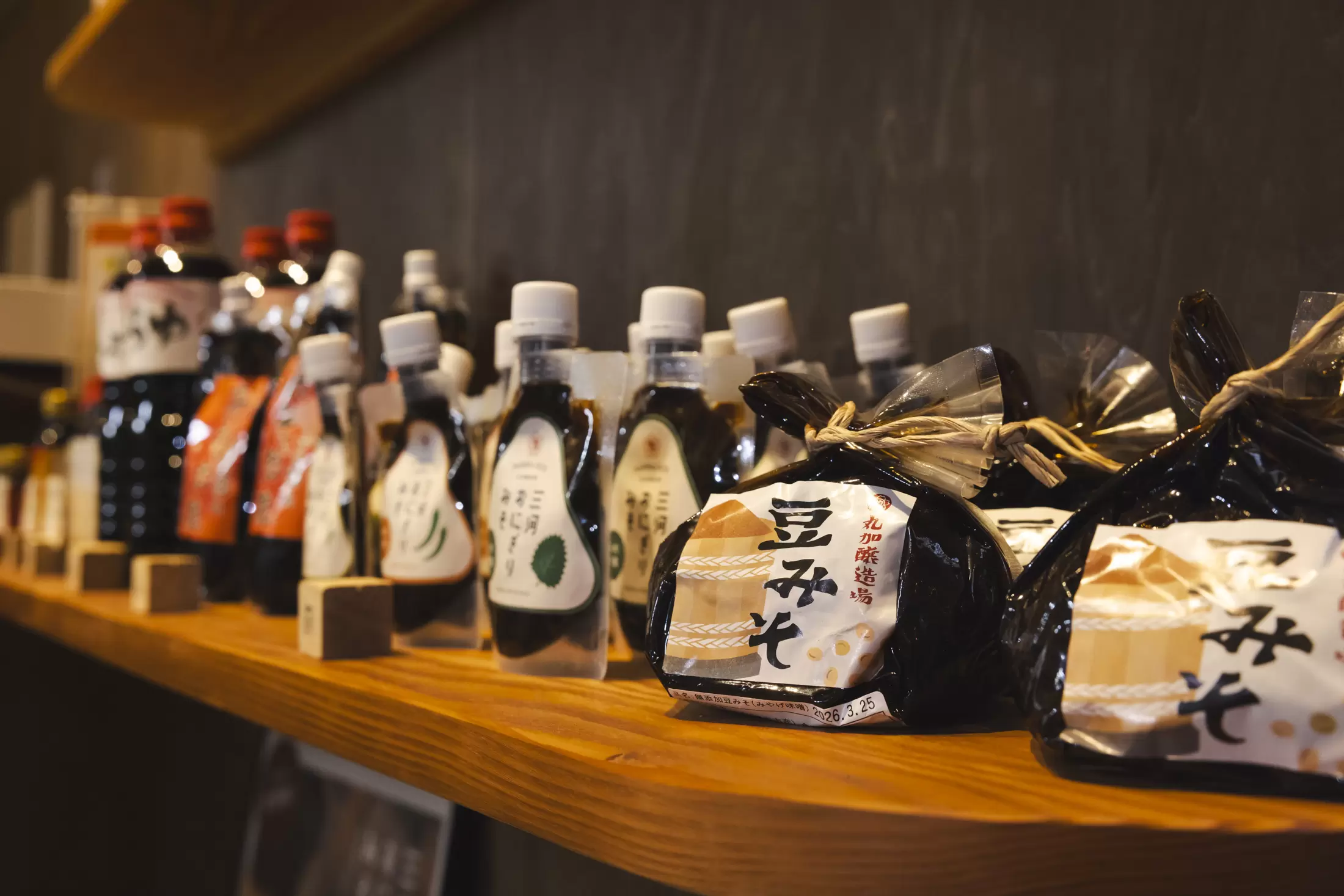
Nagoya and the broader Aichi Prefecture stand as the undisputed heartland of Japan’s fermentation culture. While global audiences often associate Japanese cuisine with fresh sushi or delicate sashimi, the culinary identity of this region is defined by the deep, earthy, and complex notes of "hakkou" (fermentation). From the iconic red miso that colors the local palate to the delicate sweetness of aged mirin, the region offers a gastronomic journey that spans centuries of tradition.
Today, this ancient practice is experiencing a modern renaissance. A new wave of cafes and artisanal shops is reimagining fermented staples, transforming them from humble pantry ingredients into the stars of contemporary dining.
The Foundations of Umami: Historical Context
The story of fermentation in Aichi is inseparable from the history of the Tokugawa Shogunate. Lord Tokugawa Ieyasu, the founder of the Edo Shogunate and a native of the region, was a vocal proponent of miso. Legend suggests that the durability and nutritional density of red miso provided his armies with the stamina necessary to unify Japan.
Chronology of Aichi’s Fermentation
- The Edo Period (1603–1867): Aichi’s geography—rich in high-quality soybeans and pure water—allowed for the industrialization of miso, tamari soy sauce, and mirin production. These products became essential trade goods.
- Early 20th Century: The industrialization of food production saw a move toward mass-market items, yet many family-owned breweries in Aichi maintained traditional cedar-barrel aging techniques.
- 2011–Present: The "Salt Koji Boom" in Japan sparked renewed consumer interest in the health benefits of fermented foods, leading to a surge in creative cafe concepts that prioritize gut health and natural, additive-free ingredients.
Supporting Data: Why Fermentation Matters
Fermented foods are more than a cultural hallmark; they are a nutritional powerhouse. The process of fermentation—using Aspergillus oryzae (koji mold)—breaks down complex proteins into amino acids, significantly boosting the "umami" or savory depth of a dish. Furthermore, the presence of probiotics and enzymes in these foods is widely linked to improved digestion and skin health, a fact championed by the proprietors of the establishments featured in this guide.
The Modern Trail: 6 Essential Cafes in Aichi
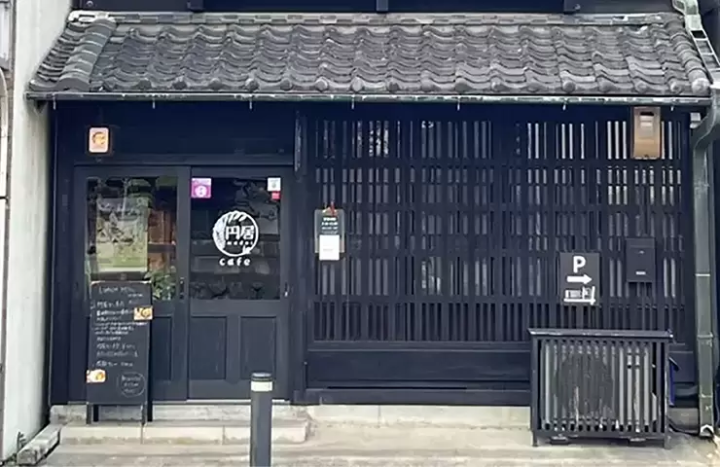
1. Madoi Cafe: A Century of History
Located in a meticulously renovated 100-year-old traditional house near Tsushima Station, Madoi Cafe is a masterclass in atmosphere. The owner, a certified "Fermented Food Meister," sources koji from a local business that has operated since the Edo period.
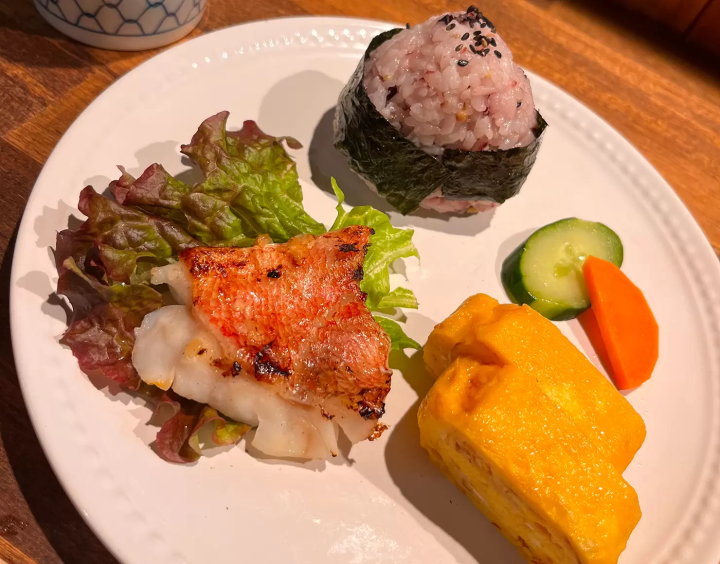
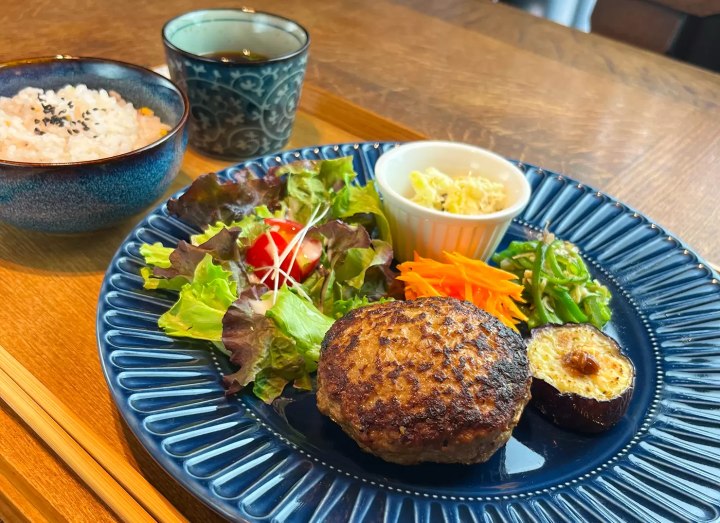
- Key Offering: The "Japanese-style hamburger steak with lotus root and soy sauce koji" provides a savory, grounding experience.
- Breakfast: Guests can experience the quintessential Nagoya breakfast culture—complimentary toast and salad with a morning drink—or opt for a premium fermented Japanese breakfast set.
2. PLUS KOMBUCHA: A Global Twist
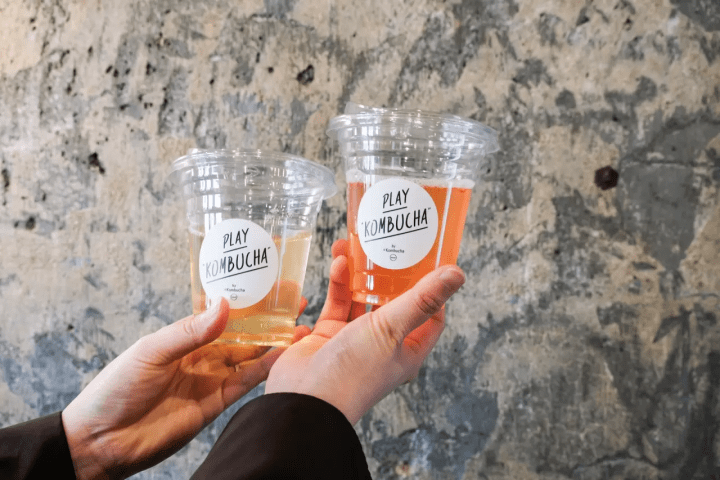
Situated near Higashiyama Koen, PLUS KOMBUCHA is at the forefront of the craft beverage movement in Japan. It is crucial to distinguish this from the Japanese "kombucha" (kelp tea). This is a sparkling, fermented tea beverage that has captured the interest of health-conscious consumers worldwide.
- The Experience: Using organic, domestically sourced tea leaves, the shop offers a refreshing, light-carbonated beverage that many patrons use as a sophisticated alternative to alcohol.
- The Vibe: Its proximity to the Higashiyama Zoo and Botanical Gardens makes it a perfect stop for a refreshing break.
3. TOMO CAFF’E: Nutrition Rooted in Love
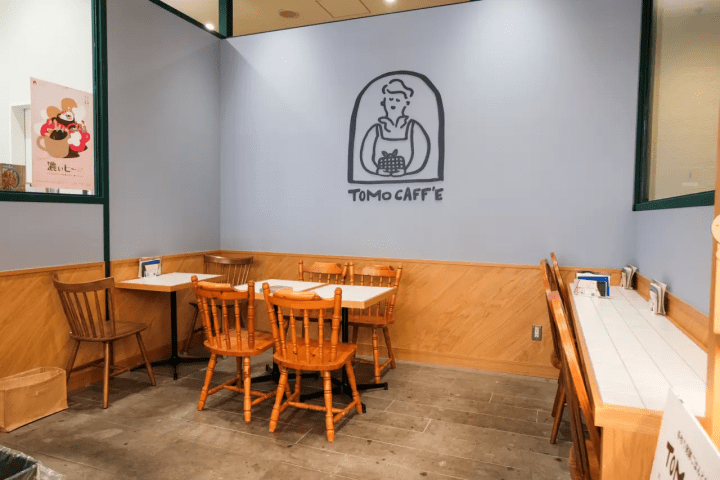
Founded by Tomoko Hayakawa, TOMO CAFF’E in Hoshigaoka Terrace represents the intersection of maternal care and professional gastronomy. The cafe was born from a desire to provide additive-free, nourishing meals to students and families.

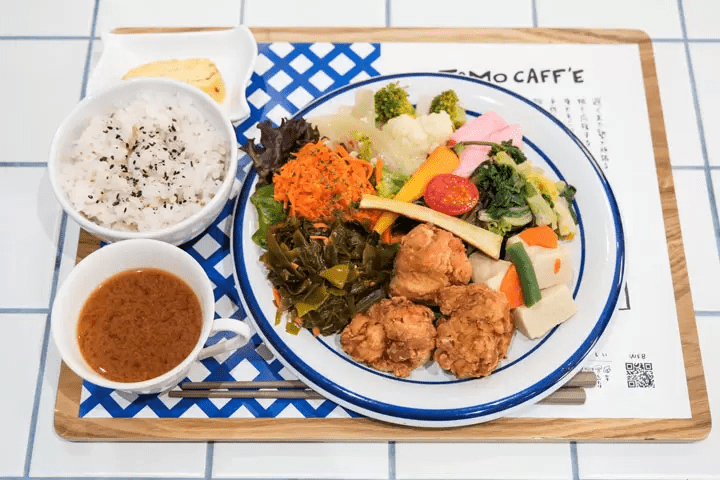
- Signature Dishes: The amazake-marinated chicken karaage is a standout, staying moist and flavorful even when cold, making it a perfect candidate for their signature bento boxes.
- Philosophy: Every dish is designed to improve vitality, with ingredients like salt-koji carrot salads and cauliflower peperoncino showcasing the versatility of fermentation.
4. Restaurant & Cafe K-an: The Mirin Specialist
Operating on the grounds of the historic Kokonoe Mirin headquarters in Hekinan, this restaurant is a pilgrimage site for lovers of sweet rice wine.
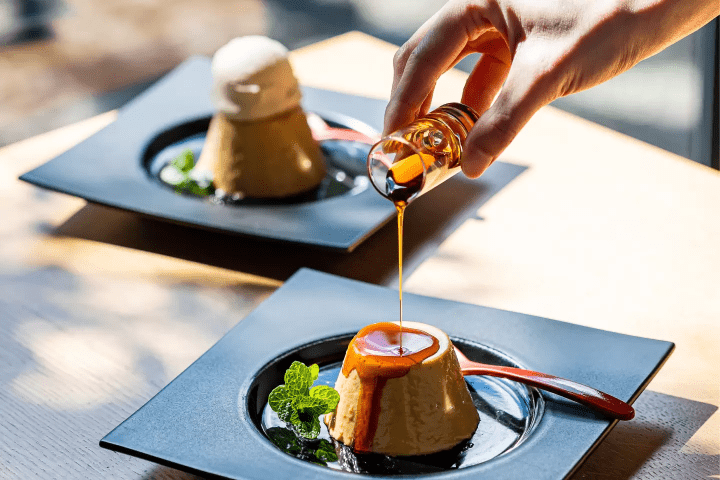
- Culinary Innovation: K-an demonstrates that mirin is not just for cooking; it is for dessert. Their custard pudding and cheesecake, sweetened exclusively with mirin and mirin lees, offer a nuanced flavor profile that refined sugar cannot replicate.
5. Baumkuchen Laboratory: Fermentation in Pastry
In Handa, the Baumkuchen Laboratory pushes the boundaries of traditional sweets. By combining high-quality "Premium Running Eggs" from Okazaki Ohan chickens with local soybean miso, they have created a product that balances savory saltiness with cakey sweetness.
- The Cacao Miso Baumkuchen: A daring combination that has become a local favorite, proving that fermented ingredients have a place in high-end patisserie.
6. haccosido: Brewing History
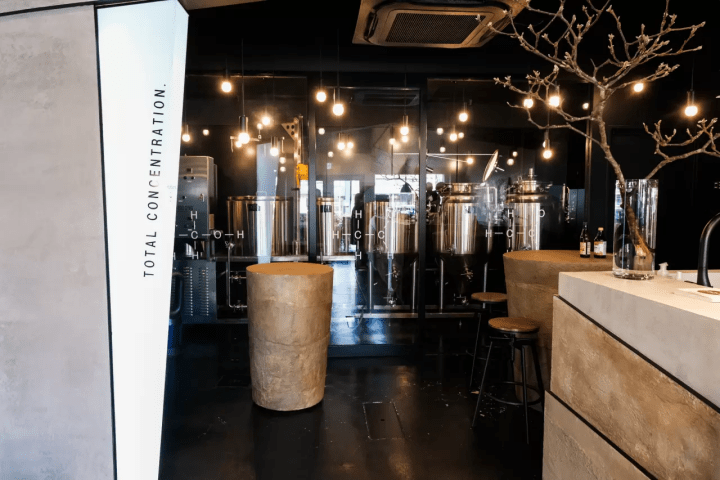
Housed in a converted miso brewery near Koshido Station, haccosido offers a high-ceilinged, industrial-chic space to enjoy traditional flavors.

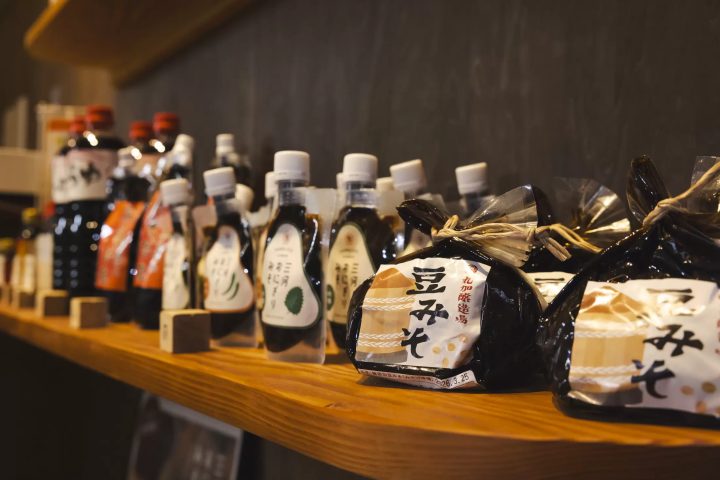
- Morning Ritual: Starting at 8:00 AM, the restaurant offers a luxurious breakfast centered on red miso soup from the local Maruka Jozo Brewery. It is a stark reminder of how deeply ingrained this ingredient is in the daily life of Aichi’s residents.
Official Perspectives and Industry Implications
The success of these establishments reflects a broader shift in Japanese consumer behavior. According to industry experts, the decline of "fast food" culture has been met with a rise in "slow food" movements. By utilizing traditional, locally sourced fermented seasonings, these cafes are supporting regional agricultural economies while satisfying a modern demand for transparency and health.
The "Fermentation Movement" in Nagoya is more than a trend; it is an economic and cultural pillar. These businesses act as curators, preserving the techniques of the past while ensuring they remain relevant to a younger, more health-conscious generation.
Conclusion: A Call to Savor
Nagoya’s fermented food scene invites travelers to look beyond the surface of Japanese cuisine. Whether it is a quick kombucha on the way to the zoo or a reserved, multi-course lunch in a century-old home, these cafes offer a connection to the history of the region. As you navigate the streets of Aichi, we encourage you to seek out these establishments. Each bite or sip is a testament to a craft that has sustained the people of this region for generations—and shows no sign of slowing down.


 Neng Nana
 Asro
Asro