

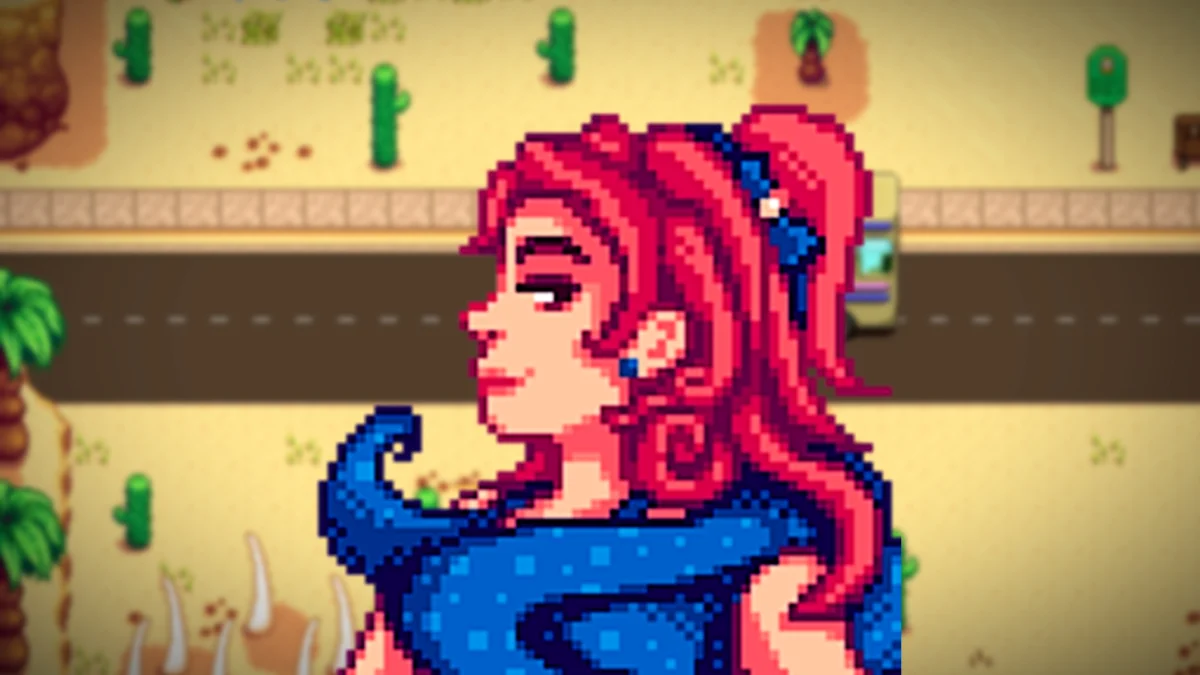
The tranquil, pixelated pastures of Pelican Town have recently become the site of an unexpected social media firestorm. Eric “ConcernedApe” Barone, the visionary developer behind the multi-million-selling farming simulator Stardew Valley, recently found himself at the center of a misunderstanding regarding the game’s future direction. A flurry of headlines suggesting that Barone might introduce “cheating” mechanics into the game led to intense community speculation, ultimately forcing the developer to issue a definitive clarification: there are no plans to introduce extramarital affairs to the game’s social simulation.
This incident highlights the delicate balance between creative exploration in sandbox design and the expectations of a devoted player base. As Stardew Valley continues to evolve through periodic updates, the line between theoretical game design and concrete roadmap features remains a point of high interest for fans.
The Genesis of a Misunderstanding: The Game Informer Interview
The confusion began with a recent, wide-ranging interview Barone conducted with Game Informer. During the discussion, the conversation turned toward the evolution of the game’s mechanics and whether there were features that Barone had considered but ultimately discarded to maintain the game’s established tone.
When prompted about potential changes he had weighed against the risk of negative player reactions, Barone provided a candid, philosophical answer. He addressed the long-standing, albeit niche, player interest in romancing characters who are already married or in established relationships—such as Caroline, Robin, or Demetrius.
Barone noted that he had, in a “half-joking” capacity, contemplated what it would take to allow such romances. He articulated a design philosophy centered on the consequences of “wicked” choices in a sandbox environment. “I feel like in a sandbox game, you should be able to do wicked things and then face the consequences,” Barone explained. “I wouldn’t just make everyone be totally chill about it. Everyone would hate you. It would cause a lot of chaos and disaster and suffering.”
However, he immediately pivoted to the moral and tonal implications of such a system. He acknowledged that while the freedom to disrupt the lives of Pelican Town’s residents was a theoretically intriguing sandbox element, it clashed with the core identity of Stardew Valley. He concluded the thought by questioning if such a level of realism would be a detriment, noting that many players seek out the game specifically as an “escape” from the complexities and harsh realities of the real world.
Chronology of the Digital Firestorm
The transition from a thoughtful interview to a viral headline occurred with rapid speed.
- The Publication: Game Informer released its feature, containing the full, nuanced quote from Barone.
- The Interpretation: Several gaming outlets, including GamesRadar+, picked up the story. While the quotes were presented, the headlines and summaries focused heavily on the “open to it” aspect of Barone’s musings, leading readers to believe a “cheating update” was being seriously considered for the game.
- The Community Reaction: Within hours, forums like Reddit’s r/StardewValley and various social media platforms erupted with debate. Fans expressed concerns about the potential destruction of beloved family units like the Carpenters (Robin and Demetrius) or the complexities of the Pierre/Caroline household.
- The Developer Intervention: Recognizing that the narrative had spiraled into misinformation, Barone took to his official social media channels to address the discourse directly. His replies were sharp and direct, intended to quell the growing anxiety that the game’s moral landscape was about to be fundamentally altered.
Official Responses and the "Context" Problem
In a series of posts on X (formerly Twitter), Barone expressed frustration with how his words were framed. He emphasized that the media coverage failed to capture the “spirit” of his comments.
“The quotes are taken out of context, and don’t capture the whole spirit of what I was saying,” Barone stated. He clarified that he was describing a hypothetical design challenge—the type of thing a developer thinks about during the brainstorming process—rather than announcing a forthcoming feature.
He further elaborated on the immense technical and narrative labor required to implement such a feature. To truly integrate infidelity, he noted, the game would need to rewrite vast swaths of dialogue, alter the reactions of every NPC in town, and potentially introduce negative status effects or social standing mechanics. He jokingly alluded to the “Dark Shrine of Selfishness”—a current endgame mechanic where players can turn their children into doves—as a rare example of “dark” content already present in the game, but he drew a firm line between such abstract, magical occurrences and the realistic, grounded trauma of breaking up a family.
“Even that is probably too heavy and serious,” Barone concluded. “It was just some theoretical idea I’ve toyed with.”
Implications for Sandbox Design and Narrative Integrity
This incident serves as a masterclass in the complexities of managing a "living" game. Stardew Valley is not merely a game; it is a cultural touchstone. The characters, who have been part of players’ lives for nearly a decade, are viewed with a level of attachment that makes any change to their status quo feel personal.
The Sandbox Dilemma
The conflict here lies in the definition of a "sandbox." A true sandbox game theoretically allows for complete player agency—the ability to act as a hero or a villain. However, Stardew Valley is also a "cozy game." The primary appeal of the genre is the sense of safety, community, and progression. If the game were to allow players to act as a "homewrecker," it would fundamentally shift the game’s genre from a comforting farming sim to a high-stakes social drama.
The Burden of Developer Transparency
For creators like Barone, who maintain a close, direct line of communication with their audience, being too transparent can be a double-edged sword. When a developer shares their creative process—including the “bad” or “rejected” ideas—it allows fans to see the work behind the curtain. Yet, as seen here, it also risks turning an offhand thought into a perceived promise.
Conclusion: The Future of Pelican Town
Ultimately, the residents of Pelican Town are safe. The integrity of their relationships remains intact, and the game will continue to serve as the wholesome, community-focused escape that has defined it since its 2016 launch.
The incident highlights a broader truth in modern game development: the relationship between a developer and their community is a living, breathing thing. While the appetite for “edgier” content or deeper consequences in simulation games is clearly present, there is a strong protective instinct among the Stardew Valley community.
Eric Barone’s quick response ensures that the focus remains on what truly matters to the players: the upcoming content, the ongoing support for Haunted Chocolatier, and the continued commitment to keeping the world of Stardew Valley free from the influence of soulless mechanics—whether they be AI-generated or, in this case, unwanted social disruption. For now, the farmers of the valley can return to their crops, safe in the knowledge that their spouses are, and will remain, their own.











No comments yet. Be the first to join the conversation!